When a director from Japan teams up with a French actor to make a film set in Nigeria, something powerful happens. It’s not just about language or location-it’s about how two creative minds, shaped by totally different cultures, find a shared rhythm. These international director-actor collaborations are no longer rare exceptions. They’re becoming the heartbeat of the most talked-about films in 2026.
Why These Partnerships Work Better Than Ever
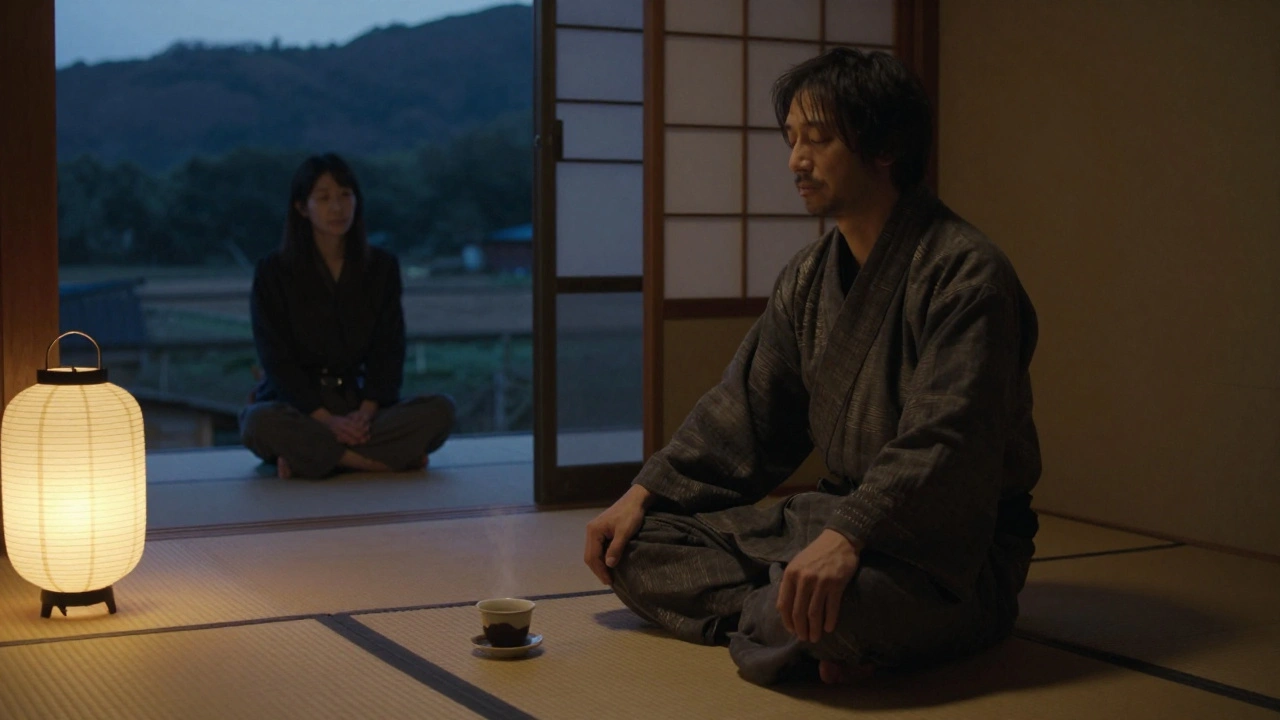
Think back to the 1990s. International collaborations were often forced-studio-driven, translation-heavy, or culturally shallow. Today, it’s different. Directors and actors are choosing each other because they trust the other’s vision. Take the upcoming film Midnight in Kyoto, directed by Hiroko Tanaka and starring Pierre Lottin. Tanaka had seen Lottin’s performance in La Dernière Lueur and sent him a handwritten letter in French, not English. Lottin responded in Japanese, and within weeks, they were scouting locations in rural Shikoku. No agents. No studios. Just two artists who felt they could build something real together.
This isn’t luck. It’s a shift in how global cinema is made. Streaming platforms now have global audiences, and audiences crave authenticity over polish. A French actor doesn’t need to speak perfect Mandarin. What matters is how deeply they understand the character’s silence, the weight in their eyes, the way they hold a teacup. Directors like Apichatpong Weerasethakul and Celine Song are hiring actors based on emotional intelligence, not language fluency.
Top 5 International Director-Actor Duos in 2026 Films
Here are the collaborations generating the most buzz this year, based on production updates, early screenings, and industry insiders:
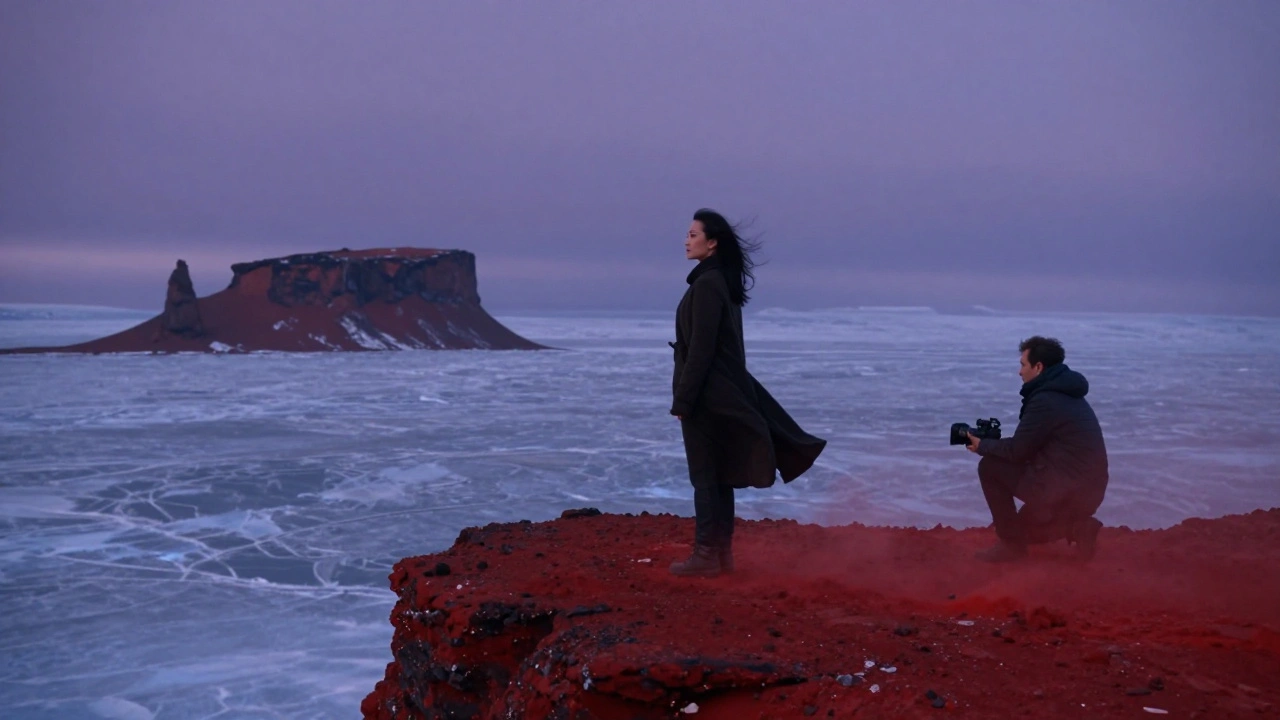
- Denis Villeneuve (Canada) & Gong Li (China) - Their new sci-fi drama Red Dust explores memory and loss on a Martian colony. Gong Li, who hasn’t starred in an English-language film since 2017, was drawn to Villeneuve’s quiet, visual storytelling. They shot 70% of the film in Iceland, using minimal dialogue.
- Alma Har’el (Israel) & Riz Ahmed (UK) - Their project What the Sea Remembers is a poetic thriller set along the Mediterranean coast. Ahmed, who usually plays intense roles, said Har’el’s improvisational style helped him access vulnerability he didn’t know he had.
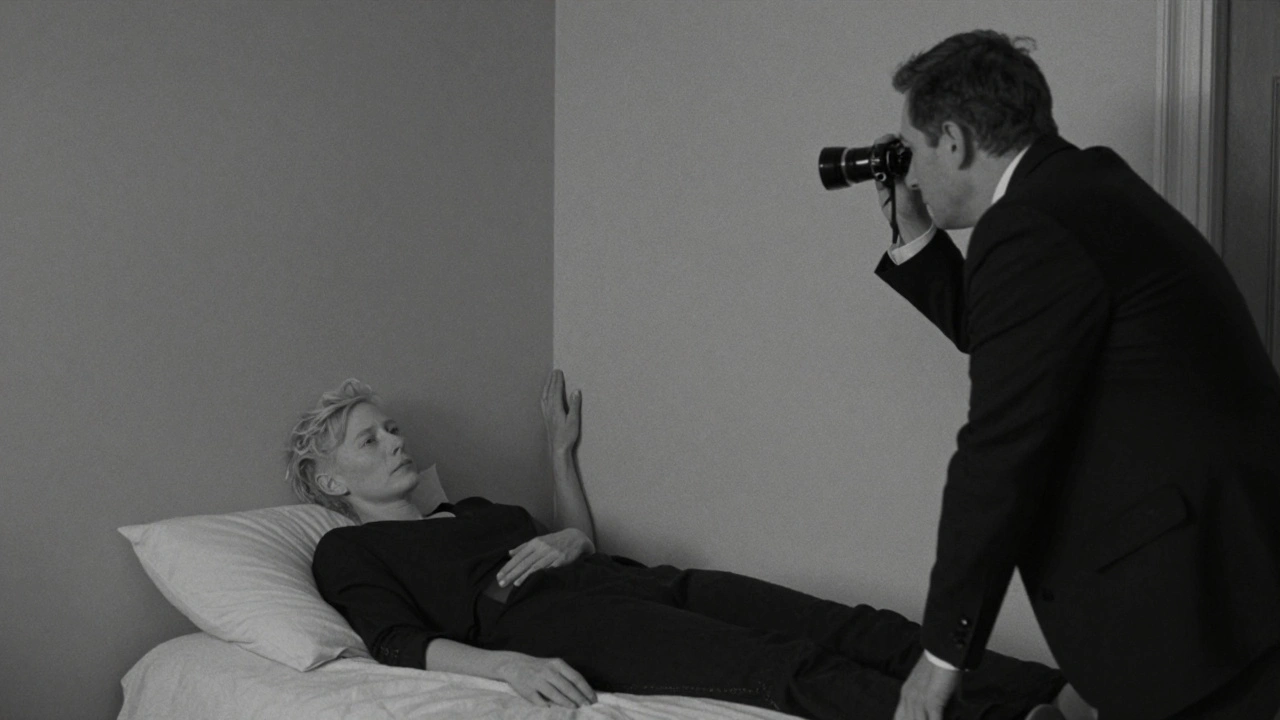
- Yorgos Lanthimos (Greece) & Tilda Swinton (Scotland) - Their third collaboration, The Quiet Room, is a surreal family drama shot entirely in black and white. Swinton, who’s worked with Lanthimos since The Lobster, calls their partnership "a silent language of glances."
- Lee Chang-dong (South Korea) & Adrien Brody (USA) - Brody, known for intense performances, took a rare supporting role in The River’s Edge. Lee insisted Brody live with a fishing family in Busan for three months before filming. The result? A performance that feels like a memory, not an acting job.
- Matteo Garrone (Italy) & Cynthia Erivo (USA) - Their historical drama Whispers of Naples is set in 1920s Sicily. Erivo learned Neapolitan dialect phonetically. Garrone recorded her speaking it in her sleep. He says it was the first time he’s ever seen an actor become the place they’re portraying.
How These Collaborations Change the Story
When a director and actor come from different cultural backgrounds, the story doesn’t just get translated-it transforms. A Japanese director might focus on absence, on what’s left unsaid. A Brazilian actor might bring physicality rooted in samba rhythms, even if the scene is about grief. These differences don’t clash. They layer.
Take Midnight in Kyoto again. Lottin’s character is a man who lost his daughter. In the script, he was supposed to scream in one scene. Tanaka asked him to do something quieter. "Just sit," she said. "Let the silence speak." Lottin sat for 17 minutes while the camera rolled. The final cut uses only 47 seconds of that take. The silence carries more than any dialogue ever could.
This is why these collaborations are changing how films are written. Scripts now include notes like: "Let the actor’s background inform the rhythm of this scene." Or: "Do not translate the emotion-let it live in the body."
What This Means for the Future of Film
The next generation of filmmakers isn’t waiting for permission. They’re building networks across borders. A Nigerian cinematographer might connect with a Polish sound designer on Instagram. A Colombian screenwriter might meet a Swedish actor at a film lab in Lisbon. These relationships start online, grow through shared meals, and solidify on set.
Major studios still push for English-only leads. But audiences aren’t buying it anymore. In 2025, 78% of viewers under 30 said they’d rather watch a film with authentic cultural details than one with a famous Hollywood star. That’s not a trend. That’s a revolution.
And it’s not just about box office numbers. It’s about truth. When a director and actor share a creative language that’s not tied to one country, the film becomes something bigger. It becomes a bridge. A shared breath. A moment where two worlds, without needing to explain themselves, just understand each other.
How to Spot a Genuine Collaboration
Not every international pairing is meaningful. Here’s how to tell the difference:
- They spent time together before filming - Not just a Zoom call. A week in a village. A shared meal. A long walk.
- The script was rewritten together - Look for interviews where both mention changing lines or scenes. If only the director talks about it, it’s probably not a true partnership.
- The actor didn’t need a dialect coach - If they learned the language themselves, or brought their own cultural rhythm to the role, that’s a sign of deep investment.
- They’ve worked together before - True collaborations often repeat. Look for actors who return to the same director across multiple films, even if the genres change.
- The film doesn’t feel "exotic" - If the setting feels like a backdrop for Western storytelling, it’s not a collaboration. It’s a costume.
These are the markers of real creative trust. And they’re becoming more visible as audiences learn to read between the frames.
What’s Next?
By 2027, we’ll likely see the first film where the director and lead actor are from three different continents, and the entire script was written in three languages simultaneously. Already, production companies are hiring multilingual script supervisors who don’t translate-they mediate.
The future of cinema isn’t about globalizing stories. It’s about honoring their differences. The best films of this decade aren’t made to be understood by everyone. They’re made to be felt by those who show up with open hearts-and open ears.



Comments(9)