Quick Takeaways for Filmmakers
- Theatrical: Best for prestige, awards eligibility, and high-impact niche events.
- Broadcast: Ideal for reaching older demographics and established institutional trust.
- Streaming: The gold standard for reach, data tracking, and global accessibility.
- Hybrid: The modern way to maximize both revenue and prestige.
The High Stakes of Theatrical Distribution
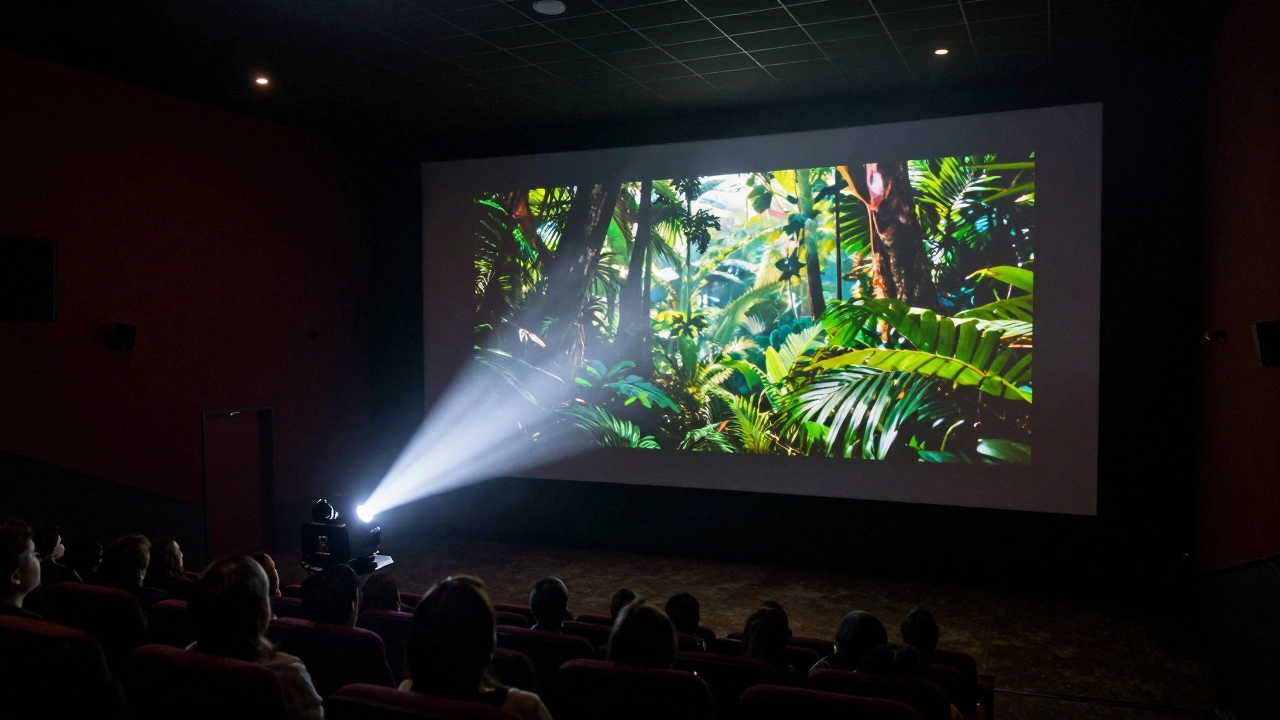
Going to cinema isn't just about ticket sales-it's about the 'event' factor. When you put a film on a big screen, you're telling the world that this story is important enough to demand an hour of undivided attention in a dark room. For a documentary release strategy, this often starts with a festival run.
If you land at Sundance or SXSW, you aren't just screening a movie; you're pitching to buyers. A theatrical window-the period where a film is exclusively in theaters-can create a scarcity that drives demand for later streaming releases. For example, a limited release in New York and LA can qualify a film for the Academy Awards, which instantly increases the film's value to streamers like Netflix or Apple TV+.
But be careful. Traditional theatrical distribution is expensive. You have to deal with "virtual cinema" bookings or the brutal math of P&A (Prints and Advertising). If you don't have a massive marketing budget, a wide release is a suicide mission. Instead, consider an "impact campaign"-screening the film at universities, community centers, or museums where the audience is already invested in your topic.
The Steady Reach of Broadcast Media
You might think Broadcast Television is a relic, but it's still a powerhouse for specific types of documentaries. Public broadcasters like PBS in the US or the BBC in the UK provide a level of institutional credibility that a TikTok clip or a random VOD upload can't touch.
Broadcast is where you go when your documentary is educational, historical, or civic-minded. The audience here is often older, more loyal, and more likely to donate to a cause associated with the film. Unlike streaming, where users scroll past your thumbnail in three seconds, broadcast viewers often commit to a scheduled time, leading to higher completion rates.
The trade-off is control. Broadcast networks often demand "broadcast edits," which might mean cutting your 90-minute masterpiece down to 44 minutes to make room for commercials. You're trading artistic purity for massive, curated reach.
| Feature | Theatrical | Broadcast | Streaming (SVOD) |
|---|---|---|---|
| Primary Goal | Prestige/Awards | Trust/Wide Reach | Scale/Data |
| Audience Control | High (Curated) | Medium (Network) | Low (Algorithm) |
| Revenue Model | Ticket Splits | Licensing Fees | Buyout or Royalties |
| Entry Barrier | Very High | High | Medium |
The Streaming Revolution: SVOD vs. AVOD
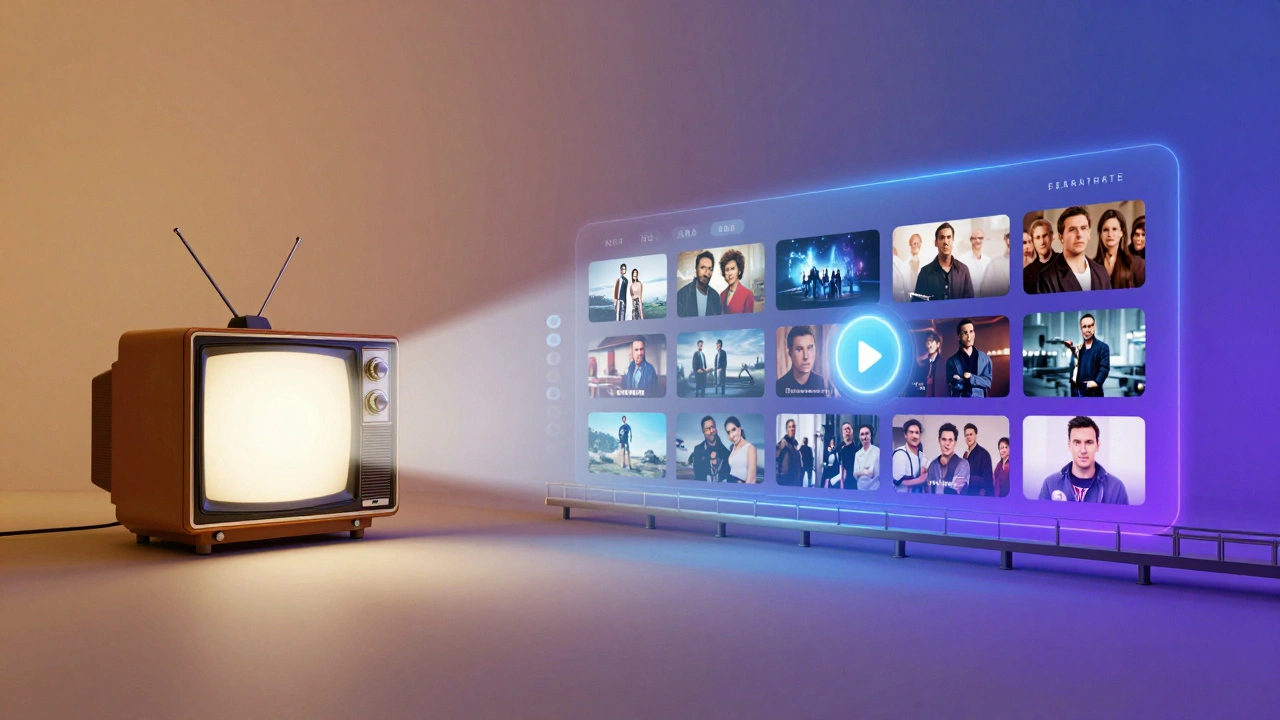
Most documentaries today land on Streaming Platforms. But not all streaming is the same. You have SVOD (Subscription Video on Demand), where users pay a monthly fee (think Netflix or Disney+), and AVOD (Ad-supported Video on Demand), like Tubi or Freevee.
An SVOD deal is usually a "buyout." A platform pays you a flat fee for the exclusive rights for a set number of years. This is great for recouping your budget immediately. However, you lose the upside if the film becomes a global hit. You're essentially selling your house rather than renting it out.
AVOD is the opposite. It's often less prestigious, but it allows for a "long tail" of revenue. Your film stays available for free, and you earn a slice of the ad revenue. For a niche documentary about, say, vintage clock restoration, AVOD might actually be more profitable over ten years than a small one-time buyout from a niche streamer.
Then there is TVOD (Transactional Video on Demand), where people rent the film on Amazon or Apple. This is the most "pure" way to see if people actually value your work-will they pay $4.99 to watch it? This is often used as a bridge between a theatrical run and a wider streaming launch.
Designing a Hybrid Release Strategy
The smartest filmmakers in 2026 aren't picking one; they're layering them. This is called a "windowing" strategy. By staggering the release, you can monetize the same piece of content multiple times.
Start with a prestigious festival run to build buzz. Move to a limited theatrical window to create a sense of exclusivity and hunt for awards. Then, launch on TVOD for a month so the most eager fans can pay to see it. Finally, sell the rights to a major SVOD platform for the mass audience.
Wait, what about the "Direct-to-Consumer" (DTC) route? With platforms like Vimeo OTT, some directors are bypassing middlemen entirely. If you have a built-in community-say, you're a famous YouTuber or a known activist-selling the film directly to your fans can net you 90% of the revenue instead of the 20-30% you might see through a distributor.
Common Pitfalls in Distribution
The biggest mistake is signing a "Life of Copyright" deal. Some distributors will offer you a large sum of money upfront in exchange for owning your film forever. Don't do it. Media landscapes change. In ten years, the platform you signed with might be dead, but your film will still have value. Always push for a license term (e.g., 5 to 7 years) so the rights eventually revert to you.
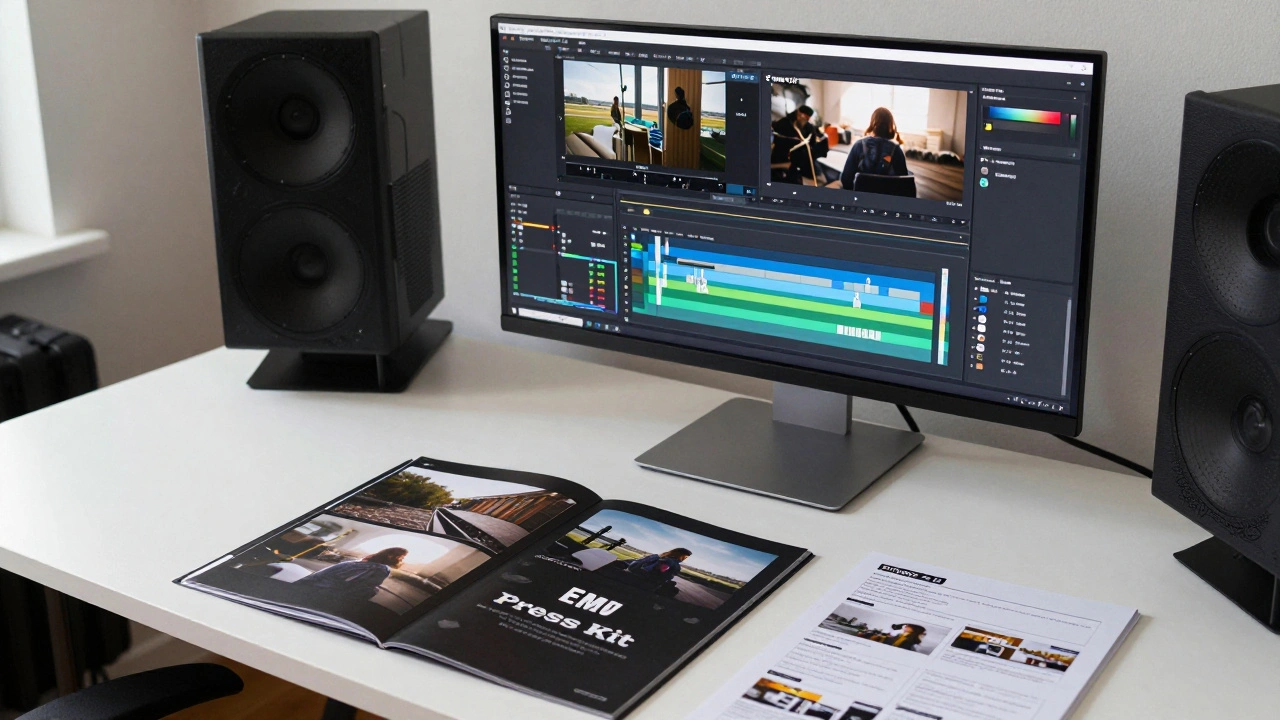
Another trap is ignoring the "deliverables." A streaming service doesn't just want your movie; they want a specific set of files: a clean version without text, a separate audio stem for music, and highly specific closed-captioning files (SCC or VTT). If you haven't budgeted for a professional delivery service, you'll find yourself spending thousands of dollars in post-production just to get the film accepted by the platform's quality control (QC) team.
What is a "windowing" strategy in documentary releases?
Windowing is the practice of releasing a film in sequential stages to maximize revenue. Typically, it moves from the most exclusive/expensive experience (theaters) to more accessible ones (TVOD, then SVOD, then AVOD). This allows the filmmaker to capture different audience segments and price points over time.
Do I need a distributor to get my documentary on Netflix?
Generally, yes. Netflix and other major SVOD platforms rarely deal directly with independent filmmakers. They work with "aggregators" or sales agents who handle the legal paperwork, quality control, and technical delivery of the film.
Is a theatrical release still worth it for a small documentary?
Yes, but not for the money. The value is in the prestige, the potential for critical reviews in major publications, and eligibility for awards. A theatrical run creates a "brand" for the film that makes it more attractive to streaming buyers later on.
What is the difference between SVOD and AVOD?
SVOD (Subscription Video on Demand) requires a monthly subscription fee (e.g., Netflix), while AVOD (Advertising Video on Demand) is free for the viewer but supported by commercials (e.g., Tubi). SVOD usually offers higher upfront payments for filmmakers, while AVOD provides long-term residual income via ad-share.
How do I handle the legal side of distribution?
You must ensure you have "all-rights cleared." This means you have written permission (sync licenses) for every piece of music and every stock clip used. Without a full chain of title, no major broadcaster or streamer will touch your film due to the risk of copyright lawsuits.
Next Steps for Your Project
If you're in the final edit, start by creating a "Press Kit" (EPK). This includes high-res stills, a compelling trailer, and a one-page synopsis. You can't sell a film without a visual identity.
For those with a limited budget, look into "impact producers." These are professionals who specialize in getting your film into the hands of policymakers or specific communities. Sometimes, a screening at a government hearing or a major conference does more for your career than a mediocre placement on a streaming site.
Finally, decide on your priority: Is it money, fame, or impact? If it's money, go for the SVOD buyout. If it's fame, hunt for a top-tier festival and a theatrical run. If it's impact, focus on a hybrid of broadcast and community screenings.



Comments(10)