The Spark and the Blueprint
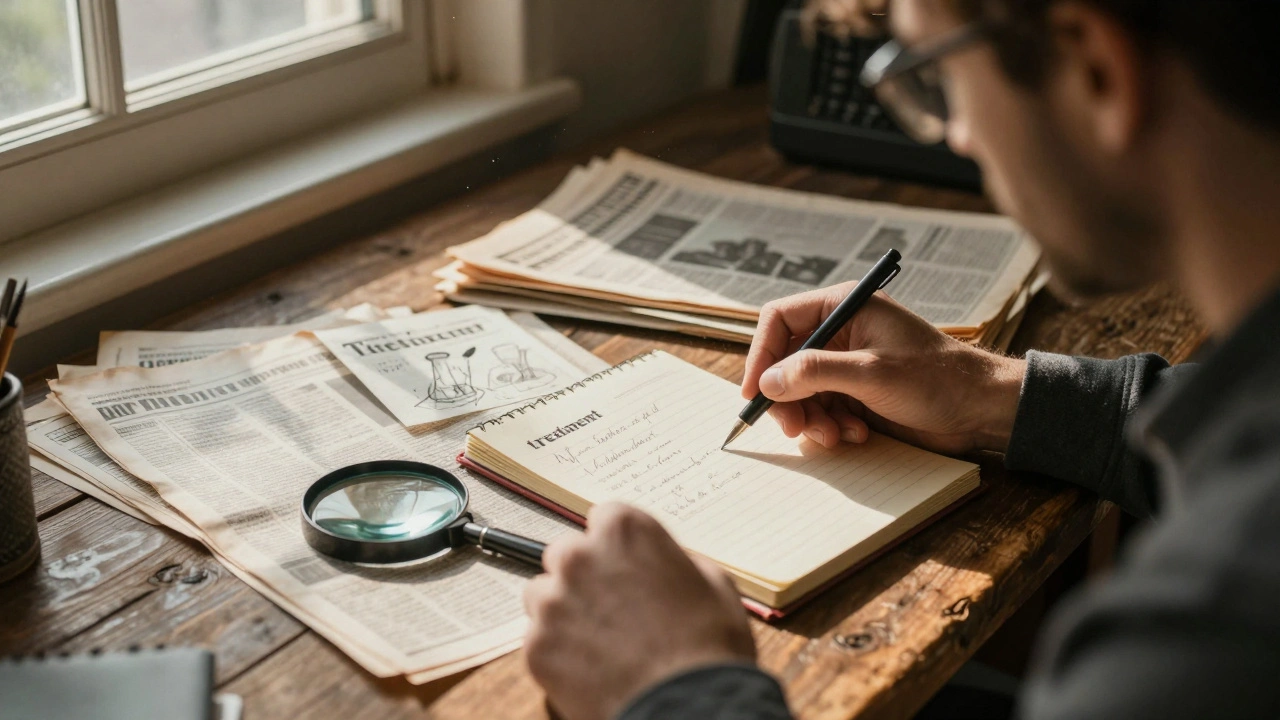
Every project starts with a premise. But a premise isn't a story. Saying "I want to make a film about climate change" is a topic, not a movie. To move forward, you need a specific angle. Maybe you follow one farmer in Nebraska fighting a drought, or you track the life of a single plastic bottle. This is where you develop your treatment-a written document that describes the visual style, the key characters, and the emotional arc you expect. Before you even touch a camera, you have to do the legwork. This means spending weeks, or even months, researching your subject. If you're filming a historical piece, you'll dive into archives and old newspapers. If it's a character study, you spend time with your subject without a camera running. Why? Because if you start filming immediately, your subjects will be stiff and performative. You need them to forget the lens is there. One common mistake beginners make is ignoring the "story circle." Even though it's a documentary, the audience still needs a beginning, a middle, and an end. Who is the protagonist? What do they want? What is stopping them? If you can't answer these questions during the pre-production phase, you'll likely end up with a collection of interesting clips that don't actually lead anywhere.Gathering the Raw Material
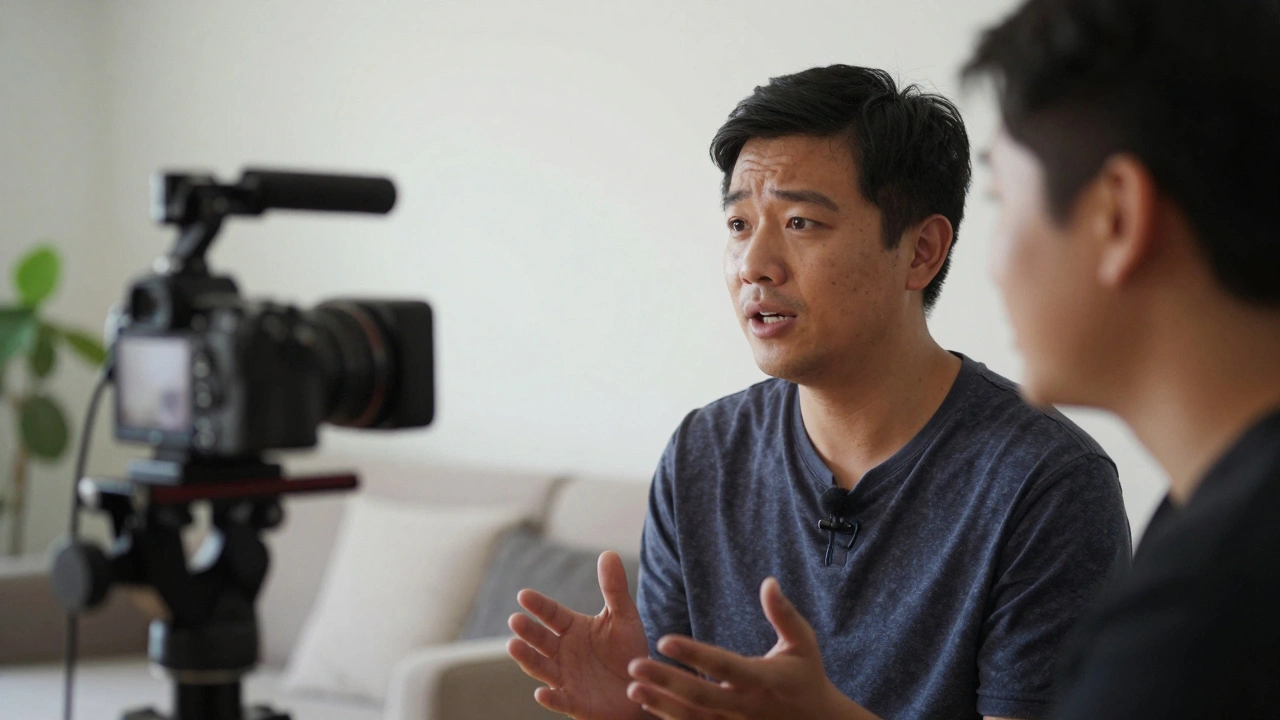
Once the plan is set, you enter production. This is where the documentary filmmaking process gets unpredictable. You might plan for a specific interview, only for the subject to tell you something completely unexpected that changes the entire direction of the film. This is called "emergent storytelling," and it's the heart of the genre. B-roll is supplemental or alternative footage intercut with the main shot. Think of it as the visual evidence. If a subject talks about their childhood home, you don't just stay on their face for three minutes; you show old photos, slow pans of the neighborhood, or close-ups of old toys. Without strong B-roll, your movie is just a series of talking heads, which is a quick way to bore an audience. When it comes to gear, don't get bogged down in expensive kits. A high-quality mirrorless camera and a decent lavalier microphone are often better than a massive crew that intimidates your subjects. Sound is actually more important than picture. People will forgive a slightly grainy image, but they will turn off a movie instantly if the audio is peaky or drowned out by wind. Use a dedicated Digital Audio Recorder to ensure your interviews are crisp and clear.The Art of the Interview
Interviews are your primary tool for driving the narrative. The goal is to get the subject to tell the story in their own words, without you saying a word in the final cut. This means asking open-ended questions. Instead of asking "Were you sad when that happened?" which leads to a "Yes" or "No," ask "How did that moment feel for you?" Professional documentarians often use the "listen and pause" technique. After a subject finishes speaking, wait five seconds before asking the next question. Often, the subject will fill that silence with a deeper, more emotional reflection-this is where the real gold is found.| Style | Approach | Director's Role | Key Example |
|---|---|---|---|
| Observational | Fly-on-the-wall | Invisible observer | Cinéma Vérité |
| Participatory | Interaction-based | Active character | Louis Theroux films |
| Expository | Informational/Direct | The "Voice of God" | Nature documentaries |
| Performative | Emotional/Subjective | Expressive guide | Experimental essays |
Finding the Story in the Edit
If production is where you gather the clay, post-production is where you sculpt the statue. Most documentary filmmakers find that their original treatment is completely wrong once they see the footage. This is normal. The edit is where the real writing happens. Non-Linear Editing (NLE) is the process of editing video clips in a non-sequential order using software like Adobe Premiere Pro or DaVinci Resolve. This allows editors to move segments around, test different narrative structures, and refine the pacing. The first pass is usually the "assembly cut"-a giant, bloated version of the film that includes every single usable clip. It's often twice as long as the final movie and can be painfully slow to watch. From the assembly cut, you move to the "rough cut." This is where you start killing your darlings. You remove the repetitive interviews and tighten the gaps between scenes. You're looking for the emotional core. If a scene doesn't move the plot forward or reveal something new about a character, it has to go, no matter how beautiful the shot is. Finally, you reach the "fine cut," where every frame is polished, and the timing of the music is perfected.Polishing the Final Product
Once the cut is locked, you move into the technical polish. This starts with Color Grading. This isn't just about making the image look "pretty"; it's about psychology. A cold, blue tint can make a scene feel lonely or clinical, while warm, golden tones suggest nostalgia or comfort. Consistency is key here; you don't want your interview subject's skin tone to change between shots. Sound design is the unsung hero of documentary film. Beyond the dialogue, you need a layer of ambient sound-the hum of a city, the wind in the trees-to make the world feel three-dimensional. Music should support the emotion, not dictate it. Avoid over-using "melodramatic" scores that tell the audience how to feel. Instead, use music to bridge the gap between scenes or to highlight a specific mood. Finally, there is the legal hurdle. You cannot simply use a popular song or a clip from a news broadcast without permission. This is where Clearance comes in. You must secure the rights to every piece of third-party media used in the film. If you can't afford a license for a famous song, look for high-quality royalty-free libraries or hire a composer to create something original.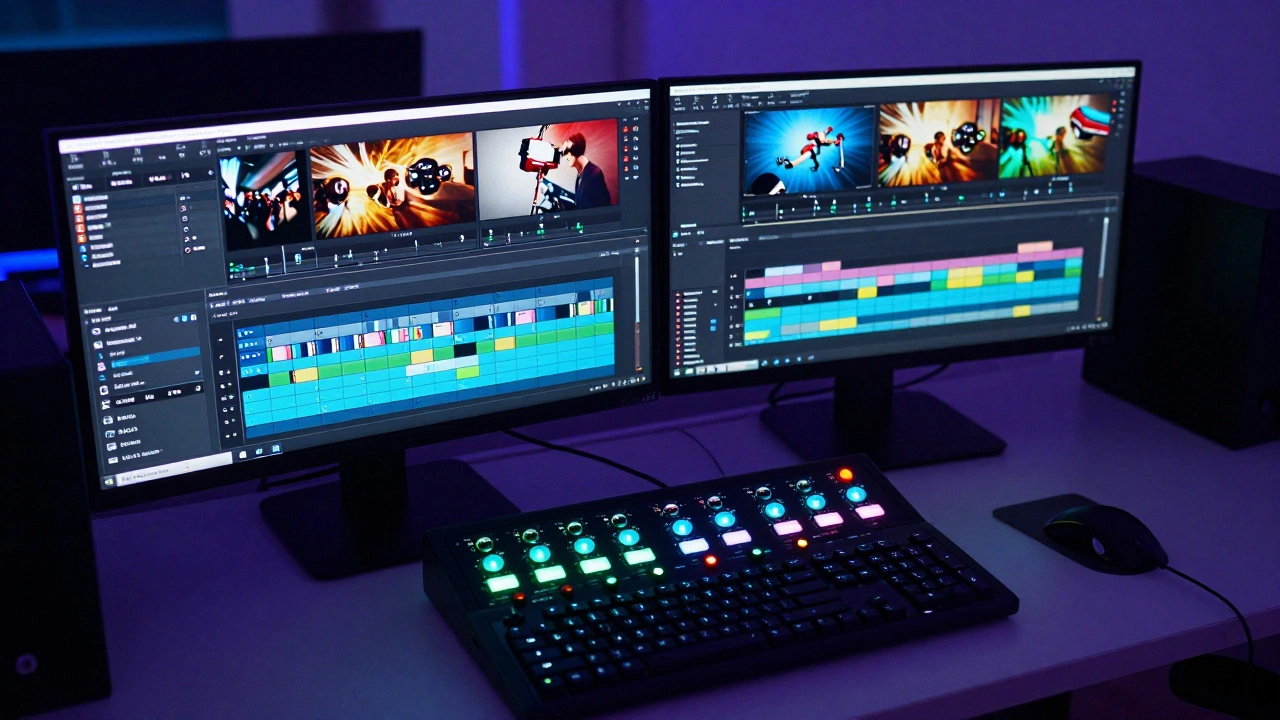
Distribution and the Audience
A film isn't finished until it's seen. In the modern era, you have a choice: the traditional festival route or the direct-to-consumer path. Film festivals like Sundance or IDFA provide prestige and a chance to be picked up by a distributor like Netflix or HBO. However, getting into these festivals is incredibly competitive. Alternatively, many filmmakers are opting for a hybrid approach. They release a shorter version of the film on YouTube or Vimeo to build an audience and then offer the full-length feature via a paid platform or a crowdfunding campaign. The key is to have a marketing plan that starts *during* production, not after the film is finished. Document your process on social media, share "behind the scenes" clips, and build a community of people who are invested in the subject before the premiere.Do I need a big budget to start a documentary?
No. Many award-winning documentaries started with a single camera and a determined filmmaker. The most critical investments are a reliable microphone and a computer capable of handling video editing. The "story" is the most valuable currency in documentary film, not the gear.
How do I find subjects who are willing to be filmed?
Build trust first. Don't lead with the camera; lead with a conversation. Explain your vision, why their voice matters, and how you plan to protect them (if necessary). Often, people are more willing to participate if they feel a genuine connection to the filmmaker and the goal of the project.
What is the difference between a documentary and a journalistic report?
While both deal with facts, a journalistic report focuses on the "who, what, when, and where" for immediate information. A documentary focuses on the "why" and the emotional journey, using cinematic techniques (lighting, pacing, music) to create a narrative experience rather than just delivering news.
How long does the editing process actually take?
It varies wildly, but for a feature-length film, it's common for the edit to take 6 to 18 months. You have to sift through potentially hundreds of hours of footage to find a few hours of a cohesive story. It's a grueling process of trial and error.
Can I use a smartphone to film a professional documentary?
Yes, absolutely. Modern smartphones have incredible sensors. The secret is using a tripod for stability and an external microphone for audio. Many journalists and indie filmmakers use iPhones for "run-and-gun" style documentaries where speed and discretion are more important than cinematic depth of field.


Comments(6)