There is a distinct electricity in the air when a documentary premieres. It isn't just about entertainment; it’s about witnessing reality, often raw and unfiltered, projected onto a massive screen for an audience that hangs on every word. For filmmakers, critics, and cinephiles who believe that truth is stranger-and more compelling-than fiction, the world of documentary film festivals is the ultimate destination. These events are not merely parties with red carpets; they are vital ecosystems where nonfiction stories find their voice, secure distribution, and spark global conversations.
If you are planning to attend, submit a film, or simply want to understand where the pulse of nonfiction cinema beats strongest, knowing which festivals matter is crucial. The landscape is vast, but a handful of events define the genre. Let’s look at the top stages where reality takes center stage.
The Heavyweights: Where Careers Are Made
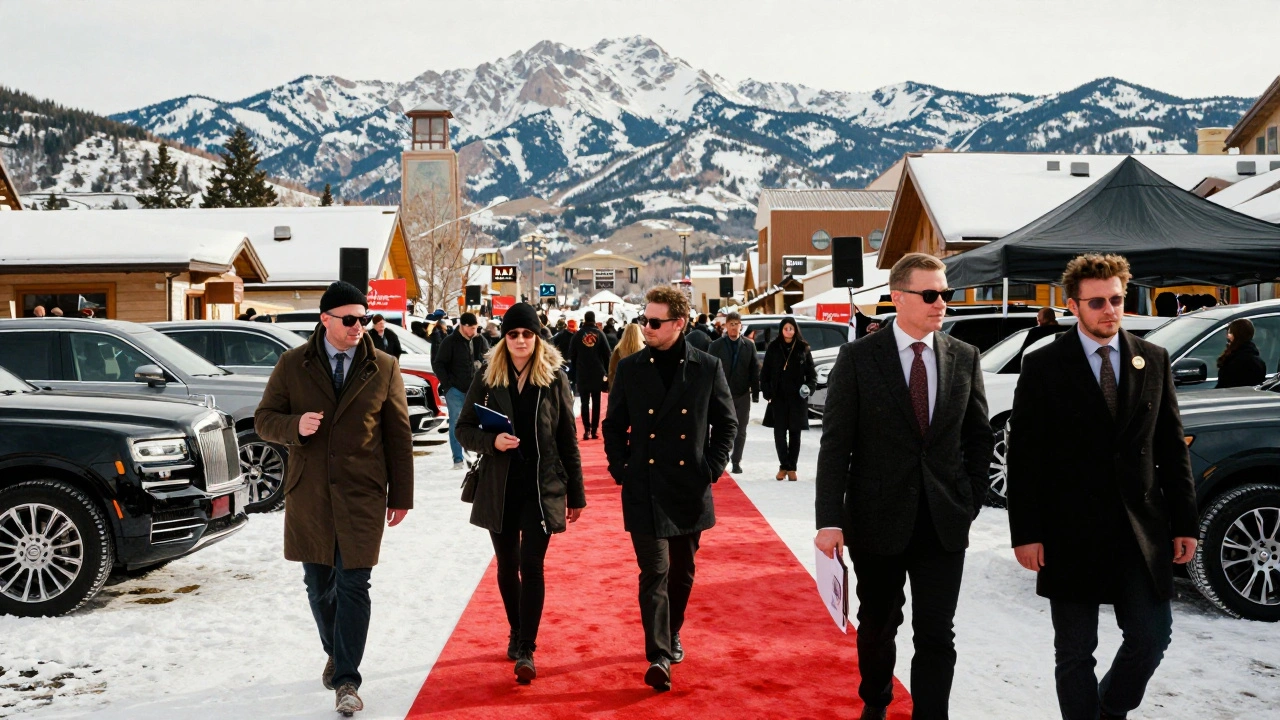
At the summit of the documentary world sits one name that needs no introduction: Sundance Film Festival is an annual independent film festival held in Park City, Utah, known for launching major careers and acquiring high-profile documentaries. Since its inception in 1978, Sundance has become the gold standard for indie filmmaking. But it is particularly dominant in the documentary category. Winning or even screening at Sundance can catapult a film from obscurity to a multi-million dollar distribution deal almost overnight. Think of hits like An Inconvenient Truth or The Fog of War; both found their footing here.
For many filmmakers, Sundance is the "big leap." The competition is fierce, with thousands of submissions vying for a few slots. If your goal is maximum visibility and industry buzz, this is the place to be. However, the pressure is immense. The environment is fast-paced, crowded, and intensely competitive. You aren't just competing against other films; you're competing for the attention of distributors who are juggling dozens of titles simultaneously.
The Global Powerhouses: International Perspectives
While Sundance dominates the North American conversation, Europe hosts some of the most respected documentary festivals in the world. Leading the charge is IDFA (International Documentary Film Festival Amsterdam), which is the world's largest and most prestigious documentary-only festival, held annually in Amsterdam, Netherlands. IDFA is unique because it focuses exclusively on nonfiction. This singular focus allows for a deeper exploration of the medium. It attracts a highly international crowd, offering a platform for voices from continents often underrepresented in Hollywood-centric circuits.
IDFA is not just about showing films; it’s about education and community. The festival includes extensive workshops, masterclasses, and market opportunities. For European filmmakers, especially those from smaller nations, IDFA is often the gateway to international co-productions and funding. The atmosphere is intellectual yet accessible, fostering genuine dialogue between creators and audiences.
Another key player in Europe is DOK Leipzig, located in Germany. As one of the oldest documentary festivals globally, it carries significant historical weight. It balances artistic innovation with social responsibility, making it a critical hub for politically charged and socially conscious cinema.
The Curated Gems: Quality Over Quantity
Not every filmmaker wants-or needs-the chaos of Sundance or the scale of IDFA. Some prefer festivals known for their meticulous curation and intimate atmospheres. One such standout is True/False Film Festival, held in Columbia, Missouri. This event has carved out a niche as a haven for innovative, experimental, and boundary-pushing nonfiction.
True/False is famous for its rigorous selection process and its commitment to showcasing films that challenge traditional narrative structures. It’s less about blockbuster potential and more about artistic merit and creative risk-taking. Filmmakers who feel constrained by conventional storytelling often find a welcoming home here. The festival also emphasizes networking, with informal gatherings that allow directors to connect deeply with peers and programmers.
Similarly, Hot Docs Canadian International Documentary Festival in Toronto is a powerhouse that blends commercial viability with artistic integrity. It is one of the largest documentary festivals in North America and serves as a crucial market for Canadian and international films. Hot Docs is known for its diverse programming, ranging from hard-hitting investigative pieces to whimsical animated essays.
| Festival | Location | Primary Focus | Best For |
|---|---|---|---|
| Sundance | Park City, USA | Industry Buzz & Distribution | Films seeking major deals |
| IDFA | Amsterdam, Netherlands | Global Diversity & Education | International co-productions |
| True/False | Columbia, USA | Experimental & Innovative | Artistic risk-takers |
| Hot Docs | Toronto, Canada | Commercial & Artistic Balance | North American market access |
Niche and Regional Champions
Beyond the global giants, regional festivals play a pivotal role in supporting local stories and emerging talent. SxSW (South by Southwest) in Austin, Texas, while known for music and tech, has a robust documentary program that highlights technology, culture, and interactive media.
Then there is BFI London Film Festival, which offers a broad spectrum of cinema but dedicates significant space to impactful documentaries. Its location in a major cultural capital provides excellent press coverage and audience engagement.
In Asia, Busan International Film Festival in South Korea has increasingly recognized the power of documentary storytelling, hosting dedicated sections that showcase Asian perspectives on global issues.

How to Choose the Right Festival
Selecting the right festival depends on your goals. Are you looking for a distribution deal? Prioritize Sundance, Hot Docs, or IDFA. Do you want critical acclaim and artistic recognition? Consider True/False or DOK Leipzig. Is your film region-specific? Look for strong local or national festivals that resonate with your subject matter.
Research past lineups. See which festivals have screened films similar to yours. Check submission deadlines, fees, and requirements. Many festivals offer early-bird discounts, so plan ahead. Also, consider the audience. A film about climate change might find a passionate, engaged crowd at a festival with a strong environmental track record.
The Future of Nonfiction Cinema
The documentary landscape is evolving. Streaming platforms are investing heavily in original nonfiction content, changing how festivals operate. Hybrid models, combining in-person screenings with virtual components, are becoming common. This shift expands accessibility, allowing global audiences to participate without traveling.
However, the core value remains unchanged: the human connection. Nothing replaces the shared experience of watching a powerful story unfold in a dark room with strangers who become temporary companions. Festivals foster this connection, creating communities around truth, empathy, and understanding.
What is the best documentary film festival for beginners?
For first-time filmmakers, festivals like True/False or regional events are often more approachable than Sundance. They offer supportive environments, valuable feedback, and lower submission fees. Starting smaller helps build credibility and connections before aiming for the biggest stages.
When do documentary film festivals usually take place?
Most major festivals run between January and October. Sundance is in January, IDFA in November, and Hot Docs in April. Planning your submission strategy around these dates is essential, as deadlines typically fall 6-9 months prior.
Do I need a completed film to submit?
Yes, most major festivals require a finished or nearly finished film. Some may accept work-in-progress screenings for specific programs, but for main competition slots, a complete edit is standard.
How much does it cost to submit to a documentary festival?
Submission fees vary widely, from $20 to over $100 per festival. Early-bird rates are cheaper, while late fees can be significantly higher. Budget accordingly if you plan to submit to multiple events.
Can I attend a documentary festival if I'm not a filmmaker?
Absolutely. Most festivals welcome general audiences. Buying a pass allows you to watch screenings, attend Q&As, and engage with the community. It’s a fantastic way to discover new stories and support independent cinema.