
Before 2020, if you wanted to see a new movie in theaters, you had to wait. Sometimes weeks. Sometimes months. Studios planned releases like clockwork: exclusive theatrical runs, then a slow trickle to DVD, then cable, then streaming. That model didn’t just feel outdated-it was breaking. Then came the pandemic, and with it, a radical experiment: day-and-date releases. For the first time, major films hit theaters and streaming platforms on the same day. What started as a crisis workaround became a permanent shift in how movies reach audiences.
What Is a Day-and-Date Release?
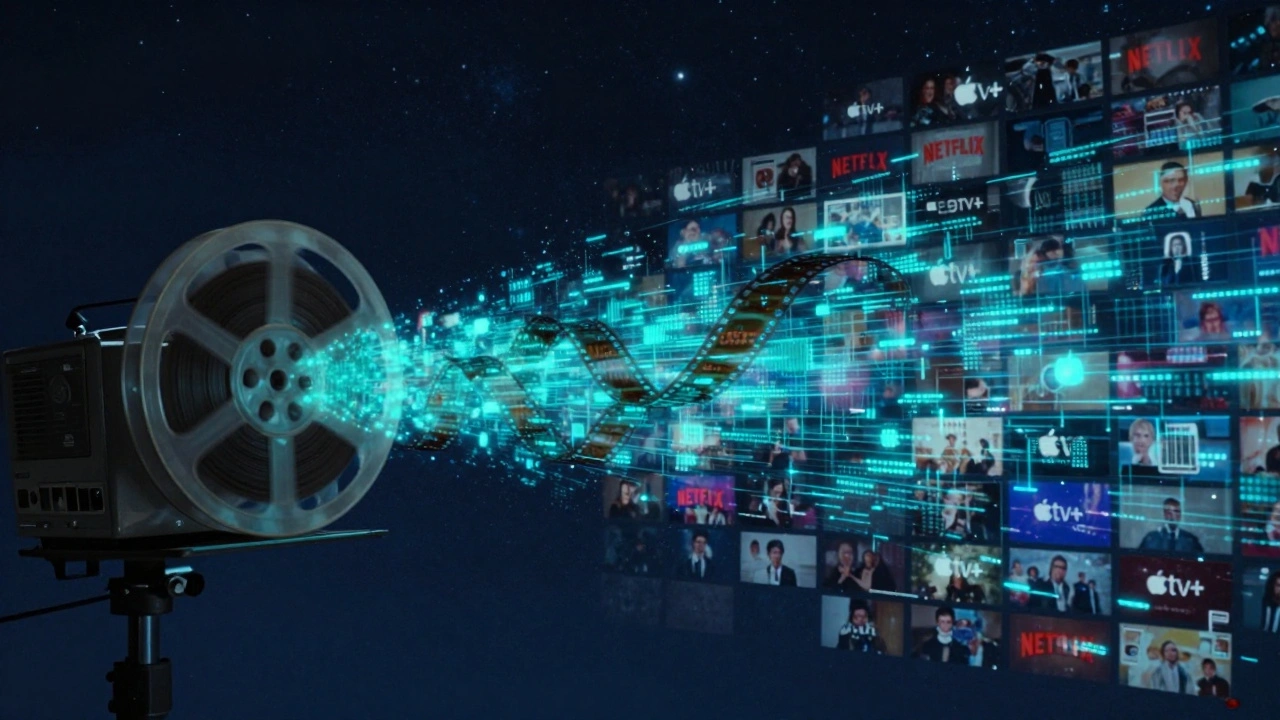
A day-and-date release means a movie opens in movie theaters and becomes available to stream on a digital platform-like Netflix, HBO Max, or Apple TV+-on the exact same day. No waiting. No exclusivity window. No delay. It’s the same film, same time, different screens.
This wasn’t always common. Before 2020, the theatrical window was sacred. Studios insisted on 90 days, sometimes longer, between a film’s theater debut and its home release. That window protected box office revenue. It gave theaters leverage. It gave studios time to build buzz through word-of-mouth and reviews.
Then, in 2020, everything changed. With theaters shuttered, Universal Pictures made a bold move: they released Trolls World Tour on PVOD (premium video on demand) the same day it was supposed to hit theaters. It made $100 million in three weeks. That was more than most films made in theaters during that period. Studios took notice. The old rules were no longer working.
Why Studios Made the Switch
It wasn’t just about survival. It was about money-and control.
Before day-and-date, studios had to rely on theaters to sell tickets, promote films, and collect revenue. They split the box office take-usually 50/50, sometimes worse. But with streaming, they kept a much larger cut. A $20 rental on Apple TV+? The studio might get $15. A $30 purchase on Amazon? They could keep $20 or more. That’s a big difference from the $5-$7 a studio makes per ticket sold.
Also, streaming gave studios direct access to viewers. No more guessing who showed up. No more relying on theater chains to report numbers. They knew exactly how many people watched, where they lived, and what they watched next. That data is gold.
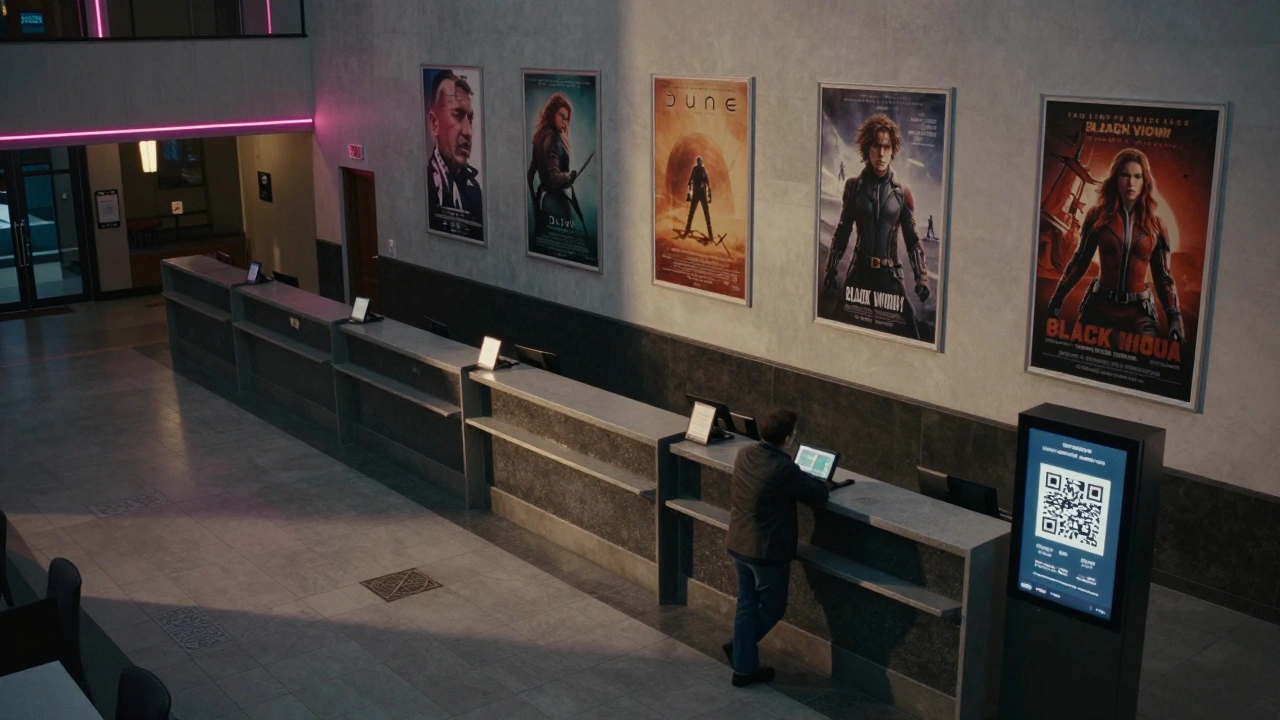
By 2021, Warner Bros. made headlines by releasing its entire 2021 slate-Dune, The Matrix Resurrections, Godzilla vs. Kong-on HBO Max on day-and-date. Even Disney did it with Cruella and Black Widow. The message was clear: if you can’t sell tickets in theaters, sell access directly.
How Theaters Reacted
Theater chains didn’t take this lying down. AMC, Regal, and Cinemark threatened to ban films from their screens if studios released them day-and-date. AMC even went so far as to ban Universal films for over a year after the Trolls World Tour deal.
But the math didn’t favor theaters. Attendance was down 60% from pre-pandemic levels. People weren’t coming back the way they used to. Families didn’t want to sit in crowded theaters. Older audiences stayed home. Gen Z didn’t see the point of paying $18 for popcorn and a movie when they could stream it in sweatpants.
By 2023, most major theater chains quietly accepted the new reality. They started negotiating shorter windows-45 days instead of 90. Some even partnered with streamers. AMC now offers a subscription bundle with Epix. Regal lets you buy tickets online and get a free streaming rental code. Theaters aren’t dead-they’re adapting.
The Audience Didn’t Just Accept It-They Preferred It
People didn’t just watch day-and-date films because they had to. They chose them because they liked it.
Surveys from 2024 show that 68% of U.S. moviegoers now prefer streaming a new film on the same day it hits theaters. Why? Convenience. Control. No babysitters. No parking. No lines. No pressure to sit through a 2-hour movie in silence.
Parents with young kids? They stream. People with mobility issues? They stream. Busy professionals? They stream. Even young adults who used to treat theaters like social events now often wait for the stream. Why? Because they can pause it. Rewind it. Watch it with friends on Zoom.
And the numbers back it up. In 2023, over 40% of all new film revenue came from digital sales and rentals-not theaters. That’s up from 12% in 2019. Theaters still make money, but they’re no longer the main source.
What This Means for Filmmakers
Directors and writers didn’t sign up for this. Many still believe movies are meant to be seen on a big screen with an audience. Christopher Nolan famously called day-and-date releases a “disaster” for cinema. He refused to let Oppenheimer go day-and-date. It worked-Oppenheimer made $960 million worldwide, mostly in theaters.
But not every film is Oppenheimer. Most movies don’t have that kind of pull. For indie films, documentaries, or mid-budget dramas, day-and-date is a lifeline. A film that might have earned $500,000 in theaters can now earn $2 million across streaming platforms. That’s the difference between shutting down and making another movie.
Streaming also means more creative freedom. Studios are more willing to greenlight risky, unconventional films if they know they can reach audiences directly. Look at The Lost City or Everything Everywhere All at Once. Both had smaller theatrical runs but exploded on streaming. They found their audience-not just in cities, but in towns, suburbs, and rural areas where theaters barely exist.
The New Rules of Film Distribution
Today, day-and-date isn’t the exception. It’s the default for most non-blockbusters. The old 90-day window is gone. The new standard is 45 days-or none at all.
Here’s how it works now:
- Big-budget blockbusters (Spider-Man, Mission: Impossible) still get 45-60 day theatrical exclusives. Studios need the buzz, the hype, the social media moments.
- Mid-budget films (The Marvels, The Blackening) often go day-and-date or have 14-30 day windows.
- Indies, documentaries, and foreign films? Almost always day-and-date. No theater run needed.
Netflix, Amazon, and Apple don’t even bother with theaters anymore. They release everything day-and-date. Even Disney has shifted-Wish and The Marvels went to streaming after just 30 days.
What’s Next? The End of Theaters?
No. But theaters are becoming something else.
They’re no longer the only way to see a movie. They’re becoming experiences. Premium formats like IMAX, Dolby Cinema, and 4DX are thriving. People still go to see Barbie or Avatar in theaters-not just for the movie, but for the event. The smell of popcorn. The dark silence before the lights go down. The shared gasp when something shocking happens.
But for the rest? The majority of films? Streaming is now the primary platform. Theaters are the luxury option. Not the default.
And that’s okay. More films are being made than ever before. More voices are being heard. More stories are reaching audiences. The old system favored the biggest studios and the biggest cities. The new system? It’s messy, uneven, and wildly democratic.
Anyone with a camera, a story, and a streaming deal can now reach millions. That’s the real change.
Day-and-Date Isn’t Just a Strategy-It’s a Cultural Shift
Streaming didn’t just change how we watch movies. It changed what we expect from them.
We don’t want to wait. We don’t want to travel. We don’t want to pay extra for a seat. We want control. We want choice. We want to watch what we want, when we want, how we want.
Day-and-date releases didn’t kill the movie industry. They freed it. Theaters still matter. But they’re no longer the gatekeepers. The audience is. And that’s the biggest shift of all.
Are day-and-date releases still common in 2026?
Yes. Day-and-date releases are now the standard for most non-blockbuster films. Major studios still give big action or superhero movies 45-60 day theatrical windows, but everything else-indies, documentaries, comedies, dramas-goes straight to streaming on release day. Over 70% of new film releases in 2025 followed a day-and-date or shortened-window model.
Do theaters still make money with day-and-date releases?
Yes, but differently. Theaters now make most of their money from premium formats (IMAX, 4DX), concessions, and special events. Blockbusters still drive traffic, but the days of relying on every film to fill seats are over. Many theater chains now partner with streamers to offer bundled deals, turning their lobbies into marketing hubs for digital releases.
Why do some directors hate day-and-date releases?
Many directors, like Christopher Nolan and Denis Villeneuve, believe movies are an art form meant to be experienced in theaters. They argue that streaming fragments the experience-no big screen, no shared reactions, no immersion. They also worry that if every film goes straight to streaming, audiences will stop seeing theaters as special places. For them, it’s about preserving cinema as an event, not just content.
Can indie filmmakers still succeed without a theatrical run?
Absolutely. In fact, many indie films make more money on streaming than they ever could in theaters. A film that earns $200,000 in 20 theaters might earn $1.2 million across Apple TV+, Amazon, and Vudu in the same period. Streaming gives indie films global reach without the cost of prints, advertising, and theater bookings. Platforms like Sundance Now and MUBI also help niche films find their audiences.
Is day-and-date bad for box office revenue?
For big films, yes-sometimes. Black Widow made $183 million globally but lost an estimated $100 million in potential box office by going day-and-date on Disney+. But for most films, the box office was never the main source of revenue. Streaming fills the gap. Studios now measure success by total revenue across all platforms, not just theaters. A film that makes $50 million in theaters and $150 million in streaming is a win.



Comments(9)