
Remember the last time you heard a movie was dropping on Netflix or Prime Video the exact same day it hit theaters? It used to feel like a scandal. Now, in 2026, it’s just Tuesday for half the industry. The debate isn’t about whether day-and-date releases are happening-they are. The real question is what they’re doing to your wallet and the theater’s bottom line.
We’ve moved past the panic of 2020. The data from the last few years tells a messy, nuanced story. For some films, releasing on streaming simultaneously saved them from obscurity. For others, it cannibalized ticket sales that could have paid for the marketing campaign. If you’re trying to understand why your favorite blockbuster feels different this year, or why indie darlings seem to appear everywhere at once, you need to look at the numbers behind the strategy.
The Death of the Exclusive Window
For decades, Hollywood operated on a rigid timeline. A movie would play in theaters for 90 days-sometimes longer if it was a hit-before hitting DVD, then premium cable, and finally basic cable or streaming. This "theatrical window" was sacred. It gave cinemas a monopoly on new content, which justified the high price of tickets and concessions.
That model broke during the pandemic when studios were forced to pivot. But instead of reverting to the old ways, many decided to stay put. By 2024 and 2025, we saw a shift toward hybrid distribution, where a release strategy combining theatrical exhibition with immediate or near-immediate digital availability. This wasn't just about convenience; it was about risk management. Studios realized that waiting three months for a movie to make money on streaming was too slow in an attention economy dominated by TikTok trends and short-form video.
The result? The exclusive window shrank from 90 days to 17 days, or even zero days. This change fundamentally altered the value proposition of going to the cinema. You no longer go to see something *new*; you go to see something *big*. Small-to-mid-budget dramas and comedies increasingly skip the long run entirely, opting for day-and-date releases to maximize their total addressable market instantly.
What the Data Actually Says About Box Office
If you ask a theater owner, they’ll tell you day-and-date kills business. If you ask a streamer, they’ll say it boosts engagement. Who’s right? Both, depending on the genre.
Let’s look at the hard numbers. According to analysis from Comscore and MPAA reports leading into 2026, films released exclusively in theaters still generate significantly higher per-viewer revenue. A single ticket buyer spends roughly $35-$45 including concessions. That margin is impossible to match with a subscription fee that’s already paid. However, the volume of viewers on streaming dwarfs theatrical attendance.
For tentpole franchises-think Marvel, Star Wars, or Fast & Furious-the impact of day-and-date is minimal on opening weekend because fans want the IMAX experience. But for mid-budget films ($40M-$80M production budget), the impact is severe. A study of 2024 releases showed that mid-budget thrillers released day-and-date saw a 40% drop in second-weekend hold compared to exclusive theatrical releases. Why? Because the "event" status evaporates immediately. Once the movie is available at home, the urgency to buy a ticket vanishes.
| Release Type | Avg. Opening Weekend | Week 2 Drop-off | Total Revenue Source |
|---|---|---|---|
| Exclusive Theatrical | $25M - $50M | 45-55% | Tickets + Concessions |
| Day-and-Date (Streaming) | $8M - $15M | 65-75% | Subscriptions + Ads |
| Short Window (17 Days) | $20M - $40M | 50-60% | Tickets + Early Digital |
The key takeaway here is that day-and-date releases trade peak box office potential for broader reach and faster monetization. For a studio, getting a movie in front of 10 million people in week one via streaming might be more valuable than having 500,000 people pay $15 for a ticket, especially if those 10 million people renew their subscriptions because of it.

Who Wins and Who Loses?
This isn’t a zero-sum game where everyone loses or everyone wins. The winners and losers are clearly defined by their position in the supply chain.
Theaters lose leverage. Cinemas rely on exclusivity to drive foot traffic. When a movie is available at home, the only reason to go to the theater is the format-IMAX, Dolby Cinema, or large-format screens. For movies that don’t demand these formats (like romantic comedies or character-driven dramas), theaters become irrelevant. Many independent theater chains have struggled to survive this shift, relying heavily on art-house films that now often bypass them for direct-to-streaming deals.
Streamers gain content velocity. Platforms like Netflix, Amazon Prime, and Apple TV+ use day-and-date releases to keep their libraries fresh. In 2026, churn is the enemy. If a subscriber doesn’t see a new title every week, they cancel. Day-and-date ensures a constant drip of premium content without the delay of a traditional window. It also allows streamers to negotiate better licensing deals with studios, as they can promise immediate visibility rather than a delayed slot.
Filmmakers face a double-edged sword. On one hand, day-and-date means your movie gets seen by millions instantly. No more dying in third-run theaters after two weeks. On the other hand, cultural impact is harder to build. Watercooler moments happen less frequently when audiences consume content in isolation. Awards season buzz also suffers; critics and voters are less likely to champion a film that feels like background noise in a crowded streaming queue.
The Rise of Premium VOD as a Compromise
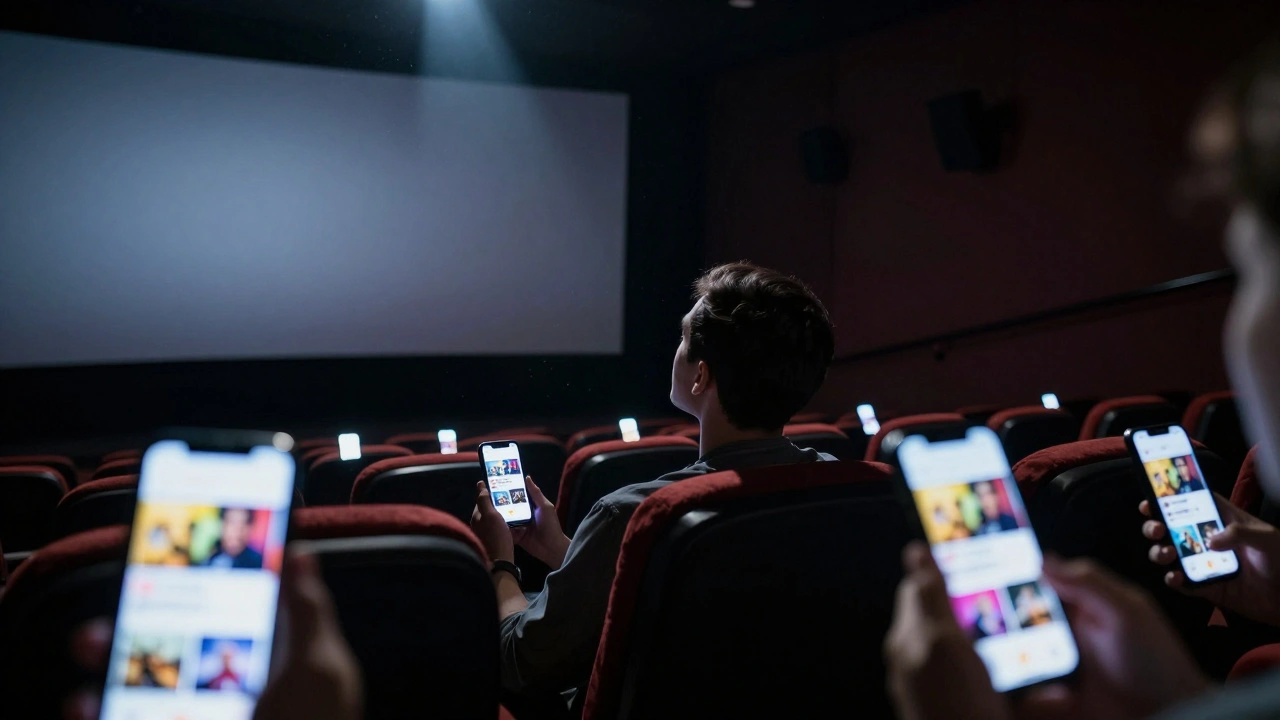
Not all day-and-date releases are free for subscribers. We’ve seen a rise in Premium Video on Demand (PVOD) hybrids, where a movie hits theaters and is available for rent on digital platforms for $19.99-$29.99 on the same day. This model, popularized by Disney+ and Warner Bros., attempts to capture both the theatrical enthusiast and the homebody willing to pay extra for early access.
In 2025, this model stabilized. Audiences accepted paying a premium for immediate access, but only for major franchise titles. For original IP, PVOD failed to gain traction because consumers weren’t willing to pay $20 for a movie they didn’t know existed. This suggests that day-and-date works best when there is pre-existing brand loyalty. If you’re a Star Wars fan, you’ll buy the ticket and maybe rent the digital copy for your kids. If it’s an unknown thriller, you’ll wait for it to drop into the standard subscription library.
How This Changes Movie Marketing
Marketing budgets have shifted dramatically. In the old model, trailers built anticipation over three months. Now, marketing cycles are compressed into weeks. Social media campaigns focus on immediate virality rather than long-term buildup. Studios spend heavily on influencer partnerships and targeted ads to drive first-weekend views, knowing that the movie’s lifespan will be shorter and more intense.
Also, the definition of a "hit" has changed. A movie that makes $50 million domestically might have been considered a flop in 2015. In 2026, if that movie drives 5 million new streaming sign-ups or retains 10 million existing ones, it’s a success. Studios are starting to report "total entertainment value" rather than just box office gross, though this metric is opaque and hard for consumers to verify.
What This Means for Your Next Movie Night
As a viewer, you have more power than ever. You can choose how you want to watch. But you also face decision fatigue. With so many options, the friction of choosing what to watch increases. Theaters are becoming destination experiences rather than default viewing spots. To justify the cost and effort of going out, movies need to offer something streaming cannot: scale, sound, and shared emotion.
If you love the cinematic experience, stick to big spectacles. Action, sci-fi, and horror still benefit from the big screen. For everything else, day-and-date releases mean you can wait for the reviews to settle, check if it’s trending on social media, and then decide if it’s worth the trip or if you’d rather pop popcorn at home. The era of mandatory theatrical runs is over. Welcome to the age of choice.
Do day-and-date releases hurt theaters permanently?
They hurt theaters' ability to show non-blockbuster films. Theaters are adapting by focusing on premium large formats (PLF) and hosting events, but the loss of exclusive windows for mid-budget films is a structural challenge that may not be fully reversible.
Why do studios choose day-and-date over exclusive theatrical?
Studios use day-and-date to mitigate financial risk. By releasing on streaming simultaneously, they ensure immediate revenue from subscriptions or rentals, reducing reliance on volatile box office performance. It also helps retain streaming subscribers.
Is the quality of movies affected by day-and-date releases?
Not necessarily. Quality depends on production values and creative direction, not distribution method. However, some argue that the pressure to produce content quickly for streaming can lead to rushed post-production, affecting final polish.
Will the theatrical window ever return to 90 days?
Unlikely for most films. Consumer habits have shifted toward instant access. While some unions and theater chains advocate for longer windows, the economic incentives for studios favor shorter or non-existent windows to maximize overall revenue streams.
How does day-and-date affect awards eligibility?
Awards bodies like the Academy have updated rules to allow streaming releases, provided there is a limited theatrical run. However, day-and-date releases sometimes face scrutiny regarding the "theatrical experience" criterion, potentially impacting voter perception.






Comments(6)