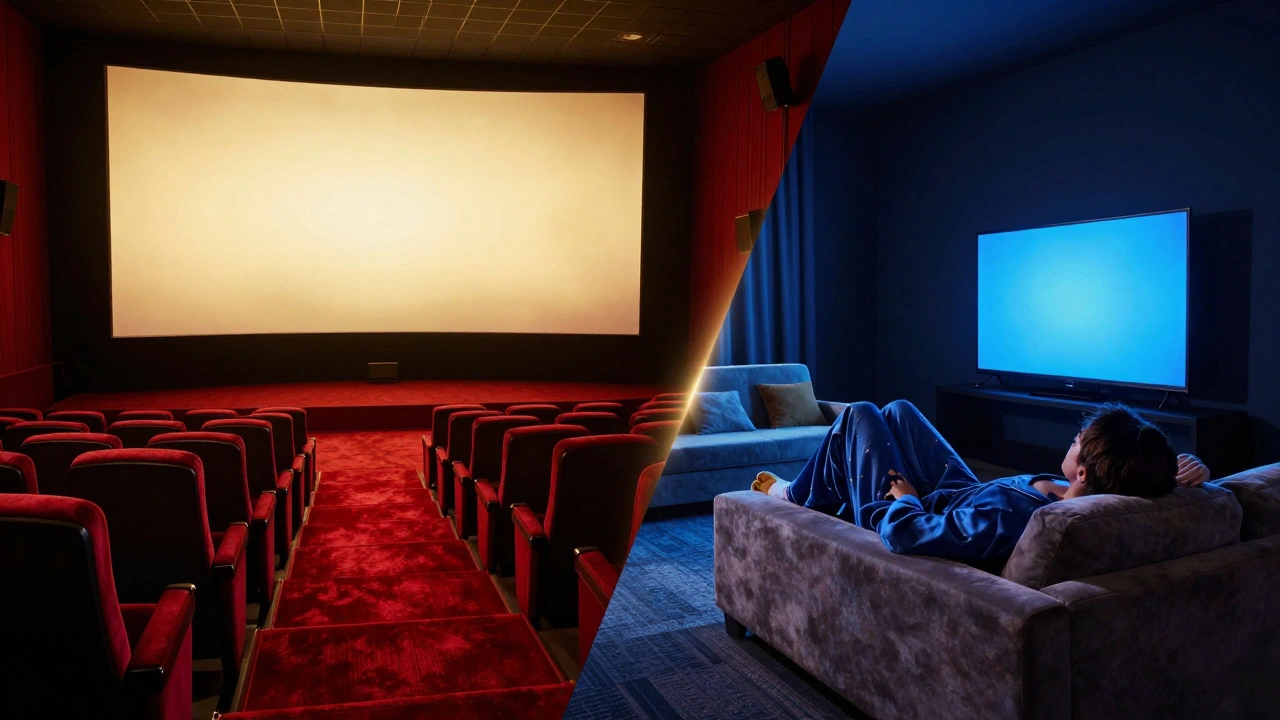
This isn't just a minor tweak in scheduling; it is a fundamental shift in how movies make money and how we consume stories. While it offers unmatched convenience for the viewer, it has sparked a civil war between studios and cinema owners. To understand where we are heading, we need to look at why this happened and who actually wins when the red carpet and the remote control are used on the same day.
Key Takeaways for Moviegoers and Industry Pros
- Instant Access: Viewers can choose their preferred environment without waiting months.
- Revenue Shift: Studios prioritize subscriber growth and digital sales over traditional box office slices.
- Theater Tension: Cinema chains often boycott films that don't offer an exclusive window.
- Marketing Efficiency: One giant marketing push serves both the theater and the app.
The Death of the Traditional Theatrical Window
For a long time, the movie industry operated on a linear timeline. A film would premiere in theaters, then move to "Premium VOD" (rental), then to Blu-ray/DVD, and finally to cable TV. This staggered approach maximized profit at every single stage. Theatrical Window is the period during which a movie is exhibited exclusively in cinemas before becoming available on other distribution platforms. Traditionally, this was a strict 90-day rule.
Everything shifted during the 2020 lockdowns. When theaters closed, studios like Warner Bros. is a major American film studio and distributor took a gamble by releasing their entire 2021 slate on their streaming service and in theaters simultaneously. They realized that while the box office numbers dipped, their subscriber acquisition skyrocketed. This proved that the 90-day window wasn't a law of nature-it was just a habit.
How Hybrid Distribution Actually Works
A Hybrid Distribution is a release strategy combining theatrical exhibition with simultaneous digital availability model isn't just "putting it on the web." It's a complex balancing act. Studios usually choose one of two paths: the "Premium Access" model or the "Subscription" model.
In the Premium Access path, the movie hits theaters and a streaming app, but you have to pay an extra fee (often $19.99 to $29.99) to watch it at home. This mimics the theater ticket price and helps the studio recoup costs. In the Subscription model, the movie is included in the monthly price of the service. This is a loss-leader strategy; the movie isn't there to make a direct profit, but to stop people from canceling their subscriptions.
| Model | Exclusivity | Primary Goal | User Cost |
|---|---|---|---|
| Traditional | High (90 Days) | Max Box Office Profit | Ticket Price |
| Day-and-Date | None | User Growth/Reach | Subscription/Rental |
| Short Window | Low (17-45 Days) | Balanced Revenue | Both |
The Conflict Between Studios and Exhibitors
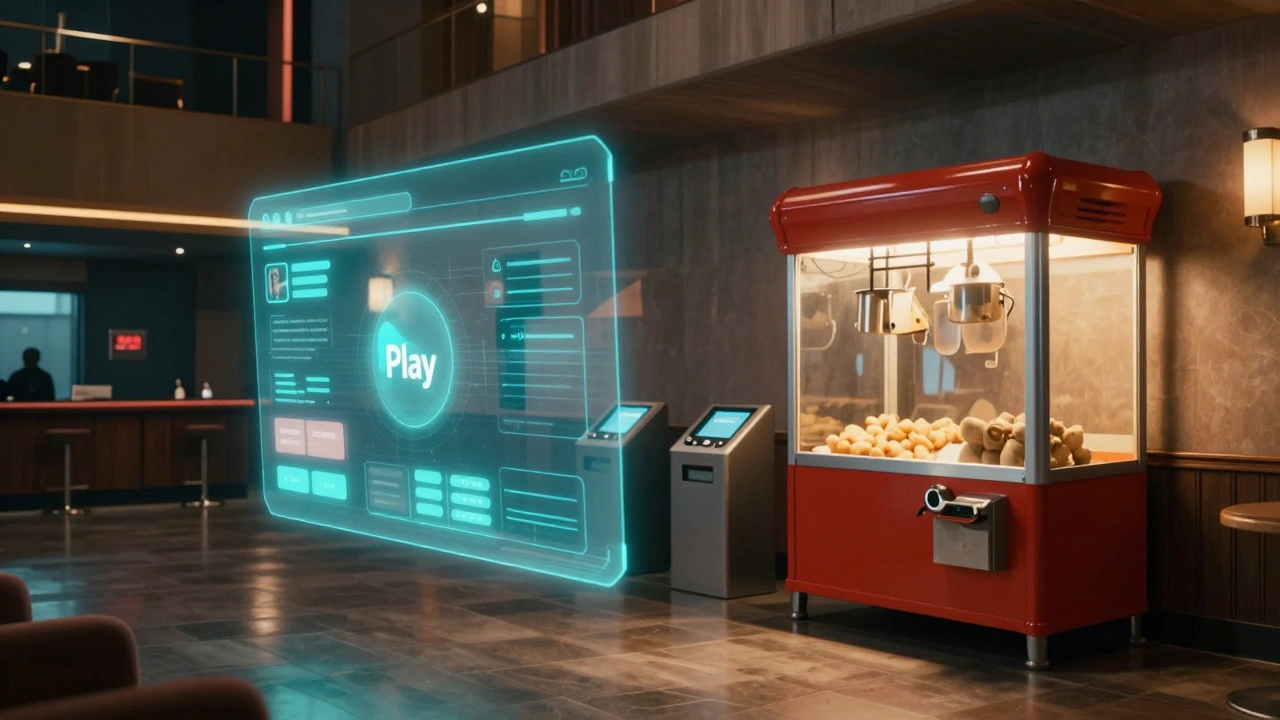
If you think the people running the theaters are happy about this, you're mistaken. Cinema chains like AMC Theatres is one of the largest movie theater chains in the world rely on the "event" nature of cinema. If a movie is available at home, the incentive to leave the house, buy expensive popcorn, and drive to a mall vanishes.
This led to a period of high tension where theaters threatened to refuse to screen movies that didn't have an exclusive window. Why would a theater dedicate a screen to a movie that is also available on Netflix is a global streaming service and production company? It's a bad business deal. However, studios have the upper hand because they own the content. We've seen a compromise emerge: the "17-day window." This gives theaters a brief period of exclusivity before the film moves to digital, blending the old world with the new.
The Impact on Movie Quality and Art
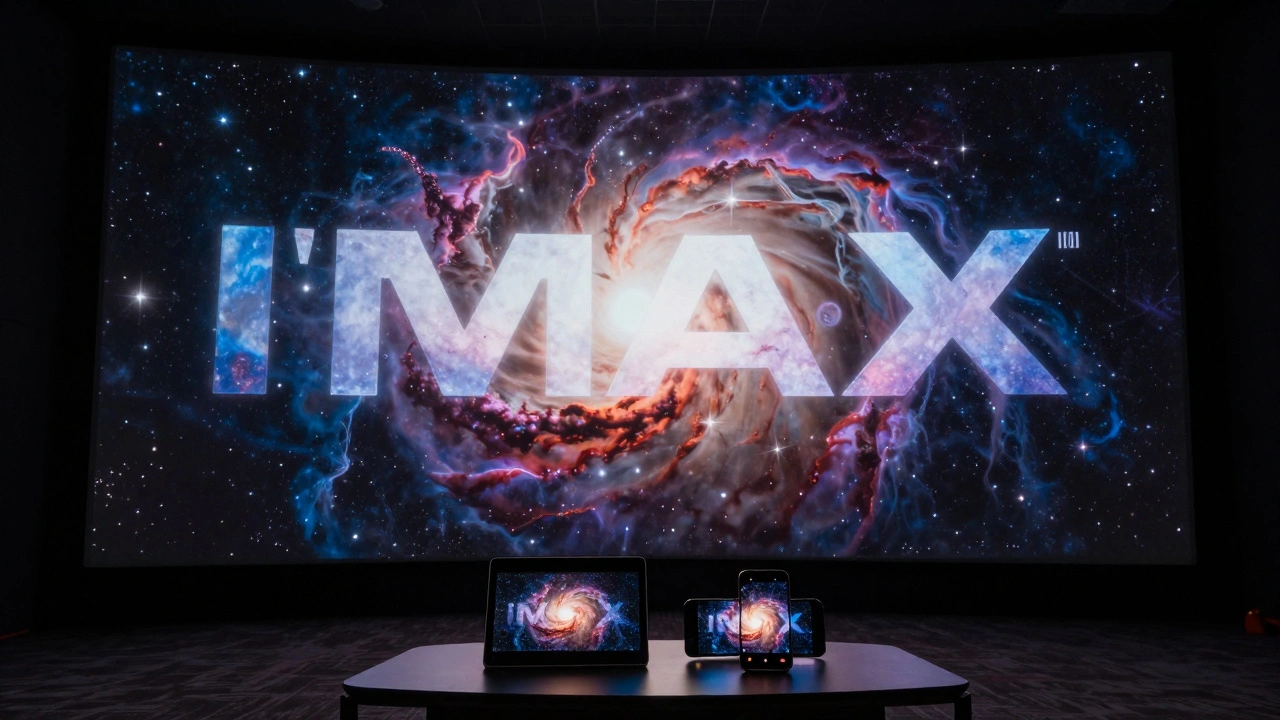
Does day-and-date release hurt the art itself? Some directors, like Christopher Nolan, have argued passionately that movies are made for the big screen. When a film is designed for IMAX, watching it on a 13-inch laptop screen is a diminished experience. There is a fear that studios will stop making "spectacle" films and instead create "content"-movies designed specifically to be consumed in small chunks on a couch.
On the flip side, this model is a godsend for indie filmmakers. Small movies often struggle to find a theater that will give them more than one screen for a week. With a hybrid approach, an indie film can have a limited theatrical run for prestige and awards eligibility, while reaching millions of viewers globally via a digital platform. It democratizes access to cinema, allowing niche stories to find their audience without needing a $100 million marketing budget.
The Role of SVOD and AVOD in the Equation
To understand the current landscape, we have to talk about the different types of streaming. SVOD is Subscription Video On Demand, where users pay a monthly fee for unlimited access is the primary driver of day-and-date releases. Services like Disney+ or Max use these releases to create "churn reduction"-keeping you subscribed so you don't miss the big premiere.
Then there is AVOD is Advertising-based Video On Demand, where content is free but supported by ads. While less common for day-and-date big budgets, AVOD is becoming a secondary window. A movie might go Day-and-Date on an SVOD platform, then move to an AVOD platform like Tubi or Freevee six months later. This maximizes the lifecycle of the film, squeezing value from every possible viewer segment.
Avoiding the Pitfalls of Hybrid Releases
For studios, day-and-date is a risky game. The biggest danger is piracy. The moment a high-quality 4K version of a movie hits a streaming service, it is ripped and uploaded to illegal sites. This effectively kills the theatrical run in international markets where piracy is more rampant. If a movie is "available' anywhere, the urgency to go to the cinema disappears.
Another pitfall is the "diluted event." When everyone knows the movie is at home, the social conversation around it changes. Instead of a collective experience of visiting the theater on opening weekend, it becomes a fragmented experience where people watch it over the course of a month. This can hurt the long-term cultural impact of a film.
What is a day-and-date release?
A day-and-date release is a distribution strategy where a movie premieres in cinemas and on a digital streaming platform on the exact same day. This removes the traditional waiting period (theatrical window) between the big screen and the home screen.
Why do studios use hybrid distribution?
Studios use this to drive subscriptions to their own streaming services, reach a wider global audience instantly, and reduce the cost of running two separate marketing campaigns for the theater and the home release.
Does day-and-date affect movie awards?
Yes. Some awards bodies, like the Academy Awards (Oscars), have historically had strict rules about theatrical runs to qualify for Best Picture. While these rules have loosened, a theatrical release is still often seen as a mark of prestige that helps a film gain award momentum.
Will movie theaters disappear because of this?
Unlikely. Theaters are pivoting toward "premium experiences"-like IMAX, ScreenX, and luxury dining-that you cannot replicate at home. The theater is becoming a luxury destination rather than the only place to see a new movie.
Is day-and-date better for the viewer?
In terms of convenience and price, yes. You save money on tickets and transport. However, you lose the immersive audio-visual experience and the social aspect of a cinema crowd.
What to Expect Next
The industry is settling into a "tiered" system. Massive blockbusters (like the next Avengers or Bond movie) will likely keep a 30 to 45-day exclusive window because they are designed for the big screen and can generate billions in tickets. Mid-budget dramas and comedies, however, will likely lean harder into day-and-date releases because they struggle to attract audiences to theaters in the first place.
If you are a fan of cinema, the best way to handle this is to be intentional. If a movie is a visual masterpiece, make the effort to see it in a theater. If it's a character-driven story that you'd prefer to watch in your pajamas, the hybrid model is your best friend. The choice is finally in the hands of the audience.


Comments(8)