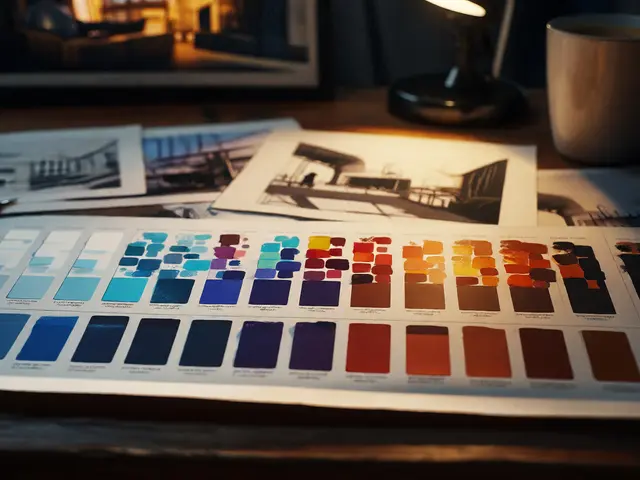
Most biographical documentaries follow a predictable script. We get the birth certificate, the early struggles, the breakthrough moment, and the final legacy. It’s safe, it’s clear, and it often feels like reading a Wikipedia page with better lighting. But what happens when you break that timeline? What if the subject is a painter who sees time as a loop, or a musician who communicates more through rhythm than words? This is where experimental portrait films step in. They don’t just tell you who the artist was; they show you how they saw the world.
These films trade chronological order for emotional resonance. Instead of listing facts, they use sound design, abstract imagery, and fragmented narratives to capture the essence of a creative mind. If you’ve ever felt that a standard documentary missed the soul of an artist, this genre is your answer. It’s less about history and more about psychology, rendered in moving images.
The Core Difference: Narrative vs. Experience
To understand why these films exist, you have to look at what traditional biopics do wrong for certain subjects. A linear story requires a cause-and-effect structure. Action A leads to Result B. But creativity isn’t always logical. Inspiration strikes randomly. Obsession can spiral without a clear trigger. Experimental portraits abandon the "what happened next" model in favor of "how did it feel."
- Temporal Freedom: Scenes may jump decades in seconds, mirroring memory rather than history.
- Sensory Priority: Sound and image often carry more weight than dialogue or narration.
- Subjectivity: The camera acts as the artist’s eye, not an objective observer.
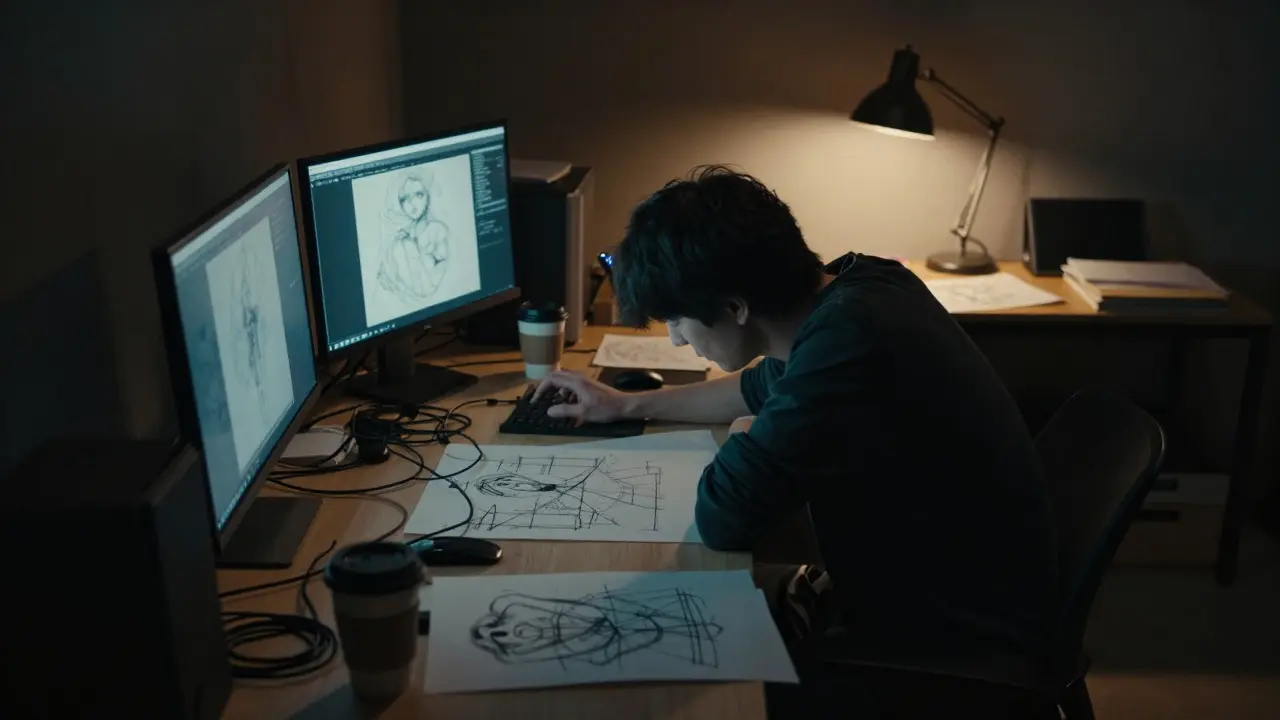
This approach works best for artists whose work defies easy categorization. Think of a filmmaker documenting another filmmaker. You aren't just showing their movies; you're showing the chaos behind the cut. You’re showing the coffee cups, the arguments, the moments of silence where the real work happens.
Key Techniques That Define the Genre
How do directors actually pull this off without making the film incomprehensible? It comes down to a few specific cinematic tools. These aren't just tricks; they are structural choices that change how you process information.
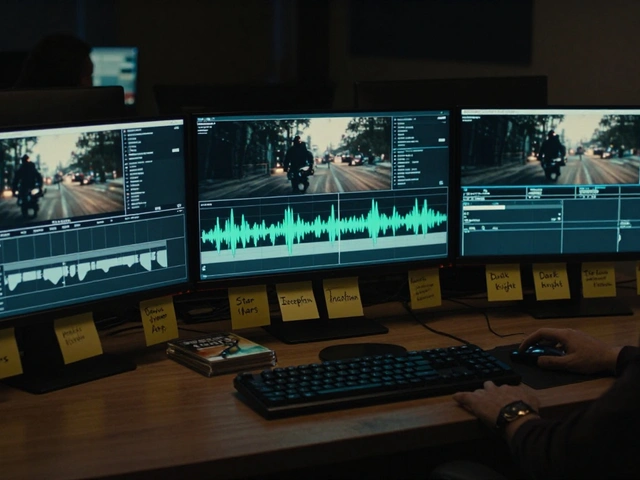
- Non-Linear Editing: The most obvious tool. By disrupting chronology, editors force the audience to find connections themselves. A shot of a childhood home might cut directly to a studio session twenty years later, implying a direct link between the two spaces.
- Found Footage Integration: Using archival clips from news broadcasts, personal VHS tapes, or other films creates a collage effect. It layers the public persona over the private self.
- Sound Design Over Dialogue: In many experimental portraits, music and ambient noise drive the scene. If the artist is a composer, the score *is* the narrative. If they are a sculptor, the sound of chisel on stone might replace voiceover entirely.
- Direct Address and Silence: Sometimes the artist speaks directly to the camera, but only in fragments. Other times, they are shown working in total silence. Both extremes highlight the gap between the person we know and the person we see.
Notice how none of these techniques require expensive equipment. They require intent. A handheld camera shaking slightly during an interview can convey anxiety better than any scripted line could.
Why Standard Biographies Fail Certain Artists
Not every artist fits into a three-act structure. Some live chaotic lives that resist neat packaging. Others are so reclusive that there simply isn't enough "event" data to build a traditional plot. For them, the experimental approach isn't just a stylistic choice; it's a necessity.
Consider the difference between documenting a politician and documenting a poet. A politician’s life is defined by public actions: speeches, votes, scandals. A poet’s life is defined by internal states: mood, obsession, perception. Trying to film a poet using political documentary methods results in a shallow profile. You miss the texture of their thinking.
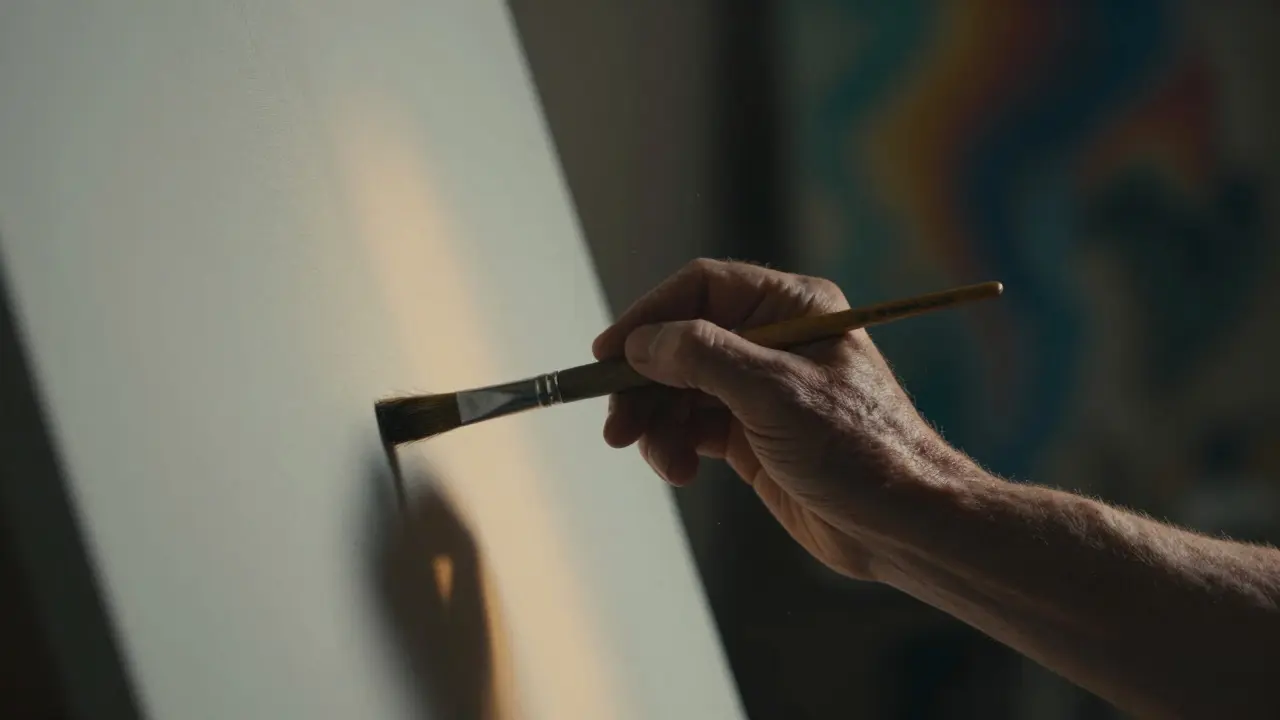
Experimental films solve this by focusing on the *process* rather than the *product*. Instead of showing us the finished painting, we watch the artist stare at a blank canvas for ten minutes. That boredom, that tension, is more revealing than the final artwork. It shows us the labor of creation, which is often invisible in polished biopics.
Case Studies in Abstract Biography
Let’s look at how this plays out in practice. While specific titles vary, the patterns remain consistent across successful experimental portraits.
| Element | Traditional Biography | Experimental Portrait |
|---|---|---|
| Structure | Chronological (Birth to Death) | Thematic or Associative |
| Primary Focus | Achievements and Events | Perspective and Process |
| Audio Strategy | Voiceover Narration + Interview Clips | Diegetic Sound, Music, Silence |
| Viewer Role | Passive Observer | Active Interpreter |
| Best Suited For | Public Figures with Clear Arcs | Abstract, Visual, or Reclusive Artists |
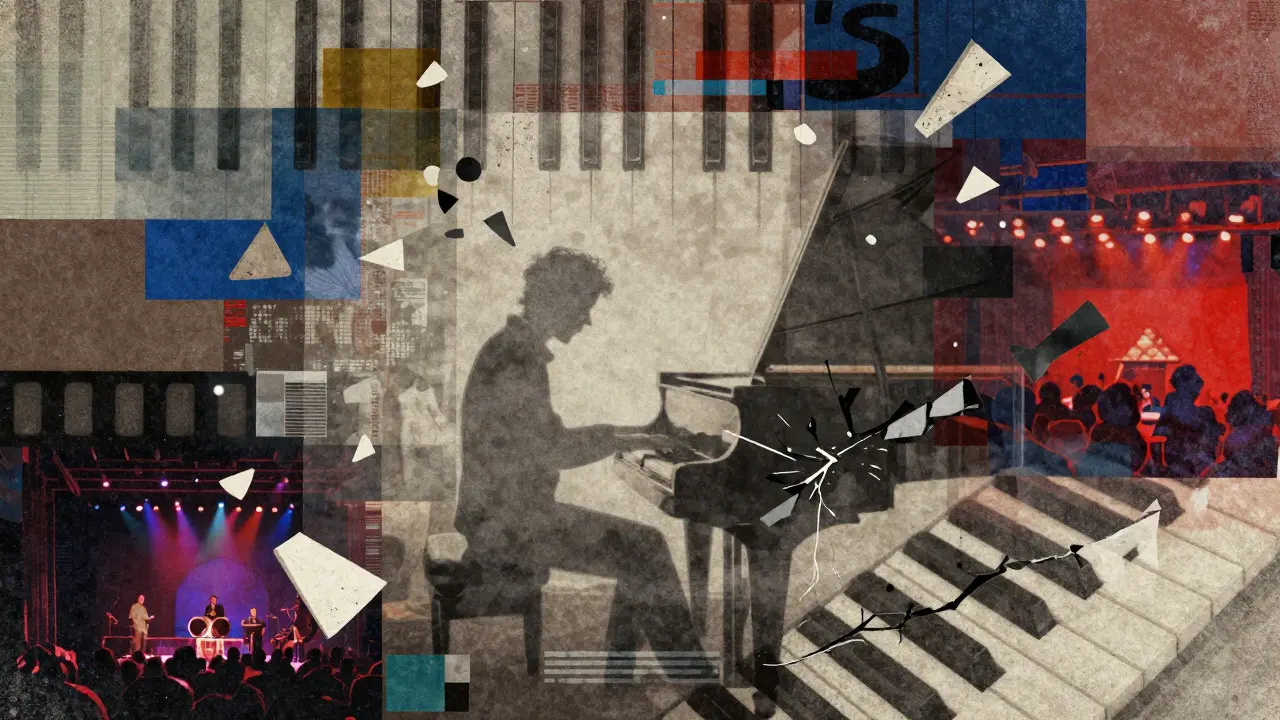
In a typical experimental piece, you might see a director intercutting footage of an aging jazz pianist with close-ups of cracked piano keys. There’s no explanation. No narrator tells you that the cracks represent his declining health or his enduring passion. You have to feel it. This ambiguity is the point. It invites you to project your own experiences onto the screen, creating a personal connection that a factual recitation never achieves.
Challenges for Filmmakers and Audiences
Is this style for everyone? Not really. Experimental portrait films demand patience from the viewer. Without a clear plot to hook you, you might lose interest if you’re expecting constant exposition. You have to be willing to sit with discomfort, silence, and repetition.
For filmmakers, the challenge is maintaining coherence. How do you keep a film about fragmentation from feeling random? The secret lies in recurring motifs. Maybe a specific color palette returns throughout the film. Maybe a particular sound effect marks every transition. These subtle anchors give the audience something to hold onto, even when the timeline dissolves.
Also, consider the source material. Finding high-quality archival footage can be a legal and logistical nightmare. Rights clearance for obscure clips from the 1970s can cost more than the entire production budget. Many experimental filmmakers mitigate this by relying heavily on newly shot footage of the artist’s current environment, using the past only as brief flashes or textures.
How to Approach Watching These Films
If you’re new to this genre, here’s a practical guide to getting the most out of it. Don’t try to memorize dates or names. Instead, focus on your emotional reaction.
- Watch the Eyes: In interviews, the eyes often reveal more than the mouth. Do they drift away when discussing success? Do they light up when talking about failure?
- Listen to the Gaps: Pause after each scene. What did you feel? Boredom? Tension? Joy? Your gut reaction is valid data.
- Accept Ambiguity: If you don’t understand a cut, let it go. It’s not a puzzle to be solved; it’s a mood to be absorbed.
- Contextualize Later: After the film ends, read a standard biography. Seeing the facts after experiencing the emotion gives you a complete picture.
This method turns viewing from a passive consumption task into an active analytical exercise. You become a co-creator of the meaning.
Frequently Asked Questions
What makes a portrait film "experimental"?
A portrait film is considered experimental when it departs from linear storytelling and objective observation. It typically uses non-chronological editing, heavy reliance on sound design, abstract imagery, or subjective camera angles to explore the inner life of the subject rather than just their external achievements.
Are experimental portrait films difficult to understand?
They can be challenging if you expect a traditional narrative. However, they are not necessarily confusing. The difficulty lies in interpreting emotional cues rather than following a plot. Most viewers find them rewarding once they stop looking for a "story" and start looking for a "feeling."
Which types of artists are best suited for this format?
Visual artists, musicians, poets, and avant-garde performers are ideal candidates. Their work is often abstract or process-oriented, which aligns well with non-linear filmmaking techniques. Public figures with highly structured careers, like politicians or corporate leaders, are usually better served by traditional documentaries.
Do I need prior knowledge of the artist to enjoy the film?
No, and often it’s better if you don’t. Prior knowledge can bias your interpretation. Watching without context allows you to experience the raw emotional impact of the visuals and sounds first. You can fill in the factual gaps afterward if you wish.
How does sound design contribute to the narrative?
In experimental portraits, sound often replaces dialogue. Ambient noises, musical compositions, and silences are used to dictate pacing and emotion. For example, a sudden shift from silence to loud industrial noise might signal a psychological break in the artist’s life, providing context without a single word being spoken.