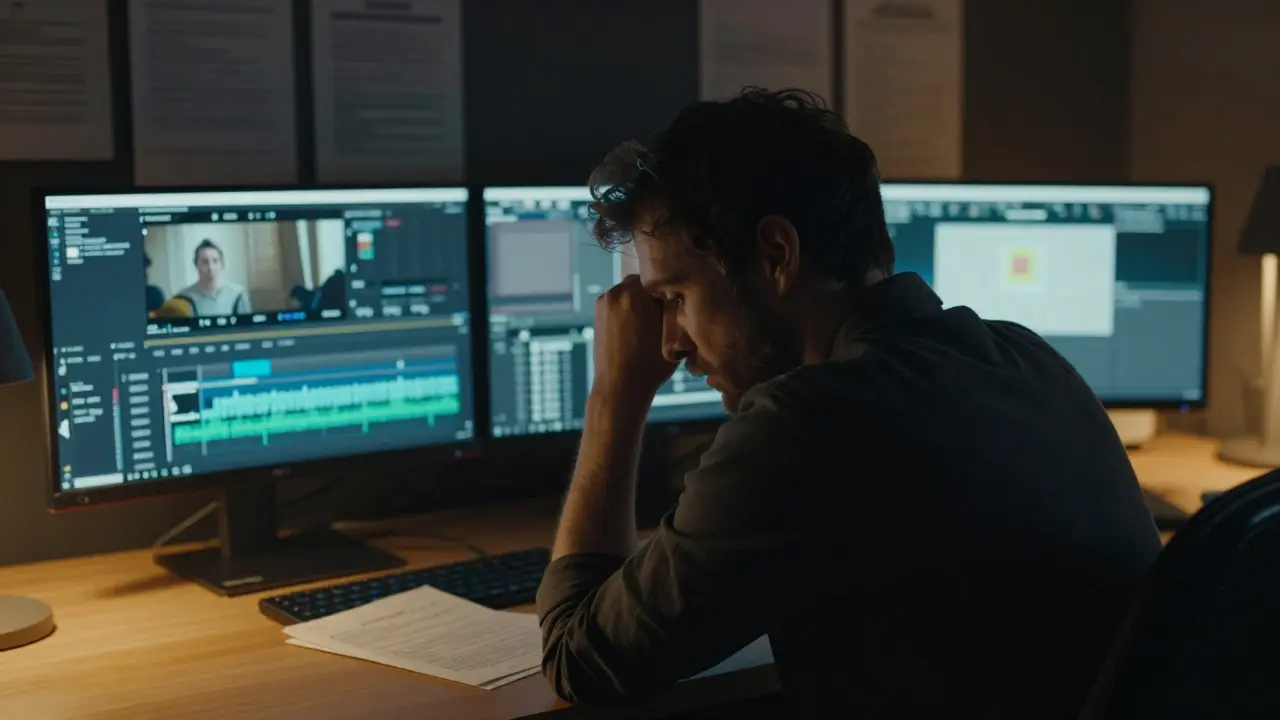
Imagine you've just cut the perfect scene. The visuals are sharp, the dialogue is tight, but something feels off. It’s missing that emotional punch that makes an audience forget they’re sitting in a dark theater. You want that specific track playing in the background, not a generic stock library file. But before you can hit export, you need to navigate one of the most complex legal mazes in Hollywood: music licensing.
For many filmmakers, this process feels like a black box. You hear terms like "sync rights" and "master use rights" thrown around by lawyers, and suddenly your budget looks terrifyingly small. The reality is less mysterious than it appears. Music licensing is simply the act of buying permission to use a song in visual media. It requires understanding two distinct copyrights, calculating fair value based on usage, and negotiating with people who have different goals than you do.
The Two Keys to Unlocking a Song
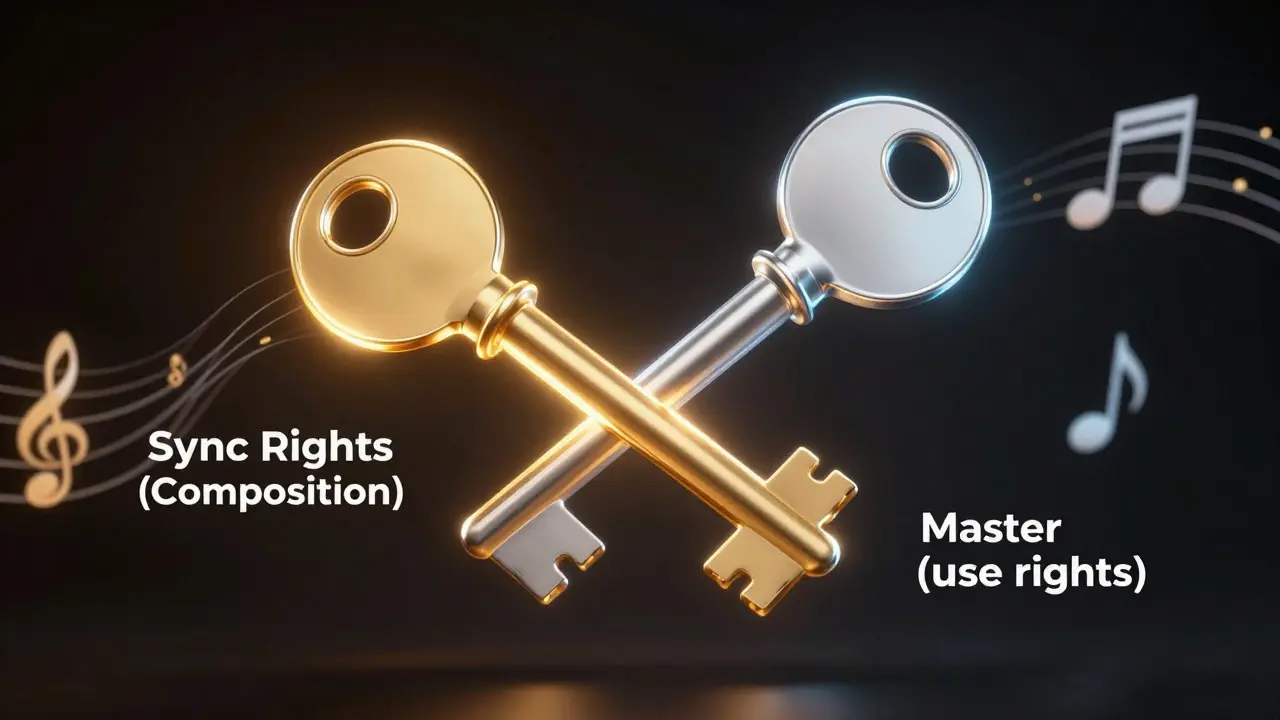
The biggest mistake beginners make is assuming a song is one single item. In the eyes of the law, a recorded track actually consists of two separate copyrights. To legally use a commercial pop song or even an indie track in your film, you generally need to secure both permissions simultaneously.
- Sync Rights is the license to synchronize a musical composition (the melody and lyrics) with moving images. This belongs to the songwriter(s) and their publisher.
- Master Use Rights is the license to use the specific audio recording of that composition. This belongs to the record label or the artist if they self-released.
If you only get the sync rights from the songwriter but forget the master rights from the label, you technically still don't have the right to use *that* version of the song. You could commission a new cover band to record it, which would solve the master issue, but it changes the sonic texture entirely. For most narrative films, getting both licenses for the original recording is the standard path.
Who Holds the Power?
Negotiating requires knowing who you are talking to. The landscape varies drastically depending on the age and fame of the track.
Publishers manage the catalog of songs written by composers and lyricists. Major publishers like Warner Chappell or Sony Music Publishing control millions of titles. They care about exposure because every time a song plays in a movie, it reminds people the song exists, potentially driving streaming numbers back up.
Record Labels, such as Universal Music Group or Interscope Records, own the masters. Their primary concern is often protecting the brand integrity of the artist and ensuring the fee reflects the commercial value of the recording.
However, if you are working with independent artists, the dynamic shifts. Many modern musicians self-release through platforms like DistroKid or TuneCore, meaning they hold both the publishing and master rights. This can simplify negotiations significantly, as you are dealing with one entity rather than two separate corporate departments.
How Much Does It Actually Cost?
There is no fixed price list for music licensing. Unlike buying a camera lens, where the price is static, music fees are highly variable. However, several factors dictate the baseline number.
| Factor | Impact on Price | Example Scenario |
|---|---|---|
| Usage Type | High | A song played over the main title sequence costs more than one used in a brief background moment. |
| Distribution Reach | Very High | Festival-only screenings cost less than global theatrical releases or major streaming platform deals. |
| Song Prominence | Medium | Using a recognizable chorus vs. an instrumental intro affects perceived value. |
| Duration | Low/Medium | A 15-second sting is cheaper than a full 3-minute track, though minimums apply. |
| Exclusivity | High | Paying extra to ensure the song isn't used in competing ads or films during a certain window. |
For a low-budget independent film showing at regional festivals, you might negotiate fees in the range of $500 to $2,500 per track. As you move into mid-tier distribution, expect fees to climb to $5,000-$15,000. For major studio blockbusters, fees can reach six or seven figures. These are estimates, not rules, but they provide a realistic anchor for your budget planning.
Negotiation Strategies That Work
When you approach a publisher or label, you aren't just asking for a discount; you are proposing a partnership. Here is how to structure your offer to maximize your chances of success.
- Define Your Usage Precisely: Be clear about where the film will be shown. If it's a short film for online distribution, say so. Vague descriptions lead to conservative (higher) pricing because the licensor assumes maximum exposure.
- Leverage the Artist's Interest: If the musician loves your project, mention it. Artists often have veto power or significant influence over their publishers. A warm introduction from a fan or collaborator can lower barriers.
- Offer Non-Cash Considerations: If cash is tight, offer creative credits. Placing the song in the end credits, featuring the artist in a behind-the-scenes video, or offering a percentage of future backend profits can sweeten the deal.
- Budget for Clearance Early: Do not wait until the final mix to clear tracks. If a song is too expensive, you may need to re-edit the scene or find a replacement. Clearing music during the post-production phase saves headaches later.
One pro tip: always ask for a "buyout" versus a "royalty" structure. In a buyout, you pay a flat fee and own the rights for the life of the film. In a royalty structure, you pay a smaller upfront fee but owe a percentage of the film's revenue each time it earns money. For most independents, a buyout is cleaner and prevents accounting nightmares down the line.

Common Pitfalls to Avoid
Even experienced producers stumble here. The most common error is underestimating the time involved. Securing licenses can take weeks or months. If your festival deadline is approaching, start early. Another trap is ignoring the "holdback" period. Some labels require that a song not be used in television commercials for 6-12 months after the film's release to protect ad sales. Check these clauses carefully.
Finally, never assume that because a song is old, it is public domain. Copyright laws have been extended multiple times. A song from 1970 is likely still protected. Always verify the status with a professional music clearance company or attorney before assuming you can use a track for free.
Frequently Asked Questions
What is the difference between sync rights and performance rights?
Sync rights allow you to pair music with visuals in a film. Performance rights (handled by PROs like ASCAP or BMI) govern when that finished film is publicly screened. You pay sync fees to the publisher/label, and performance royalties are collected separately when the film airs on TV or streams.
Do I need to license music for a student film?
Technically, yes, if you intend to distribute it publicly. However, many publishers offer educational rates or waive fees for non-commercial student projects. Always check if the usage is strictly academic or if it has any commercial potential, as this changes the legal requirement.
Can I use a song from a YouTube channel without permission?
No. Just because a song is uploaded to YouTube does not mean it is cleared for film use. The uploader may have their own limited license, or they may have infringed copyright themselves. You must secure direct permission from the rights holders for your specific project.
How long does the licensing process usually take?
For independent tracks, it can take 1-2 weeks. For major label catalogs, expect 4-8 weeks due to internal approval chains. Complex negotiations involving multiple songwriters or international territories can extend this further.
What happens if I use a song without a license?
You risk receiving a cease-and-desist order, having to pull the film from distribution, or paying retroactive fees plus penalties. In severe cases, you could face litigation. It is almost always cheaper to license upfront than to resolve infringement later.



Comments(7)