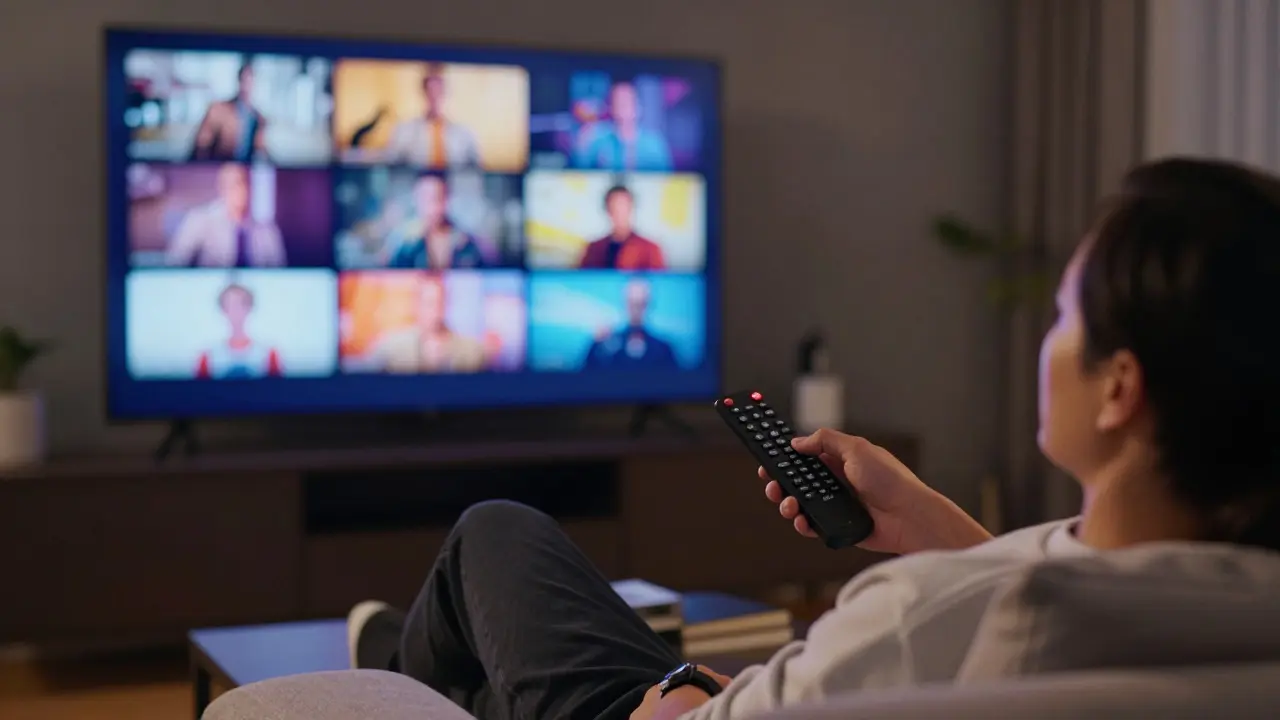
Imagine a viewer in their living room. They aren't hunting for a specific title on a subscription service; they are just clicking through the remote. Suddenly, a curated channel of 80s action movies starts playing. No login, no monthly fee, just ads. This is the reality of FAST (Free Ad-Supported Streaming) today. It has stopped being a niche alternative and become a primary destination for millions of households. For studios and streamers, this shift isn't just about filling dead air; it's fundamentally rewriting how films and series get released to the public.
The Rise of Linear-Style Digital Broadcasting
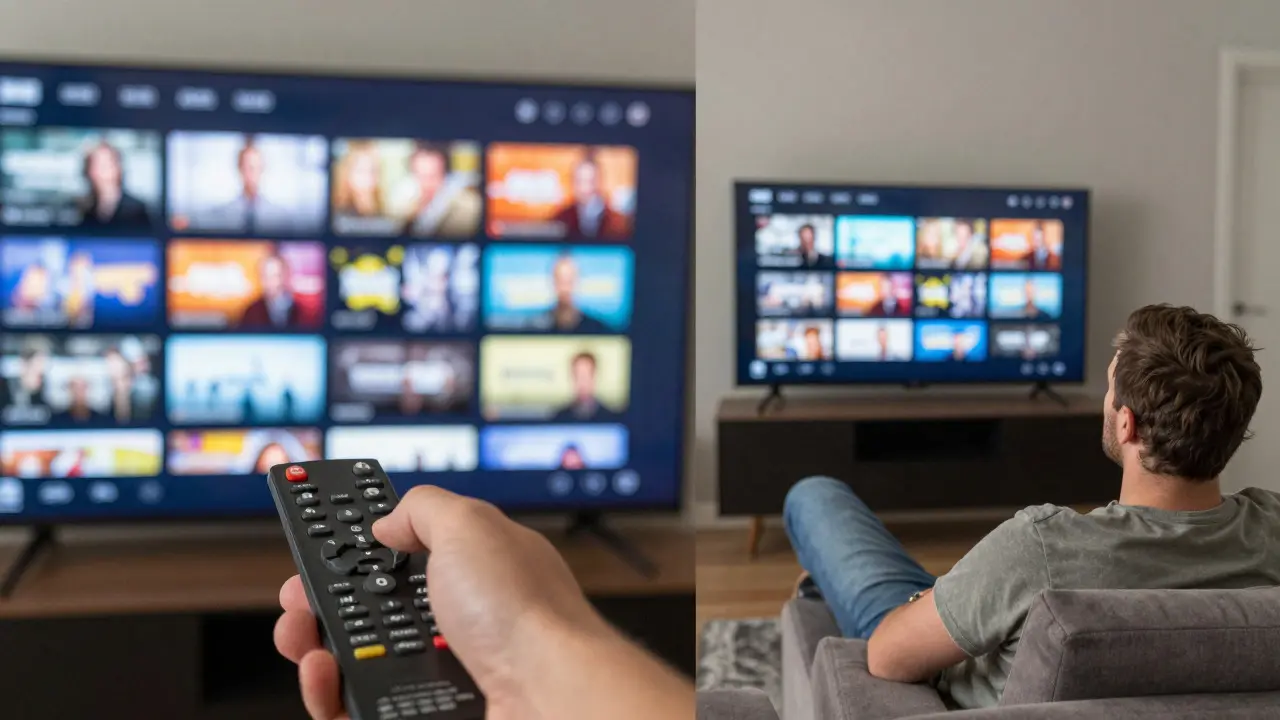
FAST channels operate like traditional cable television but over the internet, offering continuous programming without user input. Unlike on-demand platforms where users must search for content, FAST relies on a scheduled lineup. This "lean-back" experience mimics the old-school TV habit of flipping channels. The core entity here is the Linear Programming Model. In the digital age, this model has found a second life because it solves a major pain point: decision fatigue. When you have hundreds of streaming services, choosing what to watch is exhausting. FAST removes that burden by curating the selection for you.
The growth of this sector is driven by two main forces: hardware ubiquity and advertising economics. Smart TVs, Roku devices, and Apple TV boxes now come with pre-installed FAST apps. According to industry reports from Nielsen and eMarketer, FAST viewing hours have grown faster than any other segment of video consumption since 2021. Advertisers love it because the inventory is predictable. You know exactly when a show airs, making it easier to sell targeted spots compared to the chaotic nature of on-demand views.
How FAST Changes the Release Calendar
Traditionally, a film's lifecycle looked like this: theatrical run, then premium VOD (rent/buy), then ad-supported VOD (AVOD), and finally free linear TV. That timeline took years. Now, FAST has compressed this cycle significantly. Studios are releasing movies on FAST channels within six to twelve months of their theatrical debut, sometimes even earlier if the film underperforms in theaters.
This speed changes the strategic value of a release. Instead of waiting for a movie to become "old news," studios use FAST as a marketing tool. A new thriller might drop on a dedicated FAST channel right after its limited theatrical release. This keeps the brand visible in the cultural conversation. The Release Window has shifted from a long, slow decay into a rapid, multi-platform burst. If a movie doesn't find an audience in theaters, FAST offers a safety net that can still generate substantial revenue through ad impressions rather than ticket sales.

Curation vs. Discovery: The User Experience Shift
The biggest difference between FAST and standard streaming is curation. On Netflix or Hulu, you scroll endlessly. On FAST, the editor-in-chief makes the choices. This creates a unique dynamic for content creators. Your content needs to fit a theme. If you're producing a documentary series, it needs to fit into a "Nature" or "History" block. This thematic consistency helps viewers build trust in the channel. They know that if they tune in to "True Crime Central," they will only find true crime content.
This curation also affects how we measure success. On subscription platforms, metrics focus on completion rates and engagement time per user. On FAST, the metric is often "stickiness." Did the viewer stay for the next episode? Did they switch to another channel? Because there is no subscription barrier, the cost of switching is zero. Therefore, content must be compelling enough to hold attention immediately. The first five minutes of a film on a FAST channel are critical. If the pacing is slow, the viewer clicks away. This pressure favors high-energy, visually distinct, or instantly gripping narratives.
Advertising Economics and Revenue Models
Why do studios care about free streaming? Money. While individual ad rates on FAST are lower than premium CTV (Connected TV) subscriptions, the volume is massive. A single popular FAST channel can reach millions of unique viewers daily. The Ad Inventory is sold in packages similar to traditional TV. Brands pay for prime-time slots during peak viewing hours (typically 7 PM to 10 PM local time).
For mid-tier films that might not justify a big marketing push on a paid platform, FAST provides a viable monetization path. Instead of hoping someone rents the movie for $3.99, the studio earns a fraction of a cent per view, but multiplied by thousands of passive viewers. Over time, this adds up. Furthermore, FAST serves as a top-of-funnel strategy. Viewers who discover a show on a free channel may later subscribe to the parent network or buy merchandise. The ecosystem is interconnected. A successful FAST channel can drive traffic to a premium tier, creating a ladder of monetization.
| Feature | FAST Channels | Subscription Streaming |
|---|---|---|
| User Effort | Low (Passive) | High (Active Search) |
| Revenue Source | Advertising | Subscriptions + Ads |
| Content Lifecycle | Shorter (6-12 months post-theatrical) | Longer (12-24+ months) |
| Key Metric | Stickiness / Impressions | Completion Rate / Retention |
| Discovery Method | Curated Lineup | Algorithmic Recommendations |
Strategic Implications for Content Creators
If you are developing content for the modern landscape, you need to think about FAST early. Don't wait until the project is finished to consider where it will live. Design your content with linear constraints in mind. Can your series be broken into 30-minute episodes? Does your film have a strong opening hook? These questions matter more now than they did five years ago.
Also, consider the branding angle. Creating a branded FAST channel allows companies to own their narrative space. A car manufacturer could run a channel featuring automotive documentaries and lifestyle shows. This keeps the brand in front of consumers without the intrusion of direct ads. It’s a subtle form of marketing that builds affinity. For independent filmmakers, partnering with existing FAST networks is a way to gain exposure without paying for distribution fees. The trade-off is control. You lose some say in scheduling, but you gain access to a built-in audience.
The Future of Hybrid Distribution
We are moving toward a hybrid model where every piece of content exists in multiple formats simultaneously. A movie releases in theaters, goes to premium VOD, and appears on a FAST channel all within the same quarter. The lines are blurring. What matters most is understanding the intent of the viewer at each stage. The theater goer wants an event. The subscriber wants a curated library. The FAST viewer wants entertainment that requires no effort. By tailoring the release strategy to these distinct psychologies, studios can maximize their return on investment across the entire spectrum.
The era of gatekeeping is over. Content flows freely, and the competition is no longer just for attention, but for convenience. Those who master the art of the "lean-back" experience will define the next decade of media consumption.
What is the difference between FAST and AVOD?
AVOD (Ad-VOD) usually refers to on-demand content supported by ads, where you pick what to watch. FAST specifically refers to linear, scheduled channels that mimic cable TV. While both are free, FAST is passive viewing, while AVOD is active selection.
Do FAST channels make money for studios?
Yes. Studios earn revenue through ad sharing agreements. While the per-view rate is low, the high volume of passive viewers generates significant total income, especially for catalog content that would otherwise sit unused.
Is FAST replacing cable TV?
It is cannibalizing cable viewing hours, but not necessarily replacing the infrastructure. Many cable bundles now include FAST apps, and standalone smart TVs default to FAST interfaces, suggesting a convergence rather than a simple replacement.
Which platforms offer the best FAST channels?
Pluto TV, Tubi, and Samsung TV Plus are among the leaders. Each has different strengths; Pluto excels in niche genres, while Tubi has a larger overall library. The choice depends on the specific genre of content you are looking for.
How does FAST affect movie pricing?
By providing a free option earlier in the lifecycle, FAST can reduce the urgency for consumers to rent or buy premium versions. This pressures studios to keep premium windows shorter and prices competitive to capture value before the free option becomes the primary viewing method.