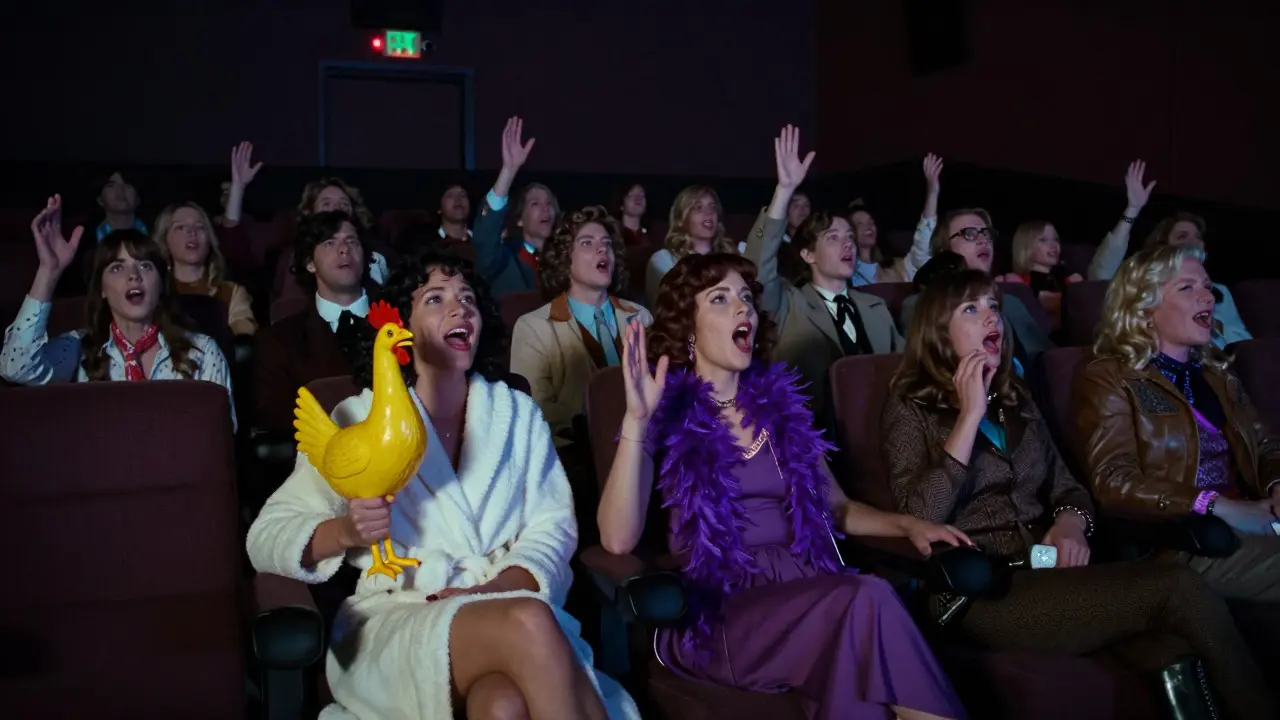
There is a specific kind of magic that happens when a movie fails at the box office but thrives in the living rooms of strangers. You might have seen The Rocky Horror Picture Show is a 1975 musical science fiction comedy-drama film that defied conventional Hollywood norms to become a participatory cultural phenomenon. It wasn't just watched; it was performed. Audiences brought rubber chickens, rice, and bathrobes. They shouted lines back at the screen. This isn't just about watching a movie; it's about belonging to a tribe that shares inside jokes no one else understands.
Cult films are movies that gain a passionate, dedicated following after their initial release. Unlike mainstream blockbusters that rely on massive marketing budgets to drive ticket sales, these titles often survive through word-of-mouth, midnight screenings, and digital communities. The journey from obscure VHS tape to global icon is rarely linear. It requires time, repetition, and a community that refuses to let the film fade into obscurity.
What Makes a Film "Cult"?
To understand how these fanbases form, we first need to define what separates a standard indie hit from a true cult classic. A cult film typically exhibits several distinct traits that encourage active participation rather than passive consumption.
- Niche Appeal: The subject matter or style is too eccentric for mass appeal but deeply resonant for a specific group. Think Eraserhead is a 1977 American psychological horror film directed by David Lynch that explores the anxieties of modern industrial life. Its slow pace and surreal imagery alienated many but obsessed others.
- Low Budget or Independent Production: Many cult favorites were made outside the major studio system, allowing for creative risks that big-budget films couldn't take.
- Repetitive Viewing Value: Fans rewatch these films dozens of times. They memorize background details, sound effects, and even camera angles.
- Participatory Culture: The audience becomes part of the experience. Quoting dialogue, wearing costumes, or organizing group viewings are common behaviors.
The key differentiator is longevity. A viral movie might trend for a week. A cult film stays relevant for decades because each new generation discovers it and adds their own layer of interpretation.
The Mechanics of Fanbase Building
How does a movie go from zero viewers to thousands of devoted fans? It usually starts with scarcity. When a film isn't widely available, finding it feels like a treasure hunt. In the pre-streaming era, this meant digging through video rental stores or trading tapes with friends. Today, the dynamic has shifted but the core principle remains: exclusivity drives desire.
Midnight screenings played a crucial role in the 1970s and 80s. These late-night showings created a sense of rebellion and intimacy. You weren't just watching a movie; you were participating in a counter-cultural event. A Clockwork Orange is a 1971 dystopian science fiction film directed by Stanley Kubrick that examines violence and dehumanization in a future society. It was banned in the UK for years, which only fueled its mystique. People wanted to see what was forbidden.
In the digital age, social media has accelerated this process. Platforms like Reddit, Twitter, and Discord allow fans to organize instantly. If a hidden gem gets shared online, it can gain a significant following within days. However, the most enduring fanbases still rely on shared rituals. Annual watch parties, themed merchandise, and fan-made content keep the flame alive long after the initial hype dies down.
Case Studies: From Obscurity to Icon Status
Let’s look at three specific examples that illustrate different paths to cult status. Each film represents a unique combination of artistic vision and audience engagement.
| Film Title | Release Year | Initial Reception | Key Fan Behavior | Primary Platform for Growth |
|---|---|---|---|---|
| The Rocky Horror Picture Show | 1975 | Mixed reviews, low box office | Call-and-response singing, props, dress-up | Midnight screenings, college campuses |
| Donnie Darko | 2001 | Limited theatrical run, DVD success | Theory crafting, quote usage, soundtrack appreciation | DVD commentary, early internet forums |
| Beetlejuice | 1988 | Modest opening, strong word-of-mouth | Costume parties, line memorization, Halloween association | Tv reruns, home video releases |
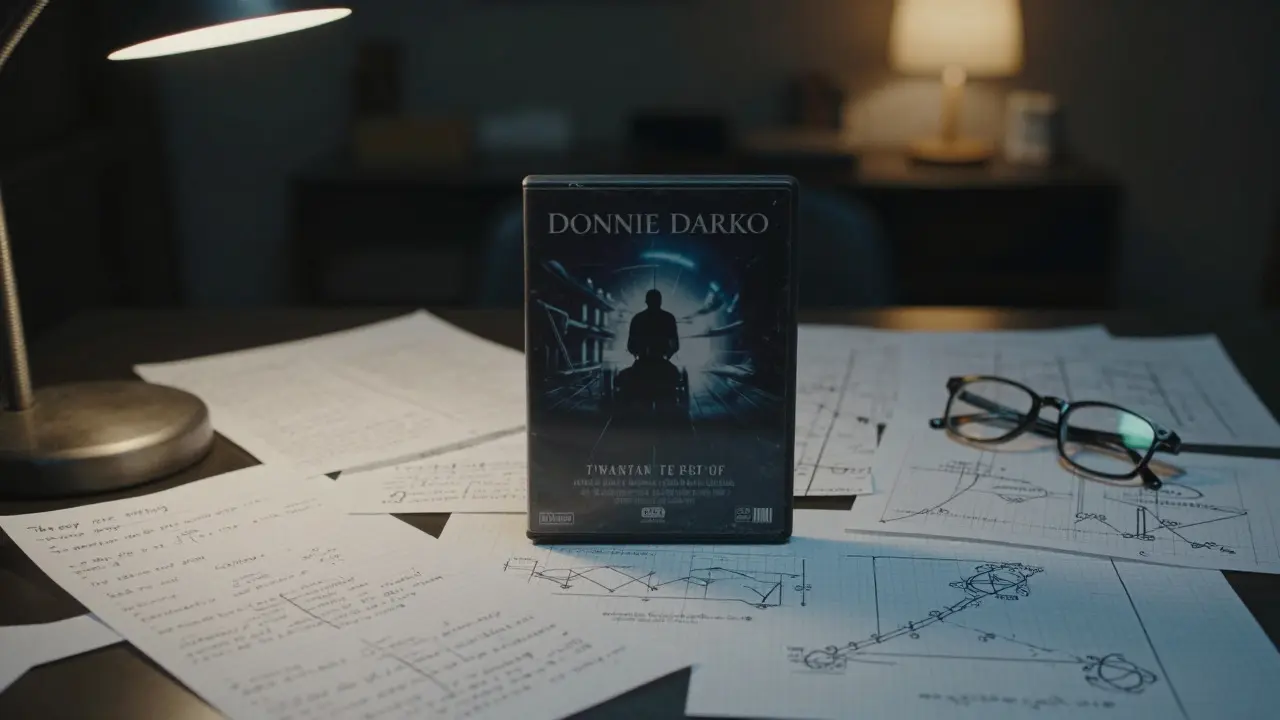
Donnie Darko is a 2001 American science fiction psychological drama film written and directed by Richard Kelly that blends surrealism with teen angst. It didn’t break the bank initially. Instead, it found its audience through the DVD special features, particularly the director’s commentary. Fans dissected every frame, creating elaborate theories about time travel and parallel universes. This intellectual engagement turned casual viewers into lifelong defenders of the film.
Beetlejuice is a 1988 American supernatural dark comedy film directed by Tim Burton that follows a ghost couple who hire a bio-ecological terror to scare away new homeowners. Its rise was driven by television reruns and the physicality of the character design. The film became inseparable from Halloween culture. Every year, people dress as Beetlejuice, not because they were forced to, but because the character offers a perfect blend of scary and silly that appeals across generations.
The Role of Community in Sustaining Interest
A fanbase is more than a collection of viewers; it’s a social structure. For cult films, the community provides validation. If you love a strange, underappreciated movie, you might feel isolated. But when you find a group of people who share your obsession, that isolation vanishes. This sense of belonging is powerful. It transforms a personal preference into a shared identity.
These communities often create their own canon. They debate which version of a scene is best, argue about character motivations, and celebrate anniversaries of release dates. This ongoing conversation keeps the film fresh. Even if you’ve seen the movie fifty times, there’s always something new to discuss with your fellow fans.
Merchandise also plays a vital role. T-shirts, posters, and vinyl records serve as badges of membership. Wearing a shirt with a logo from a niche film signals to others that you’re part of the in-group. It’s a visual shorthand that says, “You don’t need to explain the plot; you get it.”
Modern Challenges and Opportunities
The landscape for cult films has changed dramatically with the rise of streaming services. On one hand, accessibility is higher than ever. You can watch almost any obscure title from the comfort of your couch. On the other hand, the sheer volume of content makes it harder for any single film to stand out. The algorithm recommends popular titles, pushing niche gems to the periphery.
However, this shift has also created new opportunities. Social media allows for rapid mobilization. If a film is undervalued, fans can launch campaigns to highlight its merits. Hashtags, meme pages, and review aggregators help maintain visibility. The challenge now is not just finding the film, but keeping the conversation going in a noisy digital space.
Physical events remain important, though. Pop-up screenings, film festivals, and local meetups provide tangible connections that online interactions lack. There’s something irreplaceable about sharing a laugh or a gasp with real people in a dark theater. These events reinforce the communal aspect of cult fandom.

How to Join a Cult Film Community
If you’re interested in diving deeper into niche cinema, here are some practical steps to connect with existing fanbases.
- Start with a Specific Film: Pick one title that resonates with you. Don’t try to consume everything at once. Focus on understanding why you love it.
- Find Online Forums: Look for dedicated subreddits, Facebook groups, or Discord servers related to that film or director. Introduce yourself and ask questions.
- Attend Local Screenings: Check listings for independent theaters or film societies in your area. Midnight shows and retrospective series are great entry points.
- Create Content: Write a blog post, make a video essay, or start a podcast. Sharing your perspective helps attract like-minded individuals.
- Respect the Norms: Every community has its own etiquette. Some expect deep knowledge; others welcome newcomers. Observe before you speak.
Engagement is key. Don’t just lurk. Contribute to discussions, share recommendations, and be open to learning. The best cult film communities are welcoming to those who bring genuine enthusiasm.
Frequently Asked Questions
What is the difference between a cult film and an indie film?
An indie film is defined by its production budget and distribution model, while a cult film is defined by its audience relationship. Not all indie films become cult classics, but many cult films started as indie productions. The key distinction is the level of active, repetitive engagement from the fanbase.
Why do people rewatch cult films so many times?
Rewatching allows fans to catch subtle details, appreciate the craftsmanship, and share the experience with others. It also reinforces the emotional connection to the characters and story. For many, the act of rewinding (literally or digitally) is a ritual that strengthens their bond with the film.
Can a mainstream blockbuster become a cult film?
Yes, though it’s less common. Sometimes a mainstream film develops a cult following due to a specific subplot, a deleted scene, or a unique interpretation by a subset of viewers. Examples include certain action movies that gain fame for their over-the-top stunts or dialogue.
How does social media impact the growth of cult fanbases?
Social media accelerates discovery and organization. Fans can quickly find each other, share resources, and coordinate events. However, it can also lead to superficial engagement. Deep fanbases often require offline interaction or sustained online discussion beyond quick memes.
Are cult films always weird or strange?
Not necessarily. While many cult films are eccentric, some are beloved for their heartwarming stories or sharp social commentary. The defining factor is the intensity of the fan response, not the genre or tone of the film itself.