The Gap Between Innovation and Understanding
Sometimes, filmmakers are just too far ahead of their time. When a movie breaks the established rules of storytelling or visual style, critics often react with confusion rather than curiosity. They judge the film by the standards of the *current* era, not the new language the director is trying to build. Think about Blade Runner. When it hit theaters in 1982, many reviewers found it plodding and visually overbearing. They wanted a fast-paced noir thriller, and instead, they got a slow, meditative study on what it means to be human. But as Cyberpunk aesthetics began to leak into every part of our culture-from gaming to fashion-the movie's pacing started to feel intentional rather than slow. The very things that were seen as flaws became the movie's greatest strengths. The world caught up to the vision, and the consensus flipped.The Power of the Cult Following
Not every reappraisal happens because of a change in artistic taste. Sometimes, it's a grassroots rebellion. When a film is ignored or hated by the 'establishment,' a small group of dedicated fans often finds something in the wreckage that the critics missed. These fans don't care about the technical flaws or the pacing issues; they care about the vibe, the obsession, and the passion. This is how The Rocky Horror Picture Show transitioned from a quirky failure to a global cultural touchstone. By turning the viewing experience into a ritual-complete with toast and newspapers-the audience stopped judging the movie as a narrative and started treating it as a social event. Once the public's emotional connection to a film outweighs the technical critique, the critical consensus often shifts to accommodate that love. It's much harder for a critic to call a movie 'bad' when millions of people are treating it like a religion.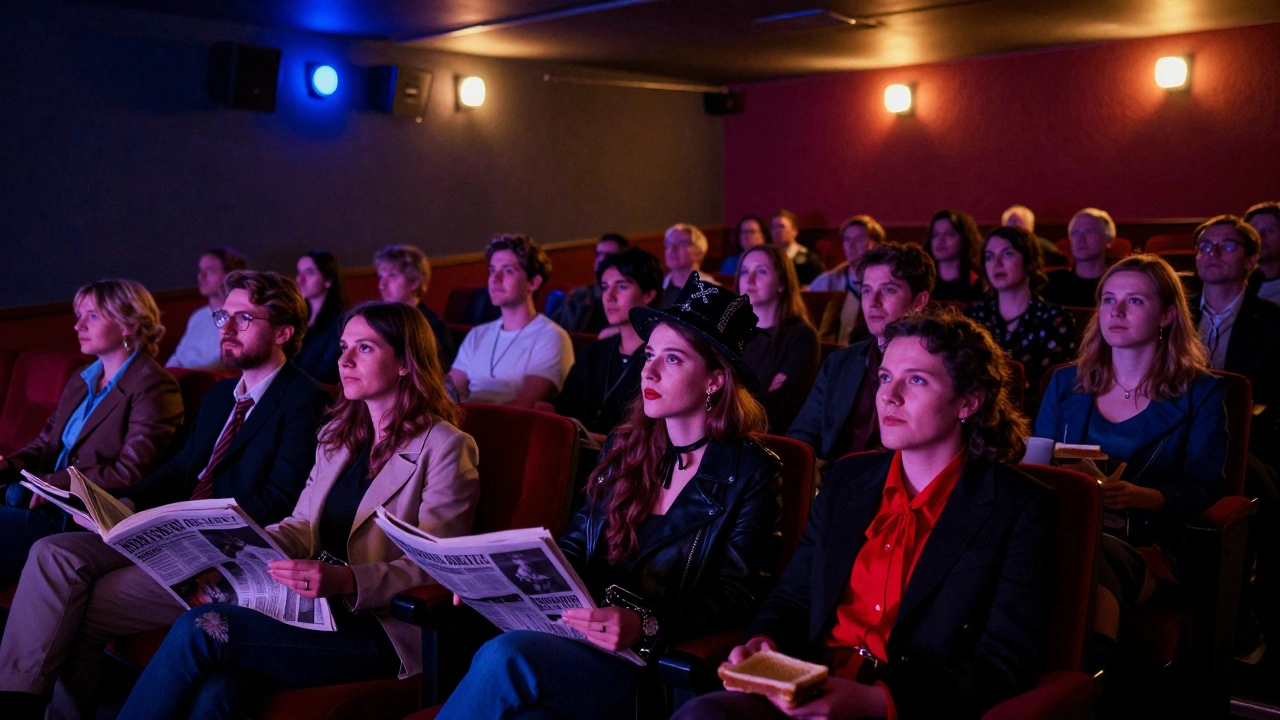
Cultural Shifts and Moral Re-evaluation
Our values change, and so does our cinema. A movie that was praised in the 1950s for its 'sophisticated' humor might feel cruel or dated today. Conversely, films that were banned or dismissed as 'trashy' or 'dangerous' often get a second look when the social climate shifts. Take the rise of New Hollywood in the late 60s and 70s. Many of the gritty, morally ambiguous films of that era were initially seen as nihilistic or offensive. However, as audiences grew tired of sanitized studio productions, that raw honesty became the new gold standard. We don't just change our minds about the movie; we change our minds about what a movie *should* do. If the world is in chaos, we stop wanting happy endings and start wanting truth, even if it's ugly.| Driver | Initial Reaction | Delayed Reaction | Example Entity |
|---|---|---|---|
| Aesthetic Innovation | Confusion/Boredom | Visionary/Influential | Blade Runner |
| Subcultural Appeal | Dislike/Indifference | Cult Classic | The Big Lebowski |
| Social Evolution | Moral Outrage | Honest/Transgressive | A Clockwork Orange |
The Danger of the 'Retroactive Masterpiece'
While it's great to rediscover lost gems, there's a flip side: the trend of over-correcting. Sometimes, we decide a movie was a masterpiece simply because it was hated at the time. We mistake 'being misunderstood' for 'being brilliant.' This creates a cycle where the mere act of being a 'flop' gives a film a certain prestige in later years. This often happens with Auteur Theory. When we find out a director like Stanley Kubrick or David Lynch was behind a project, we start hunting for deep meanings that might not actually be there. We stop asking 'Is this movie good?' and start asking 'What does this movie say about the director's psyche?' This shift in questioning can flip a consensus, but it's often based on the reputation of the person, not the quality of the frames on the screen.
How Technology Changes the Review
We can't talk about consensus without talking about where the reviews live. In the past, a handful of critics in major newspapers decided the fate of a film. If the New York Times hated it, that was the consensus. Today, we have Rotten Tomatoes and Letterboxd, which allow for a much more fragmented and democratic form of criticism. This means that a 'consensus' is now much harder to maintain. We have the 'Critics Score' and the 'Audience Score,' and the gap between them is where most reappraisals begin. When a movie has a 30% critic score but an 85% audience score, it's a signal that the professional critical framework is missing something. Over time, as more people see the film on streaming services, the professional critics often circle back to align their views with the audience. The data literally forces the consensus to move.The Lifecycle of a Movie's Reputation
If you want to predict if a movie will be reappraised, look for these three signs: a strong visual identity, a specific but passionate target audience, and a narrative that challenges the current social norm. When these three things collide, a movie is practically guaranteed to be 're-discovered' eventually. It's a humbling reminder for anyone writing a review today. The 'definitive' take on the latest blockbuster is probably wrong. In twenty years, some kid will find that movie in a digital archive, love it for all the reasons we currently hate it, and start a whole new wave of critical discourse. The movie doesn't change; we do.Why do critics change their minds about movies?
Critics usually change their minds because the cultural context shifts. A film might use a style or theme that isn't popular yet, making it seem weird or boring. Once that style becomes mainstream, the film suddenly looks visionary rather than flawed.
What is the difference between a cult classic and a critical darling?
A critical darling is praised by professional reviewers for its technical skill and narrative structure. A cult classic is loved by a dedicated subculture, often regardless of technical flaws, because it resonates with them on an emotional or identity level.
Can a movie go from being loved to being hated?
Yes. This often happens when the social values of the time change. A movie that was once seen as 'edgy' or 'funny' might later be viewed as offensive or outdated, leading to a negative critical reversal.
Does the director's reputation affect a film's reappraisal?
Absolutely. Auteur Theory suggests that the director's overall body of work influences how individual films are viewed. If a director becomes a legend, their early 'failures' are often re-examined as missing links or experimental phase works.
How do streaming services impact critical consensus?
Streaming makes 'forgotten' movies accessible to millions of people who didn't see them in theaters. This massive increase in viewers allows for a broader range of opinions to emerge, which can quickly overturn a narrow critical consensus from decades ago.





Comments(5)