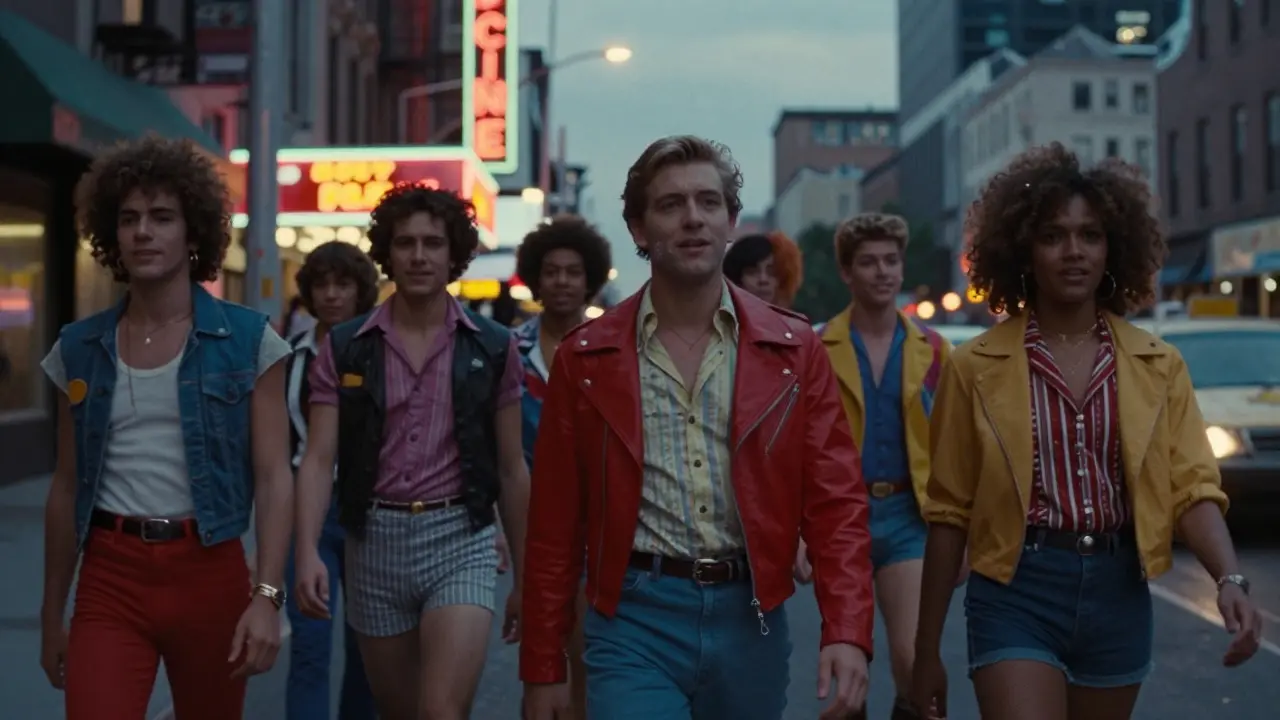
Have you ever watched a documentary that made you feel seen? For the LGBTQ+ community, cinema has long been more than just entertainment. It is a mirror, a megaphone, and sometimes, a lifeline. While Hollywood often focuses on fictional narratives, LGBTQ+ documentary films offer something rawer and more powerful: truth. These non-fiction works capture real lives, historic moments, and personal struggles that define the human experience for millions of people.
From the gritty streets of New York in the 1980s to the modern fight for marriage equality, these films document the journey from marginalization to mainstream acceptance. They do not just tell stories; they preserve history. If you are looking to understand the depth of queer culture or simply want to watch compelling cinema, this guide highlights essential titles that celebrate diversity without flinching from the hard truths.
Why Documentaries Matter More Than Fiction
Fictional movies can be inspiring, but they often rely on tropes. The "tragic ending" or the "coming out party" are common plot devices. Documentary filmmaking, however, removes the script. When you watch a real person talk about their identity, the emotional weight is different. You are witnessing history as it happens, or reflecting on it with fresh eyes.
For decades, queer cinema was limited to underground screenings and small festivals. Today, major streaming platforms host extensive libraries of these works. This shift means that a teenager in a rural town can now access the same cultural touchstones as someone living in San Francisco. This accessibility is crucial for building empathy across different demographics. It turns abstract political debates into relatable human stories.
The Power of Personal Narratives
Many of the most impactful films focus on individual journeys rather than broad political movements. Take Paris Is Burning (1990) by Jennie Livingston. This classic captures the ballroom scene in New York City during the AIDS crisis. It introduces us to figures like Pepper LaBeija and Dorian Corey, who were not just participants but leaders of a vibrant subculture. The film shows how drag balls served as spaces of joy, competition, and survival for Black and Latino queer youth who faced rejection elsewhere.
Then there is Becoming Jane (2017), which follows the life of Jane Fonda. While known as an actress, her documentary reveals her deep commitment to activism. It bridges the gap between celebrity and cause, showing how public figures use their platforms to support social justice causes. These personal stories remind us that behind every statistic is a person with dreams, fears, and a unique perspective.
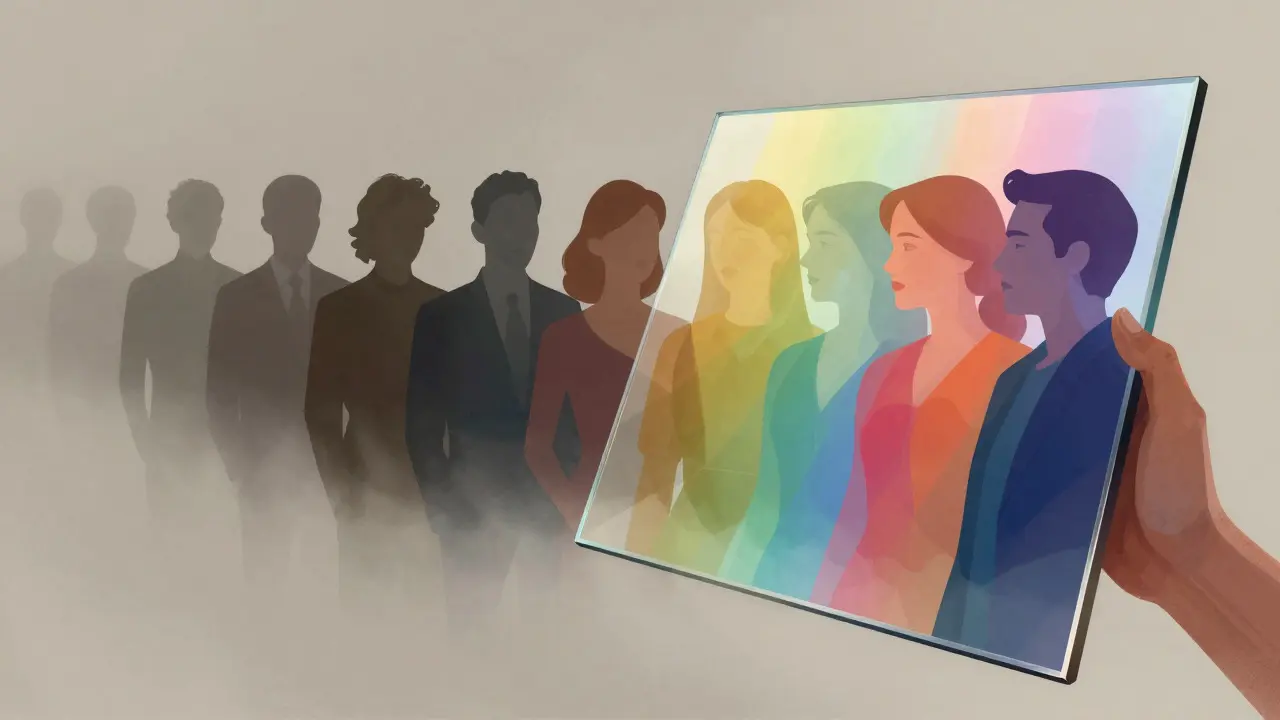
Historical Context and Cultural Shifts
To understand where we are, we must look at where we have been. The Times of Harvey Milk (1984) is a seminal work that documents the life and assassination of Harvey Milk, the first openly gay elected official in California. Directed by Rob Epstein and Jeffrey Friedman, the film uses archival footage to paint a vivid picture of the early 1970s and 80s. It highlights the fierce opposition he faced and the courage it took to run for office while openly queer.
This era also saw the rise of The Celluloid Closet (1995). Again directed by Epstein and Friedman, this film analyzes how Hollywood portrayed LGBTQ+ characters over the last century. It exposes the patterns of villainy, tragedy, and invisibility that defined queer representation for decades. By critiquing the medium itself, the documentary pushes viewers to question what they are watching and why certain stories are told in specific ways.
| Film Title | Release Year | Primary Focus | Cultural Impact |
|---|---|---|---|
| Paris Is Burning | 1990 | Ballroom Culture / AIDS Crisis | Defined drag culture for a global audience |
| The Times of Harvey Milk | 1984 | Political Activism / History | Preserved the legacy of a key political figure |
| The Celluloid Closet | 1995 | Hollywood Representation | Sparked critical discourse on media bias |
| Time Will Tell | 2006 | Transgender Experience | Brought trans visibility to mainstream cinema |
Modern Voices and Contemporary Issues
As society evolves, so do the stories being told. Time Will Tell (2006) by Frankipierre Grimaldi offers an intimate look at the transgender experience. It follows several individuals through their transition processes, challenging stereotypes and highlighting the medical and social hurdles they face. This film was groundbreaking because it treated trans identities with dignity and complexity, avoiding sensationalism.
In recent years, documentaries have started to explore intersectionality more deeply. Films like Queer Eye (the docuseries) and various indie productions highlight how race, class, and gender overlap in the queer experience. For instance, stories from the Global South are gaining traction, showing that the fight for rights is not just a Western narrative. A filmmaker in Nairobi or a director in São Paulo brings a distinct cultural lens that enriches our understanding of universal themes like love and belonging.

How to Choose Your Next Watch
With so many options, where do you start? It depends on what resonates with you. If you are interested in history, start with The Times of Harvey Milk. If you want to see the roots of contemporary pop culture, Paris Is Burning is essential. For a deeper dive into media criticism, The Celluloid Closet provides a fascinating analysis of how we view ourselves through the screen.
Consider your mood too. Some documentaries are heavy and require emotional processing, while others are celebratory and uplifting. Mixing these types can give you a balanced view of the community's experiences. Also, look for films that feature voices you don't usually hear. Diversity within the LGBTQ+ community is vast, and seeking out stories from different backgrounds will broaden your perspective significantly.
The Future of Queer Storytelling
The landscape of documentary filmmaking is changing rapidly. With the rise of digital cameras and online distribution, more people than ever can tell their own stories. We are seeing a surge in micro-budget documentaries that focus on hyper-local communities. These smaller projects often fill the gaps left by larger productions, capturing nuances that might otherwise be missed.
As technology advances, virtual reality and interactive media may offer new ways to experience these stories. Imagine stepping into a scene from a historical protest or sitting in a room with a subject, feeling their presence. While still emerging, these technologies hold promise for making LGBTQ+ documentary films even more immersive and impactful. The goal remains the same: to connect, to educate, and to celebrate the full spectrum of human diversity.
What is the best beginner-friendly LGBTQ+ documentary?
For beginners, Paris Is Burning is widely considered the best starting point. It is visually engaging, culturally significant, and introduces many key concepts of queer culture in a way that is accessible to general audiences. Its energy and style make it less intimidating than heavier political documentaries.
Are these films only for LGBTQ+ viewers?
No, absolutely not. While they resonate deeply with the community, they are valuable for anyone interested in sociology, history, or human rights. Allies often find these films helpful for understanding perspectives outside their own daily experience, fostering greater empathy and awareness.
Where can I stream these documentaries?
Availability varies by region and platform. Major services like Netflix, Hulu, and Amazon Prime Video rotate their libraries frequently. Additionally, specialized platforms dedicated to independent and queer cinema often hold exclusive rights to older or niche titles. Checking local library databases is another free option for many classics.
How do documentaries differ from biopics?
Biopics use actors to portray real people and often take creative liberties with dialogue and events. Documentaries use actual footage, interviews, and archival material. This makes documentaries generally more factual and grounded, though editors still shape the narrative through selection of clips and music.
What role does music play in these films?
Music is often central to the storytelling, especially in films depicting subcultures like ballroom or punk scenes. Soundtracks help establish the era and mood, connecting visual images to the cultural heartbeat of the time. In Paris Is Burning, for example, the house music soundtrack is integral to the film's rhythm and energy.



Comments(5)