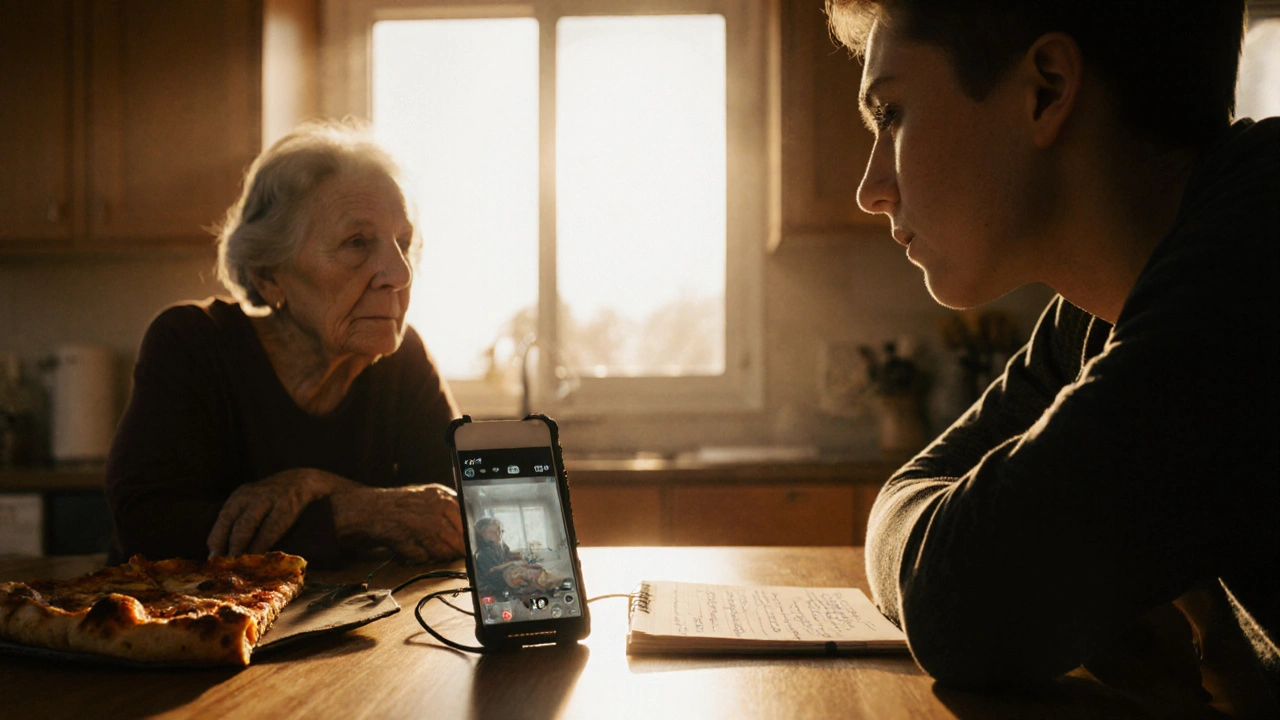
You don’t need a $10 million budget to make a movie that moves people. In fact, some of the most powerful films ever made were shot on smartphones, in living rooms, and with friends who worked for pizza. Microbudget filmmaking isn’t just a workaround-it’s a creative superpower. When you have almost no money, you’re forced to focus on what really matters: story, emotion, and authenticity.
Start with a story that fits your resources
The biggest mistake new filmmakers make is writing a script that requires explosions, car chases, and a cast of 50. If you’re working with $500, your story needs to be small, intimate, and contained. Think microbudget filmmaking like a play: one location, three characters, a single night. That’s it.Look at Primer (2004). It was made for $7,000. The entire film takes place in garages and kitchens. The plot? Two engineers accidentally invent time travel. No special effects. No actors with agents. Just two guys with a camera and a script they wrote over coffee. It won the Grand Jury Prize at Sundance.
Your story doesn’t need to be epic. It needs to be honest. A conversation between a parent and child after a divorce. A worker waiting for a call that never comes. A teenager recording a voicemail they’ll never send. These are the moments that stick.
Use what you already have
Your phone is your camera. Your laptop is your editing suite. Your neighbor’s backyard is your forest. Your cousin’s car is your getaway vehicle.Modern smartphones shoot 4K video with cinematic color profiles. The iPhone 15 Pro, for example, records in ProRes and has a manual exposure mode. You don’t need a Red or Arri. You need to learn how to use natural light. Shoot during golden hour-30 minutes after sunrise or before sunset. That’s when shadows are soft, skin looks good, and you don’t need a single light kit.
Sound is the biggest challenge. A $20 lavalier mic from Amazon, plugged into your phone, will sound better than a $2,000 studio mic in a noisy room. Record ambient sound separately-just sit in your location for 30 seconds with the mic on the table. You’ll use that to smooth out cuts later.
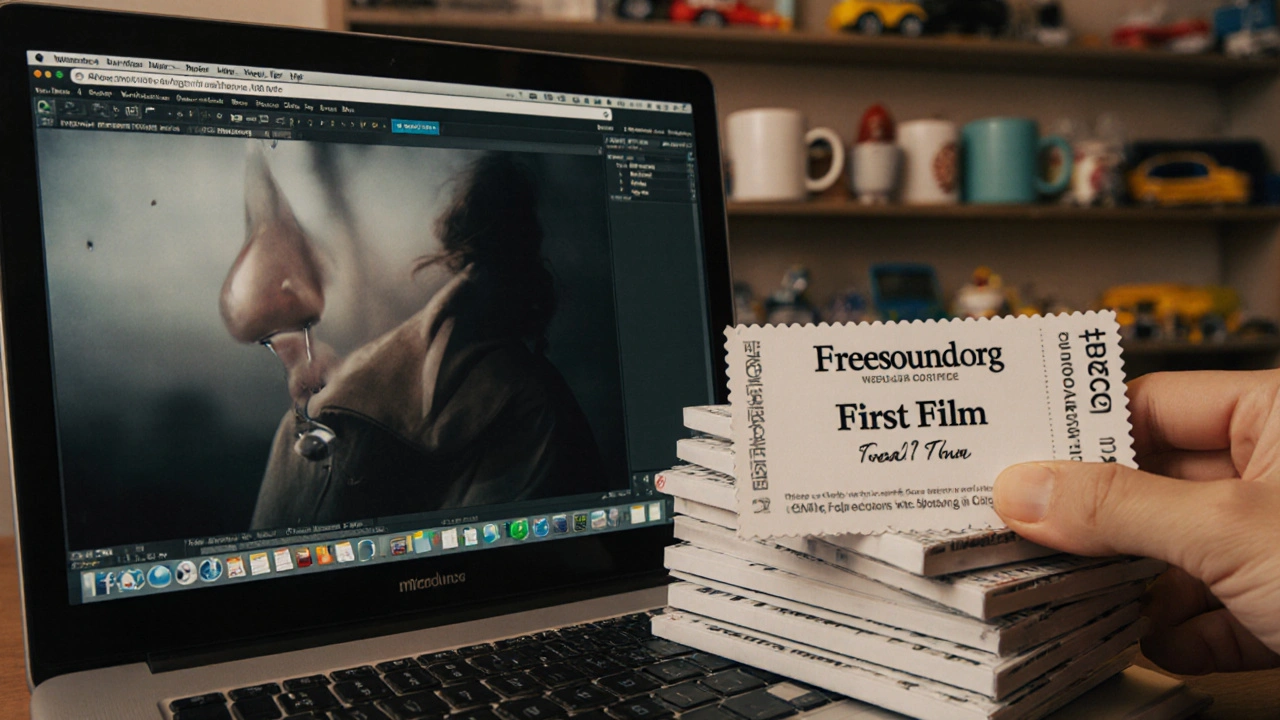
Editing? Use DaVinci Resolve. It’s free. It’s used by Hollywood. You can color grade, cut, and mix audio all in one place. No subscription. No credit card needed.
Cast people who care, not people who charge
Forget hiring actors from a casting agency. That’s not how microbudget filmmaking works.Find people who believe in your story. A barista who’s been through a breakup. A retired teacher who’s lost someone. A student who’s never been outside their town. These people bring truth. They don’t need to be polished. They need to be real.
Offer them something real: a credit. A copy of the film. A meal after shooting. A chance to be part of something that matters. One filmmaker I know cast his landlord as the lead because she’d been quietly raising her grandkids alone for years. The scene where she cries on the porch? That wasn’t acting. That was her.
Never pay for an actor’s time. Pay for their food. Pay for their gas. Pay for their parking. That’s how you build trust.
Shoot fast, shoot smart
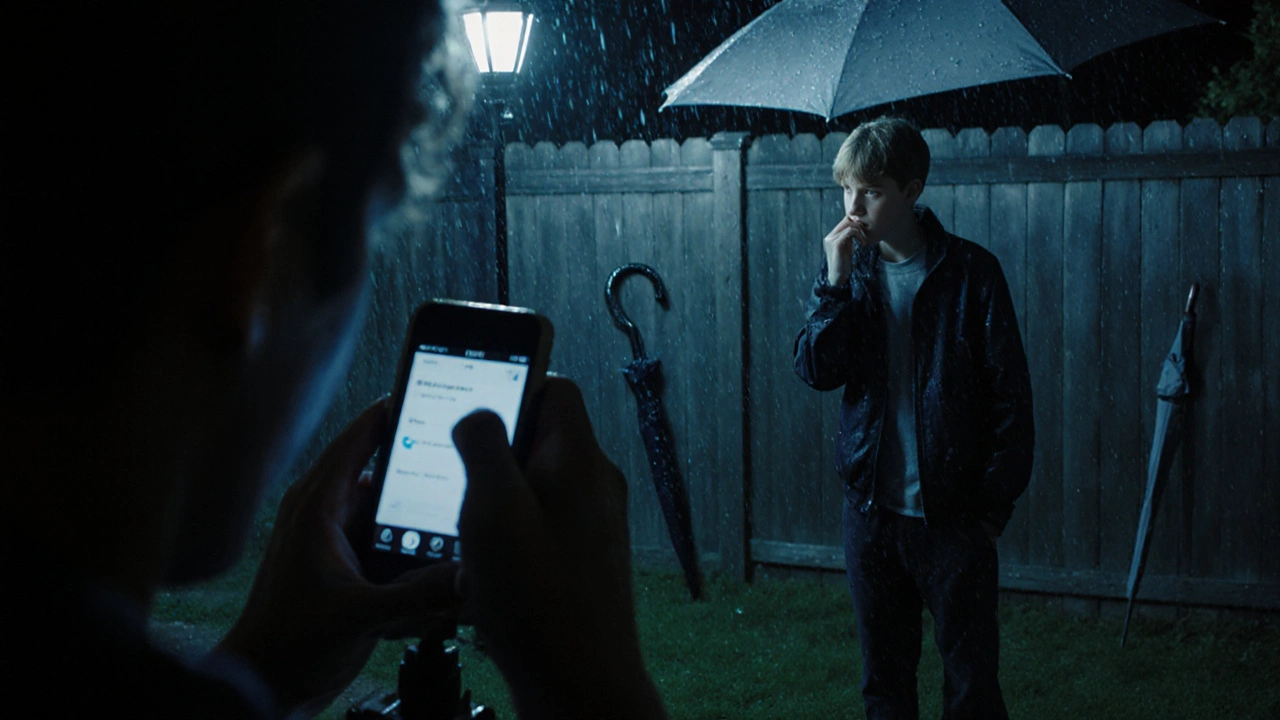
Time is your most expensive resource. You don’t have a crew of 20. You have two people: you and one friend. So you plan like a soldier.Break your script into shooting days based on location, not scene order. Shoot all the kitchen scenes on Monday. All the car scenes on Tuesday. That saves you from moving equipment back and forth.
Use natural light. Don’t wait for perfect weather. Shoot in rain. Shoot in snow. Rain on a window makes a beautiful backdrop. Snow muffles noise. These aren’t problems-they’re tools.
Shoot at least 3 takes of every shot. One for safety. One for emotion. One for something unexpected. You might find a better moment in the third take-when the actor looks away, or the dog barks, or the light shifts just right.
And never shoot more than 6 hours in a day. People get tired. Eyes get dull. Emotions fade. You want raw, not exhausted.
Sound design is your secret weapon
Most low-budget films fail because the sound is bad. Bad sound kills immersion faster than shaky camera work.Record room tone. Always. Even if you think it’s quiet. Even if you’re in a library. Even if it’s just your apartment. That 15 seconds of silence? It’s gold. You’ll use it to glue cuts together.
Use free sound libraries. Freesound.org has 1.2 million user-uploaded sounds-door creaks, rain on tin roofs, footsteps on gravel. You can find the exact sound you need without paying a dime.
Don’t rely on music to carry emotion. Let silence do the work. A 10-second pause between two characters can be more powerful than a swelling orchestral score.
Post-production is where magic happens
You don’t need fancy plugins. You need patience.Color grade your film to match the mood. A cold blue for loneliness. A warm orange for memory. DaVinci Resolve’s color wheels are intuitive. Watch a 10-minute YouTube tutorial. Do it. Then do it again.
Trim ruthlessly. If a scene doesn’t advance the story or deepen the character, cut it. Even if you love it. Even if it took you three days to shoot. Your audience doesn’t care about your effort. They care about their experience.
Export in H.264 at 1080p. Don’t waste time with 4K unless you’re submitting to a festival that requires it. Most viewers watch on phones. Your film should look good on a 5-inch screen.
Release it anywhere, anytime
You don’t need a distributor. You don’t need a premiere at Cannes.Upload your film to Vimeo. Set it to private. Send the link to 10 people who’ve been through something similar to your story. Ask them: “Did you feel seen?” If they say yes, you’ve done your job.
Submit to microfilm festivals. There are hundreds. The Asheville Film Festival takes films under $10,000. So does the New York Microbudget Film Festival. They don’t pay you. But they show your work to people who care.
Post it on YouTube. Add a description that says: “Made for $317. Shot in 7 days. No actors paid.” That honesty draws people in. People are tired of polished lies. They want real.
Why this matters
Microbudget filmmaking isn’t about saving money. It’s about reclaiming control. When you don’t have investors, you don’t have to answer to them. You don’t have to add a love subplot because someone said “it needs more romance.” You don’t have to cast a famous face because the bank wants a return.You make the film you need to make. The one that lives in your chest. The one you can’t stop thinking about.
That’s why the most influential filmmakers today-like Greta Gerwig, Barry Jenkins, and Jordan Peele-started with nothing. They didn’t wait for permission. They didn’t wait for a check. They picked up a camera and told the truth.
You can too.
Can you really make a film with under $500?
Yes. Many films have been made for less. The Blair Witch Project cost $60,000 and made $248 million. A newer example is Swallow (2019), shot for under $100,000. But even lower: Tangerine (2015) was shot entirely on an iPhone 5S for around $1,000. With a smartphone, free editing software, and friends willing to help, you can make a compelling short film for under $500. Focus on story, not gear.
What’s the most important piece of equipment for microbudget filmmaking?
Your eyes. Before you buy a lens, a mic, or a tripod, learn to see. Watch how light falls on a face. Notice how silence changes a moment. Pay attention to the way people move when they’re lying, grieving, or hoping. The best camera is the one you’re willing to carry. The best sound recorder is the one you’re willing to listen to. Gear helps-but vision drives the film.
How do you find actors without a budget?
Go where people gather: local theater groups, community centers, college drama departments, even coffee shops. Ask if anyone wants to be in a short film. Be honest: “No pay, but you’ll be in a real movie with a chance to be seen.” Most people say yes. You’re not hiring talent-you’re inviting participation. Offer meals, credit, and respect. That’s more valuable than cash.
Do film festivals accept microbudget films?
Yes, and many specialize in them. Sundance has a section for ultra-low-budget films. SXSW, Tribeca, and Locarno all have categories for films under $100,000. Smaller festivals like the New York Microbudget Film Festival and the International Festival of Independent Cinema in Toronto actively seek out these projects. Submission fees are often $20-$50. It’s not free, but it’s affordable. And getting accepted means your film will be seen by people who actually care about storytelling.
What’s the biggest mistake beginners make?
Trying to make a big movie with a small budget. They write scripts with helicopters, crowds, and explosions. Then they get frustrated when they can’t afford it. The real mistake isn’t the lack of money-it’s the lack of imagination. Microbudget filmmaking isn’t about what you can’t do. It’s about what you can do that no one else can: tell a quiet, human story with honesty. Focus on that, and you’ll make something unforgettable.
Next steps
Start today. Not tomorrow. Today.Grab your phone. Open the camera app. Go outside. Film one minute of someone talking about something they’re afraid of. Don’t edit it. Don’t fix it. Just record it. That’s your first film.
Then do it again. And again. Each time, you’ll learn something new. You’ll learn how to listen. How to wait. How to see.
Microbudget filmmaking isn’t a stepping stone. It’s a path. And it’s open to anyone with a story to tell.



Comments(7)