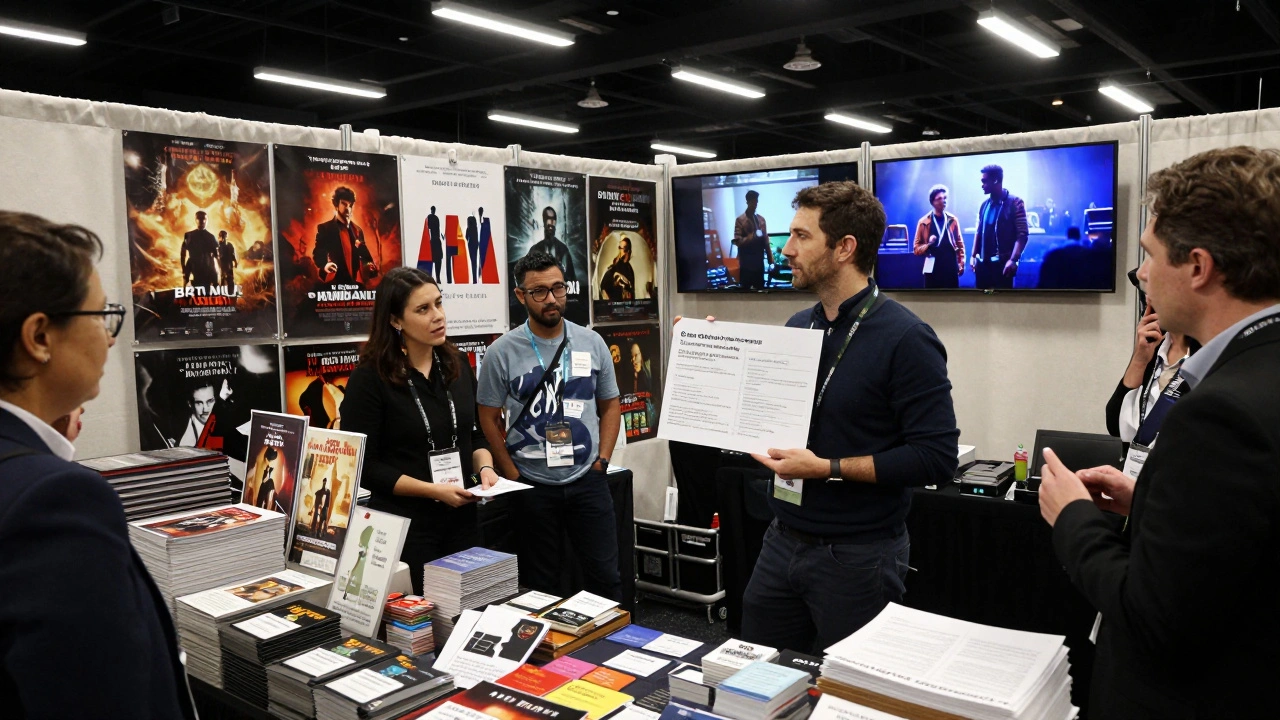
Every year, thousands of independent filmmakers show up at film markets hoping to sell their movies, find distributors, or just get noticed. But not all markets are the same. If you’re a filmmaker with a feature ready to go, knowing the difference between AFM, Marché du Film, and EFM could make or break your chances. These aren’t just fancy parties with red carpets-they’re high-stakes business hubs where deals happen, careers are made, and films disappear into the void because no one knew where to go.
What AFM Really Is (And Why It’s the Hardest Market to Crack)
The American Film Market (AFM) happens every November in Santa Monica, right after Thanksgiving. It’s the largest film market in the world by volume. Over 7,000 industry professionals attend. Around 800 companies set up booths. More than 3,000 films are screened. And yet, less than 10% of independent features that screen there actually land a distribution deal.
Why? Because AFM is a buyer’s market. Distributors come with budgets already set. They’re not looking for ‘potential.’ They want proven sales records, clear legal titles, and solid completion guarantees. If your film doesn’t have a sales agent, a finished picture lock, and a marketing plan with clear audience targeting, you’re just another name on a long list.
But here’s the truth: AFM works if you know how to use it. If you’re self-distributing, it’s the best place to meet buyers directly. If you’re trying to license your film internationally, AFM is where you’ll find the biggest players-companies from China, Brazil, Russia, and the Middle East who buy films in bulk. The key? Don’t just show up. Book meetings weeks in advance. Have your trailer, stills, and sales deck ready. And never, ever pitch without knowing what your film’s comparable titles are. A film like Little Miss Sunshine or The Florida Project has a clear market path. Yours needs one too.
Marché du Film: Where Art Meets Commerce
Marché du Film, held every May alongside the Cannes Film Festival, is the European answer to AFM-but with a very different vibe. While AFM feels like a trade show with a deadline, Marché du Film feels like a slow-burn networking event where relationships matter more than contracts.
It’s not the biggest market by numbers-around 3,000 attendees-but it’s the most influential for arthouse and festival-driven films. If your movie won a prize at Sundance or Berlin, Marché du Film is where you’ll find buyers who care about critical acclaim, not box office. This is where Netflix and Amazon scout for Oscar contenders. Where indie distributors from France, Germany, and Scandinavia hunt for films that will play in theaters for months.
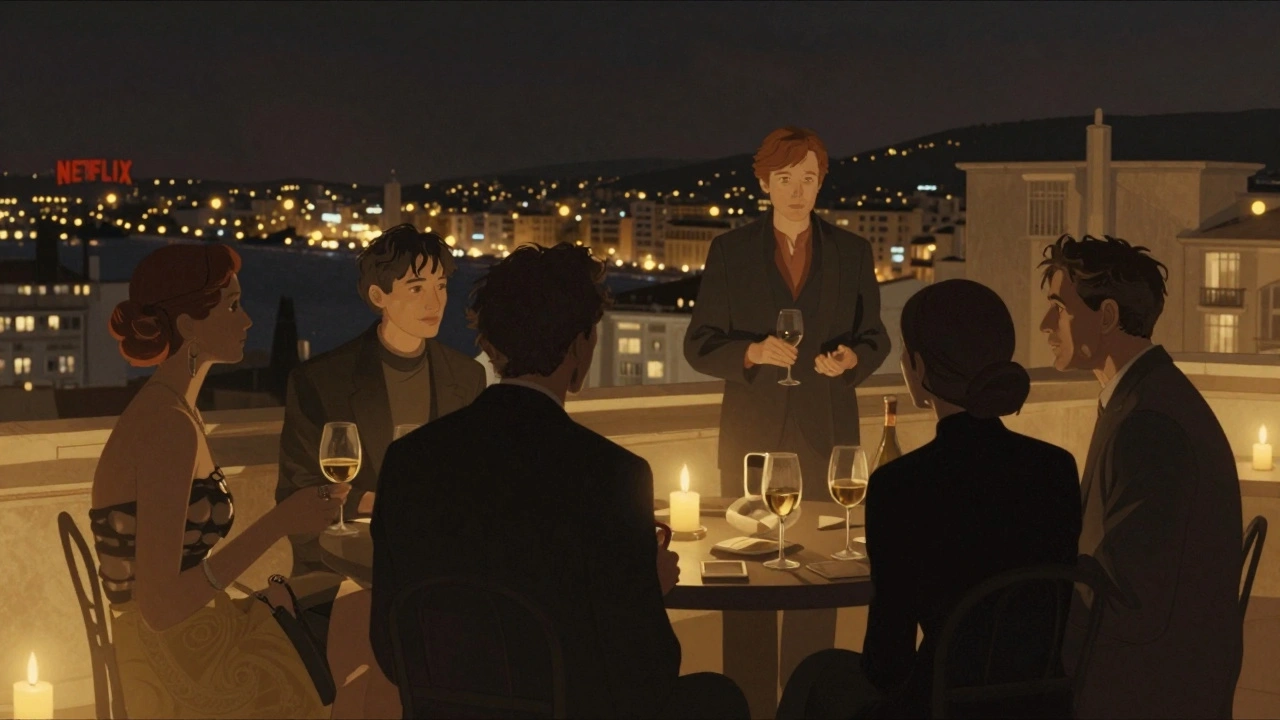
The trick? You need to be in the right place at the right time. The official market runs for 8 days, but the real action happens in the hotel lobbies, rooftop parties, and private screenings. If you’re not invited to one of the official events, you’re on the outside. That’s why most filmmakers partner with a sales agent or film school alumni network. A single warm introduction can get you a 15-minute meeting with a buyer who would otherwise ignore your email.
Also, don’t assume you need a finished film. Marché du Film is one of the few markets where you can pitch a rough cut-if you have a strong director’s statement, a compelling look book, and a clear vision. Many films here are sold on treatment alone. But be warned: if your film doesn’t have a clear festival strategy, you’ll get lost in the noise.
EFM: The Berlin Bridge for European and Global Sales
The European Film Market (EFM), held every February in Berlin, is the perfect middle ground between AFM and Marché du Film. It’s big enough to draw serious buyers, but small enough that you can actually talk to them. Over 1,500 companies attend, and about 500 films are screened. It’s the go-to market for German, Austrian, and Swiss distributors-but also for buyers from Eastern Europe, Turkey, and even parts of Asia.
EFM is where you go if you have a film that’s ready to play in theaters, but you don’t have the budget for a full U.S. release. It’s also where many co-productions get their financing locked in. If your film has European funding, or if it’s shot in German, French, or Spanish, EFM is your natural home.
What makes EFM different? Accessibility. Unlike AFM, where you need to pay $1,500 just to get a badge, EFM offers affordable passes for emerging filmmakers. You can walk into a screening room and ask a buyer what they think-no appointment needed. And because it happens right before Berlinale, you can use the festival as a launchpad. If your film screens in the Panorama or Forum section, sales spike overnight.
Pro tip: EFM is where you’ll find the most active buyers for genre films-horror, thrillers, and sci-fi. Companies like Arrow Films, MUBI, and Shudder are regulars. If your film has a strong visual style or a twist ending, this is your market.
How to Choose the Right Market for Your Film
Here’s the simple decision tree:
- If your film is English-language, has a U.S. cast, and you want theatrical or streaming rights in North America → AFM
- If your film is arthouse, has festival potential, or you’re targeting Europe’s cultural audiences → Marché du Film
- If your film is European co-produced, genre-based, or you’re looking for international sales without the U.S. focus → EFM
And if you’re unsure? Start with EFM. It’s the most forgiving. You can get a badge for under $500. You can meet buyers without a sales agent. And if you don’t sell, you still leave with feedback, contacts, and a clearer sense of where your film fits.
What No One Tells You About Film Markets
Most filmmakers think the market is about selling. It’s not. It’s about positioning.
One filmmaker from Asheville sold her low-budget thriller at AFM-not because she had a big name, but because she knew exactly who her audience was. She didn’t pitch to distributors. She pitched to streaming platforms that specialize in true-crime content. She had data: her film’s tone matched 3 top-performing titles on Shudder. She showed the numbers. She got a deal.
Another filmmaker brought her documentary to Marché du Film and got rejected by 12 buyers. Then she changed her pitch. Instead of saying ‘it’s about climate change,’ she said, ‘it’s about a grandmother who rebuilt her village after a flood.’ Suddenly, buyers who had ignored her for days asked for a screening.
Here’s the rule: Don’t sell your film. Sell the story behind it. Buyers don’t care about your camera. They care about who will watch it-and why.
Common Mistakes Filmmakers Make at Markets
- Showing a rough cut without a clear final version timeline
- Not having a sales deck with key visuals, comparable titles, and budget breakdown
- Waiting until the last minute to book meetings
- Trying to pitch to every buyer instead of targeting 5-10 strategic ones
- Ignoring the power of social media-buyers check your film’s Instagram before they even watch the trailer
And one more: Don’t bring your entire crew. One producer showed up with 12 people. The buyer asked, ‘Who’s the decision-maker?’ The producer said, ‘We’re all involved.’ The buyer walked away. Markets aren’t group projects. They’re one-on-one conversations.
What You Need Before You Go
- A finished trailer (at least 2 minutes long)
- A digital screener with password protection
- A one-page sales sheet with logline, comparable titles, and key credits
- A list of 10 target buyers and their contact info
- Proof of rights clearance (music, archive footage, real people)
- A budget breakdown showing how much you need to sell to break even
If you don’t have these, don’t go. You’ll waste time, money, and momentum.
What Happens After the Market?
Most filmmakers think the market ends when they leave. It doesn’t. Deals take months to close. Follow up. Send a thank-you email. Share a new clip. Ask for feedback. Buyers remember who stayed in touch.
One filmmaker followed up with 8 buyers after EFM. Three responded. One offered a deal. That deal turned into a $250,000 sale-and a theatrical release in 12 countries.
It’s not luck. It’s persistence.
Do I need a sales agent to attend these markets?
No, you don’t need one-but you’ll have a much harder time. Sales agents have established relationships with buyers, know who’s looking for what, and can negotiate better deals. If you’re self-distributing, you can attend, but you’ll need to do all the legwork yourself: booking meetings, preparing materials, and following up. For first-time filmmakers, working with an agent-even a small one-is often the smartest move.
Can I sell my film without a finished cut?
At Marché du Film and EFM, yes-especially if you have a strong director’s statement, look book, and festival strategy. At AFM, almost never. Buyers there want finished films with legal clearances. If you’re pitching early, make sure you can show a 10-minute work-in-progress reel with final sound design and color grade. It’s not ideal, but it’s possible.
Which market is best for horror films?
EFM is your best bet. Buyers like Arrow Films, Screambox, and Shudder attend regularly and are actively looking for genre films with strong visuals and twist endings. AFM also has horror buyers, but they’re more focused on bigger-budget projects. Marché du Film rarely takes horror unless it’s arthouse or has a cult following.
How much does it cost to attend these markets?
AFM: $1,500-$2,500 for a full pass. Marché du Film: $800-$1,200 (includes access to screenings and events). EFM: $450-$700 for a standard pass, with discounts for students and emerging filmmakers. Don’t forget travel, lodging, and meals-plan for at least $3,000-$5,000 total.
Is it worth going if I only have a $10,000 budget?
Yes-if you’re smart. EFM is designed for low-budget films. Many distributors there specialize in micro-budget features. Focus on one clear audience, one strong sales hook, and one target buyer. You don’t need a big booth. You just need to be prepared, professional, and persistent. A $10,000 film can still sell for $50,000 if it finds the right home.



Comments(7)