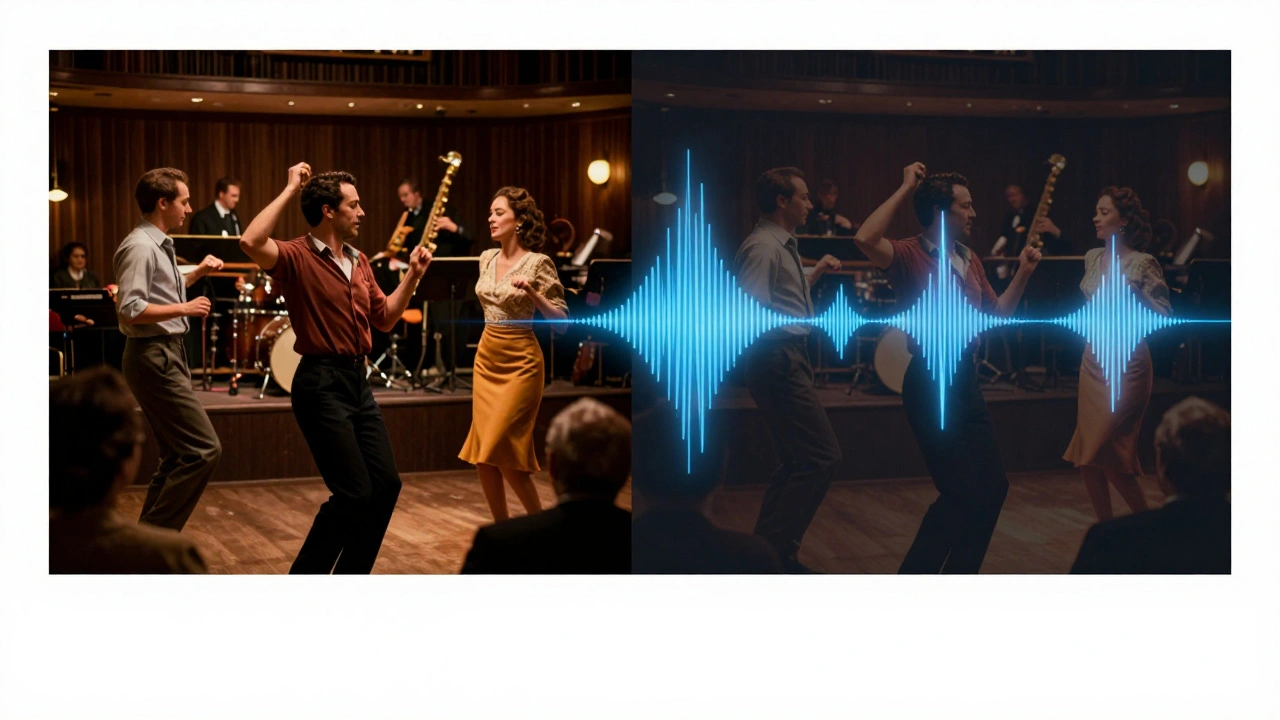
Film music is more than just background noise; it is a powerful narrative tool that dictates how we feel about what we see on screen. But not all movie sounds are created equal. Some songs exist within the world of the characters, while others exist solely for you, the audience. Understanding the difference between diegetic and non-diegetic music unlocks a deeper appreciation for cinema. It transforms passive watching into active listening.
You might have heard these terms in film school or read them in reviews, but do they actually change how you watch? Absolutely. When you know whether a character can hear a song or if it’s just a directorial cue, you stop asking "Why is this playing?" and start asking "What is this telling me?" This distinction shapes tension, reveals character psychology, and even manipulates time itself.
The Core Distinction: Who Can Hear the Music?
The simplest way to separate these two types of sound is by asking one question: Can the characters hear it? If the answer is yes, it is diegetic. If the answer is no, it is non-diegetic. This binary split seems straightforward, but its implications for storytelling are massive.
Diegetic music, derived from the Greek word diesis meaning "story," refers to any sound source that originates within the film's reality. This includes radios playing in a car, a band performing on stage, or a character humming while washing dishes. The characters react to it. They might dance, ignore it, or turn it up. Because it exists in their world, it must follow the physical laws of that space. If a radio is off-screen, the sound should be muffled. If a character walks away from a speaker, the volume drops. This realism grounds the scene.
In contrast, non-diegetic music, often called the "score" or "underscore," comes from outside the story world. Only the audience hears it. Characters never acknowledge it. This music serves as an emotional guidepost. It tells you when to fear, when to fall in love, or when to suspect betrayal. It bypasses logic and speaks directly to your nervous system. A sudden staccato string note makes you jump; a swelling orchestral crescendo makes you cry. It is invisible manipulation, and it works because you accept the contract of cinema.
How Diegetic Music Builds Reality and Character
Using music that characters can hear does more than add ambiance. It provides crucial exposition without dialogue. Think about the song choice in a period drama. If a character listens to a specific jazz record in 1950s New York, the director instantly communicates their taste, social status, and perhaps their rebellion against conservative norms. You learn who they are through their playlist.
Consider the opening sequence of Pulp Fiction. The needle drops on Chuck Berry’s "Misery Goes On." Mia Wallace and Vincent Vega dance in the apartment. This is diegetic. It establishes their coolness, their detachment, and the casual danger of their relationship. The music isn't commenting on the action from above; it is part of the action. It creates a vibe that defines the scene's energy. Without that specific track, the scene loses its cultural anchor.
Diegetic sound also enforces spatial awareness. In horror films, directors often use diegetic sounds-creaking floorboards, distant sirens, a phone ringing-to build dread before introducing non-diegetic scares. This blurs the line between safety and threat. When the only sound is the hum of a refrigerator, the silence feels heavy. The audience waits for something to break that naturalistic quiet. When it does, the impact is visceral because the foundation was built on reality.
- Character Insight: Song choices reveal personality traits and backstory.
- Spatial Grounding: Sound sources help map the physical environment.
- Temporal Markers: Specific songs date the scene accurately.
- Naturalism: Keeps the audience immersed in the character's perspective.
The Emotional Power of Non-Diegetic Scoring
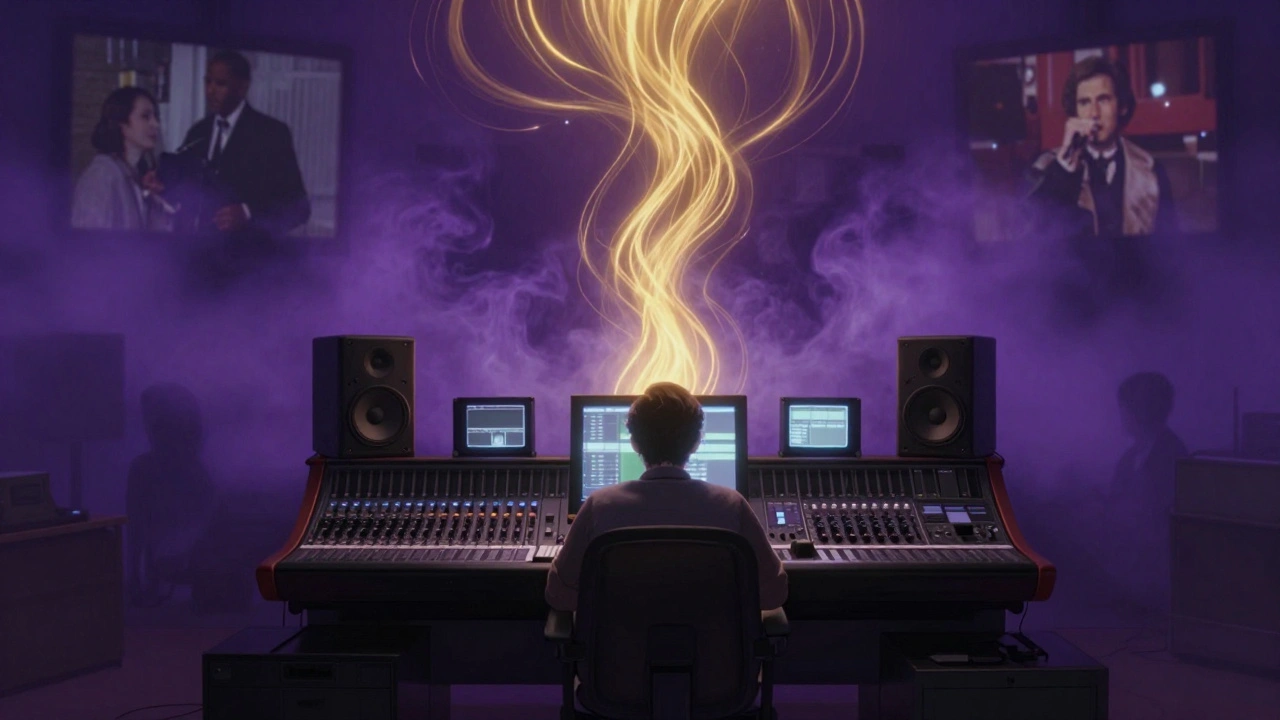
If diegetic music builds the world, non-diegetic music paints the mood. This is where composers like Hans Zimmer or John Williams shine. They don't just accompany the image; they interpret it. A shot of a hero standing on a cliff could look triumphant or lonely depending entirely on the underscore.
Non-diegetic music allows for subjective storytelling. It can represent a character's internal thoughts, which cannot be seen externally. In Inception, the deep, brassy "BRAAAM" sound is non-diegetic. It signals the shifting layers of dreams. The characters don't hear it, but you feel the instability of their reality. It externalizes the abstract concept of subconscious danger.
This type of scoring also controls pacing. Fast cuts in an action scene paired with rapid percussion keep adrenaline high. Slow dissolves accompanied by gentle piano allow the audience to breathe and process emotion. Directors use non-diegetic cues to manipulate your heart rate. It is a form of auditory steering wheel.
| Feature | Diegetic Music | Non-Diegetic Music |
|---|---|---|
| Audience | Characters and Audience | Audience Only |
| Source | Visible or implied (radio, band) | Invisible (orchestra, synth) |
| Function | Realism, character development | Emotion, theme, pacing |
| Flexibility | Limited by physics/reality | Unlimited creative freedom |
| Example | Karaoke singing in Brokeback Mountain | The shark theme in Jaws |
Blurring the Lines: The Magic of Transition
The most sophisticated filmmakers play with the boundary between these two worlds. Transitions between diegetic and non-diegetic music can create profound moments of connection or disorientation. This technique is often used to show a shift in perspective or to merge a character's memory with the present.
A classic example occurs when a character starts humming a tune, and the orchestra slowly joins in, taking over the melody until the character's voice fades out. The music moves from inside the world to outside the world. This bridges the gap between the character's immediate experience and the broader thematic significance of the moment. It says, "This personal moment matters to the whole story."
Conversely, a piece of sweeping non-diegetic score might suddenly cut to silence, revealing that the music was coming from a TV in the next room. This jarring shift pulls the audience back to reality, often used in comedies or thrillers to subvert expectations. You thought you were in an epic moment, but you’re actually just in a messy living room. The humor or shock comes from the violation of the cinematic contract.
Another advanced technique is the "internal monologue" score. Imagine a character walking through a crowded market. The ambient noise is diegetic. But as they focus on a specific target, the crowd noise drops, and a tense, rhythmic pulse begins. Is this diegetic? Maybe it’s the sound of their own heartbeat. Or maybe it’s purely non-diegetic, representing their anxiety. By keeping the source ambiguous, the filmmaker invites you to inhabit the character's mental state rather than just observe their actions.
Practical Applications for Filmmakers and Editors
If you are editing or directing, understanding these categories helps you make intentional choices. Don't just add music because it sounds good. Ask what job it needs to do.
Use diegetic music when you need to establish location, time, or character identity. It keeps the scene grounded. If you overuse non-diegetic music, your film can feel melodramatic or manipulative. Audiences today are savvy; they detect when emotions are being forced from the outside. Let the visuals and diegetic sounds carry weight first.
Reserve non-diegetic music for moments where the visual information is insufficient. Use it to foreshadow danger that the characters haven't noticed yet. Use it to connect disparate scenes thematically. A recurring musical motif (a leitmotif) can tie together different timelines or characters, creating a cohesive auditory language for your film.
Pay attention to the mix. When diegetic and non-diegetic elements coexist, clarity is key. If a character is dancing to a loud party track (diegetic), ensure the underscore (non-diegetic) doesn't fight for frequency space. Duck the score slightly or use a contrasting instrument so the audience can distinguish between the world's noise and the film's commentary.
Common Pitfalls to Avoid
- Over-scoring: Adding music to every scene dilutes its impact. Silence is a powerful tool.
- Mismatched Tone: Ensure the diegetic song fits the character's taste. An unrealistic song choice breaks immersion.
- Cliché Cues: Avoid predictable non-diegetic tropes (like the "shower killer" screech) unless you are parodying them.
- Ignoring Physics: If a door closes, the diegetic sound should reflect that isolation. Continuity errors in sound pull viewers out of the story.
Case Studies in Sonic Storytelling
To see these principles in action, look at La La Land. The film masterfully blends both types. The characters sing and play instruments in realistic settings (diegetic), which showcases their talent and passion. Simultaneously, the lush orchestral score (non-diegetic) elevates those moments into fantasy sequences, reflecting their romantic idealism. The transition between the real world and the dream world is marked by shifts in how the music is presented.
Compare this to Mad Max: Fury Road. The film relies heavily on diegetic sound-the roar of engines, the clanking of metal, the breathing of survivors. The non-diegetic score is minimal, often consisting of chanting choirs that feel almost ritualistic. This scarcity of traditional scoring makes the few moments where the music swells incredibly powerful. It emphasizes the raw, physical struggle of the characters rather than interpreting it for us.
Even animated films use this dynamic. In Toy Story, when the toys freeze upon hearing humans approach, the music stops abruptly. The diegetic sound of human footsteps takes over. This switch heightens the tension because the "magic" of the toy world is paused by the intrusion of the human world. The return of the non-diegetic score signals safety.
Can music be both diegetic and non-diegetic at the same time?
Yes, this is called "extradietic" or blended sound. For example, a character might be listening to a song on the radio (diegetic), but the composer expands the arrangement with additional instruments that the character cannot hear (non-diegetic). This bridges the character's experience with the audience's emotional response.
Why is silence considered a form of non-diegetic sound?
While silence is the absence of sound, in film theory, the deliberate removal of non-diegetic music is a compositional choice. It forces the audience to focus on diegetic details, creating tension or intimacy. It is an active decision by the editor and sound designer, functioning similarly to a musical rest.
What is a leitmotif in film music?
A leitmotif is a recurring non-diegetic musical phrase associated with a particular character, idea, or emotion. Famous examples include Darth Vader's theme in Star Wars or the Joker's motif in The Dark Knight. It helps audiences subconsciously track narrative threads.
How does diegetic music affect copyright costs?
Diegetic music often requires synchronization licenses because it is featured prominently in the scene. However, if the song is brief or incidental, fees may be lower. Non-diegetic original scores are usually commissioned outright, avoiding royalty issues. Using popular songs as diegetic elements can be expensive due to licensing fees.
Can ambient noise be considered diegetic music?
Ambient noise is diegetic sound, but not necessarily music. However, if the ambient noise has rhythmic or melodic qualities (like a ticking clock or rain), it can function musically within the scene. Sound designers often treat environmental sounds as instrumental layers to build texture.