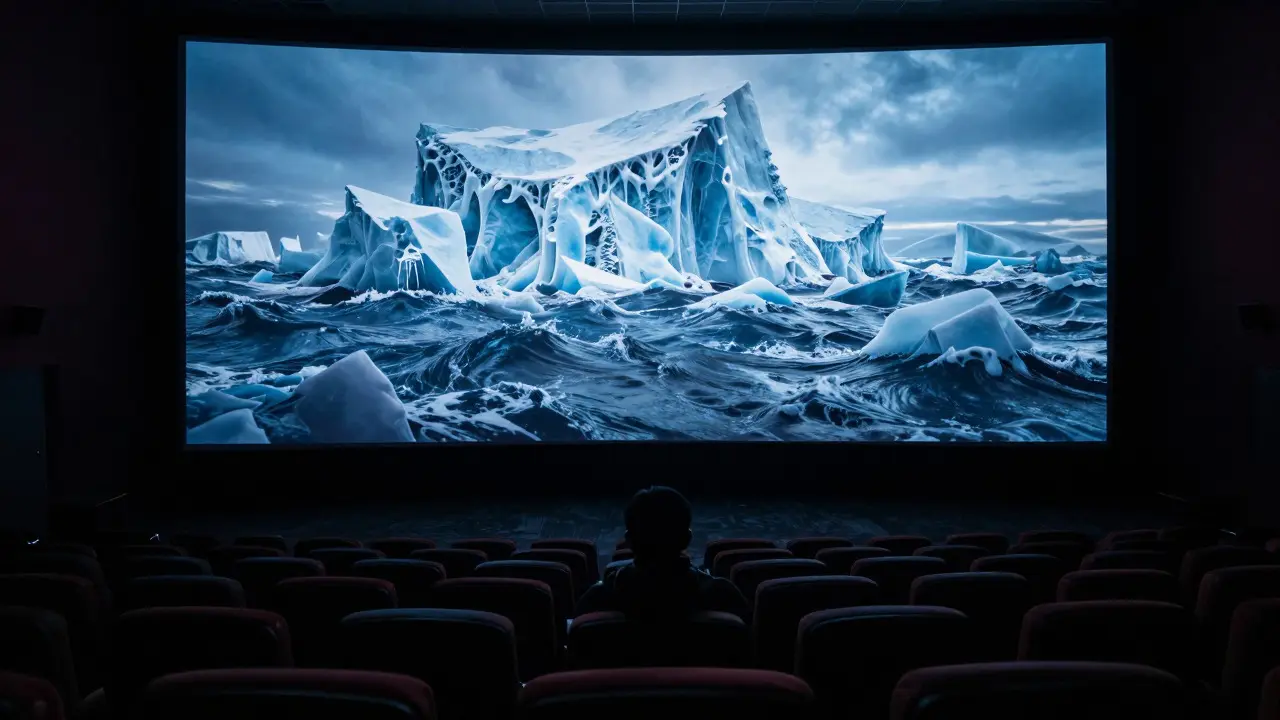
Walk into a darkened theater and watch the ice caps melt on screen. It’s visceral, isn’t it? For decades, cinema treated nature as a backdrop-a pretty green field or a dramatic stormy sky. But lately, the environment has stepped into the spotlight, often with a grim expression. We are no longer just watching stories about people; we are watching stories about the planet itself. This shift marks the rise of ecological themes in modern storytelling, moving beyond simple conservation messages to complex warnings about our collective future.
You might have noticed that the tone has changed. Gone are the days when the hero simply plants a tree and saves the day by the third act. Today’s narratives lean into ambiguity, systemic failure, and the weight of historical responsibility. Films like Don’t Look Up satirize political paralysis, while Interstellar depicts a dying Earth so barren that humanity must leave its cradle behind. These aren’t just movies; they are cultural mirrors reflecting our anxiety about the Anthropocene era.
The Evolution from Conservation to Crisis
To understand where we are now, you have to look back at where we started. In the mid-20th century, environmental films were largely educational documentaries or family-friendly adventures. Think of Hearts and Minds or early Disney nature specials. The message was clear: nature is beautiful, and humans should protect it. It was a moral imperative, but rarely a plot driver.
Then came the 1970s and 80s, where disaster movies began to blend ecology with spectacle. Silent Spring (the book) inspired a wave of awareness, but films like All That Jazz or even Close Encounters of the Third Kind kept nature secondary to human drama. The real pivot happened in the late 90s and early 2000s. With the release of Erin Brockovich and later An Inconvenient Truth, the industry realized that environmental issues could drive mainstream box office success. The narrative shifted from "save the whales" to "fix the system."
Today, we see a maturation of this genre. Filmmakers are less interested in villainizing a single oil executive and more interested in depicting the slow, grinding reality of climate change. It’s not a sudden explosion; it’s a slow boil. This nuance makes the viewing experience heavier, but also more resonant for audiences who feel the heatwaves themselves.
Key Narrative Archetypes in Eco-Cinema
When you analyze these films, certain patterns emerge. Storytellers rely on specific archetypes to convey ecological urgency. Recognizing these helps you decode the subtext of any recent release.
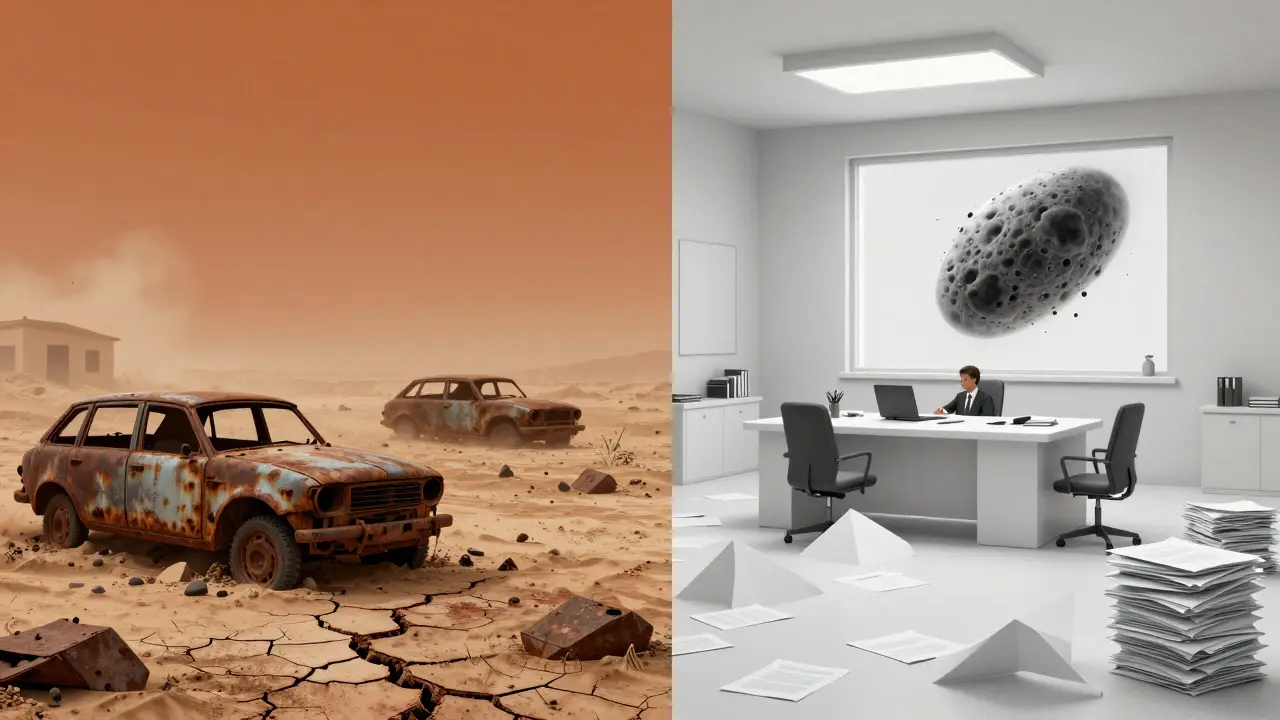
- The Dystopian Exodus: This is the most common trope. Humanity has ruined Earth, so we leave. Mad Max: Fury Road and Waterworld fit here. The focus is on survival in a resource-scarce world. The warning is implicit: if we don’t adapt, we become nomads fighting over scraps.
- The Bureaucratic Failure: Here, the threat is known, but the response is paralyzed by politics or corporate greed. Don’t Look Up is the prime example. The asteroid (climate change) is obvious, but no one wants to admit it because it’s inconvenient. This archetype critiques institutional inertia.
- The Indigenous Wisdom: Many recent films center indigenous perspectives, suggesting that Western industrial models are flawed. Wind River and First Cow touch on land stewardship. The narrative suggests that the solution lies in returning to older, more sustainable relationships with the land.
- The Techno-Utopian Fix: A minority of films suggest technology will save us. Solar cities, carbon capture machines, AI-managed ecosystems. While hopeful, these stories often ignore the social costs of rapid technological change.
Each archetype serves a different purpose. The dystopian warns of consequence; the bureaucratic criticizes action; the indigenous offers an alternative; and the techno-utopian provides hope. Most successful films blend two or three of these to create a layered narrative.
Visual Language and Symbolism
How do directors show climate change without showing a thermometer? They use visual symbolism. Water is the most potent symbol. In Avatar: The Way of Water, water represents both life and displacement. The Na’vi people are displaced by mining, mirroring how rising sea levels displace coastal communities. The fluidity of water contrasts with the rigid, metallic structures of the colonizers.
Color palettes also tell a story. Traditional eco-horror films used sickly greens and browns to signify decay. Modern films often use stark whites and blues to represent cold, sterile futures, or harsh oranges to depict drought and fire. In Dune, the sand is not just a setting; it is a character. Its scarcity drives every conflict. The visual emphasis on dust and dehydration forces the audience to feel the physical toll of aridification.
Sound design plays a crucial role too. The silence of a dead forest is louder than any explosion. Directors use ambient noise-or the lack thereof-to signal ecological collapse. When the birds stop singing in a scene, you know something is wrong before the dialogue explains it. This auditory cue creates a subconscious sense of unease that sticks with you long after the credits roll.
Cultural Impact and Audience Reception
Do these films actually change behavior? The answer is complicated. Box office numbers suggest that audiences love these stories. Interstellar grossed over $700 million globally. People buy tickets to see their fears dramatized. But does watching a movie lead to voting for green policies or reducing plastic use? Not directly, perhaps. However, these films normalize the conversation. They make climate change a topic you can discuss at dinner parties without sounding like a zealot.
Social media amplifies this effect. Clips from eco-thrillers go viral, sparking debates about realism versus exaggeration. Critics argue that Hollywood exaggerates the timeline, making the crisis seem imminent rather than gradual. Supporters counter that art is not science; it’s emotion. And emotion is what drives policy change. Without the emotional hook provided by cinema, data points remain abstract numbers in a spreadsheet.
There is also a backlash. Some viewers suffer from "climate fatigue." Seeing another film about a dying planet can feel exhausting. This leads to a demand for "hopeful" narratives. Recent trends show a rise in stories that focus on restoration rather than just destruction. Films that show communities rebuilding, adapting, and thriving in new conditions are gaining traction. The audience is tired of doom; they want agency.
Comparing Major Eco-Thrillers
To better understand the landscape, let’s compare a few significant films based on their narrative approach and thematic focus.
| Film Title | Primary Theme | Narrative Tone | Key Message |
|---|---|---|---|
| Don’t Look Up | Bureaucratic Failure | Satirical / Dark Comedy | Institutional denial is more dangerous than the threat itself. |
| Interstellar | Dystopian Exodus | Dramatic / Sci-Fi | Human resilience allows survival even when home is lost. |
| Avatar: The Way of Water | Indigenous Wisdom | Epic / Adventure | Colonial extraction disrupts natural balance; adaptation is key. |
| Mad Max: Fury Road | Resource Scarcity | Action / Post-Apocalyptic | Survival requires abandoning old power structures. |
Notice how the tone varies wildly. You can get your ecological fix through comedy, tragedy, or high-octane action. This variety ensures that almost anyone can find an entry point into the conversation. If you hate sci-fi, try the satire. If you prefer action, pick the post-apocalyptic. The theme remains consistent, but the delivery method changes.

Future Directions in Environmental Storytelling
Where does this go next? As climate impacts become more visible, filmmakers are likely to move away from speculative futures and toward present-day realism. We are already seeing this in documentaries, but feature films are catching up. Expect more stories set in recognizable locations-flooded Miami, drought-stricken California, or wildfire-ravaged Australia. The horror comes from the familiarity.
Also, the intersection of technology and ecology will deepen. Stories about geoengineering, carbon capture, and AI management of ecosystems will become more common. These are not just sci-fi concepts anymore; they are active policy debates. Cinema will help visualize these abstract technologies, making them tangible for the public.
Finally, global co-productions will play a bigger role. Climate change is a borderless issue, and stories from the Global South-where impacts are often felt first and hardest-are gaining international attention. Films from India, Brazil, and Nigeria are offering unique perspectives that challenge the Western-centric view of environmentalism. This diversification enriches the genre, providing a more complete picture of the global crisis.
Practical Takeaways for Viewers
If you want to engage with these themes, start by identifying which archetype resonates with you. Do you need to laugh to cope? Watch Don’t Look Up. Do you need to feel awe? Watch Interstellar. Use the film as a starting point for discussion. Ask friends or family: "What did you think about the ending? Was it realistic?" These conversations build community around the issue.
Pay attention to the production values, too. Studios are increasingly conscious of their own carbon footprints. Look for films that mention sustainable production practices in their press kits or interviews. Supporting studios that prioritize green filmmaking sends a market signal that audiences care about consistency between message and medium.
Ultimately, cinema doesn’t solve the climate crisis. But it frames it. It decides whether we see the problem as distant, inevitable, or actionable. By choosing to watch, analyze, and discuss these films, you participate in shaping that frame. The screen reflects the world, but it also helps shape how we see it. Keep your eyes open.
What is the difference between eco-thrillers and environmental documentaries?
Eco-thrillers use fictional narratives to explore the emotional and societal impacts of environmental crises, often featuring dramatic plots and characters. Documentaries rely on factual evidence, interviews, and data to inform the audience about specific environmental issues. Thrillers aim to engage emotionally, while documentaries aim to educate factually.
Why are many modern climate films set in the future?
Setting films in the future allows directors to exaggerate current trends to highlight potential consequences without being accused of presenting unverified facts. It provides creative freedom to explore extreme scenarios, such as total ecosystem collapse, which may not be fully realized yet but serve as strong warnings.
Does watching climate films actually change people's behavior?
Research suggests that while films may not directly cause immediate behavioral changes, they significantly increase awareness and normalize discussions about climate change. This increased engagement can lead to long-term shifts in attitudes and support for policy changes, especially when combined with other educational resources.
What is the 'Anthropocene' in the context of film?
The Anthropocene refers to the current geological epoch characterized by significant human impact on Earth's geology and ecosystems. In film, it serves as a thematic backdrop, emphasizing that human activity is the primary driver of environmental change, shifting the blame from natural cycles to industrial processes.
Are there any hopeful environmental films?
Yes, while many films focus on doom, there is a growing trend toward 'solastalgia' or hopeful narratives. Films like Seeds or various indie productions focus on community resilience, rewilding, and successful adaptation strategies, offering viewers a sense of agency and optimism alongside the challenges.