
The Algorithm's Grip on the Movie Review
Why does this happen? Because of the way Google Search and social media platforms prioritize high click-through rates (CTR). When a publication relies on ad revenue, a nuanced headline like "The Subtle Rhythms of a Slow Cinema Piece" is a financial liability. A headline that screams "The Biggest Mistake in Cinema History" is an asset. This creates a strange paradox. The critic is writing for an audience that appreciates depth, but the gatekeeper (the algorithm) only rewards extremity. This pressure pushes critics toward a binary: either the movie is a perfect 10/10 or a total zero. There is very little room for the "it was okay, but flawed" middle ground when that middle ground doesn't trigger a dopamine hit in a scrolling user.The Rise of the 'Hot Take' Culture
We've shifted from the era of the "Review" to the era of the "Hot Take." A traditional review aims to provide a service-telling the reader if a film is worth their time and money. A hot take, however, is designed to provoke. It's less about the movie and more about the critic's brand. Take Letterboxd as an example. While it's a fantastic tool for tracking films, the social nature of the platform encourages punchy, one-liner reviews. When critics move from long-form journals to these micro-blogging styles, the nuance evaporates. You can't explain the sociopolitical context of a film in 280 characters or a witty caption. The result is a feedback loop where the most aggressive opinions get the most visibility, making it seem like everyone either loves or hates a film, even when most people feel something in between.How This Changes the Way We Watch
It's not just the writers who are changing; it's the audience. When we are primed by headlines that promise a disaster or a miracle, we stop watching movies with an open mind. We start looking for the "flaws" or "perfections" mentioned in the headline. If a headline tells you a movie is "unwatchable," you spend the first twenty minutes looking for reasons to agree rather than experiencing the film on your own terms. This creates a prescriptive viewing experience. Instead of the critic guiding the viewer toward a deeper understanding, the headline dictates the emotional response before the lights even go down in the theater. We are losing the ability to sit with ambiguity because our digital feeds demand a verdict immediately.| Feature | Traditional Critique | Digital Clickbait |
|---|---|---|
| Primary Goal | Contextual Analysis | Maximum Clicks (CTR) |
| Tone | Nuanced & Evaluative | Hyperbolic & Polarized |
| Metric of Success | Influence/Intellectual Rigor | Page Views/Shares |
| Reader Expectation | Informed Decision | Emotional Validation |

The Death of the Mid-Range Review
In the past, a critic could call a film "competent but unremarkable" and that was a fair assessment. Today, "unremarkable" is a death sentence for a digital article. To make it "shareable," that same review needs to be framed as "The Most Boring Movie of the Decade." This inflation of language has led to a devaluation of actual praise. When every decent movie is called a "masterpiece" or a "game-changer" just to attract views, the words lose their meaning. We've seen this happen in food criticism and tech reviews too, but in film, it's particularly damaging because cinema is an emotional medium. When we strip away the nuance, we strip away the ability to discuss why a movie actually works (or doesn't).Finding the Middle Ground
Is there a way out? Some critics are fighting back by moving toward subscription models like Substack. By removing the reliance on ad-driven traffic, they can write headlines that actually reflect the content of their work. When the reader is paying for the insight, the writer doesn't need to trick them into clicking. Furthermore, there's a growing movement toward "slow criticism." This involves waiting a few days after a premiere before publishing, resisting the urge to be the first to post a "first reaction" video. By stepping away from the immediate noise of the Social Media cycle, critics can return to the core of their job: thinking deeply about art.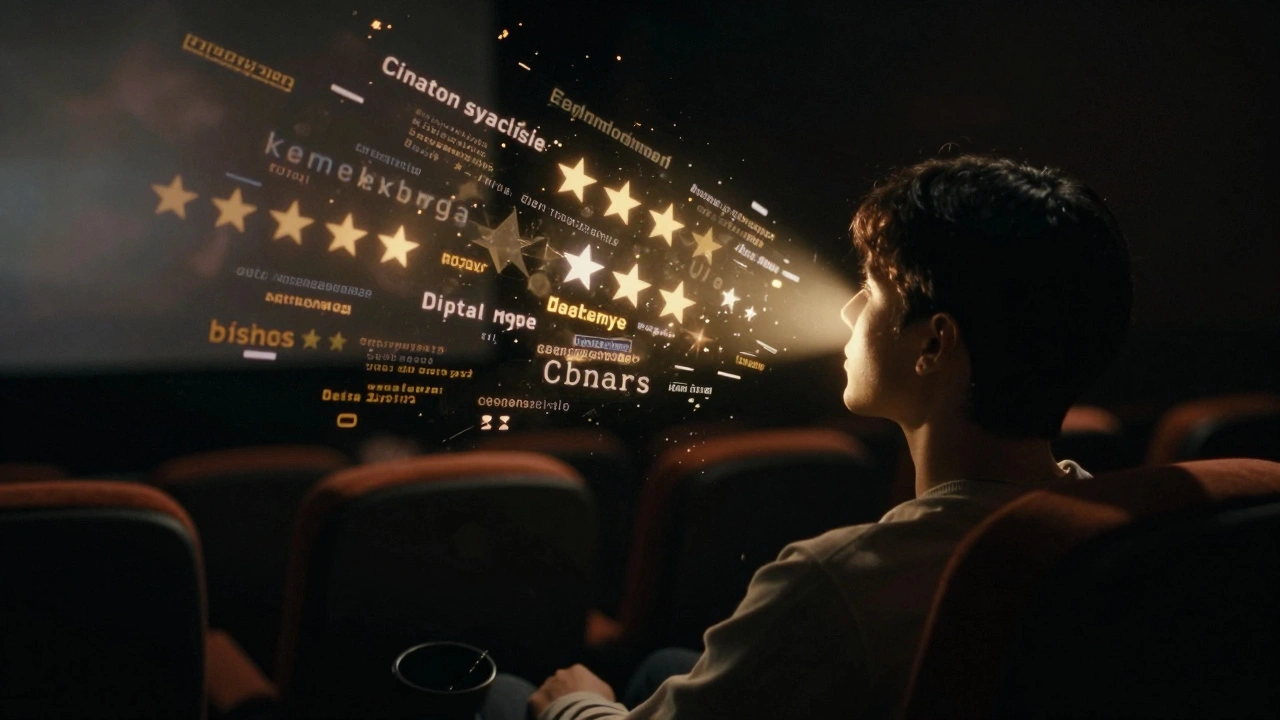
The Role of the Audience in the Ecosystem
As readers, we hold a lot of the power. Every time we click a headline that feels dishonest, we are telling the publisher that this is what we want. If we start rewarding nuance-by spending more time on long-form reads and sharing thoughtful analyses instead of screaming headlines-the incentive structure changes. We should ask ourselves: Do I want to know if a movie is "the worst ever," or do I want to know why its third act fails to support its premise? The former is a hit of adrenaline; the latter is a conversation. One is a commodity, the other is a contribution to culture.Does clickbait actually affect movie ratings?
Yes, indirectly. When headlines polarize a movie, it often leads to "review bombing" or inflated praise on sites like Rotten Tomatoes. People tend to align their ratings with the loudest voice in the room rather than their own experience.
Why do reputable critics still use clickbait titles?
Most critics don't choose their own headlines; editors do. Editors are tasked with survival in a digital economy where page views determine the budget for the entire arts section. It's often a compromise between artistic integrity and financial necessity.
What is the difference between a review and a critique?
A review is typically a consumer guide focused on whether you should spend money on the film. A critique is a deeper academic or artistic analysis that examines the film's place in a larger context, its technique, and its themes.
Can a movie be successful despite bad clickbait reviews?
Absolutely. Often, "hate-watching" becomes a trend. When a movie is labeled as a disaster through clickbait, curious audiences will flock to see it just to see how bad it actually is, sometimes resulting in a box office hit.
How can I find more honest film criticism?
Look for independent critics on platforms like Substack, read specialized cinema journals, or seek out critics who provide long-form essays rather than just a star rating and a punchy headline.






Comments(4)