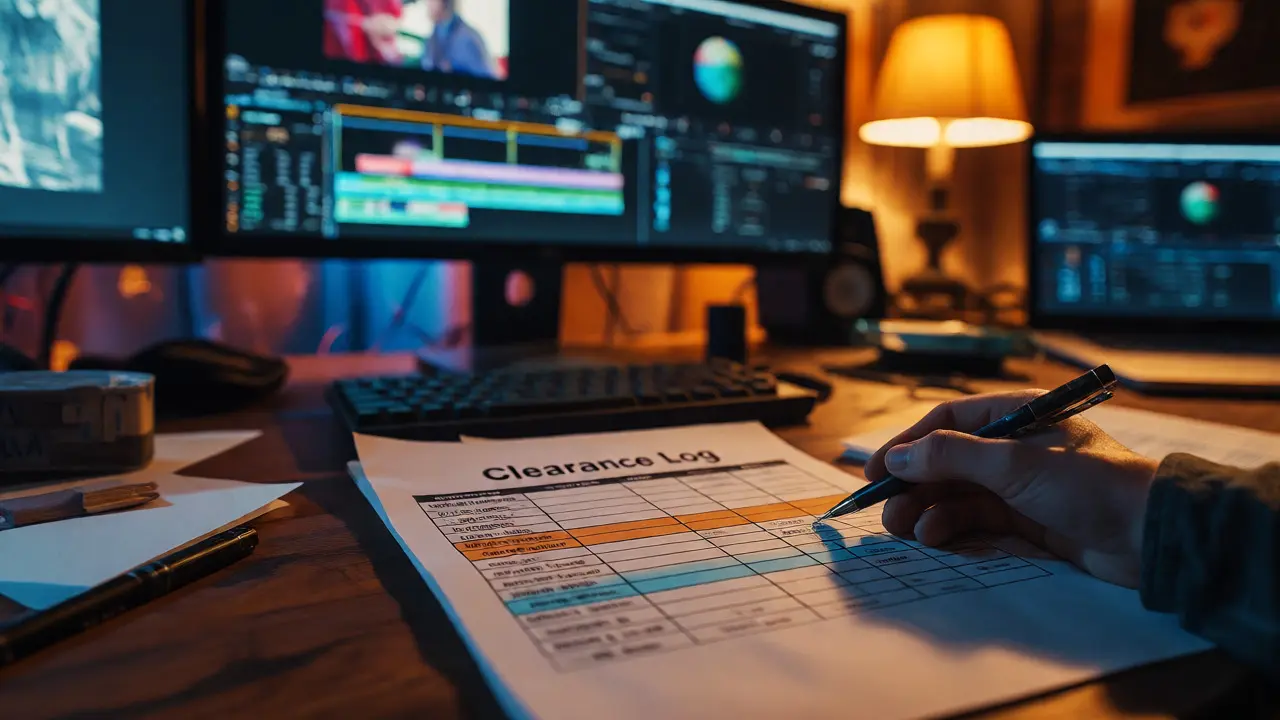
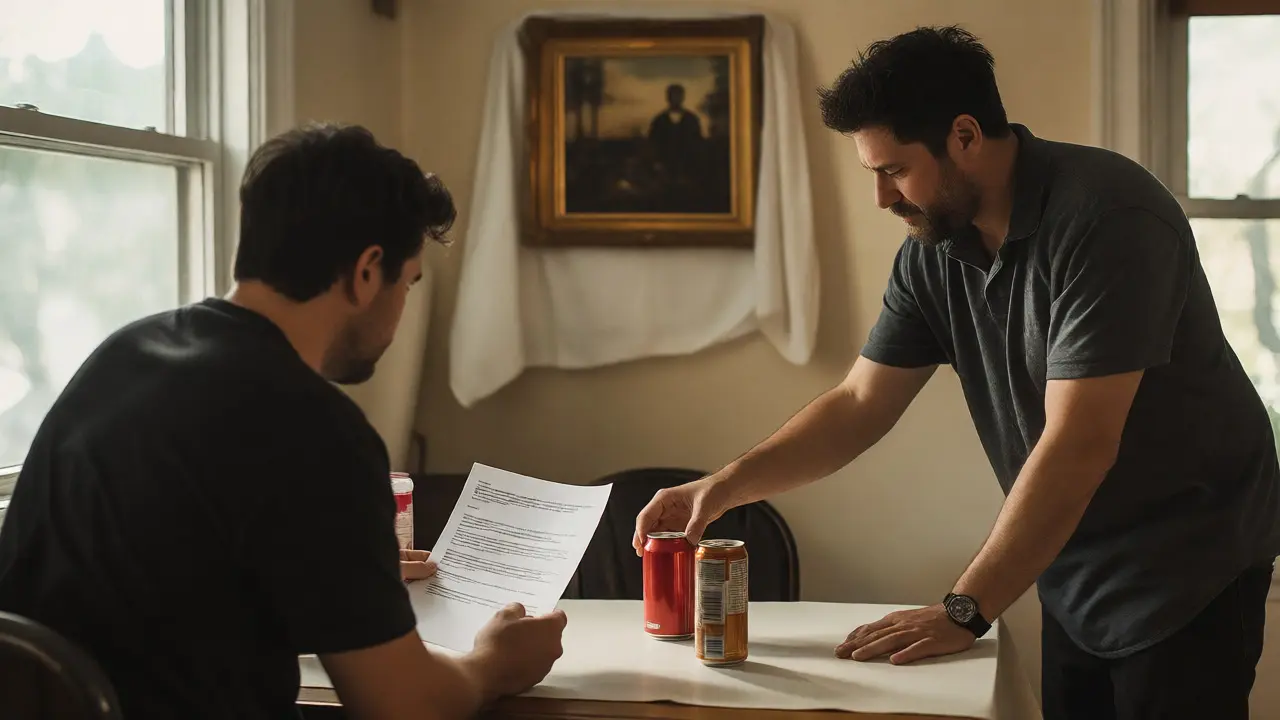
You just finished editing your short film. The pacing is tight, the color grade looks cinematic, and you’re ready to submit to festivals. Then it hits you: that catchy track in the opening scene? You grabbed it from a random YouTube playlist. That painting on the wall behind the protagonist? It’s a copyrighted piece by a living artist. And the logo on the soda can the villain crushes? Definitely trademarked.
This isn’t just a minor detail-it’s the difference between getting screened and getting sued. For indie productions, low-budget independent films, games, or media projects created outside major studio systems, clearance issues are often the silent killers of distribution deals. You don’t need a Hollywood legal team to navigate this, but you do need a system. Let’s break down how to handle music, visual art, and brand approvals without blowing your budget or your sanity.
The Reality Check: Why Clearance Matters More Than You Think
Many indie creators operate under the myth of "fair use." They think because their project is small, non-commercial, or educational, they can use whatever they want. Here’s the hard truth: fair use is a legal defense, not a permission slip. If a distributor picks up your film, they will require proof of ownership or license for every single asset. If you can’t provide it, they drop the project. Period.
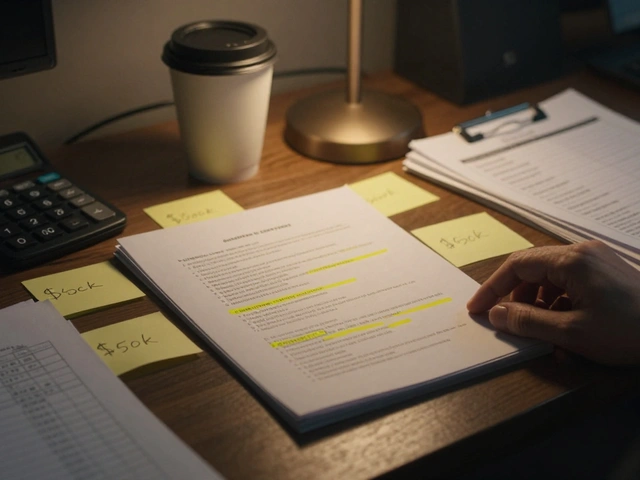
Think about the cost-benefit analysis. Spending $500 on a proper music license might feel steep when your total budget was $10,000. But if you skip it, you risk losing a $50,000 distribution deal later. Or worse, you get a cease-and-desist letter right before your premiere. The goal isn’t perfection; it’s risk mitigation. You need to know exactly what you own, what you’ve licensed, and what you’re gambling with.
Music Licensing: The Biggest Budget Sink
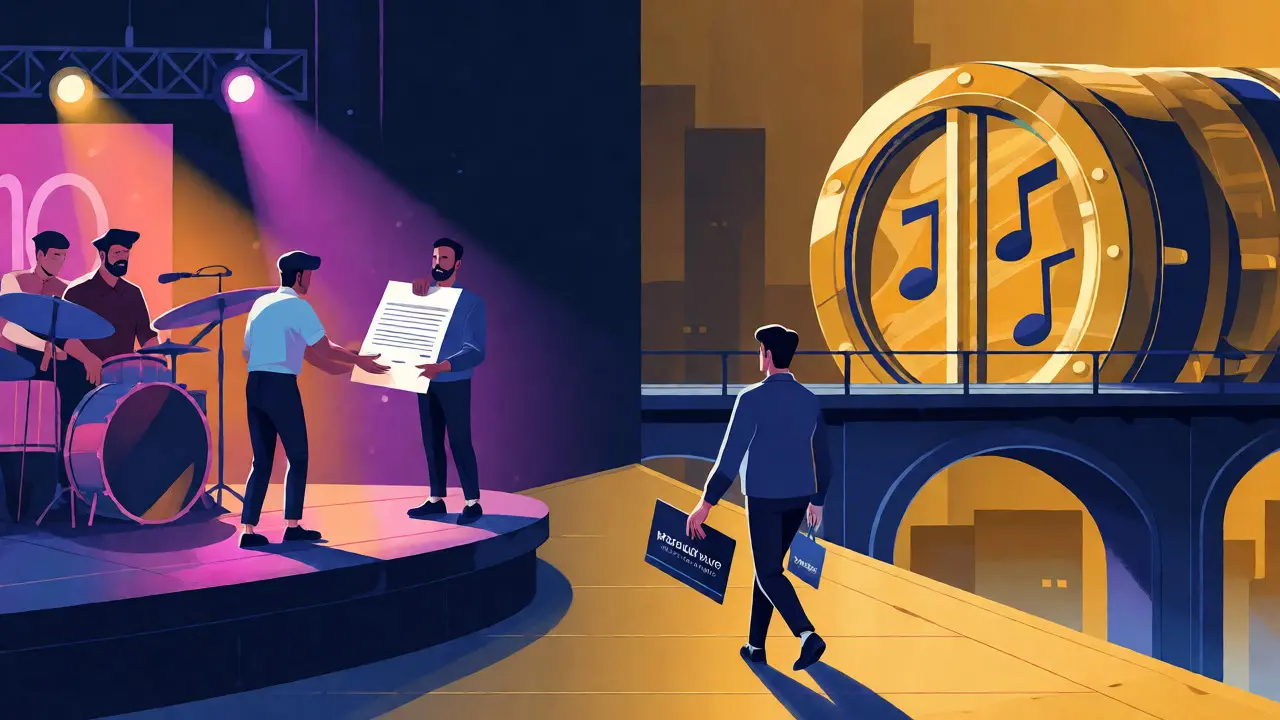
Music is usually the first place indie budgets bleed out. There are two main types of licenses you need to understand, though most people confuse them constantly.
- Synchronization License (Sync): This grants you the right to pair music with visual media. You get this from the publisher (who owns the composition/lyrics).
- Master Use License: This grants you the right to use the specific recording of that song. You get this from the record label (who owns the sound recording).
If you write and record your own music, you own both. Congrats, you’re done. But if you want to use a popular track, you need both licenses. And here’s the kicker: for indie films, labels often won’t negotiate unless you have a significant budget or a star director attached. So, what do you actually do?
The Indie-Friendly Alternatives
Don’t chase Taylor Swift tracks. Instead, look into these three tiers:
- Royalty-Free Libraries: Sites like Epidemic Sound, Artlist, or PremiumBeat offer subscription models. You pay a monthly fee, and you can use their entire catalog for social media, web videos, and sometimes festivals. Check the fine print-some licenses don’t cover theatrical releases or streaming platforms like Netflix.
- Creative Commons (CC) Tracks: These are free, but read the license carefully. CC-BY requires attribution. CC-NC (Non-Commercial) means you can’t monetize the film. CC-ND (No Derivatives) means you can’t edit the track to fit your scene cuts. Many creators ignore these rules and get flagged later.
- Direct Negotiation: Reach out to local bands or unsigned artists. They often want exposure and will grant you a sync license for a flat fee ($100-$500) or even for free in exchange for credit. Always get it in writing. An email saying "Sure, go ahead" is better than nothing, but a simple PDF agreement is best.
| Source Type | Cost Range | Legal Risk | Best For |
|---|---|---|---|
| Royalty-Free Subscription | $15-$50/month | Low (if terms followed) | Web content, festivals, small ads |
| Creative Commons | $0 | Medium (strict attribution) | Student films, passion projects |
| Local Artist Negotiation | $0-$500 flat fee | Low (with written contract) | Unique soundtracks, community ties |
| Major Label Track | $5,000+ | High (complex negotiation) | Budgets over $50k, known directors |
Artwork and Visual Assets: Don’t Forget the Background
People obsess over music but forget the visuals. Did you hang a framed poster in your set? Is there a sculpture on the table? Did you scan a vintage map for a graphic overlay? Each of these is a potential copyright issue.
Copyright law protects original works of authorship, including paintings, photographs, and sculptures. Unlike music, where performance rights organizations (PROs) help manage things, visual art rights are held directly by the creator or their estate. There is no central database to search.
Practical Steps for Visual Clearance
- Public Domain: Works published before 1929 (in the US) are generally public domain. You can use Van Gogh prints freely. But be careful: modern photographs of public domain paintings might have their own copyright held by the photographer.
- Licensed Stock: Use sites like Shutterstock or Getty Images for background props. Ensure your license covers "editorial use" or "film production," not just "web design."
- Commissioning Artists: If you hire an artist to create a prop or background element, clarify ownership upfront. Do you own the work outright (Work for Hire), or do you just get a license to use it in your film? Without a contract, the artist retains copyright by default.
- Incidental Capture: If you’re filming on location and a billboard appears in the shot, you might need to blur it or get permission. However, brief, incidental appearances of trademarks in a documentary-style context often fall under fair use, but narrative fiction has stricter standards.
Brand Approvals and Trademarks: The Product Placement Trap
Your character drinks Coca-Cola. Great. But did you ask Coca-Cola if they wanted to be in your movie? Using a trademarked logo without permission can lead to claims of false endorsement or dilution. Conversely, brands love placement-but only if it aligns with their image.
For indie producers, there are two paths: clearance (asking permission) or trade-out (getting product for free).
How to Approach Brands
Start with smaller, local brands. A local brewery is more likely to say yes to a 3-second shot of their beer can than a global conglomerate. When you reach out, keep it simple:
- Be Specific: Don’t just say "we want your product in our film." Say, "We have a 5-second close-up of your bottle during a tense dinner scene."
- Show Value: Explain who your audience is. Are you targeting millennials? Horror fans? Provide a mood board or script excerpt.
- Offer Trade: Ask for product support (free beer, coffee, snacks) in exchange for screen time. This reduces cash costs and builds goodwill.
If a brand says no, respect it. Don’t just slap the sticker on anyway. In post-production, you can digitally remove logos (a process called "logo removal"), but it’s expensive and time-consuming. Better to plan ahead.
Building Your Clearance Paper Trail
Here’s the part everyone skips: documentation. You might remember giving your cousin permission to use his song. But six months from now, when a lawyer asks for proof, you’ll wish you had an email chain or a signed form.
Create a "Clearance Log" spreadsheet. Include these columns:
- Asset Name: e.g., "Song - Midnight Drive"
- Type: Music, Image, Video Clip, Logo
- Owner: Who holds the rights?
- License Type: Sync, Master, CC-BY, Public Domain
- Proof Document: Link to PDF or email thread
- Status: Cleared, Pending, Rejected
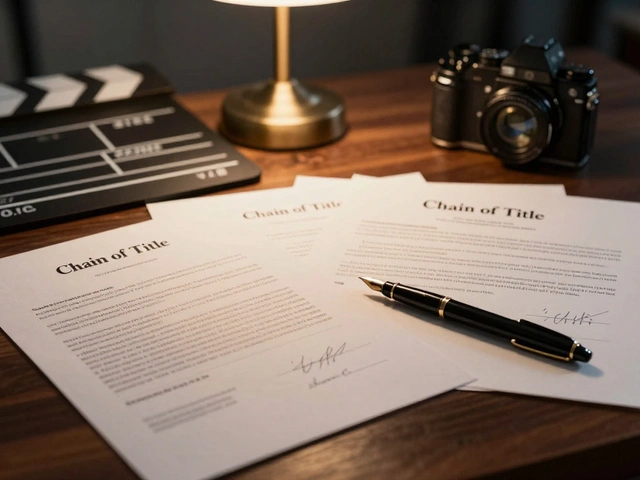
This log becomes your bible during delivery. Distributors will ask for a "chain of title" report. If your log is clean, you look professional. If it’s messy, you look risky.
Common Pitfalls to Avoid
I’ve seen indie filmmakers stumble on the same mistakes repeatedly. Here’s how to dodge them:
- The "I’ll Fix It in Post" Lie: You can’t always fix clearance issues in post. If you didn’t get the license, removing the music might ruin the scene’s emotional impact. Plan before you shoot.
- Ignoring Social Media Rights: Just because you cleared a song for your festival cut doesn’t mean you cleared it for Instagram reels or TikTok promos. Social media licenses are often separate and cheaper. Buy them early.
- Assuming Fair Use Applies to Everything: Parody is protected. Criticism is protected. But using a pop song just because it fits the vibe? That’s rarely fair use.
- Forgetting Actors’ Likeness: If you use stock footage with recognizable faces, ensure those actors signed model releases. Street interviews require verbal consent recorded on tape.
Next Steps: Start Early, Stay Organized
Clearance isn’t a one-time task at the end of production. It’s an ongoing habit. Start collecting permissions during pre-production. Build relationships with local artists and musicians-they’re your allies. Keep your paperwork digital and backed up.
Remember, the goal isn’t to make every asset perfect. It’s to make your project deliverable. A well-cleared indie film opens doors. A legally ambiguous one stays on a hard drive. Take control of your rights, and your creative vision will actually reach an audience.
Do I need a lawyer for indie production clearances?
Not necessarily for small projects. For budgets under $50,000, self-clearing using templates and royalty-free libraries is common. However, if you’re negotiating with major labels or planning wide theatrical release, consulting an entertainment attorney is worth the investment to avoid costly errors.
What happens if I use copyrighted music without permission?
You face several risks: the platform (like YouTube) may mute your audio or block your video; distributors may refuse to pick up your film; or you could receive a takedown notice or lawsuit seeking damages. Damages can range from statutory fees per track to lost profits.
Is Creative Commons safe for commercial indie films?
It depends on the specific CC license. CC-BY (Attribution) is generally safe if you credit properly. CC-NC (Non-Commercial) prohibits monetization, so if you sell tickets or run ads, you cannot use it. Always verify the current license status, as some creators change terms retroactively.
How much does a sync license typically cost for indie films?
Costs vary wildly. For unknown artists, it might be $100-$500. For mid-tier indie artists, $1,000-$5,000. Major label hits can cost tens of thousands. Royalty-free subscriptions offer a flat rate alternative, often ranging from $15 to $100 per month depending on usage scope.
Can I blur logos instead of getting approval?
Yes, blurring or pixelating logos is a common technique to avoid trademark issues, especially for background elements. However, it looks less professional than a clean shot. Use it only when clearance is impossible or too expensive, and ensure the blur is consistent throughout the scene.