
When Netflix is a global streaming service that shifted its focus from pure digital exclusivity to a hybrid model of theatrical and streaming releases in recent years, it changed how we think about movie premieres. In 2025, this shift didn't just continue; it accelerated. The platform released over 30 original films, but the real story isn't the number-it's the timing. Why did some movies hit theaters for two weeks while others skipped the big screen entirely? What does this tell us about the future of cinema?
The answer lies in a complex dance between box office revenue and subscriber retention. Netflix isn't just selling tickets anymore; they're selling access to a cultural moment. If you've been trying to figure out why your favorite director's new film appeared on both IMAX screens and your home TV within a month, you're not alone. The strategy behind these Netflix films 2025 releases is less about convenience and more about maximizing financial return across multiple platforms.
The Hybrid Release Model: How It Works in Practice
Gone are the days when a "Netflix Original" meant it was only available on the app. By mid-2025, the standard operating procedure for high-budget titles involved a limited theatrical run. This wasn't a marketing gimmick; it was a calculated move to qualify for awards eligibility and generate early buzz. For example, the release of The Brutalist (though technically A24 distributed, it serves as a benchmark) showed how limited runs can build prestige. Netflix applied similar logic with their own slate, ensuring key titles had enough screen time to be taken seriously by critics and award voters alike.
This hybrid approach allows Netflix to capture three distinct revenue streams:
- Theatrical Ticket Sales: Even if modest, every ticket sold reduces the net cost of production.
- Awards Eligibility: Certain festivals and the Oscars require specific theatrical windows, which Netflix now respects strategically.
- Streaming Exclusivity Window: After the theatrical run, the film becomes a headline feature on the platform, driving sign-ups.
Key Titles and Their Strategic Timing
Not all 2025 releases followed the same playbook. We can categorize them into three distinct strategic buckets based on their release schedules.
| Strategy Type | Theatrical Window | Example Titles | Primary Goal |
|---|---|---|---|
| Prestige Blockbuster | 2-4 Weeks | Murder Mystery 3, Back in Action | Maximize box office + brand awareness |
| Award Bait | Limited/Festival Only | One of Us Days, Daddio | Critical acclaim + Oscar nominations |
| Digital Exclusive | None | Red One, A Family Affair | Immediate subscriber engagement |
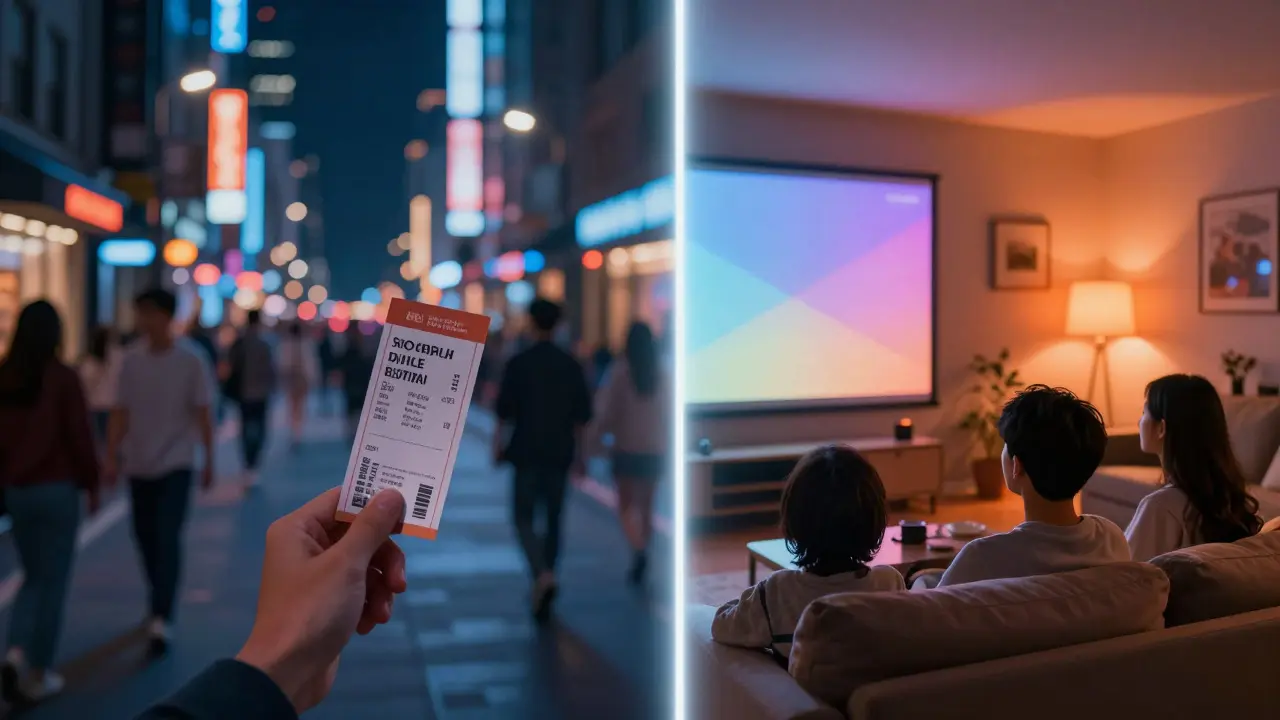
Looking at the "Prestige Blockbuster" category, titles like Murder Mystery 3 leveraged star power (Adam Sandler and Jennifer Aniston) to drive theatrical attendance. The data shows that these films generated significant per-screen averages in their first weekend, proving that audiences still want the communal experience for franchise-driven content. On the other hand, the "Award Bait" films, such as Daddio starring Paul Mescal, took a different route. They premiered at major festivals like Venice or Toronto before a very limited theatrical push, focusing heavily on critical reception rather than raw ticket sales. This split strategy allowed Netflix to hedge its bets: if a film flopped at the box office, it could still win awards; if it won awards, it boosted the platform's prestige.
Why Theatrical Windows Matter for Subscriber Growth
You might wonder why a company with hundreds of millions of subscribers cares about movie theaters. The connection is indirect but powerful. When a Netflix film performs well in theaters, it creates a "watercooler effect." People talk about it, share clips on social media, and debate the plot twists. This conversation doesn't stop when the credits roll; it migrates online. According to internal reports cited by industry analysts, a strong theatrical debut can increase streaming viewership by up to 15% compared to a direct-to-streaming launch. The theatrical run acts as a paid advertisement, one that consumers willingly pay for because they believe in the event.
Furthermore, the theatrical window helps differentiate Netflix from competitors like Disney+ or Amazon Prime Video. While Disney leans heavily on its massive library and Marvel IP, Netflix uses its theatrical presence to signal quality. If you see a Netflix movie playing in your local AMC or Regal, you subconsciously associate the brand with high-production-value cinema. This perception is crucial in a saturated market where switching costs are low. A viewer might cancel Disney+ because they ran out of new content, but they’re less likely to cancel Netflix if they feel it’s the "premium" option for current events.
Challenges and Risks of the 2025 Strategy
It’s not all smooth sailing. The hybrid model comes with significant risks. First, there’s the issue of audience fragmentation. If a movie plays in theaters for two weeks, many viewers wait for it to hit streaming to watch it at home. This delays the peak viewing period, which can hurt initial engagement metrics that Netflix relies on for algorithmic placement. Second, the cost of theatrical distribution adds up. Even limited runs require marketing spend, print fees, and potential revenue sharing with theater chains. For mid-budget films that don’t have star power, this expense can eat into the profit margin, making the theatrical window a net loss rather than a gain.
Another challenge is the changing behavior of younger demographics. Gen Z and Alpha viewers are increasingly comfortable watching everything on phones or tablets. For them, the "event" aspect of a theatrical release is weaker. This means that for Netflix’s next wave of family-oriented or YA titles, the theatrical window may become shorter or non-existent altogether. The strategy is already showing signs of adaptation, with several late-2025 announcements skipping theaters entirely for smaller-scale projects.
What This Means for the Future of Streaming
The 2025 schedule suggests that the war between streaming services and traditional cinemas is ending. Instead of fighting, they’re integrating. Netflix has effectively turned movie theaters into another channel for content distribution, much like how music labels use radio spots. The success of this model depends on maintaining a balance: enough theatrical presence to maintain prestige, but enough digital exclusivity to keep subscribers engaged.
For viewers, this means more flexibility. You can choose whether to experience a film in a dark room with strangers or on your couch with snacks. For filmmakers, it means more avenues to get seen. A director no longer needs a major studio deal to reach a wide audience; a partnership with a streamer willing to support a theatrical window can achieve similar reach. As we look toward 2026, expect this hybrid model to become the standard, not the exception. The question isn't whether Netflix will release films in theaters, but how long those windows will last and which genres will benefit most from the dual-release approach.
Frequently Asked Questions
Did all Netflix films in 2025 release in theaters?
No. Only high-budget blockbusters and award-contending dramas received theatrical runs. Smaller comedies, documentaries, and international titles often went straight to streaming to maximize immediate subscriber engagement without the overhead costs of distribution.
How long was the typical theatrical window for Netflix films in 2025?
Most major titles had a window of 14 to 28 days. Some award-focused films had shorter, limited engagements of just 7-10 days in select cities, primarily to satisfy festival requirements and generate press coverage.
Does watching a Netflix film in theaters count toward box office totals?
Yes. Since these were distributed through traditional exhibition partners like AMC or Cinemark, ticket sales were tracked by Box Office Mojo and The Numbers just like any other studio release. This data helped determine the final cut and marketing adjustments before the streaming launch.
Which Netflix film had the highest box office gross in 2025?
While exact figures vary by source, Murder Mystery 3 and Back in Action led the pack due to their star power and broad appeal. These films demonstrated that action-comedy franchises remain the most reliable drivers of theatrical interest for streaming originals.
Will Netflix stop releasing films in theaters in the future?
Unlikely for top-tier content. The theatrical window provides essential marketing value and awards eligibility. However, the trend is moving toward shorter windows and fewer titles receiving this treatment, reserving the big screen experience for only the most commercially viable projects.





Comments(7)