Imagine walking into a theater for a highly anticipated blockbuster. You've seen the trailers, read the glowing headlines, and maybe even watched your favorite influencer rave about it online. Then, you sit down, watch the two-hour runtime, and walk out feeling... underwhelmed. That disconnect isn't just bad luck; it's a symptom of how we consume film criticism is the professional and amateur analysis of cinema that guides public taste and industry standards. When positive voices dominate, negative reviews become the essential counterweight that keeps our cultural conversation honest.
The Psychology of Confirmation Bias in Moviegoing
Before we blame the critics, let's look at ourselves. Human brains are wired to seek confirmation of what we already believe. If a movie is marketed as "a must-see," we expect it to be good. When a critic agrees with that expectation, we feel validated. When a critic disagrees, we often dismiss them as "hating on" something they don't understand. This is known as confirmation bias is a cognitive tendency to search for or interpret information in a way that confirms one's preexisting beliefs.
Negative reviews fight this bias by forcing us to pause. They ask us to consider if our excitement is based on genuine artistic merit or just hype. For example, when a visually stunning but narratively weak film receives a low score from a respected outlet like The New York Times is a major American newspaper that has historically influenced critical consensus in the United States., it prompts viewers to separate spectacle from substance. Without these dissenting voices, the market becomes an echo chamber where only safe, crowd-pleasing content thrives.
Dissent Drives Industry Innovation
Critics aren't just gatekeepers for audiences; they are feedback loops for filmmakers. In the early days of Hollywood, studios largely ignored critical opinion, focusing solely on box office numbers. But as cinema evolved into a recognized art form, critical acclaim became a currency that could sell films in international markets and secure awards recognition.
Consider the rise of independent cinema. Films like Moonlight (2016) or Parasite (2019) gained momentum partly because critics championed them against the backdrop of massive studio releases. Conversely, when a big-budget flop receives scathing reviews, studios take note. The decline of certain genres or styles often follows a pattern of sustained negative critical reception. Dissenting perspectives push directors to take risks, knowing that safe bets might be met with indifference or mockery by the intellectual community that shapes long-term legacy.

The Role of Aggregators and the Math of Consensus
Today, most people don't read individual essays. They check aggregate scores. Platforms like Rotten Tomatoes is a website that aggregates film reviews from professional critics and audiences to provide a consensus score. use a simple binary system: fresh or rotten. This simplification has its flaws, but it makes the impact of negative reviews visible at scale. A single negative review might be ignored, but a cluster of them signals a systemic issue with the film.
However, the math matters. If a film has 50 reviews, and 45 are positive, it gets a 90% score. If another film has 50 reviews, and 30 are positive, it gets a 60%. The second film is still considered "fresh," but the gap reveals the presence of strong dissent. This nuance is crucial. It tells us that while the majority enjoyed the film, a significant minority found fundamental flaws. Ignoring that minority perspective gives a false sense of universal appeal.
| Aspect | Positive Reviews | Negative Reviews |
|---|---|---|
| Primary Function | Validation and discovery | Quality control and risk assessment |
| Audience Impact | Increases confidence to buy tickets | Reduces regret and manages expectations |
| Industry Signal | Confirms current trends | Highlights oversaturation or creative failure |
| Long-term Legacy | Builds initial buzz | Shapes critical re-evaluation over time |
Subjectivity vs. Objectivity: The Critic's Dilemma
One of the biggest arguments against negative reviews is subjectivity. "I loved it, so why do you hate it?" This is a fair question, but it misunderstands the role of criticism. A critic isn't reporting their personal enjoyment; they are analyzing the film's execution against specific criteria: pacing, character development, thematic coherence, and technical craft.
When a critic writes a negative review, they are usually pointing to specific failures. For instance, a review might cite poor editing that disrupts emotional flow or dialogue that feels unnatural. These are observable facts, not just feelings. By articulating *why* a film failed, the critic provides a framework for other viewers to evaluate their own experience. Did you notice the same pacing issues? Or were you so immersed that you didn't care? Both responses are valid, but the negative review ensures that the alternative perspective exists.
The Danger of Homogeneity
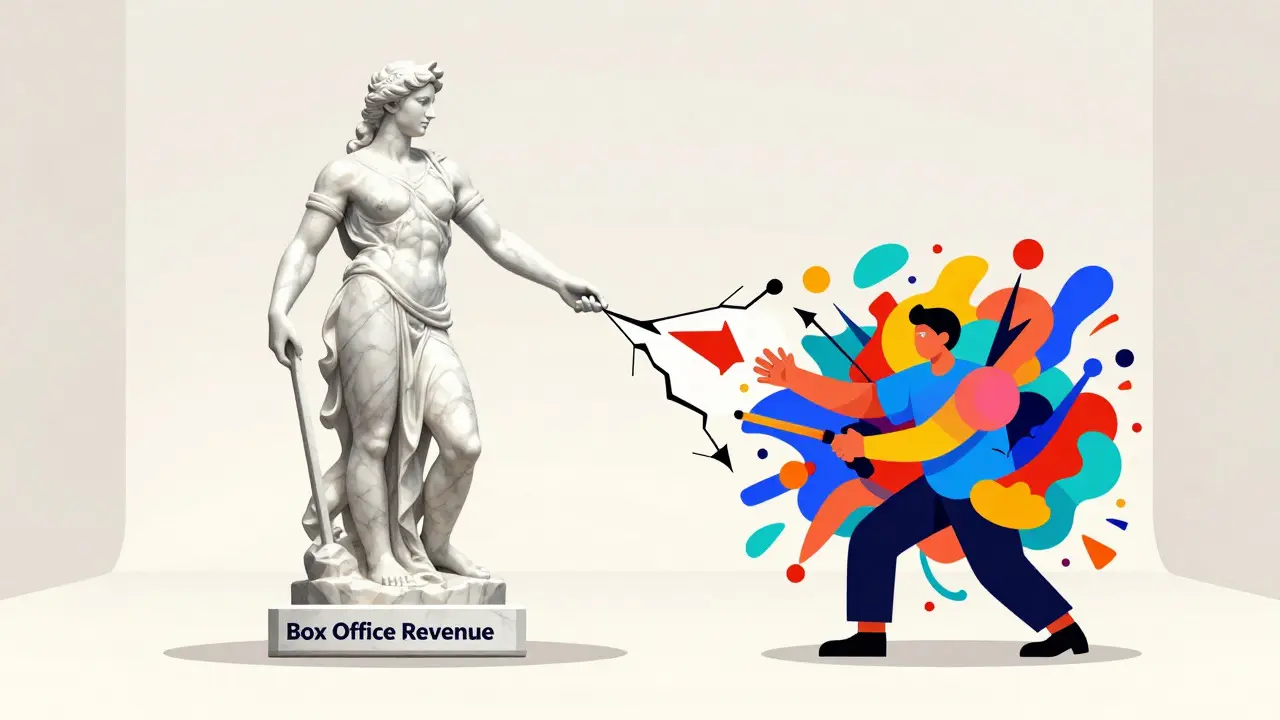
If we eliminate negative reviews, we don't get a world where everyone loves everything. We get a world where mediocrity goes unchecked. History shows us that art forms stagnate when they lack rigorous scrutiny. Jazz, poetry, and painting all benefited from harsh critiques that pushed artists to refine their techniques.
In cinema, this means that without dissenting voices, we might see fewer experimental narratives, less diverse storytelling, and more reliance on formulaic structures that guarantee broad appeal but lack depth. Negative reviews protect the space for niche, challenging, and unconventional films to find their audience by distinguishing them from the mainstream noise. They tell the adventurous viewer, "This isn't for everyone, but here is exactly who it is for."
How to Read Negative Reviews Effectively
So, how should you approach a negative review when you're deciding whether to watch a film? Here is a practical strategy:
- Check the Source: Is the critic known for being overly harsh or lenient? Understanding their baseline helps calibrate the severity of the critique.
- Read the Rationale: Don't just look at the star rating. Read the text. Does the critic dislike the genre? Or do they point to specific structural flaws?
- Compare with Your Own Priorities: If you value visual style over plot, a negative review focused on narrative logic might not apply to you. If you value emotional resonance, a critique of cold, detached direction might be a red flag.
- Look for Patterns: One negative review is an opinion. Five negative reviews citing the same issue (e.g., slow pacing) is a trend worth heeding.
By treating negative reviews as data points rather than verdicts, you empower yourself to make informed choices. You stop relying on the hype cycle and start engaging with the actual product. This shift in mindset transforms you from a passive consumer into an active participant in the cultural discourse.
Do negative reviews hurt a movie's box office?
Yes, significantly. Studies show that a drop in aggregate scores can reduce opening weekend revenue by up to 15-20%. However, the impact is less severe for established franchises with loyal fan bases, where brand recognition outweighs critical opinion.
Are professional critics better than average viewers at predicting quality?
Not always. Critics are trained to analyze craft, but they may miss mass appeal factors. Average viewers often prioritize entertainment value over technical perfection. The best approach is to blend both sources of information.
What is the difference between a 'rotten' score and a 'fresh' score on Rotten Tomatoes?
A 'fresh' score indicates that 60% or more of professional critics gave the film a positive review (usually 6/10 or higher). A 'rotten' score means less than 60% gave it a positive review. It is a measure of consensus, not absolute quality.
Should I ignore negative reviews if I really want to see a movie?
You shouldn't ignore them, but you should contextualize them. If the negatives focus on aspects you don't care about (like political messaging or minor plot holes), you can safely proceed. If they highlight fundamental flaws in acting or direction, consider waiting for streaming release.
How has social media changed the role of negative reviews?
Social media has democratized criticism. Now, viral tweets or TikTok videos can have as much impact as a major newspaper review. This has made the landscape noisier but also more immediate. Negative reactions can spread instantly, creating real-time pressure on studios to respond or adjust marketing strategies.