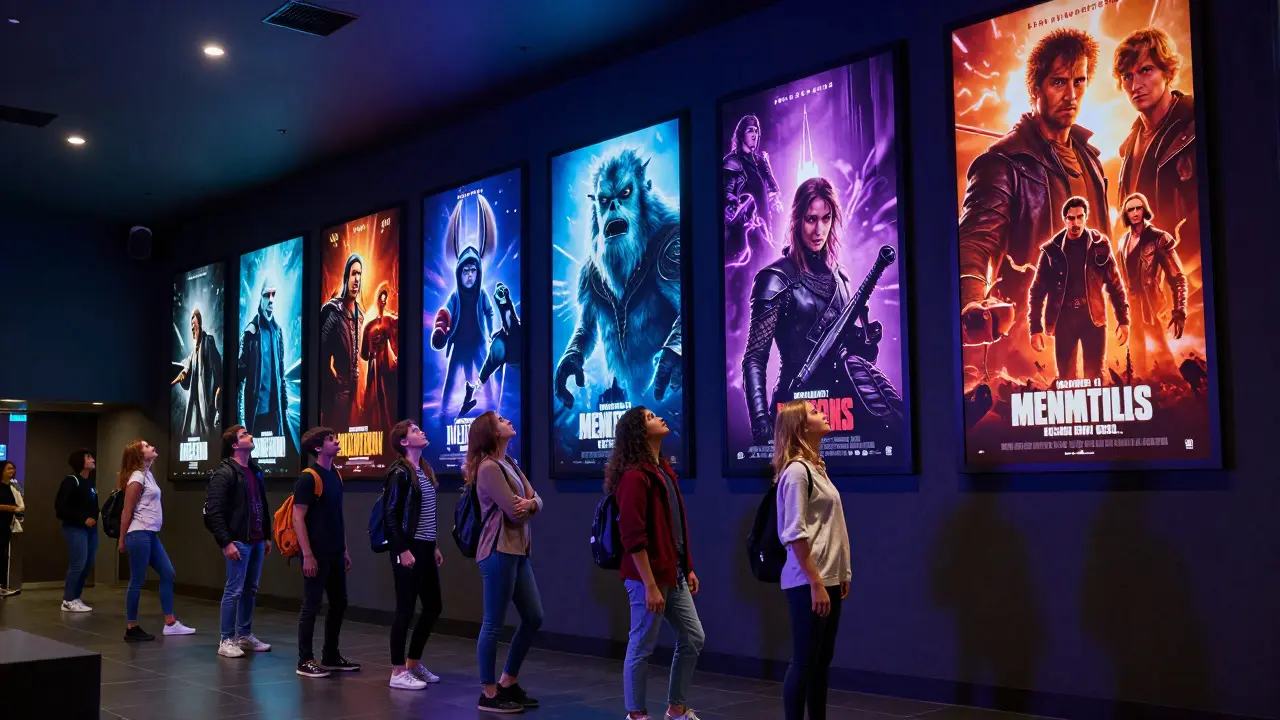
For decades, if you wanted a Spanish movie, you expected a drama. You expected Almodóvar’s colorful apartments or Arriaga’s gritty social realism. But walk into a multiplex in Madrid or Barcelona today, and the poster wall looks different. It’s filled with monsters, spaceships, and blood-soaked medieval knights. The Spanish cinema landscape has shifted dramatically, moving away from purely literary adaptations toward high-concept genre films that blend local folklore with global visual standards. This isn't just a trend; it's a structural change in how studios fund and market domestic content.
You might be wondering why this is happening now. The answer lies in a mix of post-pandemic audience fatigue with slow-burn dramas and the success of streaming platforms like Netflix and Amazon Prime Video, which aggressively greenlit Spanish-language thrillers and horrors. The result? A wave of production that feels both familiar and completely new. We’re talking about a surge in horror, science fiction, and fantasy that rivals what we see from Hollywood or South Korea.
The Horror Renaissance: Why Spain Is Scaring the World
If there is one sub-genre leading this charge, it is horror. And it’s not your typical slasher. Spanish directors are tapping into deep cultural veins-Catholic guilt, rural isolation, and ancient superstition-to create stories that feel uniquely Iberian. Take the recent success of Verónica (2017) as a precursor; it proved that Spanish ghosts could sell tickets globally. But the 2024-2026 cycle has pushed this further. Directors are using practical effects more often, rejecting the over-reliance on CGI that plagues some international productions. This gives the films a tactile, grounded quality that audiences love.
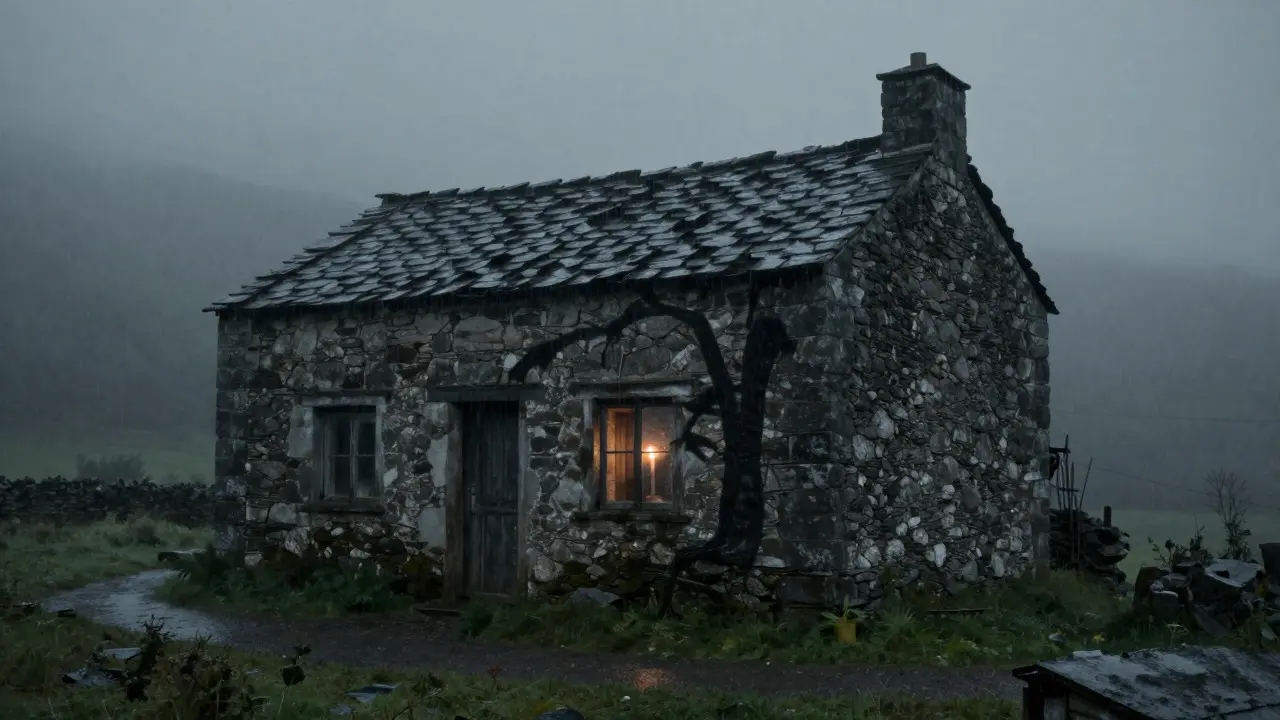
The setting matters too. Instead of generic suburban houses, these films take place in crumbling Basque farmhouses, foggy Galician forests, or abandoned industrial zones in the north. These locations aren't just backdrops; they are characters. The damp, cold atmosphere of northern Spain provides a natural tension that doesn't require expensive set design. It’s a smart economic move that also results in a distinct aesthetic. When you watch a Spanish horror film now, you don’t just see a jump scare; you feel the history of the location pressing down on the characters.
Sci-Fi and Fantasy: Beyond the Stuntman
While horror gets the headlines, the sci-fi sector is quietly becoming a powerhouse. For years, Spanish science fiction was limited to low-budget indie projects or TV series like Hispania. That changed when VFX technology became more accessible and affordable for mid-budget films. Now, you can see large-scale space operas and dystopian narratives emerging from Spanish studios. These films often focus on human elements within high-tech settings, avoiding the cold, sterile look of American blockbusters. They prioritize character dynamics over gadgetry, which resonates with international critics who are tired of formulaic action sequences.
Fantasy is also seeing a resurgence, but it’s not always about dragons and magic swords. Modern Spanish fantasy often blends historical accuracy with speculative elements. Think of it as "historical fantasy" where the lore is based on real myths from Celtic or Moorish influences. This approach allows filmmakers to use existing architectural heritage as their primary set piece, reducing costs while adding authenticity. It’s a clever way to leverage Spain’s physical infrastructure to tell futuristic or magical stories without breaking the bank.
The Economic Engine: Streaming and Co-Productions
None of this would be possible without a shift in financing. In the past, Spanish genre films struggled to find theatrical distribution because cinemas preferred guaranteed box-office hits like comedies or major drama releases. Today, the co-production model is the backbone of the industry. Spanish producers are teaming up with French, German, and Latin American partners to share risk and expand marketing reach. Additionally, global streaming services have created a direct pipeline for these films. If a Spanish thriller performs well on data metrics in its home market, it gets an instant global release. This removes the traditional gatekeepers and allows niche genres to thrive commercially.
Tax incentives also play a huge role. The Spanish government offers significant tax credits for foreign and domestic productions that spend a certain amount locally. While this was originally designed to attract Hollywood sets, it has inadvertently boosted local genre filmmaking by making mid-budget projects financially viable. Producers can now allocate funds to better sound design, editing, and casting, which elevates the final product to an international standard.
| Feature | Traditional Drama (Pre-2020) | New Wave Genre (2020-2026) |
|---|---|---|
| Primary Focus | Social commentary, family dynamics | High-concept plots, visual spectacle |
| Target Audience | Domestic theater-goers, festival circuits | Global streaming audiences, younger demographics |
| Financing Model | Public grants, single distributor | Co-productions, streaming pre-sales |
| VFX Usage | Minimal or none | Moderate to high, integrated with practical effects |
| Marketing Strategy | Critical acclaim, awards season | Social media virality, trailer-driven hype |
Key Players Driving the Change
To understand this wave, you need to look at the people behind the camera. A new generation of directors is stepping up, many of whom trained in commercial television or advertising before moving to feature films. They understand pacing, visual hooks, and audience engagement in a way that older, more auteur-focused directors sometimes didn't prioritize. These filmmakers treat genre conventions as tools rather than constraints. They know exactly when to break the rules to maximize impact.
Producers are equally important. Companies like Atresmedia Cine and Movistar+ have established dedicated units for genre content. They actively scout scripts that have strong IP potential-books, comics, or video games-and adapt them for screen. This ensures a built-in fan base before the first frame is even shot. It’s a smarter business model than betting on original scripts with no prior recognition, especially in a competitive global market.
What This Means for Global Audiences
If you’ve never watched a Spanish genre film, now is the perfect time to start. The barrier to entry is lower than ever thanks to subtitles and dubs available on major platforms. You’ll find that these films offer a fresh perspective on familiar tropes. A Spanish zombie movie won’t feel like a copy of Dawn of the Dead; it will feel like something entirely different, rooted in local culture and modern anxieties. Similarly, a Spanish sci-fi thriller will explore themes of memory, identity, and technology through a lens that is distinctly European yet universally relatable.
The diversity within the genre itself is impressive. You can find everything from psychological chills set in modern office buildings to epic fantasy sagas inspired by pre-Roman history. This variety ensures that no matter what kind of viewer you are, there’s likely a Spanish genre film waiting for you. The industry is no longer defined by a single director or style; it’s a vibrant ecosystem of different voices and visions.

Challenges Ahead
Despite the boom, challenges remain. One major issue is the fragmentation of the audience. With so much content available, standing out requires exceptional marketing budgets. Smaller independent genre films still struggle to get noticed unless they go viral on social media. There is also a risk of saturation. If every studio jumps on the horror bandwagon, the quality may dip, and audiences might become desensitized to the specific aesthetic that made the current wave successful.
Another challenge is talent retention. As Spanish genre films gain international fame, top directors and actors are increasingly poached by Hollywood or other major markets. Keeping creative talent in Spain requires continued investment in local infrastructure and competitive salaries. If the domestic market cannot support these professionals, the wave could stall as the best minds leave for bigger paychecks abroad.
Frequently Asked Questions
What is the most popular genre in Spanish cinema right now?
Horror is currently the most dominant genre, particularly psychological horror and folk horror. However, sci-fi and fantasy are growing rapidly due to improved VFX capabilities and streaming demand.
Are Spanish genre films subtitled or dubbed in English?
Most major releases are available on global streaming platforms with English subtitles and often English dubs. Independent films may only have subtitles, but the availability is improving as the genre gains popularity.
How does Spanish genre cinema differ from Hollywood?
Spanish genre films tend to focus more on character depth and atmospheric tension rather than explosive action sequences. They also frequently incorporate local folklore and historical contexts, giving them a unique cultural flavor that distinguishes them from American productions.
Which streaming platforms produce the most Spanish genre content?
Netflix and Amazon Prime Video are the largest investors in Spanish-language genre films and series. They have dedicated budgets for original content that specifically targets the Spanish market with international appeal.
Is it worth watching older Spanish genre films?
Yes, but with caution. Many pre-2010 genre films were low-budget and may feel dated by today's standards. However, some cult classics from the 90s and early 2000s are highly regarded and offer a glimpse into the roots of the current movement.