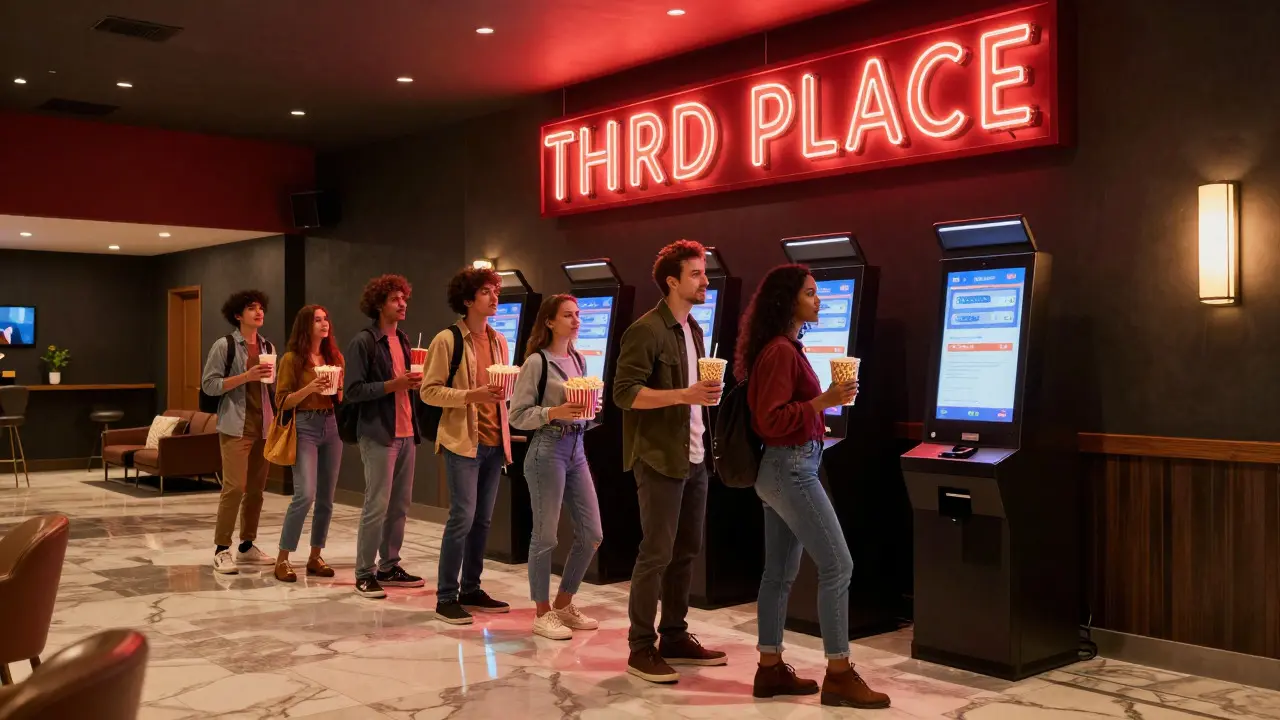
Walking into a darkened theater isn't just about watching a movie anymore. It’s about the experience before the lights even dim. Cinemark is the largest movie theater chain in North America, known for its premium formats and strategic branding efforts. Their recent push with the "It's Show Time" campaign highlights a critical shift in how theatrical distribution works. We aren't just selling tickets; we are selling a ritual.
This approach directly counters the rising dominance of streaming services, which have trained audiences to view content as on-demand utility rather than shared cultural events. By rebranding the act of going to the movies as a distinct lifestyle choice, Cinemark aims to reclaim the emotional value that digital platforms often strip away. This isn't just advertising fluff; it's a survival strategy for the entire film industry.
The Shift from Product to Experience
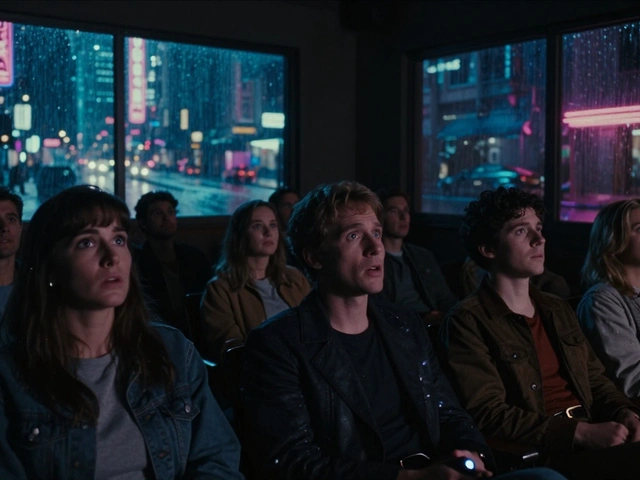
For decades, the primary value proposition of a cinema was the screen size and sound quality. Today, those are table stakes. Every living room has a decent TV and soundbar. So, what makes you drive across town? The answer lies in experiential marketing. Cinemark’s messaging focuses on the communal aspect-the laughter shared with strangers, the date-night vibe, the escape from home responsibilities.
This mirrors trends seen in other entertainment sectors. Think about how concert venues sell out not just for the music, but for the atmosphere. Cinemark is applying this logic to film. They are positioning the theater as a third place-a social hub that is neither work nor home. This psychological framing is crucial because it changes the buyer's decision-making process from "Is this movie worth $15?" to "Do I need a night out?"
- Communal Validation: Seeing a film with others creates immediate social proof and shared emotion.
- Event Status: Labeling a screening as "Show Time" elevates it from passive consumption to active participation.
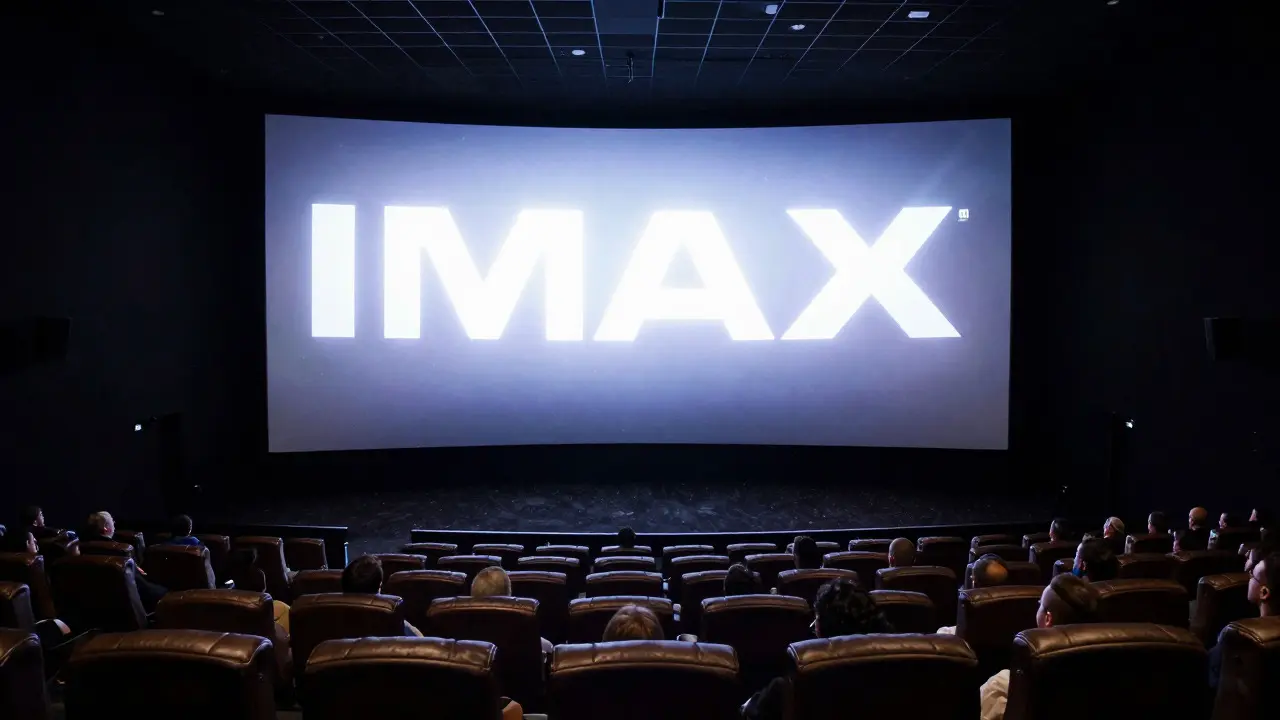
- Physical Immersion: The sheer scale of IMAX or XD screens offers a sensory overload that phones cannot replicate.
Distribution Evolution in the Streaming Era
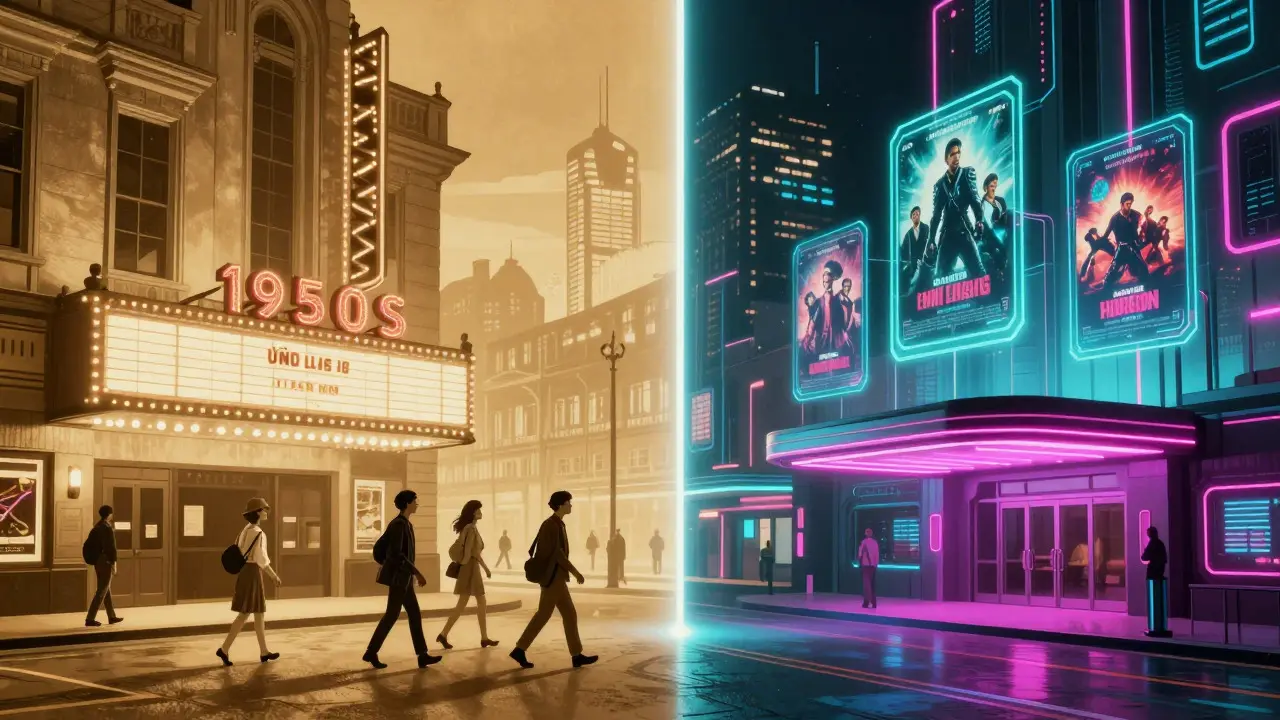
The relationship between studios and theaters has changed dramatically since 2020. Historically, major studios relied on exclusive theatrical windows of 90 days or more. Now, those windows have compressed significantly, sometimes dropping to 45 days or less before hitting streaming platforms. This compression threatens the revenue model that keeps physical theaters open.
To combat this, chains like Cinemark are becoming more than just real estate providers. They are becoming partners in distribution strategy. When a studio releases a blockbuster, they don't just rent screens; they co-market the event. The "It's Show Time" campaign acts as a unified voice for these high-budget releases, ensuring that the audience sees a consistent message across all major chains, not just individual theaters.
| Feature | Traditional Model (Pre-2020) | Modern Hybrid Model (2026) |
|---|---|---|
| Theatrical Window Length | 90+ days exclusive | 30-45 days, then streaming |
| Marketing Focus | Film plot and cast | Experience and event status |
| Revenue Share | Fixed percentage to exhibitor | Negotiated based on performance and format |
| Audience Targeting | Broad demographic | Segmented by format (IMAX, Premium Large Format) |
Why Brand Consistency Matters More Than Ever
In a fragmented media landscape, attention is the scarcest resource. If every theater chain uses different slogans, visuals, and tones, the consumer gets confused. Is going to the movies a luxury? A necessity? A cheap date option? Ambiguity kills conversion. Cinemark’s standardized campaign helps align expectations. When you see the "It's Show Time" tagline, you know exactly what level of service and production value to expect.
This consistency also aids in data tracking. For marketers, measuring the ROI of a national campaign is easier when the visual identity is uniform. It allows marketing teams to attribute ticket sales to specific creative assets rather than guessing which local ad worked. This data feeds back into future distribution strategies, helping studios decide which films truly need a big theatrical push versus those that can launch direct-to-streaming.
The Role of Premium Formats in Branding
You can't talk about modern cinema branding without mentioning Premium Large Format (PLF) technologies. Cinemark XD, Dolby Cinema, and IMAX are not just bigger screens; they are separate product lines with their own pricing structures and brand identities. These formats justify higher ticket prices, which is essential for maintaining profitability as general admission prices stagnate.
The branding here is subtle but powerful. By associating the "event" feel of "It's Show Time" with these premium formats, Cinemark encourages upselling. A viewer might skip a standard screening but book an IMAX slot if they perceive the latter as a special occasion. This segmentation allows the theater to capture more value from the same piece of content, effectively monetizing the brand equity built through the campaign.
Consumer Psychology and the 'Date Night' Effect
Let’s be honest: a huge chunk of theatrical attendance comes from couples looking for a low-effort, high-reward date idea. Streaming requires coordination-what do we watch? Do we have time? The theater removes that friction. You buy two tickets, you go, you eat popcorn, you leave. It’s a packaged solution for social connection.
Cinemark taps into this by emphasizing convenience and ambiance in their campaign materials. The lighting, the seating comfort, the pre-show trailers-all contribute to a curated environment that feels safer and more inviting than sitting on a couch scrolling through apps. This psychological safety net is a significant competitive advantage over digital platforms, where the user is always one click away from distraction.
Challenges Facing Theatrical Chains
Despite strong branding, the path isn’t clear. ticket pricing remains a major pain point for consumers. With inflation squeezing household budgets, the perceived value of a $18 ticket plus concessions is constantly under scrutiny. If the "experience" doesn't feel worth the premium, the brand promise falls flat.
Additionally, the rise of independent filmmaking and niche genres means not every release benefits from a mass-market campaign. Smaller films rely on word-of-mouth and critical acclaim rather than broad brand recognition. For these titles, the "It's Show Time" umbrella might feel too generic, failing to capture the unique artistic merit that draws cinephiles. Balancing mass appeal with niche respect is a tightrope walk for any major exhibitor.
Future Trajectories for Movie Theater Marketing
Where does this go next? Expect deeper integration with technology. Dynamic pricing models, personalized concession offers via app notifications, and AR-enhanced lobby experiences are all on the horizon. The brand will evolve from a static slogan to a dynamic ecosystem. Imagine receiving a notification that says, "Your favorite sci-fi genre is playing in Dolby Atmos tonight-here’s a discount." That’s the future of digital marketing in cinemas.
Furthermore, partnerships with non-film entities could expand the brand’s reach. Collaborations with video game franchises, sports leagues, or fashion brands could create crossover events that attract audiences who might not traditionally go to the movies. The goal is to keep the theater relevant in a world where entertainment is everywhere, yet nowhere specific.
What is the main goal of Cinemark's 'It's Show Time' campaign?
The primary goal is to reposition going to the movies as a premium social experience rather than just a method of consuming content. It aims to differentiate theatrical viewing from at-home streaming by emphasizing community, immersion, and event status.
How has theatrical distribution changed in recent years?
Theatrical windows have shortened significantly, often moving from 90 days to 30-45 days before streaming release. This has forced theaters to focus on maximizing initial revenue through premium formats and aggressive experiential marketing to justify the shorter exclusivity period.
Why are premium formats like IMAX important for cinema branding?
Premium formats allow theaters to charge higher ticket prices, improving profit margins. They also provide a tangible reason for audiences to choose a theater over a home setup, reinforcing the brand promise of a superior, immersive experience.
Does the 'It's Show Time' campaign apply to all movies?
While it serves as an overarching brand identity, the campaign is most heavily leveraged for major blockbusters and tentpole releases. Smaller indie films may still benefit from the general brand awareness but rely more on targeted niche marketing.
How does streaming competition affect theater marketing strategies?
Streaming forces theaters to compete on convenience and variety, which is difficult. Therefore, marketing shifts toward competing on quality and experience. Theaters highlight aspects that streaming lacks, such as large-scale audio-visual impact and the social ritual of shared viewing.




Comments(8)