Most independent filmmakers assume that finding the perfect location requires a six-figure budget and a team of assistants with clipboards. The reality is quite different. You can secure stunning, unique, and legally safe filming spots for less than the cost of a single day’s catering if you know where to look and how to ask. The key isn't having more money; it's having more information and better relationships.
Location scouting is often the most overlooked aspect of pre-production for low-budget crews. Directors focus on script pages and actors, but the physical environment dictates your lighting needs, sound quality, and even your schedule. If you get this wrong, you end up fighting noise from a nearby highway or losing daylight because you didn't check the sun path. This guide breaks down exactly how to find, secure, and manage locations without breaking the bank.
Why Location Choice Makes or Breaks an Indie Budget
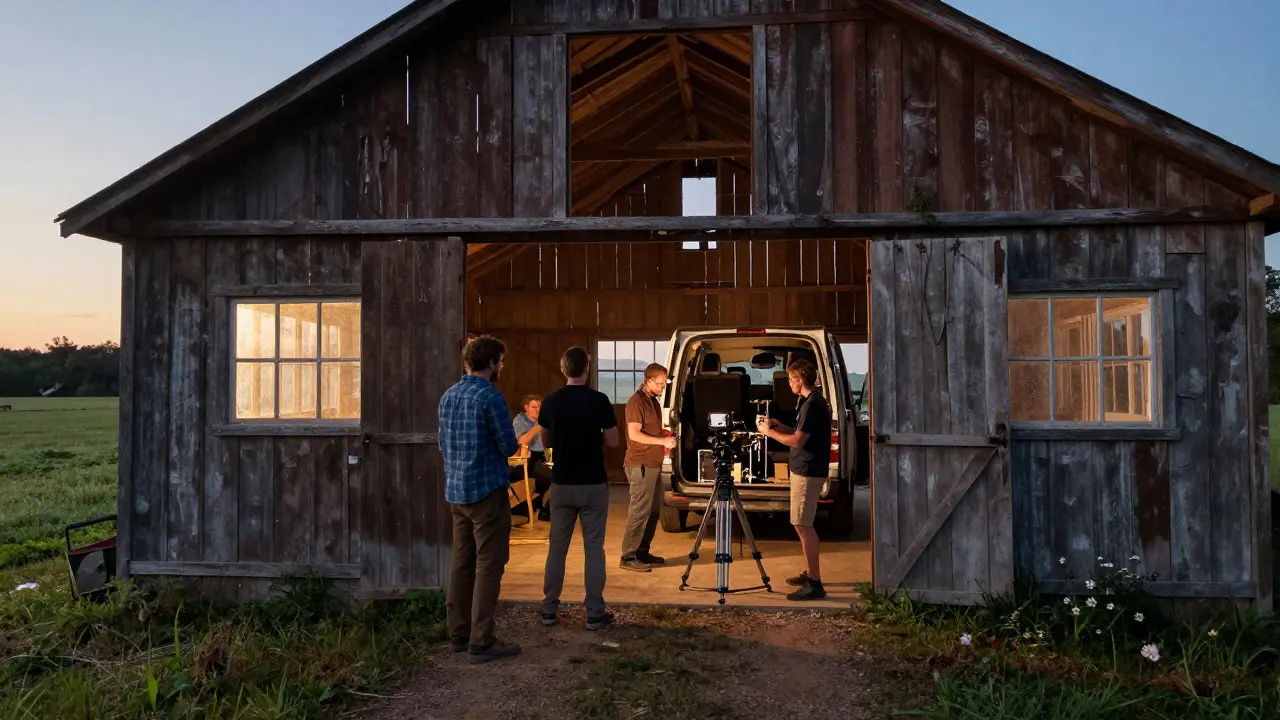
In commercial filmmaking, you pay for convenience. In independent filmmaking, you pay for flexibility. A generic warehouse in a major city might cost $500 per hour. But a friend’s uncle’s barn in a rural area? That’s free, provided you clean up after yourself. The strategy here is to trade cash for effort. Every dollar saved on a location fee goes directly into your post-production or marketing budget, which are usually the first places indie films die.
However, "free" doesn't mean "risk-free." You need to understand the hidden costs of a location. These include:
- Permits: Even private properties may require a local government permit if you plan to block traffic or use heavy equipment.
- Insurance: Most property owners will require a Certificate of Insurance (COI) naming them as an additional insured. This typically costs between $300 and $800 for a standard general liability policy.
- Logistics: How far is the location from the cast and crew? If it’s two hours away, you’re paying overtime wages before you even roll camera.
The best indie locations minimize these three variables. They are close to home, don’t require complex permits, and have owners who trust your crew enough to waive strict insurance requirements or accept a simple waiver.
The Art of the Soft Ask: Finding Locations Without Agents
You don’t need a professional location scout. You need a good network. Start with people you already know. Your friends, family, and their acquaintances are your primary database. When you tell someone you’re making a movie, they rarely say no immediately. They say, "Let me think about it." That’s your opening.
Here is a practical approach to finding spots through personal networks:
- Define your needs clearly: Don’t just ask for "a cool place." Ask for "a dimly lit basement with concrete floors" or "a porch facing west for sunset shots." Specificity helps people visualize what you need.
- Offer value back: Property owners love being part of something. Promise them a copy of the final cut. Offer to credit them in the end credits. For some, this social currency is worth more than cash.
- Visit early: Never commit to a location until you’ve seen it at the exact time of day you plan to shoot. A bright morning room can be pitch black by 2 PM.
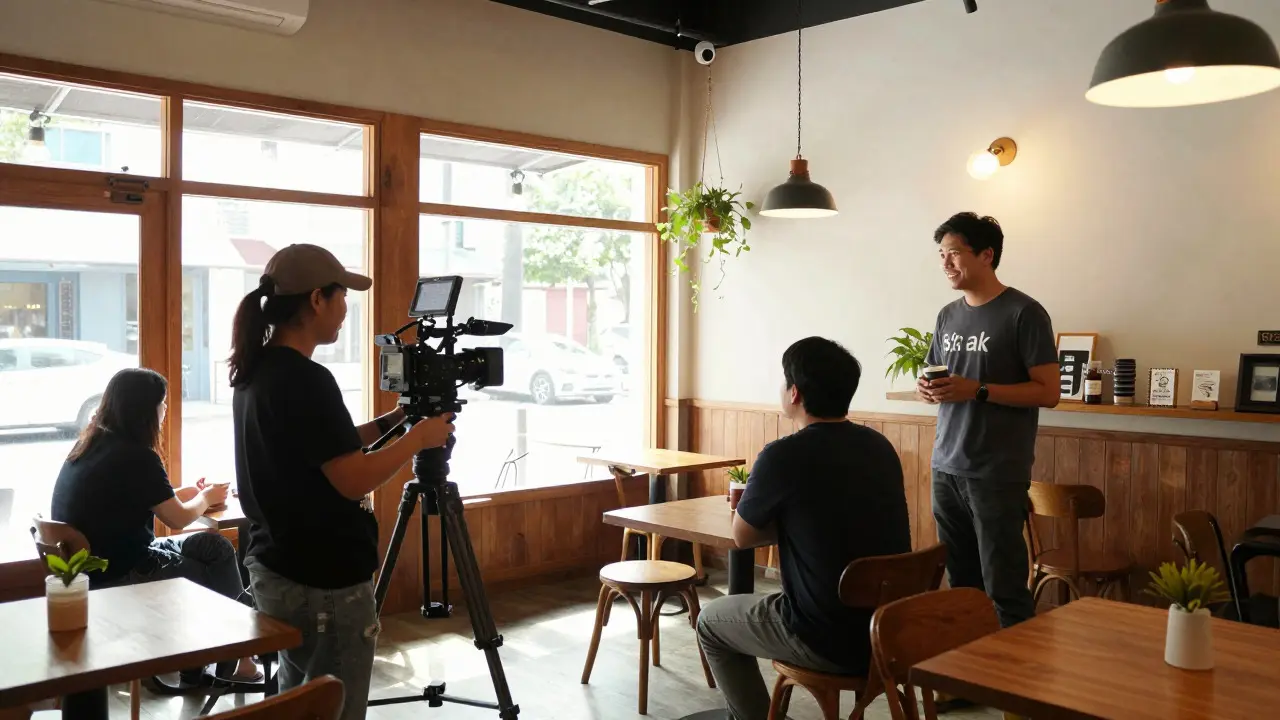
Beyond your immediate circle, look at local businesses. Coffee shops, bookstores, and small bars are often desperate for positive exposure. If you promise to feature their logo prominently in the background or mention them in your press kit, many will let you shoot for free in exchange for visibility. Just make sure to sign a simple release form so they can’t sue you later for trademark issues.
Public Spaces and Permits: Navigating the Bureaucracy
If you want to shoot in a park, on a street corner, or in a public building, you’re entering the realm of municipal permits. This is where budgets go to die if you aren’t prepared. However, many cities have streamlined processes for small-scale productions.
Check your local city or county website for a "Film Office" or "Economic Development" page. Many smaller towns in the United States actively encourage film tourism because it boosts local business. They might offer reduced permit fees or even waive them entirely for projects that hire local crew or stay at local hotels.
When applying for a permit, keep these details ready:
- Call Sheet Draft: A rough schedule showing arrival and departure times.
- Crew Size: Be honest. A crew of 10 is very different from a crew of 50 in terms of impact on the public.
- Equipment List: Do you need generators? Cranes? Cars? These affect parking and safety requirements.
A pro tip: Call the permit office before you submit the application. Ask them specifically what documentation they need for a "micro-budget" or "student/indie" production. Sometimes, there’s a simplified track for shoots under 20 people that skips the heavy engineering reviews.
The Site Survey: What You Actually Need to Check
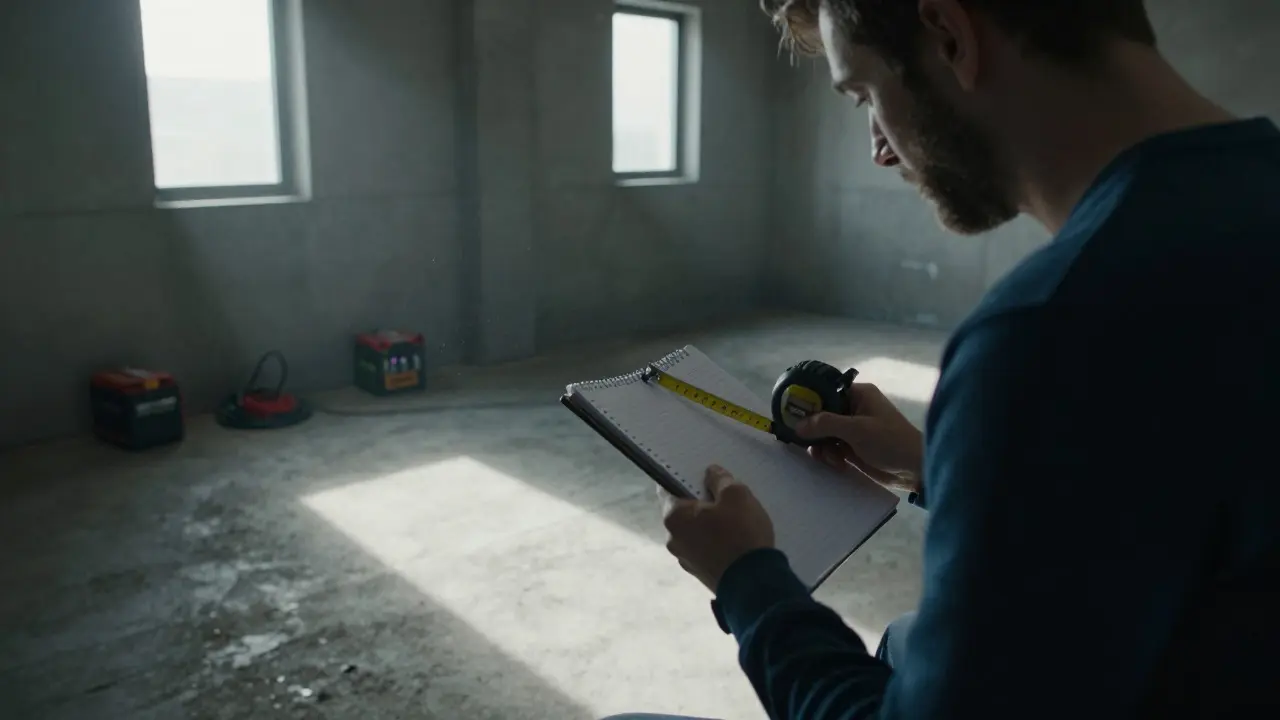
Once you have a potential location, you need to conduct a site survey. This is not just about taking pretty photos. It’s about identifying problems before they stop your production. Bring a notebook and a tape measure. Here is what you must verify:
| Category | Specific Checks | Why It Matters |
|---|---|---|
| Power | Number of outlets, distance to main breaker, voltage stability | Running long extension cords is a tripping hazard and fire risk. |
| Sound | Background noise levels (HVAC, traffic, birds), echo/reverb | Bad audio is harder to fix in post than bad video. |
| Lighting | Sun path throughout the day, window sizes, ceiling height | Determines if you need extra lights or can rely on natural light. |
| Access | Parking space for vehicles, elevator size for gear, stairs | Can you move a dolly or a large camera package in and out? |
| Restrooms | Availability, cleanliness, proximity to set | Actors and crew need privacy and comfort to perform well. |
Pay special attention to the power situation. If a location only has one outlet in the corner of the room, you’ll spend half your setup time running cables across the floor. This creates trip hazards and limits where you can place your cameras. If possible, bring a portable battery pack or a small generator if outdoor power isn’t available.
Negotiating Terms Without Legal Fees
Do you really need a lawyer for a one-day shoot in a friend’s house? Probably not. But you do need a paper trail. Use a simple Location Agreement template. You can find basic versions online for free from various film unions or production guilds. The agreement should cover:
- Date and Time: Include a buffer period for setup and teardown.
- Payment: Specify if it’s free, a flat fee, or a percentage of box office (rare for micro-budgets).
- Responsibility: Who pays for damages? Usually, the production covers accidental damage, but pre-existing issues are the owner’s responsibility.
- Usage Rights: Can you use the footage for festivals, streaming platforms, and promotional materials?
Keep the language simple. Avoid legalese. If the owner reads the contract and gets confused, they won’t sign it. The goal is clarity, not complexity. Once signed, send a digital copy via email to both parties. This creates a timestamped record that is hard to dispute.
Managing the Day On Set
Scouting is only half the job. Managing the location on the day of the shoot is where things can fall apart. Assign one person-usually the Production Coordinator or Assistant Director-to be the point of contact with the property owner. This person handles all requests, answers questions, and ensures the crew respects the space.
Set clear boundaries with your crew. Tell them where they can eat, where they can smoke (if allowed), and where they must keep their shoes off. Small courtesies go a long way in keeping the relationship positive. If you treat the owner’s home like a temporary hotel, they’ll be happy to host you again for your next project. Word travels fast in the indie community. Being known as a respectful, easy-to-work-with crew is your best marketing tool for future location access.
Finally, always leave the location better than you found it. Clean up trash, reset furniture, and turn off lights. It costs you nothing but saves you thousands in reputation damage. The next time you need a location, that owner will likely call you first.
How much does it cost to insure a location for indie film?
For a short-term shoot, a General Liability insurance certificate typically costs between $300 and $800. This covers accidental damage to the property and injury to third parties. Some producers bundle this with their overall production insurance policy, which can reduce the per-location cost.
Do I need a permit to shoot in a private residence?
Usually, no, unless you plan to block public sidewalks or use heavy equipment that affects neighbors. However, if the residence is in a Historic District or a Homeowners Association (HOA) with strict rules, you may need written permission from the HOA board in addition to the homeowner.
What is the best way to find free locations for a student film?
Leverage your university connections. Professors, alumni, and local community groups are often willing to support student projects. Additionally, local small businesses frequently offer free access in exchange for featuring their brand in the film or sharing the final product on social media.
How far in advance should I book a location?
For popular or difficult-to-access locations, aim for 4-6 weeks in advance. For private homes or less common spots, 2-3 weeks is often sufficient. Always confirm the date 48 hours before the shoot to account for last-minute changes.
Can I shoot in a national park on a low budget?
Yes, but it requires a Special Use Permit from the National Park Service. The process can take several months and involves fees based on crew size and duration. It is generally more complex and expensive than shooting in state or local parks, so consider those alternatives first for shoestring budgets.