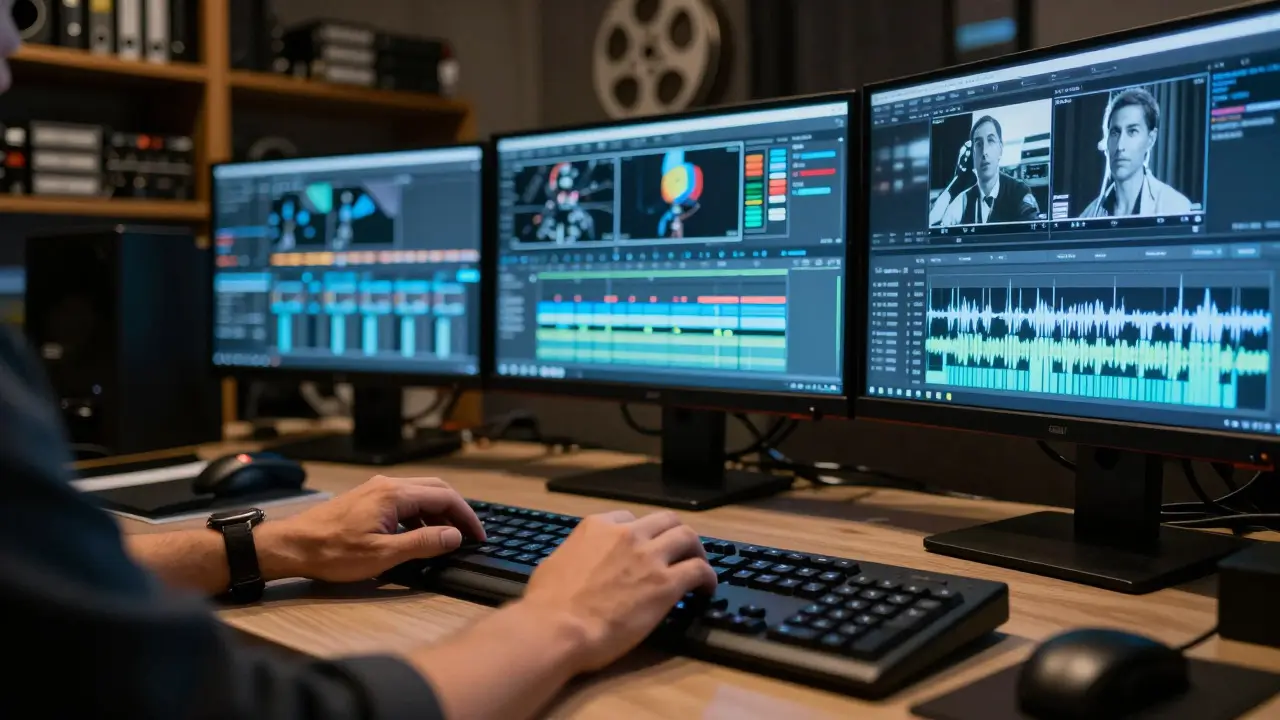
Real life doesn't come with a three-act structure. It meanders, repeats, and often ends without a clear resolution. Yet, when you sit down to edit a documentary film is a non-fiction motion picture that documents reality through observational footage, interviews, and archival material, your job isn't just to cut clips together. It's to impose order on chaos. You need to find the spine of the story buried under hundreds of hours of raw footage. This process transforms disjointed moments into a compelling narrative that audiences can follow emotionally and intellectually.
The Core Challenge: Finding the Narrative Spine
Unlike scripted features where the writer dictates the plot, documentary editors are co-authors. The story exists in the footage, but it’s hidden. Your first task is identifying the central conflict or question. Is it a character overcoming an obstacle? A social issue being exposed? A mystery being solved? Once you identify this core, every clip must serve it. If a scene is beautiful but irrelevant to the main thread, it goes in the "maybe" bin, not the timeline. This discipline prevents the common pitfall of making a documentary that feels like a highlight reel rather than a journey.
- Identify the protagonist: Even in observational docs, someone drives the action. Focus on them.
- Define the stakes: What happens if they fail? Why should the audience care?
- Map the arc: Sketch out a beginning, middle, and end before touching the software.
Structural Frameworks for Non-Fiction
You don't have to reinvent the wheel. Several proven structures work well for documentaries. Choosing the right one depends on your material. Here is how the most common frameworks function in practice:
| Structure Type | Best For | Key Characteristic | Potential Pitfall |
|---|---|---|---|
| Character Arc | Biopics, personal journeys | Focuses on internal change | Risk of becoming self-indulgent |
| Issue-Based | Social justice, investigative | Focuses on systemic problems | Risk of feeling preachy or dry |
| Mystery/Investigation | True crime, exposés | Reveals information progressively | Risk of losing tension if pacing slows |
| Observational/Moscow | Cultural immersion, slice-of-life | Letting events unfold naturally | Risk of lacking clear direction |
The character arc is perhaps the most effective for general audiences because humans connect with people, not abstract ideas. When using this model, look for moments of vulnerability, decision, and consequence. These beats anchor the viewer. In contrast, an issue-based structure requires strong visual metaphors to keep the emotional temperature high. Without visuals that mirror the argument, the film can feel like a lecture.
The Role of Interviews vs. B-Roll
Interviews provide context and exposition, while B-roll (background footage) provides texture and proof. Balancing these two elements is critical. Too many talking heads, and the film becomes static. Too much B-roll without audio guidance, and the audience gets lost. A good rule of thumb is to use interviews to establish a point, then cut to B-roll that illustrates or contradicts that point. This creates a rhythm that keeps the eye engaged. Additionally, sync sound from observational scenes can replace interview quotes entirely, making the film feel more immediate and less constructed.
Pacing and Rhythm in Post-Production
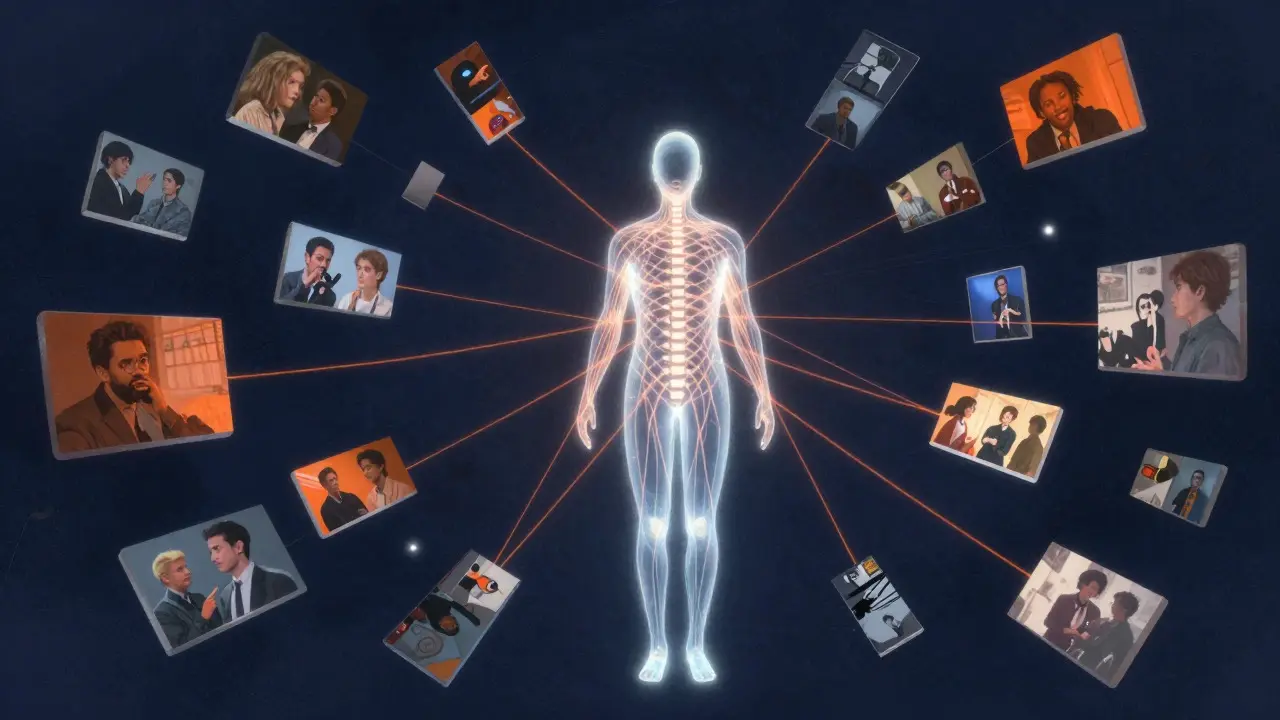
Pacing is about energy, not just speed. A slow scene can be tense if the editing choices build anticipation. A fast montage can feel chaotic if it lacks a logical progression. Pay attention to the length of shots. Shorter cuts increase urgency; longer takes allow for reflection. Use music sparingly. Silence is a powerful tool in documentaries. Let a pause after a devastating statement hang in the air. This gives the audience time to process the weight of the information. Conversely, use rhythmic editing during action sequences to match the physical movement on screen.
Common Mistakes to Avoid
Even experienced editors fall into traps. One major error is "editing for the director's ego." If the director insists on keeping a long, rambling monologue because they wrote it, it will kill the momentum. Trust the audience. They are smart enough to infer meaning from concise clips. Another mistake is ignoring the audio mix until the final stage. Bad audio ruins even the best visuals. Ensure dialogue is clean and levels are consistent early in the process. Finally, avoid over-explaining. If the footage shows a child crying, you don't need a narrator to say, "The child was sad." Show, don't tell.
Practical Workflow Tips
Your workflow determines your efficiency. Start by logging all footage meticulously. Tag clips by theme, emotion, and speaker. This saves hours later when you're searching for specific moments. Create a rough assembly quickly, even if it's messy. The goal is to see the big picture. Then, refine the sequence block by block. Don't try to perfect every shot in the first pass. Focus on the flow of ideas. Only once the narrative skeleton is solid should you dive into fine-cutting and color grading. Collaboration is key. Screen the rough cut for trusted peers who aren't involved in the production. Their fresh eyes will spot confusion or boredom that you've become blind to.
Frequently Asked Questions
How do I know if my documentary has a clear story?
If you can summarize the film in one sentence that includes a character, a problem, and a resolution, you likely have a clear story. If the summary is vague or lists multiple unrelated topics, the structure needs tightening. Test this by explaining the plot to a friend who hasn't seen the footage. If they get confused, simplify the narrative path.
Is it okay to change the chronological order of events?
Yes, absolutely. Chronology is often the least interesting way to tell a story. Non-linear editing can create suspense, reveal themes earlier, or emphasize cause and effect. However, ensure the new order makes logical sense to the audience. Use visual cues or narration to guide them through time jumps so they don't feel disoriented.
How much narration should a documentary have?
Less is usually more. Narration should fill gaps that visuals cannot cover, such as historical context or internal thoughts. Aim for narration that complements the image rather than describing it. If the video shows a protest, don't narrate "people are protesting." Instead, narrate the history of the movement or the specific demands of the crowd. Over-narration distracts from the power of the imagery.
What is the ideal runtime for a short documentary?
There is no single ideal, but 10 to 20 minutes is a sweet spot for festival submissions and online distribution. This length allows for a complete narrative arc without demanding too much commitment from the viewer. Keep every minute earning its place. If a segment doesn't advance the story or deepen the character, cut it, regardless of how good the footage looks.
How do I handle conflicting viewpoints in the edit?
Balance is crucial for credibility. Present the strongest arguments from each side fairly. Use juxtaposition to let the audience draw their own conclusions. Avoid stacking all pro-arguments followed by all con-arguments, which feels like a debate club. Instead, weave perspectives together around specific scenes or questions. This creates a more dynamic and engaging viewing experience that respects the complexity of real life.




Comments(10)