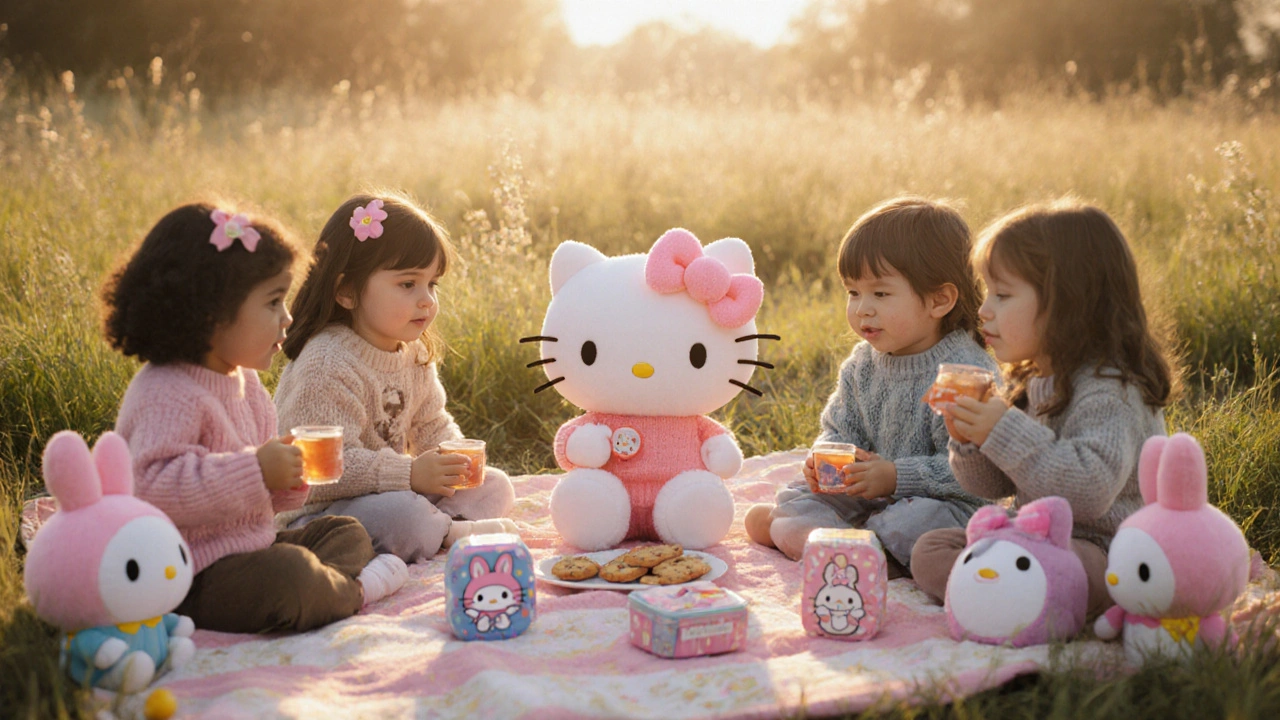
When Hello Kitty stepped onto the big screen in 2025, it wasn’t just another animated film. It was a signal. A quiet, pink, bow-wearing signal that the battle for kids’ attention in theaters has shifted-and it’s no longer just about superheroes or talking animals. For the first time, a character built entirely on cuteness, not action, opened wide across North American theaters and outperformed expectations. Families showed up. Not because they were chasing thrills, but because they remembered. They remembered their own childhoods. They remembered their daughters’ sticker collections. They remembered the quiet comfort of something simple, safe, and endlessly repeatable.
Why Hello Kitty Matters More Than You Think
Hello Kitty isn’t a character with a backstory. She doesn’t have parents, a home town, or a nemesis. She’s a face. A symbol. A brand wrapped in a bow. And yet, in 2025, her film made $187 million globally on a $35 million budget. That’s not luck. That’s legacy. Sanrio didn’t invent a new story. They leaned into what already existed: over 60 years of global recognition, 50,000+ licensed products, and a fanbase that grew up and now has kids of their own.
This is the new playbook for family films. You don’t need a complex universe. You don’t need CGI dragons or space battles. You need emotional continuity. You need a character that lives in lunchboxes, pajamas, and schoolbags-and then turns that into a movie experience.
The Rise of the Quiet Franchise
For years, studios chased the next Toy Story or Despicable Me. Big laughs. Big action. Big merchandising. But those franchises are getting harder to build from scratch. Kids today are overwhelmed with content. They scroll past 10 new animated characters every day on TikTok and YouTube Shorts. What sticks? The ones they already know.
That’s why Hello Kitty: A Day in the Country worked. It didn’t try to be epic. It was a gentle, 85-minute walk through a sunlit meadow, with tea parties, handmade cookies, and a surprise visit from My Melody. No villains. No stakes. Just kindness. And parents? They loved it. Not because it was groundbreaking-but because it felt familiar. Like a favorite blanket.
Compare that to the 2024 flop Pixel Pals: The Last Game, a $90 million original IP with a star-studded voice cast and a plot about digital creatures saving the internet. It made $32 million. Why? No one cared. No one owned a Pixel Pal plush. No one had one on their phone case. The character didn’t exist outside the movie.
Who’s Next? The Quiet Contenders
Hello Kitty isn’t alone. Other quiet characters are quietly building momentum:
- My Melody-Sanrio’s other star, a pink rabbit with a hood, has a cult following in Asia and is getting her own film in 2026.
- Cinnamoroll-a fluffy white dog with a curling tail, already licensed in over 40 countries, with a movie in early development.
- Aggretsuko-a red panda who works in accounting and vents through death metal. Surprisingly, her 2023 Netflix special sparked merch sales up 300% in the U.S. A theatrical release is being discussed.
- Yotsuba&!-a manga character from Japan, known for boundless curiosity and zero dialogue. Western publishers report growing demand for a film adaptation.
These aren’t franchises built on action. They’re built on emotional texture. On quiet moments. On the kind of comfort that doesn’t need a trailer to sell itself.
The Big Players Are Taking Notice
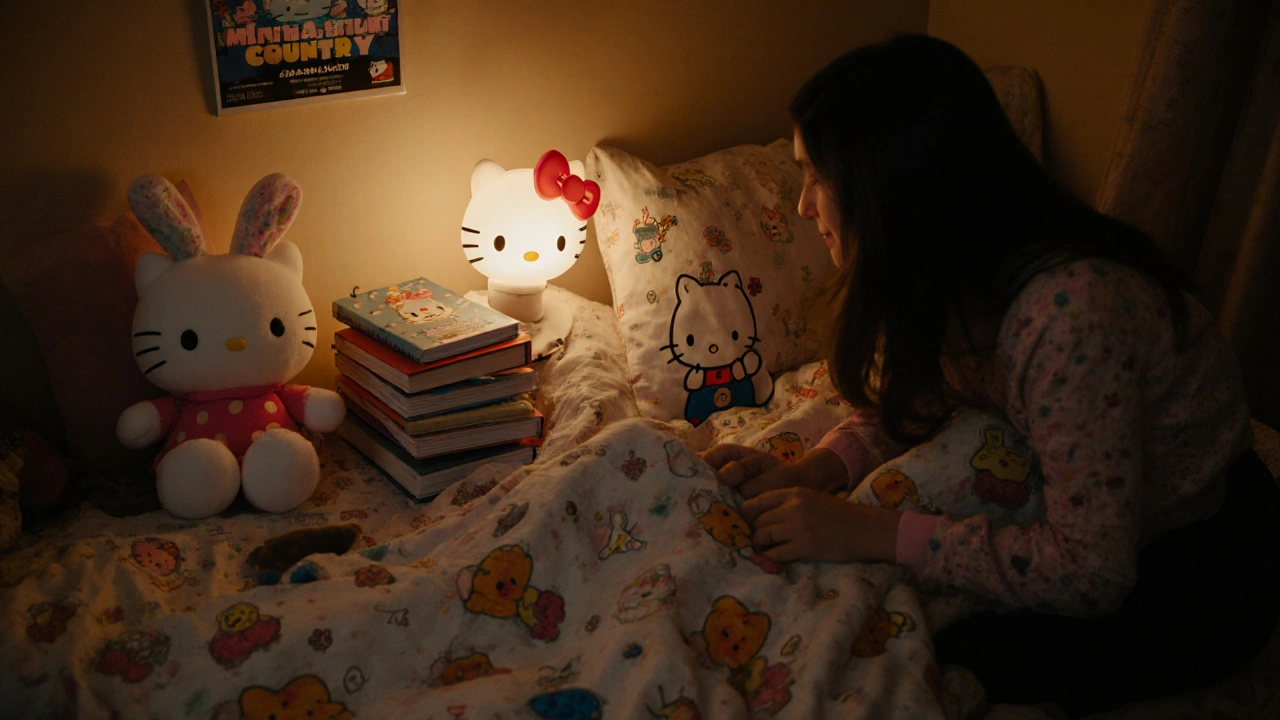
Disney and Universal aren’t ignoring this. They’re adapting. In 2024, Disney quietly acquired the rights to Littlest Pet Shop, a 1990s toy line with a cult following. No announcement. No press release. Just a small team in Burbank starting storyboards. Why? Because they saw what happened with Hello Kitty. They saw parents buying tickets not because their kids begged-but because they wanted to share something from their own childhood.
Universal is testing a Plush Pals franchise based on vintage 1980s stuffed animals. No dialogue. Just expressive eyes and gentle adventures. Early test screenings with families showed 89% of parents said they’d return for a sequel-even though the plot was simple: “A group of toys go on a picnic.”
This isn’t nostalgia for nostalgia’s sake. It’s a smart business move. Licensing a character with existing recognition cuts marketing costs by 60%. A 2025 study by Nielsen Kids found that films based on established IP had 4.3x higher recall among children aged 4-8 than original stories. And parents? They’re 3.1x more likely to buy tickets if the character is already in their home.
The New Rules of Family Franchises
The old model-build a character, make a movie, sell toys-is dead. The new model is: Start with the toy, then make the movie.
Here’s what works now:
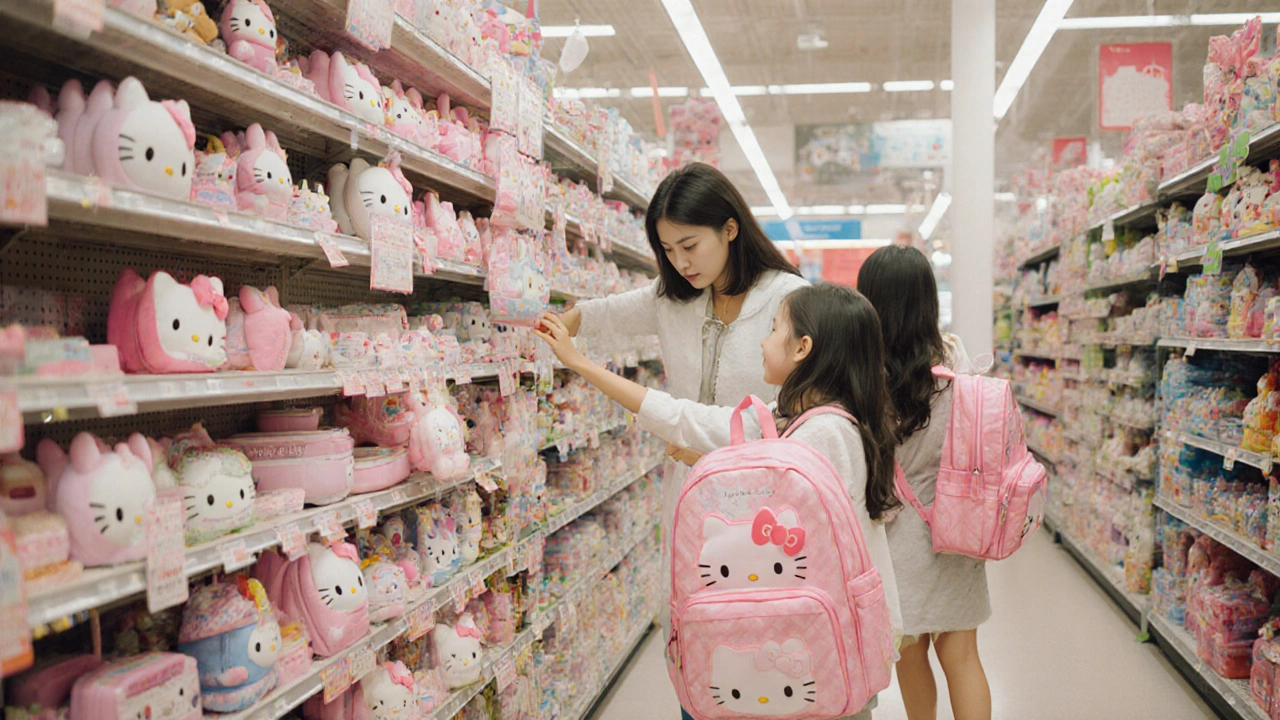
- Start with physical presence-The character must live in homes, not just screens. Lunchboxes, pillows, backpacks, and toothbrushes matter more than voice actors.
- Keep the story simple-No epic quests. No world-ending threats. Focus on daily routines: going to school, making friends, helping others.
- Embrace silence-Not every character needs to talk. Hello Kitty doesn’t speak. She communicates through expressions. That’s powerful. It lets kids project their own feelings onto her.
- Target multi-generational audiences-The best family films now don’t just entertain kids. They give parents a reason to show up. That means subtle callbacks, soft music, and visual details that resonate with adults.
- Don’t rush sequels-Hello Kitty’s film took 18 months to develop. Sanrio didn’t push for a sequel. They waited for the merch to sell out. Then they started planning the next one.
What This Means for the Future
Theaters aren’t dying. They’re changing. The next big family hit won’t be a Marvel spinoff or a DreamWorks sequel. It’ll be something quieter. Something softer. Something that’s been sitting on your kid’s shelf for years.
By 2027, analysts predict that 40% of all family films will be based on existing character IP-not created for the screen. And the winners? The ones who’ve spent decades building trust through tiny details: a stitched smile, a signature bow, a scent of vanilla in a limited-edition plush.
So when you see a new animated movie with a character you’ve never heard of, ask yourself: Do I own a toy of this? Has my child ever drawn this? Has this character ever appeared in a school supply aisle? If the answer is no-it probably won’t last.
Hello Kitty didn’t break the mold. She showed us the mold was already there. We just forgot to look.
Why did Hello Kitty’s movie succeed when other animated films failed?
Hello Kitty’s movie worked because it tapped into decades of existing emotional connection. Families didn’t watch it because it was flashy-they watched because they remembered. The character already lived in their homes through toys, clothes, and school supplies. That built instant trust. Most animated films fail because they’re trying to create a new icon from scratch. Hello Kitty didn’t need to be invented. She just needed to be shown on screen.
Are other Sanrio characters getting movies too?
Yes. My Melody, Cinnamoroll, and Keroppi all have active development teams working on their own films. My Melody’s movie is scheduled for late 2026, with early concept art already shared with licensing partners. Sanrio is treating these characters like long-term franchises-not one-off projects. Each film will be tied to new product lines, global pop-up experiences, and limited-edition merchandise that drops alongside the theater release.
Can original characters still compete in family films?
It’s getting harder. Original characters need massive marketing budgets and years of building recognition before they can compete. The 2024 flop Pixel Pals cost $90 million and made $32 million. Meanwhile, Hello Kitty made $187 million with $35 million. Studios are shifting resources to proven IP. Original characters can still win-but only if they have a strong merchandising plan from day one, not after the movie comes out.
Why do parents respond to quiet, non-action stories?
Parents are tired of loud, overstimulating media. They want their kids to watch something calming, kind, and emotionally safe. Studies show that children aged 3-7 prefer stories with gentle pacing and no conflict. Hello Kitty’s film offered that. It didn’t scare kids. It didn’t confuse them. It just showed a day full of small joys. That’s rare-and that’s why parents kept bringing their kids back.
Is this trend only happening in the U.S.?
No. Japan and South Korea have been leading this for years. In Japan, 7 of the top 10 highest-grossing animated films in 2024 were based on existing character IP-not original stories. In South Korea, the Pororo the Little Penguin franchise has made over $1 billion since 2003, mostly from films and merchandise. The U.S. market is just catching up. But now that Hello Kitty proved it can work here, studios are taking notice.
What Comes Next?
If you’re a parent, keep an eye on your child’s toy shelf. The next big movie might already be sitting there-quiet, unassuming, and waiting for its moment. If you’re in the industry, stop chasing the next big idea. Start looking at the shelf. The real franchises aren’t being invented in boardrooms. They’re being built in bedrooms, one sticker, one plush, one lunchbox at a time.



Comments(5)