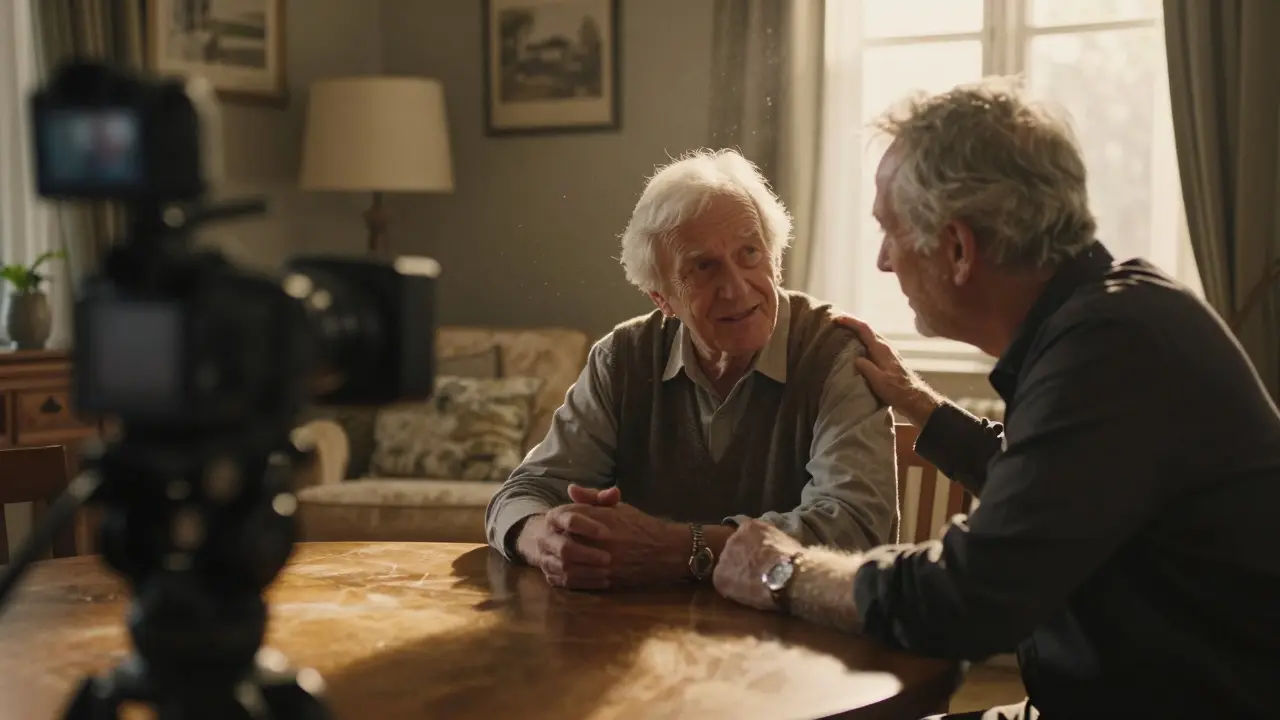
Ever watched a documentary where the subject seems stiff, rehearsed, or like they’re performing for the camera? It breaks the spell. In character-driven documentaries, the audience isn’t just watching events; they are falling in love with a person. If that person doesn’t feel real, the story falls apart. The difference between a forgettable video and a masterpiece often comes down to one thing: trust.
Trust isn’t a byproduct of good lighting or high-end audio. It is the foundation of observational cinema. When a subject trusts you, they lower their guard. They show you the messy, unscripted moments that define who they are. For filmmakers, building this bond is less about technical skill and more about human connection. It requires patience, empathy, and a willingness to be vulnerable yourself.
The Psychology of the Lens
Cameras are intimidating objects. To most people, being filmed feels like an interrogation. Your job as a filmmaker is to transform that object from a judge into a confidant. This starts before you even hit record. When you approach a potential subject, you aren’t selling them on your film; you’re inviting them into a conversation. If you walk in with a rigid shot list, they will sense it. They will perform. Instead, focus on listening. Ask questions that don’t have easy answers. Let the silence do the work. When a subject realizes you care about their perspective rather than just their footage, the dynamic shifts.
This shift is crucial because observational documentary is a style of filmmaking that seeks to capture reality without direct intervention or narration. Unlike interview-based pieces where the director controls the narrative through questions, observational work relies on the subject’s natural behavior. If they are hiding behind a mask, you only get the mask. You need the face underneath. That face only appears when the subject feels safe enough to stop managing their image.
Pre-Production: The Relationship Before the Roll
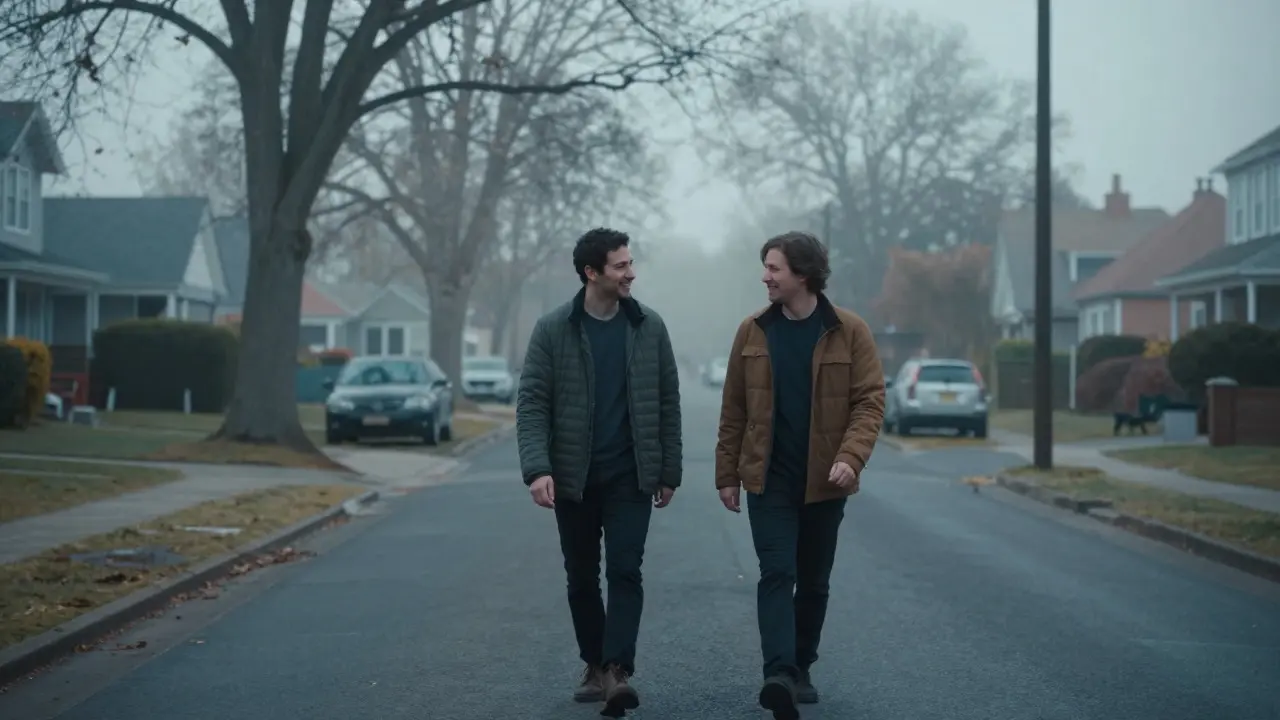
Many first-time directors make the mistake of treating pre-production as a logistical phase. Scheduling, permits, gear checks. While those are necessary, the real pre-production happens in the relationship. Spend time with your subject before the cameras roll. Meet for coffee. Walk around their neighborhood. Learn how they speak when no one is recording. This period establishes the baseline of normalcy. When you finally start filming, the interaction should feel like a continuation of these chats, not a new event.
- Share your own vulnerabilities: If you want honesty, offer some. Tell them why this story matters to you personally. It levels the playing field.
- Define boundaries early: Clarify what is off-limits. Knowing there are limits actually makes people more comfortable within the rest of the space.
- Be consistent: Show up when you say you will. Reliability builds trust faster than charisma does.
Consider the case of Frederick Wiseman is an American documentary filmmaker known for his observational style and long-term access to institutions. His films often take years to complete because he waits for the institution to accept him as part of the environment. He doesn’t chase scenes; he lets scenes come to him. This patience is the hallmark of deep trust. It tells the subject that you are not here to extract a quote and leave. You are here to witness.
During Production: Managing the Gaze
Even after trust is established, the camera remains a third presence in the room. Filmmakers must learn to manage "the gaze." This is the moment when a subject looks directly at the lens, breaking the fourth wall of observation. Sometimes, this is powerful. Other times, it signals discomfort. Learning to read these micro-expressions is vital. If a subject keeps checking if the red light is on, they are still thinking about being recorded. Give them space. Step back. Let the ambient sound carry the scene. Often, the most profound moments happen when the filmmaker disappears completely.
Technical choices also influence trust. Using a large, intrusive camera can feel like surveillance. Smaller, lighter equipment allows for more intimate proximity without feeling aggressive. However, gear is secondary to demeanor. A handheld camera operated by a tense operator will feel shaky and anxious. A tripod-mounted camera operated by a calm operator will feel stable and respectful. Your body language communicates more than your equipment ever could.
| Approach | Impact on Subject | Risk Level |
|---|---|---|
| Aggressive Interviewing | Creates defensiveness; subjects give rehearsed answers | High risk of superficial content |
| Passive Observation | Allows natural behavior but may miss context | Low risk, but requires extreme patience |
| Collaborative Partnership | Empowers subject; leads to deeper emotional access | Moderate risk of bias if boundaries blur |
Ethical Considerations and Consent
Trust without ethics is just manipulation. In character-driven work, the line between documenting life and exploiting it can get blurry. Always maintain clear consent processes. This doesn’t mean reading a legal document every morning. It means ongoing conversations. Check in regularly. Ask, "Are we okay with this?" If a subject wants to pause, let them. If they want to cut a scene, respect it. This autonomy reinforces trust. It shows that the final product serves the truth, not just the director’s ego.
Remember that verité cinema is a filmmaking technique that aims to capture reality as it unfolds, often using non-professional actors and minimal production values. The goal is authenticity. If you break the trust, you break the authenticity. Audiences are incredibly perceptive. They can smell insincerity from miles away. A single moment of betrayal can ruin hours of careful relationship building.
Post-Production: Honoring the Bond
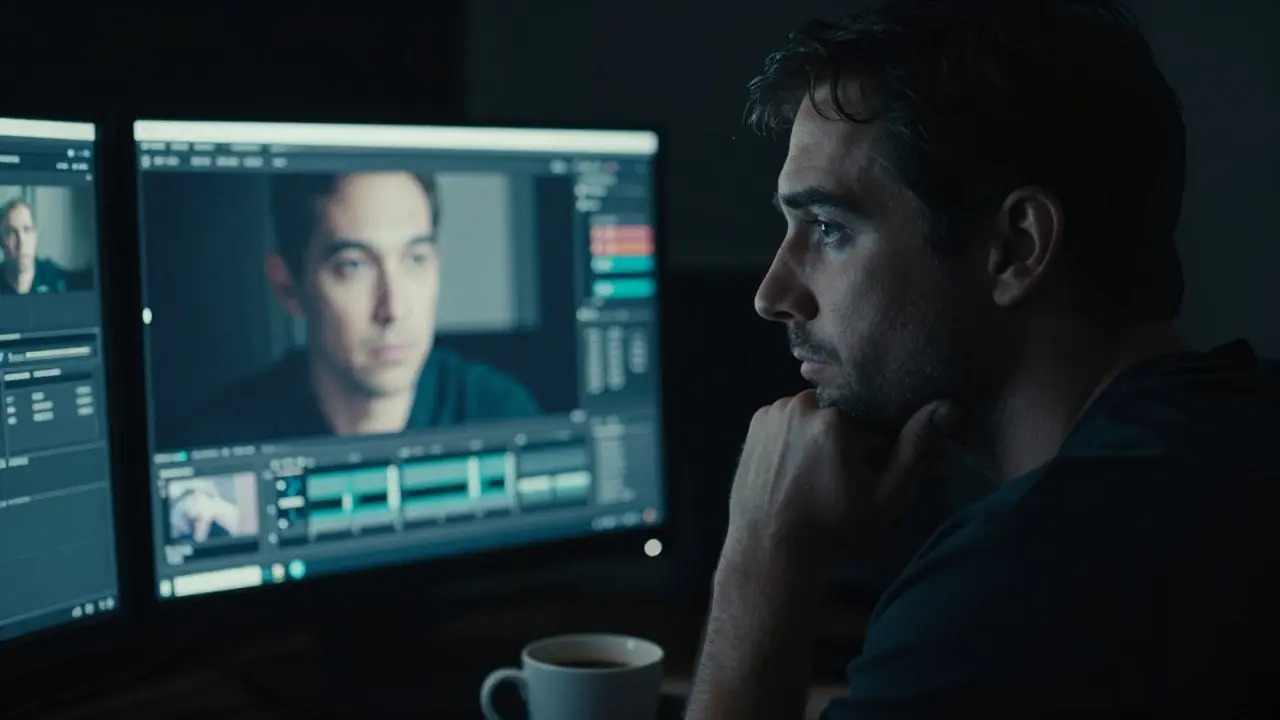
The relationship doesn’t end when the camera stops rolling. In fact, post-production is where trust is truly tested. How you edit the material reflects how you valued the subject’s story. Avoid cherry-picking quotes that make the subject look foolish or one-dimensional. Context matters. If you include a moment of anger, include the reason for it. If you show vulnerability, show the strength that follows. When subjects see the rough cut, their reaction tells you everything. If they nod and say, "Yes, that’s me," you did your job. If they wince, go back and re-evaluate.
Screenings are another critical touchpoint. Invite your subjects to watch the final film. Their presence validates the work. It turns the release into a shared experience rather than a solo launch. This final step cements the partnership and often leads to lasting professional relationships. Many great documentaries spawn sequels or companion pieces because the trust was strong enough to survive the first project.
Frequently Asked Questions
How long should I spend with a subject before starting to film?
There is no fixed rule, but generally, you should spend enough time to establish a rhythm. For most character studies, two to four weeks of shadowing or regular meetings before principal photography helps normalize the presence of the camera. The key indicator is when the subject stops asking if you are recording.
What if my subject becomes too dependent on me?
This is a common concern in long-form observational work. Set boundaries early regarding communication frequency. Make it clear that while you are a friend during the process, the primary role is that of a documentarian. Regular check-ins help prevent codependency while maintaining the personal connection.
Do I need to tell my subject exactly how I will use the footage?
Yes, transparency is key. Explain the general scope of the project. You don’t need to script every detail, but hiding major changes in intent later can damage trust. If the film shifts from a hopeful tone to a critical one, discuss it with the subject during the editing phase.
How do I handle a subject who lies to the camera?
Lies are often a defense mechanism. Rather than calling them out immediately, observe the context. Sometimes, the act of lying is more revealing than the truth. If the lie is central to the story, you may need to gently probe further in subsequent interviews to uncover the underlying motivation.
Is it better to use a crew or work alone to build trust?
Working alone often facilitates faster trust building because there is fewer eyes and less noise. However, a small, trusted crew can provide different perspectives and reduce burnout. The size of the team matters less than the consistency of their behavior. A quiet, respectful crew is better than a large, chaotic one.



Comments(6)