Key Takeaways
- Four-walling means renting a theater directly, bypassing traditional distributors.
- The filmmaker pays a flat fee and keeps 100% of the ticket revenue.
- Success depends entirely on your own marketing and ability to fill seats.
- It is a powerful tool for building prestige and qualifying for awards.
What Exactly is Four-Walling?
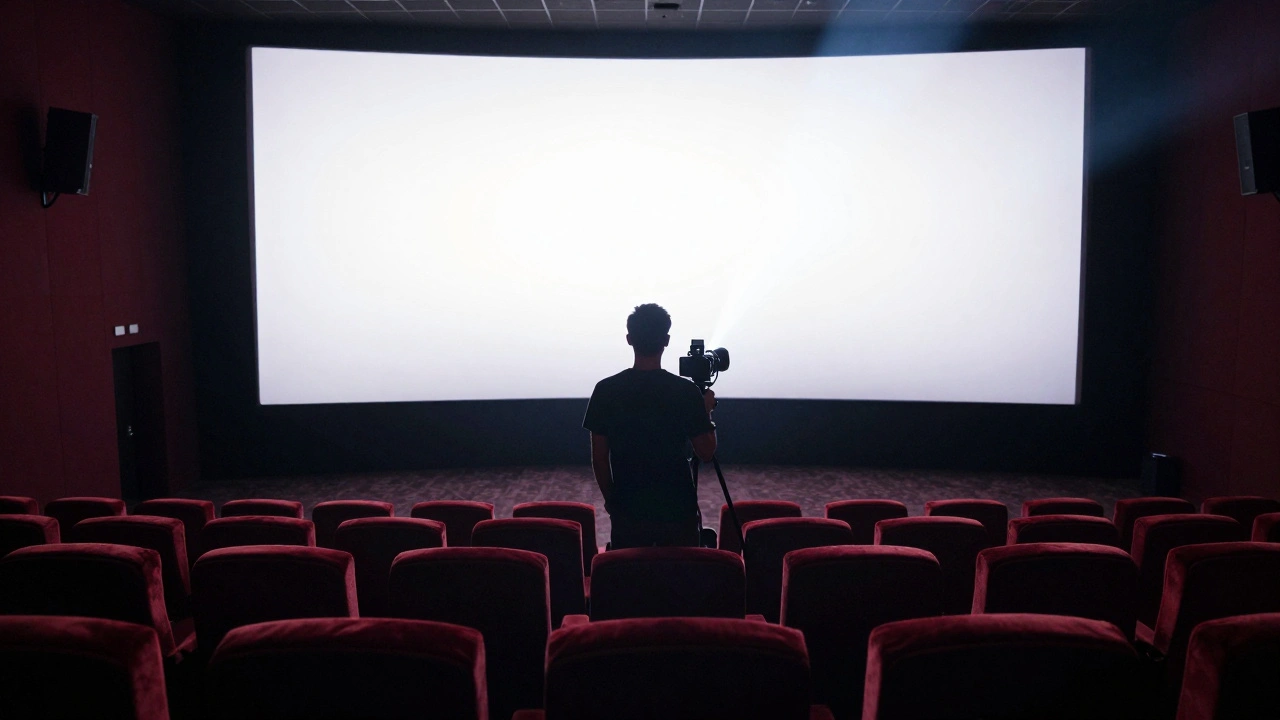
In the traditional movie business, a distributor handles the logistics and splits the ticket sales with the theater. However, four-walling is a distribution method where a filmmaker rents the entire cinema (the four walls) for a specific period. You aren't paying for a percentage of the profit; you are paying for the space. Because you are the one paying the rent, the cinema doesn't care if ten people show up or ten thousand-they've already been paid.
This approach is often used by Independent Films that don't fit the mold of major studio releases. By removing the middleman, you avoid the grueling process of pitching to executives who might demand changes to your final cut. You decide when the movie plays, which city it hits, and how much the tickets cost. It turns a movie release into an event-driven marketing campaign rather than a passive gamble on algorithm-driven placements.
The Financial Mechanics of Theater Rentals
When you four-wall, you are essentially shifting from a profit-sharing model to a fixed-cost model. In a standard deal, the Cinema Exhibitor takes a huge cut-often 50% or more-of the box office. With four-walling, you pay a flat rental fee. This fee varies wildly based on the size of the screen, the time of day, and the city. A Tuesday morning slot in a small town might cost you a few hundred dollars, while a Friday night in Los Angeles could cost thousands.
| Feature | Traditional Distribution | Four-Walling |
|---|---|---|
| Payment Model | Revenue Split (Percentage) | Flat Rental Fee (Fixed) |
| Revenue Ownership | Split between Theater/Distributor | 100% goes to Filmmaker |
| Risk Level | Lower (Distributor takes risk) | Higher (Filmmaker pays upfront) |
| Control | Limited by Distributor | Total Control |
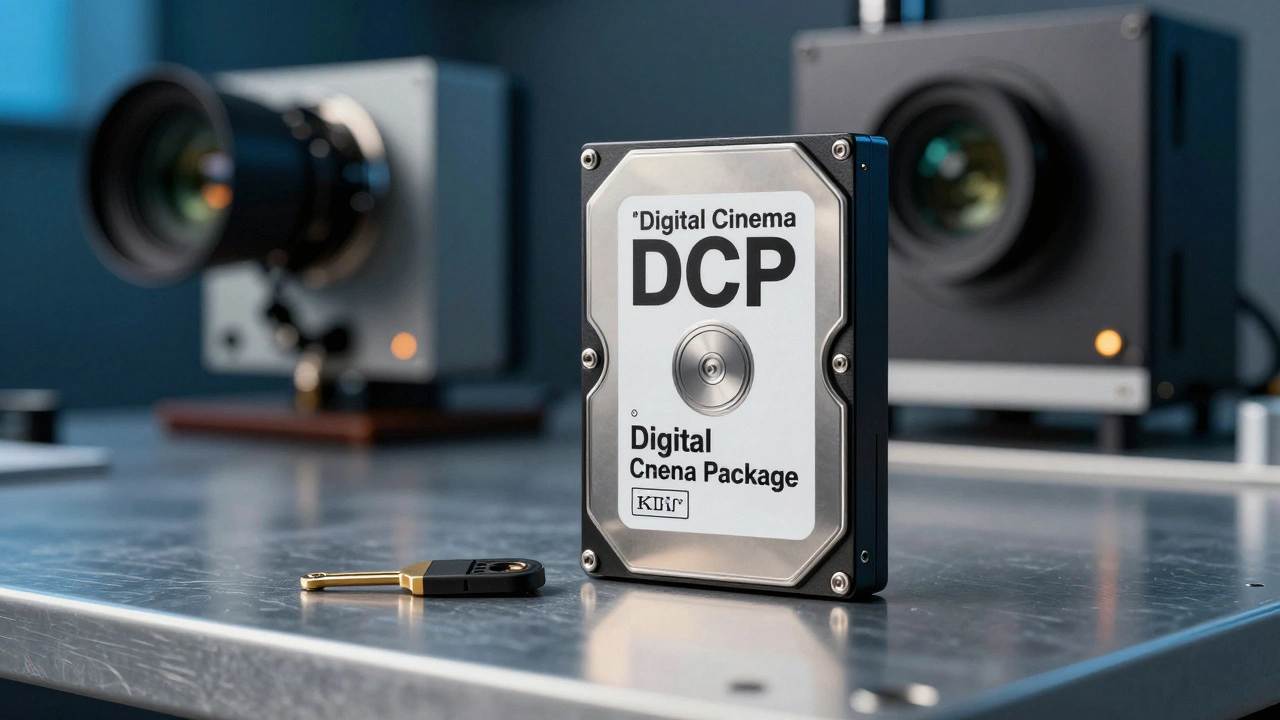
You need to account for the DCP (Digital Cinema Package). This is the industry-standard format used to project movies in theaters. You can't just bring a USB stick with an MP4 file and hope for the best. Creating a professional DCP involves specific encoding and encryption (KDM keys) to ensure the movie plays correctly on high-end projectors. If you don't budget for this technical requirement, you'll find yourself with a rented theater and a file that won't open.
Strategic Planning: Choosing Your Venue
Not every theater is built for indie films. If you try to rent a screen at a massive AMC or Regal multiplex, you'll likely find the costs prohibitive and the environment impersonal. Instead, look for Art House Cinemas or boutique theaters. These venues are often more open to independent creators and have audiences that actively seek out non-mainstream content. They might even offer "community rates" if your film has a social or local angle.
Consider the "Windowing" strategy. In the industry, Distribution Windows refer to the time between a movie's theatrical premiere and its availability on streaming platforms. By four-walling, you create your own window. This creates a sense of scarcity. Telling your audience that your film is "Only in Theaters for Three Nights" drives a level of urgency that a "Now Streaming on Vimeo" announcement simply cannot replicate.
The Marketing Hustle: How to Fill the Seats
Here is the hard truth: the theater doesn't help you sell tickets. Once you pay the rental fee, the cinema staff will provide the screen and the popcorn, but they won't spend their marketing budget to promote your film. You are the promoter. If you don't fill the seats, you lose money. This is where most indie filmmakers fail-they focus on the art of the film and forget the art of the sale.
Start by building a localized hype machine. If you are renting a screen in Austin, Texas, don't blast ads to people in New York. Use hyper-local social media targeting. Partner with local bloggers, podcasters, and community leaders who have an interest in your film's subject matter. For example, if your movie is a documentary about urban gardening, get the local gardening club to buy a block of tickets. This guarantees a baseline of attendance before you even open the doors.
Use a ticketing platform that allows you to capture email addresses. This turns a one-time viewer into a long-term lead. If the event is a success, you now have a list of people you can contact for future projects or for when you eventually launch a VOD (Video on Demand) release. Treat the theatrical event as a launchpad for everything that comes after.

Qualifying for Awards and Prestige
For many, four-walling isn't about making a profit-it's about the prestige. The Academy Awards and other major guilds have strict rules about theatrical releases to qualify for eligibility. In the past, this required a wide release, but rules have evolved to allow for smaller, targeted runs in specific cities like Los Angeles or New York.
A one-week run in a qualifying theater can be the difference between being "just another web movie" and being an "Oscar-eligible feature." This label opens doors. It makes you more attractive to streaming services like Netflix or Amazon, who are more likely to buy a film that has already been "vetted" by a theatrical run. In this scenario, the rental fee is an investment in your professional brand, not a direct cost of sales.
Common Pitfalls to Avoid
One of the biggest mistakes filmmakers make is overestimating their "fan base." You might have 10,000 followers on Instagram, but that doesn't mean 1,000 people will drive to a specific theater at 7:00 PM on a Thursday. Always under-promise and over-deliver. Start with a single-city, single-night event to test the waters before attempting a multi-city tour.
Another trap is ignoring the "House Nut." The house nut is the basic cost for the theater to operate-electricity, staffing, and cleaning. Some theaters build this into the rental fee, while others might try to charge it separately. Be very clear in your contract about what is included. Does the fee include a technician to run the projector? Does it include a dedicated staff member for ticket taking? Don't assume these services are automatic.
Next Steps for the Independent Creator
If you're ready to take the leap, start by mapping out your target cities. Look for pockets of your audience. If your film is a horror flick, look for cities with active genre film festivals. If it's a corporate documentary, target financial hubs. Once you have your locations, reach out to the managers of independent cinemas and ask for their "buy-out" or "rental" rates. Be prepared to show them a trailer; they want to make sure the content is appropriate for their brand.
Is four-walling more expensive than traditional distribution?
Upfront, yes. In traditional distribution, the distributor often pays for the marketing and the theater takes a cut of sales. In four-walling, you pay the rent and marketing costs regardless of how many tickets you sell. However, you keep 100% of the ticket revenue, which can lead to higher profits if the event is a hit.
Do I need a distributor to four-wall a movie?
No. The entire point of four-walling is to act as your own distributor. You deal directly with the theater owner and handle the ticketing and promotion yourself.
What is a DCP and why do I need one?
A Digital Cinema Package (DCP) is the professional format used by theaters. It ensures the movie is played at the correct frame rate, resolution, and sound level. Most professional cinemas will not accept a standard .mov or .mp4 file because it can cause glitches or playback issues on high-end projectors.
How do I set ticket prices for a rented theater?
Since you keep the revenue, you have total control. Most indie filmmakers price their tickets slightly above the local average to cover the rental costs. Offering "VIP packages" that include a Q&A session or a signed poster is a great way to increase the average ticket price.
Can I four-wall a movie in a mall cinema?
It is possible, but difficult. Large chains have corporate policies that make individual rentals rare or extremely expensive. You will have much better luck with independent, community, or art-house cinemas.