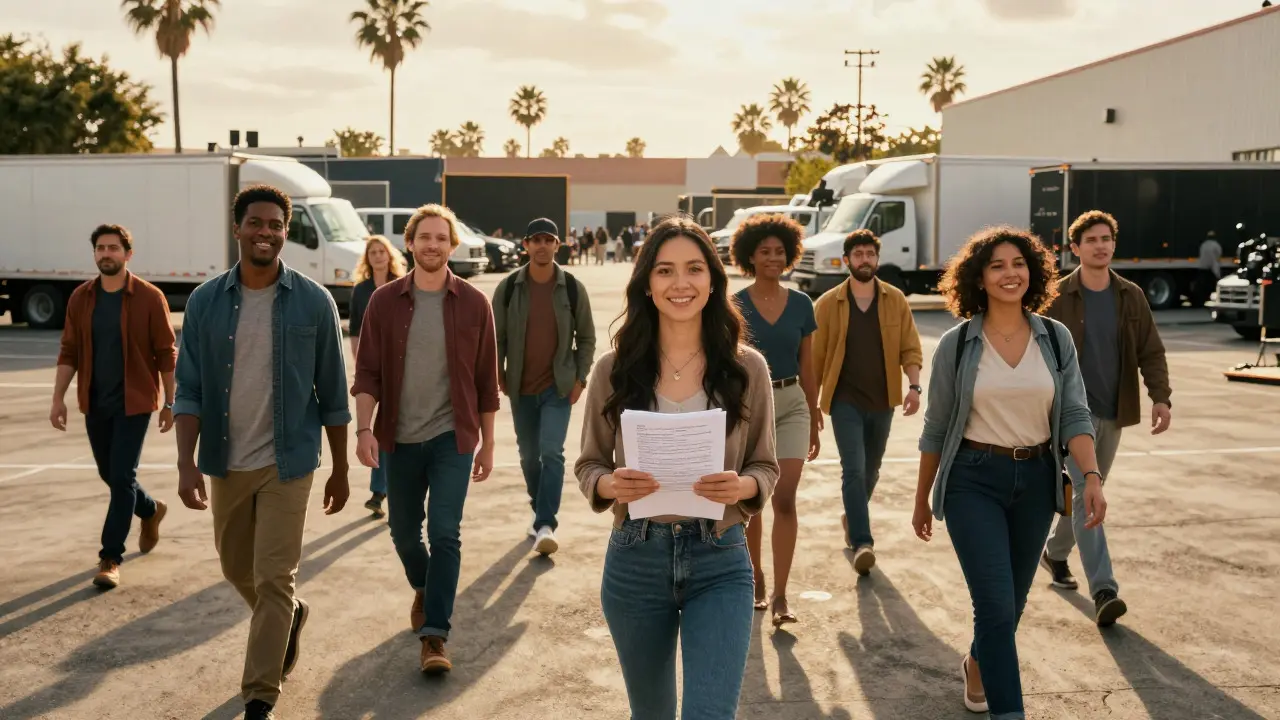
Walk into any major studio lot in Los Angeles or even a smaller indie production house in Asheville, and you’ll notice a shift that feels almost tectonic. The faces on the casting call sheets aren’t just different; they’re fundamentally redefining who gets to tell the story. It’s no longer about checking a box for a supporting role. Now, the lead is often someone whose background was previously relegated to the margins of Hollywood narratives. This isn’t just a moral imperative anymore; it’s a business strategy that is driving box office returns and audience engagement like never before.
The Business Case for Representation
For years, the argument for Diversity and Inclusion is a strategic approach in filmmaking that ensures varied backgrounds are represented in both on-screen roles and behind-the-camera positions was framed primarily as ethical duty. But the data has flipped the script. Studios now look at demographic shifts and realize that the global audience is far more diverse than the traditional "Hollywood" demographic. When a film reflects the actual makeup of its viewership, connection happens faster. Audiences don’t just watch; they see themselves. That emotional resonance translates directly into ticket sales and streaming subscriptions.
Consider the success of films released in the last two years that centered non-white leads or LGBTQ+ protagonists. These weren't niche hits. They became cultural phenomena because they tapped into an under-served market segment that had been hungry for authentic storytelling. The ROI (Return on Investment) on inclusive casting is no longer speculative; it’s documented in quarterly earnings reports from major studios. It’s a clear signal that risk-taking on talent is actually lower risk than sticking to the old guard.
Breaking Down the Casting Hierarchy
How does this change actually happen on set? It starts with the development phase. Writers’ rooms are becoming more diverse, which means the characters being written are more nuanced. You’re seeing fewer stereotypes and more complex human beings who happen to be from specific communities. This ripples into the casting process itself. Agents and managers are pushing their clients toward roles that were previously considered "too risky" for mainstream audiences. Conversely, directors are actively seeking out actors who bring lived experience to their roles, rather than just technical skill.
This creates a new dynamic in the hierarchy. The "A-list" status is being recalibrated. An actor’s bankability is now measured by their ability to connect across diverse demographics, not just their star power within a single demographic. We’re seeing established stars take supporting roles to work with emerging talent, creating mentorship opportunities that accelerate careers. It’s a collaborative ecosystem where visibility is shared, not hoarded.
| Aspect | Traditional Approach (Pre-2020) | Modern Approach (2024-2026) |
|---|---|---|
| Lead Selection | Based on box office history and name recognition | Based on character fit, cultural relevance, and audience connection potential |
| Supporting Roles | Often stereotypical or tokenistic | Complex, fully developed characters with agency |
| Behind-the-Scenes | Homogeneous crews | Diverse directors, writers, and producers involved in key decisions |
| Risk Assessment | High perceived risk for non-traditional leads | Low risk due to proven audience demand for authentic stories |

The Role of Streaming Platforms
You can’t talk about modern casting without mentioning the giants of streaming. Services like Netflix, Amazon Prime, and Apple TV+ have become the primary drivers of this trend. Unlike theatrical releases, which require broad mass appeal to justify high marketing costs, streaming platforms can target specific niches globally. This allows for more experimental and culturally specific stories to find their audience. A drama focused on the Asian-American experience in New York can succeed if it resonates deeply with that community, even if it doesn’t break records in France or Brazil.
This model encourages studios to greenlight projects based on authentic voices rather than generic appeal. It’s changed the definition of what a "hit" looks like. Success is no longer just opening weekend numbers; it’s sustained engagement over months. This long-tail effect rewards consistent quality and authentic representation, giving mid-budget films a fighting chance against blockbuster spectacles.
Challenges and Pitfalls
Does this mean everything is perfect? Far from it. There are still significant hurdles. One major issue is the gap between intent and execution. Sometimes, diversity becomes a checkbox exercise where the surface changes but the underlying power structures remain the same. For example, having a diverse cast but keeping the director and producer teams homogeneous can lead to misrepresentation or lack of creative control for minority artists.
Another challenge is the backlash from certain segments of the audience. While the majority of viewers embrace these changes, there is a vocal minority that resists anything that deviates from the traditional norm. Studios have to balance listening to the core audience with expanding the base. It requires careful marketing strategies that highlight the universal themes of the story rather than just the identity of the characters. If you market a film solely as "for X group," you limit its reach. If you market it as a great story with compelling characters, you open the door to everyone.
What to Watch Next
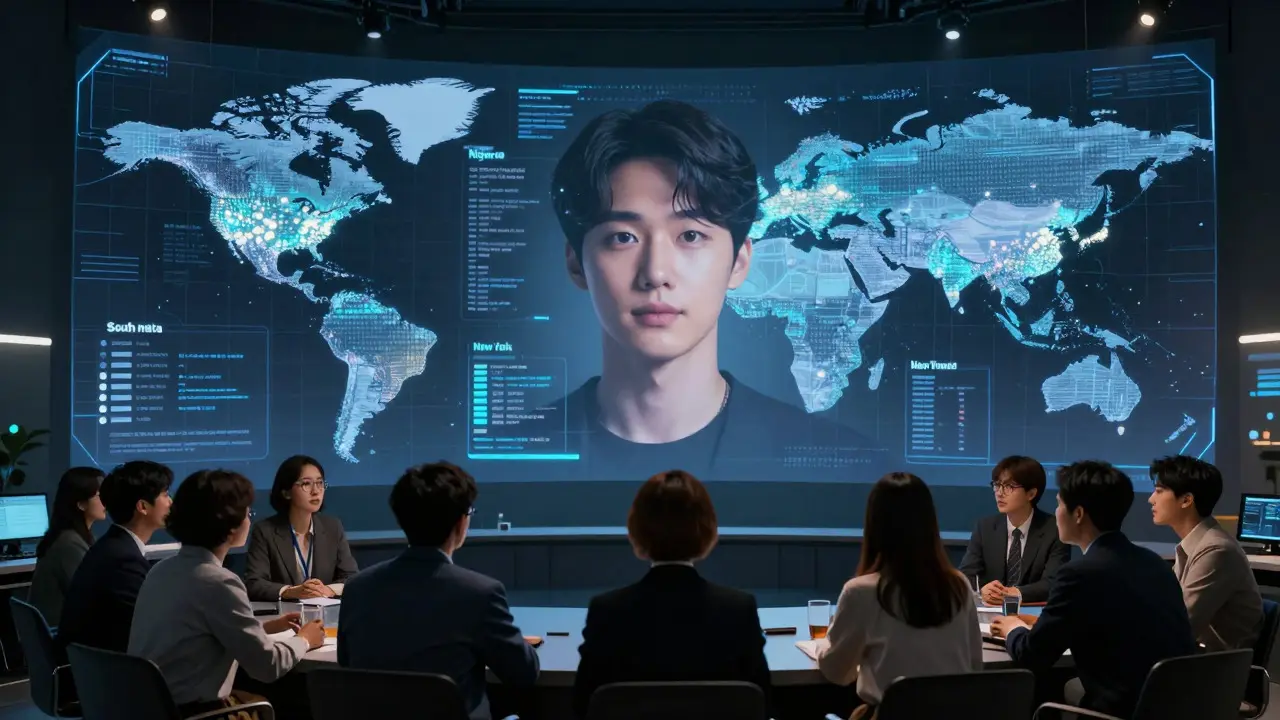
Looking ahead to the rest of 2026 and beyond, we expect to see even more integration of technology in casting. AI tools are beginning to analyze audience sentiment and predict how different casting choices might perform in various markets. This data-driven approach could further reduce bias by removing subjective human preferences from the initial selection process. However, the final decision will always remain a human one, guided by artistic vision.
We’re also likely to see more international collaborations. As the global film market integrates, casting decisions will increasingly consider global star power rather than just domestic fame. An actor rising in South Korea or Nigeria might be cast in a US-led project because their global brand value adds significant weight. This cross-pollination is breaking down geographic barriers and creating a truly global talent pool.
Frequently Asked Questions
Is diversity in casting only about race and gender?
No. While race and gender are prominent aspects, true inclusion also covers age, disability, sexuality, body type, and socioeconomic background. The goal is to reflect the full spectrum of human experience, not just a few visible categories.
Do diverse casts actually sell more tickets?
Yes, recent data shows that films with diverse leads often perform better financially, especially when the marketing aligns with the authentic nature of the story. Audiences are more engaged when they see themselves reflected, leading to higher word-of-mouth and repeat viewership.
How do streaming services influence casting trends?
Streaming platforms allow for niche targeting, meaning they can support stories that might not have wide enough appeal for theatrical release. This encourages risk-taking and supports diverse voices that traditional studios might have overlooked.
What is the biggest barrier to full inclusion in Hollywood?
The biggest barrier remains behind the camera. While on-screen diversity has improved rapidly, the number of directors, writers, and producers from underrepresented groups is still low. True inclusion requires shifting power dynamics in decision-making roles.
Will AI replace human judgment in casting?
Unlikely. AI will likely assist by providing data on audience reception and market trends, but the final choice of an actor involves intuition, chemistry, and artistic vision, which are inherently human traits.



Comments(5)