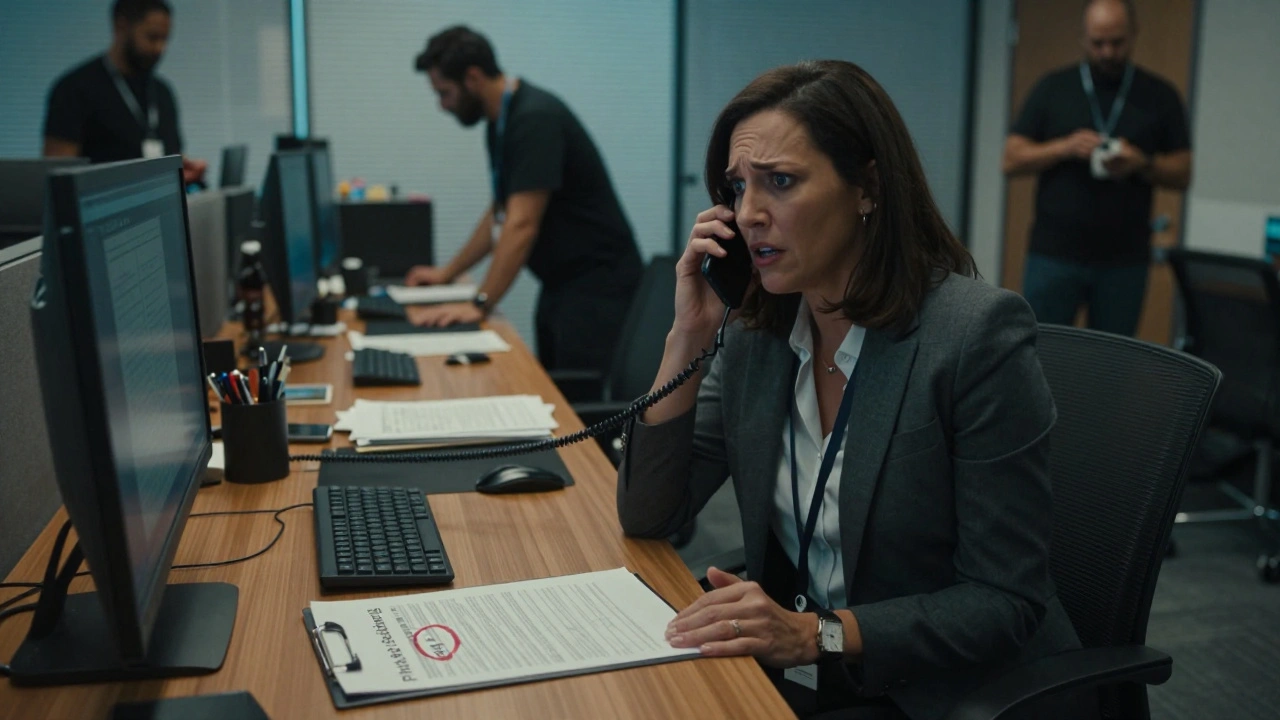
Imagine you’ve just cast the perfect lead actor from London for your shoot in Los Angeles. The script is locked, the locations are scouted, and the crew is ready. Then, three days before principal photography starts, the casting director calls with a panic in their voice: the actor’s visa hasn’t arrived. Suddenly, your million-dollar schedule is frozen. This isn't a rare edge case; it is the daily reality of global co-productions, which require meticulous planning around casting immigration and visas to ensure talent can legally cross borders on time.
In the world of international filmmaking, creative decisions are only half the battle. The logistical side-specifically managing the movement of people across sovereign borders-is where productions live or die. If you are producing a project that involves talent from multiple countries, understanding the timeline for work permits is not just administrative paperwork; it is a critical path item that dictates your entire shooting schedule.
The Hidden Timeline of Casting
Most producers think about casting in terms of chemistry reads and availability grids. But when dealing with international talent, you must overlay a second grid: the immigration processing timeline. You cannot simply book an actor for a two-week shoot in Berlin if they are based in New York without accounting for the bureaucratic lag.
The process begins long before the offer letter is signed. It starts with the pre-production phase, where production managers assess the nationality requirements of key cast members to initiate visa applications early. For many major jurisdictions, the clock starts ticking only after the application is submitted, not when you decide you want the actor.
Consider the United States. To bring in a foreign artist, you typically need an O-1A (Extraordinary Ability) or P-1 (Internationally Recognized Athlete/Artist) visa. The petition alone can take weeks to process by the Department of Labor and USCIS. Add in the premium processing fee, and you might shave days off, but you still face the risk of Requests for Evidence (RFEs). An RFE can stall your entire production for months if you haven't prepared the supporting documentation correctly.
Here is a realistic breakdown of how much time you need to allocate:
- Initial Consultation: 2-4 weeks before casting offers are made. Legal counsel reviews the talent's profile against visa criteria.
- Petition Preparation: 3-6 weeks. Gathering letters of recommendation, contracts, and proof of past achievements.
- Government Processing: 2-8 weeks (varies wildly by country and season).
- Consular Interview: 1-4 weeks waiting time for appointment slots at embassies.
- Buffer Time: Always add a minimum of 10% buffer to your total estimated timeline for unexpected delays.
If your shoot is scheduled for June, you should have started this conversation in February. Waiting until April is not optimism; it is negligence.
Navigating Specific Country Requirements
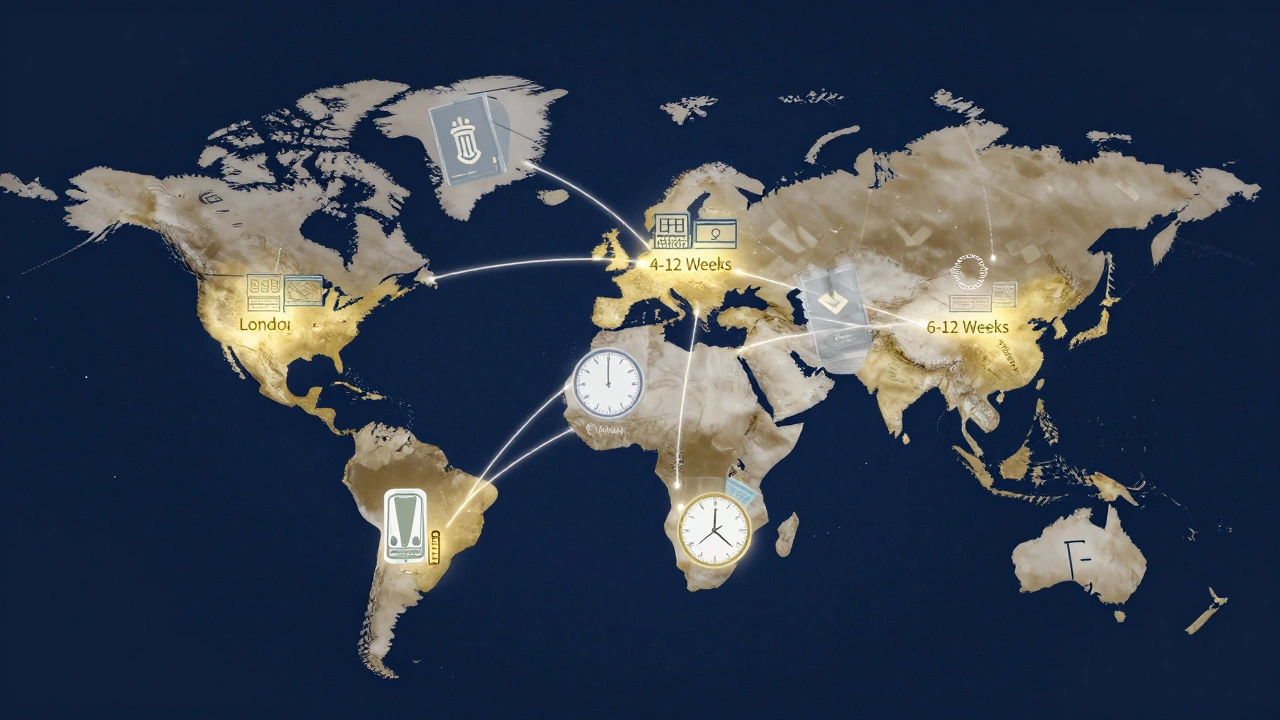
Not all countries treat foreign talent the same way. Some have streamlined processes for cultural exchanges, while others are notoriously strict. Understanding these nuances helps you structure your shooting schedule to align with specific national visa processing times and legal entry requirements.
| Country | Common Visa Type | Standard Processing Time | Key Constraint |
|---|---|---|---|
| United States | O-1 / P-1 | 4-12 weeks | High scrutiny on "extraordinary" claims |
| United Kingdom | Temporary Worker (Creative Industries) | 3-8 weeks | Requires Certificate of Sponsorship from licensed UK producer |
| Canada | Work Permit (Cultural Performers) | 2-6 weeks | Labour Market Impact Assessment (LMIA) may be required |
| Australia | Temporary Activity Visa (Subclass 408) | 4-10 weeks | Must prove no local Australian could fill the role |
| Germany | Freelance Artist Visa | 6-12 weeks | Requires approval from local arts council |
Notice the variance. In the UK, the bottleneck is often finding a licensed sponsor who will issue the Certificate of Sponsorship. In Canada, the LMIA process ensures that hiring a foreigner doesn't displace a local worker, which adds layers of documentation. In Germany, the bureaucracy is less about speed and more about proving the artistic merit of the project to local authorities.
For international co-productions, agreements between countries often include provisions for easier visa processing, but these benefits must be explicitly claimed during the application. Many producers forget to leverage tax treaty benefits or cultural exchange agreements that can expedite approvals. Always check if your production qualifies under any bilateral treaties before starting the standard application route.
The Role of the Line Producer and Location Manager
Who owns the visa timeline? It’s not just the casting director. The line producer and location manager are the backbone of this operation. They are the ones who interface directly with local fixers and government agencies.
A skilled location manager acts as the primary liaison between the production company and local immigration authorities, ensuring all permits and visas are secured before arrival. They know which embassy consulates are backlogged and which ones move quickly. They also understand the local labor laws that might affect visa eligibility. For example, some countries require that a certain percentage of the crew be local nationals. If your visa application implies you are bringing in a full foreign crew, it might be rejected outright.
The line producer’s job is to build the budget for these delays. Visa fees, legal retainers, and premium processing costs are real expenses. But so is the cost of idle equipment and unused hotel rooms if your star arrives late. A good line producer will calculate the "cost of delay" versus the "cost of acceleration." Sometimes, paying for expedited service saves thousands in overhead. Other times, it’s better to reshoot scenes with a stand-in while waiting for the visa.
Risk Mitigation Strategies
You can plan perfectly, but governments change rules overnight. Political tensions, security concerns, or administrative errors can derail even the most robust plans. How do you protect your production?
First, always have a contingency plan that includes backup casting options and flexible shooting schedules to accommodate potential visa denials or delays. This doesn’t mean you expect failure; it means you respect the complexity of international law. Identify understudies or alternative actors who already hold the necessary visas or citizenship. Keep them on standby.
Second, consider filming order flexibility. Can you shoot the scenes involving the international talent last? Or perhaps first, while everyone is fresh and the momentum is high? Sometimes, splitting the shoot into two blocks-one for local talent and one for international talent-can reduce the financial exposure of visa delays. This is known as "block shooting" and is a common tactic in large-scale co-productions.
Third, engage legal experts early. Don’t wait for the casting director to flag an issue. Bring in immigration attorneys who specialize in entertainment law during the development phase. They can advise on structuring contracts to include force majeure clauses related to visa issues. This protects both the production and the talent if a denial occurs through no fault of either party.
The Impact of Digital Nomad Visas
A new trend is emerging in the film industry: the use of digital nomad visas for behind-the-scenes personnel. While acting roles generally require specific work permits because they involve public performance and economic competition, some technical roles might fall into gray areas.
However, be cautious. digital nomad visas are typically designed for remote workers who serve clients outside the host country, not for individuals working directly for a local entity or performing publicly. Using a digital nomad visa for a film crew member who is working on a local production can lead to serious legal repercussions, including deportation and bans from future entry. Always consult with local counsel before attempting to classify crew members under these newer, more flexible visa categories.
Conclusion: Planning for People, Not Just Pictures
Casting immigration and visas are not just paperwork; they are the gatekeepers of your creative vision. In global co-productions, the ability to move talent efficiently is as important as the quality of the script. By integrating visa timelines into your pre-production schedule, leveraging local expertise, and building in buffers for the inevitable unknowns, you can turn a potential disaster into a seamless operation.
Remember, the best production is one where the audience never thinks about logistics. They see the story, the emotion, and the art. Your job is to make sure the talent is there to deliver it, on time and legally. Start the conversation early, plan meticulously, and never underestimate the power of a well-prepared visa application.
How long does it take to get a work visa for an actor in the US?
Processing times for O-1 or P-1 visas in the US typically range from 4 to 12 weeks. This includes preparation of the petition, submission to USCIS, and potential requests for evidence. Premium processing can reduce the initial adjudication time to 15 calendar days, but this does not account for consular interview wait times or delays caused by additional documentation requests.
Can I use a tourist visa for an actor to perform in my film?
No, using a tourist visa for paid work or public performance is illegal in almost all countries. Tourist visas strictly prohibit engaging in employment or receiving payment from a source within the host country. Actors must obtain specific work permits or temporary residency visas designed for cultural performers to avoid legal penalties and future travel bans.
What is the role of a Certificate of Sponsorship in UK visa applications?
In the UK, a Certificate of Sponsorship (CoS) is a digital record issued by a licensed sponsor (usually the production company or a registered agency) that allows a foreign national to apply for a Temporary Worker visa. Without a valid CoS, the actor cannot begin the visa application process. Obtaining sponsor license status can take several months, so productions often partner with existing licensed entities.
How do I handle visa delays if my shoot date is fixed?
If visa delays threaten a fixed shoot date, consider block shooting techniques where scenes without the delayed talent are filmed first. Additionally, having backup actors who already possess the necessary visas can allow you to maintain momentum. Engaging legal counsel to explore expedited processing options or appealing urgent humanitarian/cultural grounds may also help, though success is not guaranteed.
Are digital nomad visas suitable for film crew members?
Generally, no. Digital nomad visas are intended for remote workers serving clients outside the host country. Film crew members working on a local production are providing services within the country, which usually requires a standard work permit. Misusing a digital nomad visa for film work can result in deportation and blacklisting from future entries.