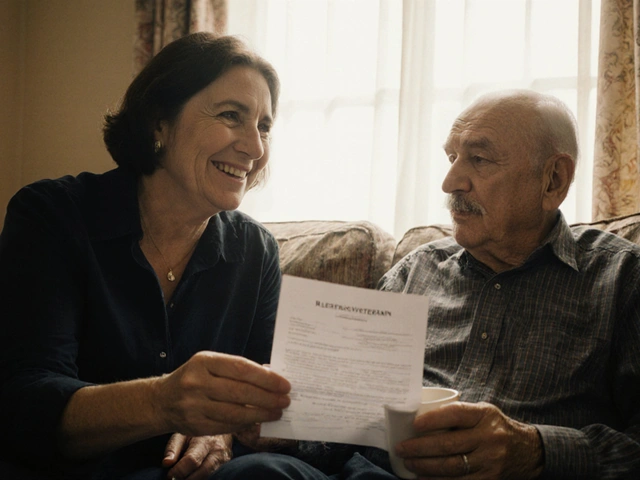
You’ve just wrapped your latest feature. The dolly is packed away, the crew has gone home, and for the first time in months, you can actually sleep through the night. But that peace doesn’t last long. Almost immediately, the phone starts ringing. Producers want to know what’s next. Agents are lining up meetings. And suddenly, you’re staring at a dozen scripts, each promising something different, but only one will define your next few years.
This is the moment where career sustainability is the strategic management of a filmmaker's professional life to ensure long-term creative relevance and financial stability matters most. It isn’t about getting the biggest paycheck or the most famous cast. It’s about making choices that keep you working, growing, and relevant for decades, not just seasons. Many talented directors burn out after two films because they chose projects based on hype rather than fit. You don’t have to be one of them.
The Hidden Cost of Saying Yes to Everything
Early in your career, every opportunity feels like gold. A producer offers you a modest budget for a thriller. A streaming service wants a prestige drama. An indie festival darling needs someone to helm their second feature. It’s tempting to say yes to everything. After all, work leads to more work, right?
Not necessarily. In the film industry, your reputation is built on completion and quality, not volume. If you take on a project that drains your creative energy, misses its deadline, or fails to resonate with audiences, it casts a shadow over your next pitch. Creative fatigue is a state of mental exhaustion resulting from continuous high-stakes decision-making and emotional investment in production is real. It leads to poor decisions on set, strained relationships with actors, and a final product that lacks soul.
Think about Christopher Nolan. He doesn’t release a film every year. He takes time between projects to develop ideas deeply. That gap isn’t laziness; it’s preservation. By choosing projects that align with his interests and allowing himself space to recharge, he maintains a level of consistency that keeps him at the top of his game. Your goal shouldn’t be to mimic his output, but to understand his principle: selectivity preserves quality.
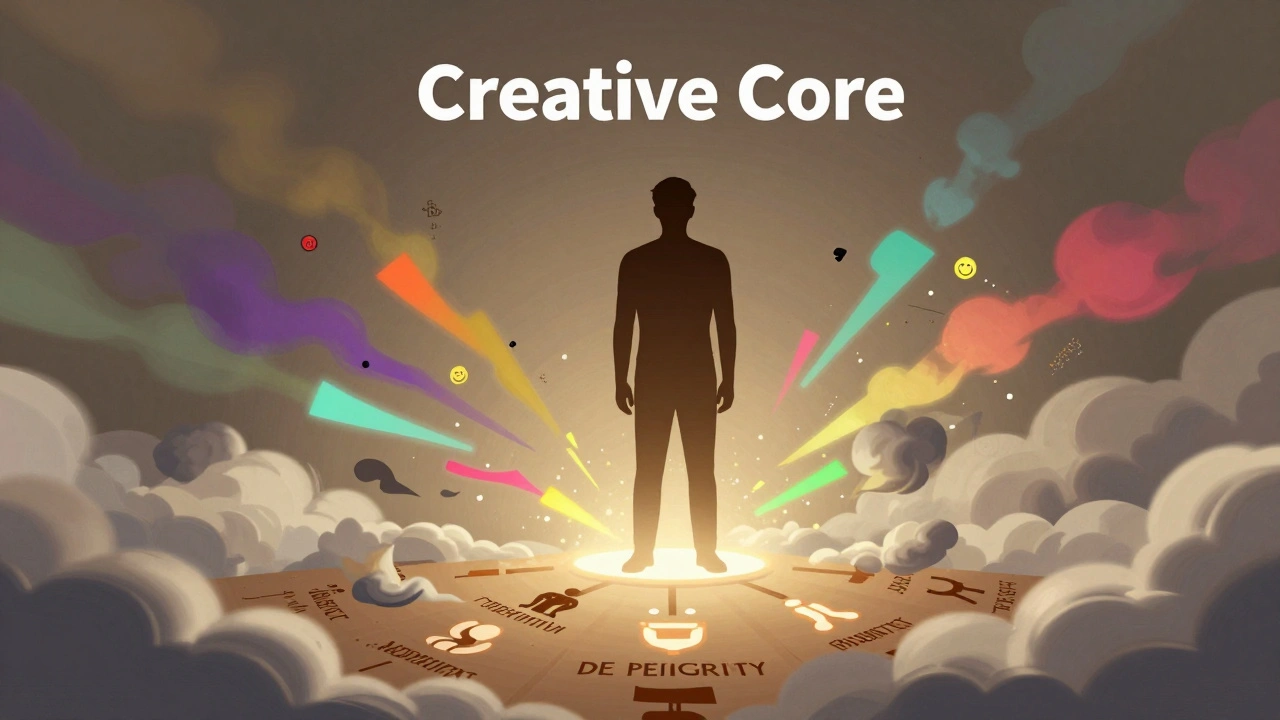
Defining Your Creative Core
Before you look at any script, you need to look inward. What kind of stories do you tell best? Are you a master of intimate character studies, or do you thrive in large-scale action sequences? Do you prefer period pieces with meticulous research, or contemporary dramas that reflect current social issues?
Your creative core is the unique combination of thematic interests, stylistic preferences, and narrative strengths that define a director's artistic identity is your anchor. When you stay close to it, your work feels authentic. Audiences can sense when a director is forcing themselves into a genre they don’t understand. They might watch once, but they won’t follow you forever.
- Identify your themes: List the three recurring topics in your previous work. Is it redemption? Identity? Family conflict? Stick to these unless you have a compelling reason to pivot.
- Analyze your strengths: Are you better at visual storytelling or dialogue-driven scenes? Lean into what comes naturally.
- Assess your resources: Do you have a trusted cinematographer who excels in low-light conditions? Does your editor specialize in fast-paced montages? Build around your team’s expertise.
When you know your core, saying "no" becomes easier. You stop chasing trends and start building a body of work that speaks clearly to your voice. This clarity attracts collaborators who share your vision, creating a stronger foundation for future projects.
Evaluating the Business Side of Filmmaking
Art doesn’t pay the bills. While passion drives your creativity, practicality keeps your career alive. Every project you choose should be evaluated not just on its artistic merit, but on its business viability. This means looking beyond the script to the people and money behind it.
Consider the production company is the entity responsible for financing, managing, and distributing a film project. Who are they? Have they delivered films on time and within budget? Do they have a distribution deal with a major studio or a strong independent network? A great script with no distribution plan is just a piece of paper. A decent script with a solid distribution partner can still find an audience.
Also, look at the budget. Is it realistic for the scope of the story? Over-budgeted projects often lead to creative compromises later. Under-budgeted ones can leave you scrambling to cover basic costs. Aim for a middle ground where the money supports the vision without creating unnecessary risk.
| Factor | Why It Matters | Red Flags |
|---|---|---|
| Distribution Plan | Ensures the film reaches an audience | No clear distributor attached |
| Budget Realism | Prevents financial stress during production | Budget significantly under market rates |
| Creative Control | Allows you to maintain your vision | Producer demands final cut rights |
| Team Experience | Smooths out production challenges | Key roles filled by inexperienced hires |
The Power of Strategic "No"
Saying no is one of the hardest skills for a director to master. You’re used to solving problems, finding ways to make things happen. But sometimes, the best solution is to walk away. Every "yes" is a rejection of another opportunity. If you say yes to a mediocre project, you’re saying no to a potentially transformative one.
Strategic refusal protects your time and energy. It signals to the industry that you value your craft. Producers and studios respect directors who are selective. They know that when you do commit, you’ll give it your all. This builds trust, which leads to better offers in the future.
Don’t feel guilty about turning down work. Instead, frame it as a positive choice. Tell producers, "This isn’t the right fit for me right now, but I’d love to collaborate on something that aligns more closely with my vision." This keeps the door open while maintaining your boundaries.

Building Long-Term Relationships
Filmmaking is a collaborative art. No director works alone. Your success depends on the people around you-your writers, producers, actors, and crew. Choosing the next project wisely also means considering who you’ll be working with.
Look for partners who share your values and work ethic. Someone who respects your process and communicates openly will make the journey smoother. Conversely, toxic dynamics can derail even the most promising projects. Pay attention to how potential collaborators treat others. Are they respectful to assistants? Do they listen to feedback? These small signs predict big outcomes.
Invest in relationships that grow with you. As you advance in your career, having a loyal circle of trusted colleagues can provide stability. They’ll advocate for you, offer honest critiques, and help you navigate difficult decisions. This network becomes your safety net, ensuring that even if one project fails, you have support for the next.
Adapting to Industry Changes
The film industry is constantly evolving. New technologies, changing audience habits, and shifting economic models require directors to adapt. Career sustainability means staying flexible without losing your core identity.
For example, the rise of streaming platforms has changed how films are funded and distributed. Traditional theatrical releases are no longer the only path to success. Understanding these shifts allows you to make informed decisions about where your work fits best. Maybe a smaller, character-driven film finds a larger audience on a streaming service than in theaters. Recognizing this can open new doors.
Stay curious. Attend workshops, read industry reports, and talk to peers outside your immediate circle. Knowledge is power. The more you understand the landscape, the better equipped you are to navigate it. Adaptability doesn’t mean abandoning your principles; it means finding new ways to express them in a changing world.
How do I balance creative passion with commercial viability?
Start by identifying projects that satisfy both criteria. Look for stories that resonate personally but also have clear audience appeal. Research similar films that succeeded commercially and analyze what made them work. Don’t sacrifice your voice entirely, but be willing to adjust elements to broaden reach. Collaboration with experienced producers can help bridge this gap.
What should I do if I’m offered a high-paying project I’m not passionate about?
Consider the long-term impact. Will this project enhance your reputation or dilute it? Can you complete it efficiently without burning out? Sometimes taking a financially secure project can fund a passion project later. However, avoid projects that conflict with your values or damage your creative integrity. Money is important, but so is your legacy.
How can I build a sustainable team around me?
Focus on hiring people who complement your strengths and share your work ethic. Invest in mentorship and foster a positive culture. Treat everyone with respect, regardless of their role. Strong teams attract more talent. Over time, this creates a reliable network of professionals who want to work with you repeatedly.
Is it okay to take breaks between projects?
Absolutely. Breaks are essential for preventing burnout and recharging creativity. Use this time to reflect, learn, and explore new ideas. Many successful directors take significant gaps between films to ensure they bring fresh energy to each project. Just communicate your timeline clearly to stakeholders to manage expectations.
How do I handle rejection when pitching my own projects?
Rejection is part of the process. Analyze feedback objectively to improve future pitches. Don’t take it personally. Keep refining your ideas and expanding your network. Persistence pays off. Many successful films were rejected multiple times before finding the right home. Stay resilient and keep pushing forward.