
Every May, the Croisette turns into a global stage where cinema history is written in real time. If you are planning your viewing strategy for the Cannes Film Festival 2025, you need more than just a list of titles; you need a roadmap through the labyrinth of sections, premieres, and exclusive screenings. The festival isn't just about who wins the Palme d'Or; it's about understanding which films are worth your limited time in a city that can feel overwhelmingly large when you're trying to catch three screenings a day.
Key Takeaways for Cannes 2025
- Official Selection Hierarchy: Understand the difference between Competition, Un Certain Regard, and Out of Competition to prioritize screenings.
- Red Carpet Access: Public tickets are rare; focus on accreditation or specific public screening slots if available.
- Market vs. Festival: Know that the Marché du Film runs parallel but serves industry buyers, not general audiences.
- Venue Logistics: The Palais des Festivals is central, but secondary venues like the Debussy require strategic travel planning.
- Post-Festival Availability: Most winners secure distribution quickly, but niche selections may take months to reach streaming platforms.
Navigating the Official Selection Sections
The heart of the festival beats within the Official Selection. This is where the prestige lies, and frankly, where the confusion often starts for newcomers. It’s not one big bucket; it’s a tiered system designed to highlight different types of cinematic achievement. When people say "I'm going to see an Official Selection film," they usually mean one of four distinct categories. Knowing which is which saves you from walking out of a slow-burn art house drama expecting a blockbuster thriller.
First, there is the Competition. These twenty-ish films are fighting for the Palme d'Or. They are curated by the festival directors and represent the highest artistic stakes. If you only have time for five movies, make them these. Next is Un Certain Regard, literally "A Certain Look." This section highlights original works with distinct aesthetics, often featuring emerging directors or unconventional narratives. It’s less about awards politics and more about discovering fresh voices. Don’t skip it; some of the most talked-about films of recent years started here.
Then you have Out of Competition. These are high-profile films that don’t compete for prizes but get the gala treatment. Think major Hollywood stars walking the red carpet for projects that might be sequels or star-driven dramas. Finally, Special Screenings and Midnight Screenings cater to specific tastes-documentaries, restored classics, or genre-bending horror films that play late at night. For the 2025 edition, keep an eye on the Midnight section; it’s become a cult favorite for fans of Asian cinema and experimental thrillers.
Understanding the Awards Structure
Awards season fatigue is real, but Cannes operates differently than the Oscars. There is no single "Best Picture" equivalent that dominates all headlines immediately. Instead, the jury distributes recognition across several tiers. The top prize is the Palme d'Or, awarded to the director. But the Grand Prix acts as a strong runner-up, often signaling future Oscar contenders. The Jury Prize is another key indicator, frequently given to films that were divisive but undeniably bold.
You’ll also hear about Best Director, Best Actor, and Best Actress. In 2025, pay attention to the Caméra d'Or. This award goes to the best first feature film across all sections (including Critics' Week and Directors' Fortnight). It’s a crucial metric for spotting rising talent before they hit mainstream fame. If you’re looking for the next big auteur, follow the Caméra d'Or shortlist closely. The jury itself changes every year, led by a President who sets the tone. A controversial jury president can shake up predictions, so check who is heading the panel before making bets.
| Award | Criteria | Prestige Level | Typical Winner Profile |
|---|---|---|---|
| Palme d'Or | Overall excellence in competition | Highest | Established masters or breakthrough visionaries |
| Grand Prix | Second place distinction | Very High | Films with strong narrative or visual impact |
| Jury Prize | Originality and risk-taking | High | Polarizing or avant-garde works |
| Caméra d'Or | Best first feature | Industry Watch | New directors with unique styles |
Logistics: Getting Into the Room
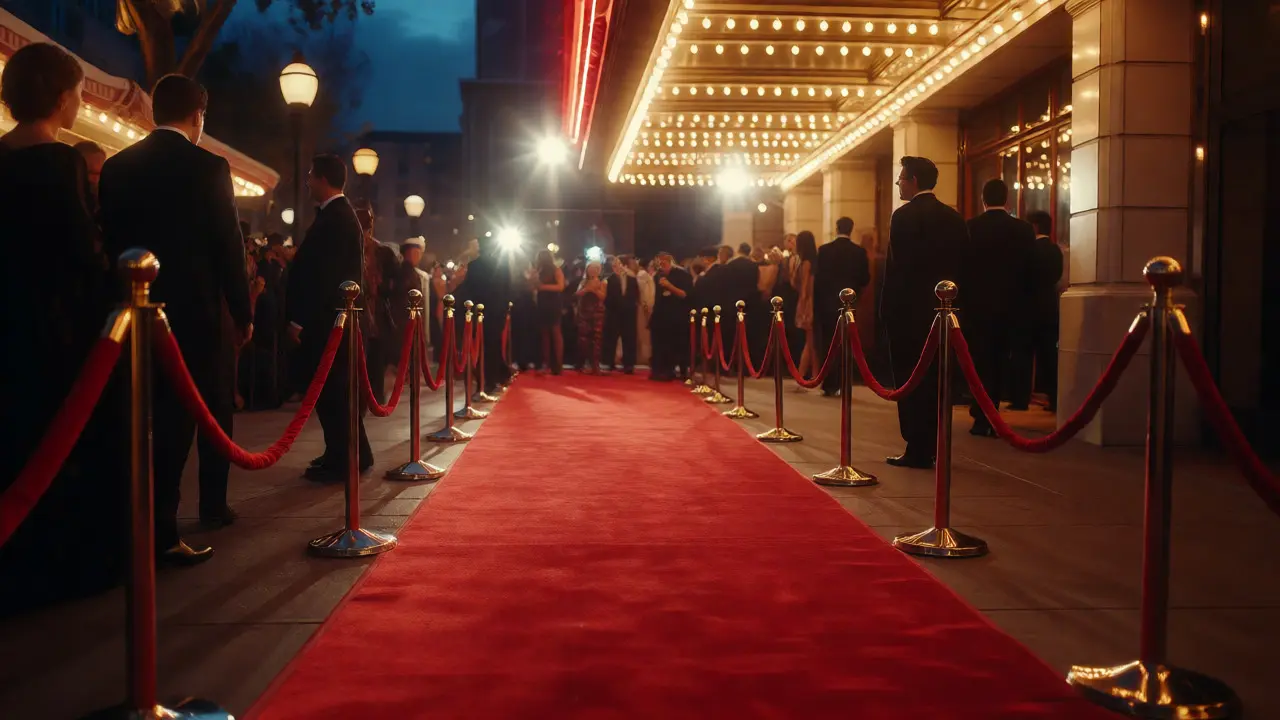
Let’s address the elephant in the room: getting inside the Palais des Festivals. Unless you have an industry badge or a press pass, access is tight. The festival issues a limited number of public tickets, but they sell out instantly. For 2025, assume that if you don’t have accreditation, your primary viewing experience will be outdoor screenings or side events. The main theater, the Grand Théâtre Lumière, holds over 2,300 seats, but demand far exceeds supply.
If you manage to snag a ticket, arrive early. Security checks are rigorous, similar to airport protocols. You cannot bring food or drinks inside during certain screenings, and phones must be silenced completely. The etiquette is strict: applause is welcome, but talking is frowned upon. Remember, many attendees are critics or distributors working under pressure. Your casual chat might be their noise pollution.
For those without badges, the Marché du Film offers a different angle. While primarily for buying and selling rights, some areas allow observers to soak in the atmosphere. However, do not confuse the Market with the Festival screenings. The Market shows rough cuts and unfinished films, often with temporary soundtracks. It’s chaotic and loud, perfect for networking but terrible for appreciating final edits.
Beyond the Red Carpet: Side Events and Culture
Cannes is not just a film festival; it’s a social phenomenon. The parties, known as "soirées," are legendary. From the amfAR Gala to brand-sponsored beach clubs, the nightlife rivals the daytime screenings. But beyond the champagne, the cultural fabric of the town matters. The Croisette promenade becomes a runway for fashion statements that range from elegant to absurd. Watching the crowd is half the fun.
Also consider the Directors' Fortnight and Critics' Week. These independent sections run alongside the Official Selection. They are often more accessible to the public and feature daring, low-budget gems. Directors' Fortnight, organized by the Society of French Film Directors, has historically launched careers like Ken Loach and the Dardenne brothers. If you find the Official Selection too polished or safe, head to these sidebars for raw energy.

What Happens After the Lights Go Down?
Once the ceremony ends and the Palme d'Or winner gives their speech, the real work begins for the filmmakers. Distribution deals signed during the festival determine how quickly you’ll see these films back home. In 2025, expect major streaming platforms to aggressively acquire winners, aiming for immediate global releases. However, traditional theatrical releases still hold weight, especially in Europe.
Keep an eye on the critical reception. Rotten Tomatoes scores and Letterboxd ratings spike within hours of the premiere. Use this data to filter your watchlist. A film might win the Grand Prix but split critics down the middle. Conversely, a small entry in Un Certain Regard might receive unanimous praise. Trust the consensus over the hype machine.
Practical Tips for Attendees and Viewers
If you are traveling to Cannes, book accommodations six months in advance. Prices triple during the festival period. Consider staying in nearby towns like Antibes or Nice and taking the train; it’s cheaper and often faster than navigating traffic in Cannes itself. Pack comfortable shoes. You will walk miles between venues, often carrying heavy bags or notebooks.
For remote viewers, set up alerts for key release dates. Many films secure North American distribution windows shortly after Cannes. Follow reputable film journalists on social media for real-time reviews. Avoid spoilers until you’ve read multiple perspectives, as initial reactions can be volatile based on the screening environment.
Can anyone attend the Cannes Film Festival screenings?
Generally, no. Main screenings require professional accreditation (industry, press, or student) or rare public tickets. Without a badge, you are mostly limited to outdoor screenings or side events.
What is the difference between Competition and Un Certain Regard?
Competition features established directors vying for the Palme d'Or. Un Certain Regard focuses on originality and new voices, offering a separate prize structure and often showcasing more experimental or debut works.
How long does the Cannes Film Festival last?
The festival typically lasts for twelve days, starting on a Wednesday evening and ending on a Sunday afternoon with the closing ceremony and awards announcement.
Do winners get a cash prize?
No, the Palme d'Or and other major awards are symbolic trophies. The financial benefit comes from increased distribution value, marketing exposure, and prestige, which translates to box office and licensing revenue.
What is the Caméra d'Or?
It is an award given to the best first feature film presented in any of the festival's sections (Official Selection, Directors' Fortnight, or Critics' Week). It highlights emerging talent.
Are Netflix films eligible for the Palme d'Or?
Yes, provided they meet the current eligibility rules regarding theatrical release requirements in France. Recent rule changes have allowed streaming films to compete if they commit to a theatrical window.
When are the 2025 selection announcements made?
The full lineup is usually announced in mid-April, about two weeks before the festival begins in May. Early rumors start circulating months prior.
Is there a dress code for Cannes?
There is no strict legal dress code for the street, but black tie is expected for gala screenings and official parties. Casual wear is acceptable for regular daytime screenings.






Comments(5)