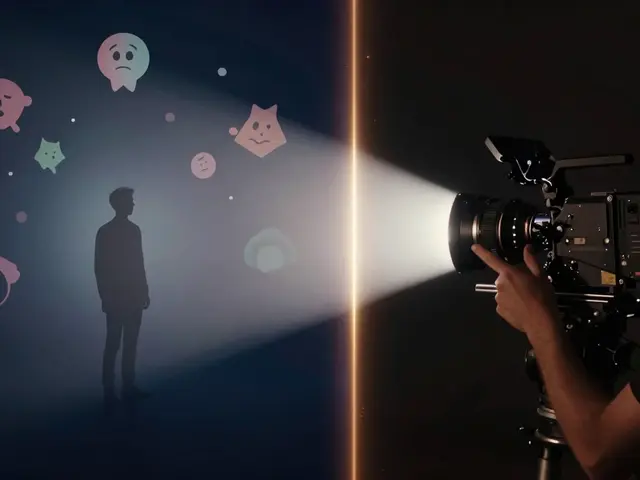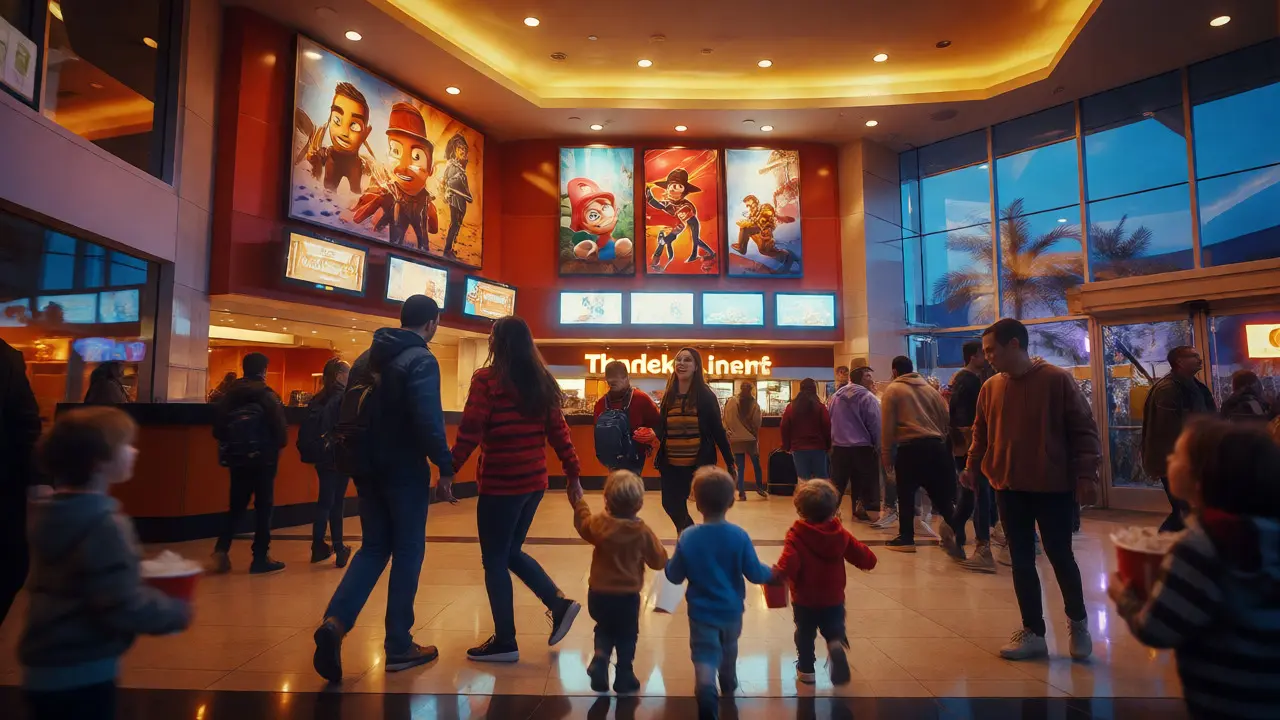
Ever wonder why you’re fighting for parking at a Magic Kingdom ride while your friend is quietly weeping in an art-house theater downtown? It’s not bad luck. It’s the holiday box office pattern. Every year, studios play a high-stakes game of chess with release dates. On one side, you have massive Family Films designed to empty wallets and fill seats with kids. On the other, you have prestige Awards Contenders aiming for Oscar gold and critical acclaim. These two forces collide every November and December, creating a unique ecosystem that dictates how movies are marketed, where they open, and how much money they make.
If you’re trying to understand which movie will dominate the screen this winter, or if you’re just curious about the mechanics behind those packed multiplexes, you’ve come to the right place. We’re going to break down the strategies, the numbers, and the psychology behind the holiday season releases. No fluff, just the raw logic of Hollywood’s most profitable-and pretentious-time of year.
The Holiday Window: Why Timing Is Everything
Hollywood doesn’t guess; it calculates. The period from Thanksgiving through New Year’s Eve is arguably the most lucrative stretch of the calendar year. Why? Because people are off work, schools are out, and families are together. This creates a perfect storm for ticket sales. But here’s the twist: there are actually two distinct holidays within this window, and they serve different masters.
Thanksgiving (late November) is the launchpad for family blockbusters. Studios know that parents want something safe, fun, and visually spectacular for their children. Think animated features or live-action adventures like Paddington or Jumanji. These films need wide releases. They need 3,000+ screens. They need to be everywhere so that when a kid says, "I want to see that," the parent can say, "Sure, let's go today."
Contrast that with Christmas (late December). This is prime time for adult dramas and historical epics. The audience here isn't looking for slapstick; they're looking for substance. Movies like Oppenheimer or Barbie might open earlier, but the true awards bait often lands in late December. Why? Because voters for the Academy Awards need to see these films fresh in their minds before voting begins in January. If a film opens too early, it fades from memory. If it opens too late, it misses the eligibility cutoff. It’s a delicate dance.
Family Films: The Wide Release Strategy
Let’s talk about the juggernauts. Family films operate on a simple principle: volume. A studio releasing a major animated feature like a new Disney or Pixar title doesn’t care about critical reviews as much as they care about opening weekend attendance. They buy ad slots during morning cartoons and evening news. They put posters on every bus stop.
The strategy is called a "wide release." This means the movie hits thousands of theaters simultaneously. The goal is to capture the entire market share in the first three days. If you miss the opening weekend, you might wait weeks for a re-release or streaming drop. Parents know this. That’s why lines around Thanksgiving are brutal.
| Attribute | Typical Value | Why It Matters |
|---|---|---|
| Release Date | Late November (Thanksgiving) | Captures school break and family travel. |
| Screen Count | 3,500 - 4,500+ | Maximizes accessibility for impulse buyers. |
| Rating | G, PG, or PG-13 | Ensures no age barriers for entry. |
| Budget | $150M - $250M | High production value required for global appeal. |
| Marketing Spend | $100M+ | Dominates TV and digital airwaves for weeks. |
One common mistake viewers make is assuming all family films are created equal. Not really. There’s a tier system. Tier 1 is the mega-franchise (like Star Wars or Marvel). These don’t even need Thanksgiving; they open whenever. Tier 2 is original animation or sequels to popular kids' brands. These rely heavily on the holiday slot because they lack the built-in fanbase of a superhero universe. If you’re wondering why some kids' movies flop despite good reviews, check their release date. If they opened in February instead of November, they were likely doomed by lack of foot traffic.
Awards Contenders: The Platform Release Tactic
Now flip the script. Awards contenders rarely open on 4,000 screens. In fact, many start on just five or ten screens in Los Angeles and New York City. This is called a "platform release." The logic is counter-intuitive: scarcity creates buzz.
When a critic sees a film like Tár or All Quiet on the Western Front playing in only two theaters, they write about it. Word spreads. Industry insiders talk. By the time the film expands to 500 screens in mid-December, the conversation is already heated. This organic marketing saves millions in advertising costs.
But there’s a risk. If the film doesn’t resonate immediately, it dies in obscurity. Unlike family films, which have a guaranteed audience of bored kids, awards films need to earn their audience one viewer at a time. The performance metric here isn’t total gross; it’s per-screen average. A film making $50,000 on one screen is more impressive than a film making $5 million on 1,000 screens. Studios use this data to decide how wide to expand the release. If the numbers hold up, they push harder. If they drop, they pull back.
Consider the case of Parasite. It didn’t explode overnight. It started small, gained traction through festival wins and critical praise, and eventually expanded globally. Holiday slots allow for this slow burn because the competition is fragmented. You’re not fighting for attention against Avatar; you’re fighting for mindshare among cinephiles who have free time during the holidays.

The Clash: When Genres Collide
What happens when a massive family film and a prestigious drama open on the same weekend? Usually, the family film takes the box office crown, but the drama steals the headlines. Look at the 2023 holiday season. Wonka dominated the family slot, pulling in hundreds of millions globally. Meanwhile, Killers of the Flower Moon was grinding along with a smaller, older demographic.
This collision isn’t always bad. Sometimes, it helps both. Families see the ads for the big movie, then hear about the serious one from friends. Adults might skip the cartoon but catch the drama later in January when the hype cycle peaks. The key is differentiation. Studios avoid direct genre clashes. You won’t see two massive animated features opening the exact same week unless one is a sequel and the other is an original. Similarly, you won’t see two heavy political dramas opening simultaneously. The market can only support so many conversations at once.
Here’s a quick heuristic for predicting success:
- Is it colorful and loud? It probably wants the Thanksgiving slot.
- Is it black-and-white or historically dense? It probably waits for Christmas.
- Does it have a famous director? Expect a platform release.
- Does it have a famous franchise name? Expect a wide release.
Streaming’s Impact on Holiday Releases
We can’t talk about box office patterns without addressing the elephant in the room: Netflix, Apple TV+, and Amazon Prime Video. Streaming platforms have changed the game. They still use the holiday window, but for different reasons.
For streamers, the holiday season is about subscriber retention and awards eligibility. Apple released Silent Night and Fancy Dance in limited theatrical runs just to qualify for Oscars. Their primary goal wasn’t ticket sales; it was getting the algorithm to recommend the film to subscribers in January.
This hybrid model confuses consumers. You might think a movie is gone from theaters, but it’s actually moving to streaming. Or you might think it’s a streaming exclusive, but it had a brief theatrical run. Always check the source. If a film has a "limited theatrical release" tag, it’s likely aiming for awards. If it has a "global streaming premiere," it’s aiming for clicks. The distinction matters because it changes how you consume the content. Theatrical releases demand your attention for two hours. Streaming releases compete with your phone notifications.

How to Navigate the Season as a Viewer
So, how do you actually enjoy the holidays without wasting money on a dud? First, know what you want. Are you bringing kids? Stick to the wide-released animations. Check Rotten Tomatoes scores, but ignore the critics’ nuance. Look for the "Audience Score." If parents give it a 90%, take them.
Are you looking for a serious film night? Avoid the big blockbusters. Instead, look for films expanding their screen count. If a movie jumps from 10 screens to 100 screens in late December, it’s gaining momentum. That’s a sign of quality word-of-mouth. Also, consider waiting until January. Many awards contenders peak in revenue after the Golden Globes and SAG Awards. The buzz drives latecomers to theaters, often resulting in less crowded showtimes and better parking.
Finally, watch the trailer timing. If a trailer drops in October, it’s targeting the holiday rush. If it drops in November, it’s fighting for last-minute decisions. Late trailers often signal a platform release that’s hoping to sneak under the radar of the big marketing budgets.
Frequently Asked Questions
Why do family movies always open around Thanksgiving?
Schools close for the holiday break, and families are traveling. This creates a captive audience with disposable income and free time. Studios maximize this window by releasing films that appeal to multiple generations simultaneously, ensuring maximum ticket sales per showing.
Do awards contenders make money at the box office?
Often, yes, but not usually enough to cover their entire budget alone. However, strong box office performance validates the film’s cultural impact, which boosts home video sales, streaming rights values, and merchandise opportunities. For some indie films, a surprise box office hit can define a career.
What is a platform release?
A platform release starts a film in a few select theaters in major cities (usually NYC and LA) to build critical buzz and word-of-mouth. If the per-screen averages are high, the distributor expands the film to more theaters nationwide. This minimizes marketing risk compared to a wide release.
Can a family film win an Oscar?
Yes, but rarely for Best Picture. Animated films have their own category, Best Animated Feature. Occasionally, a family-friendly live-action film like Life of Pi or The Lord of the Rings: The Return of the King wins major awards. However, the Academy tends to favor dramas and biopics for top honors.
How does streaming affect holiday box office trends?
Streaming services now release prestige films in limited theaters during the holidays to qualify for awards, then move them to streaming in January. This fragments the audience. Some viewers prefer staying home, reducing theatrical attendance for mid-tier dramas, while blockbusters remain largely unaffected due to the spectacle factor.