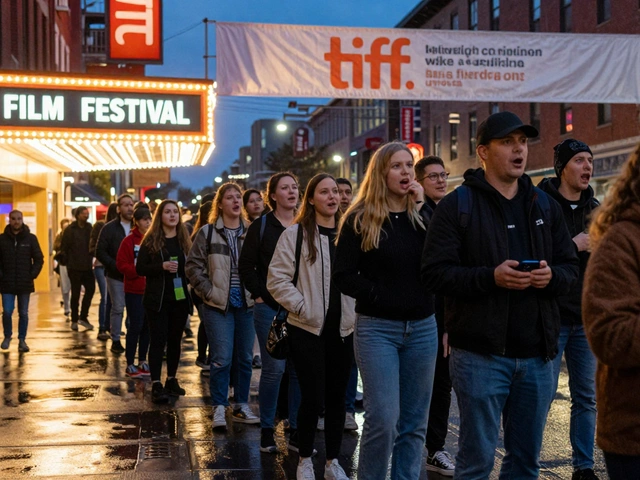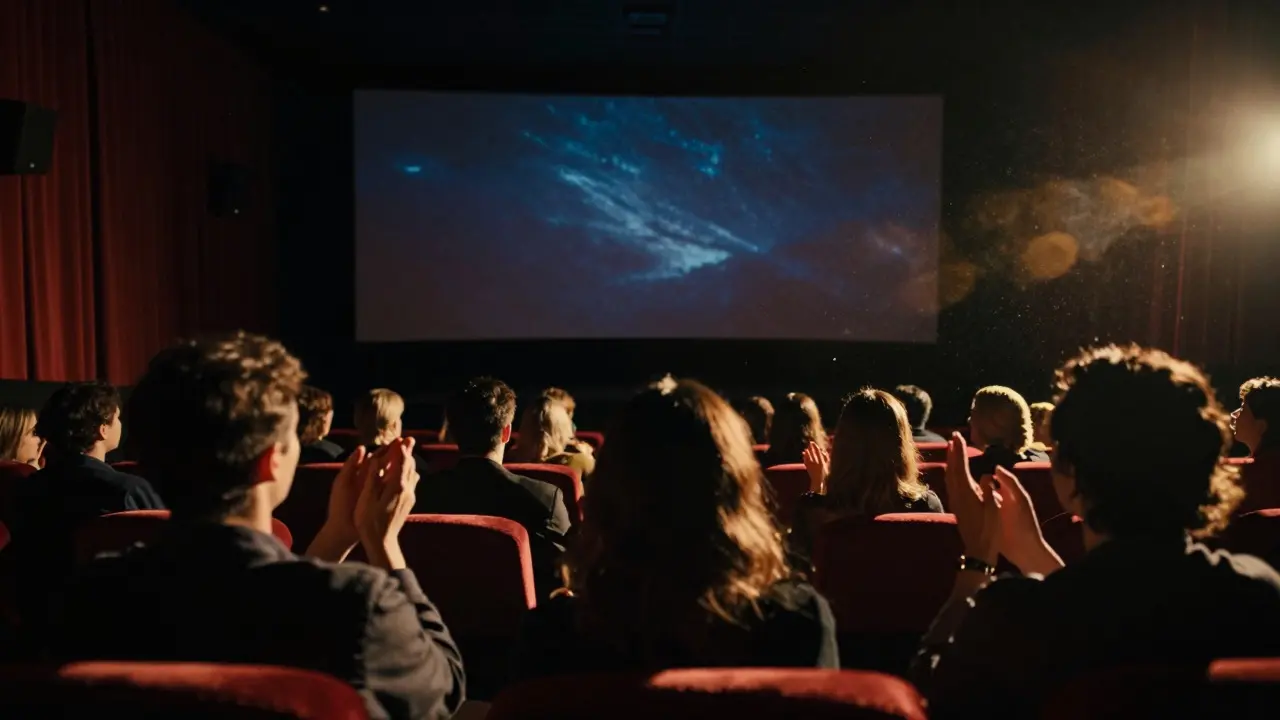
Imagine a small theater in Venice or a quiet screening room at Sundance. The lights dim, and a film with no big-name stars takes the stage. Suddenly, the audience is on its feet. This isn't just about good acting; it's about raw storytelling that cuts through the noise of blockbuster sequels. In 2026, independent cinema has made a powerful comeback, proving that you don't need a hundred-million-dollar budget to capture global attention.
The landscape of indie film has shifted significantly over the last few years. Streaming platforms used to be the primary buyers of festival winners, but now, traditional studios are rushing to secure distribution rights before these films hit the digital market. For filmmakers, winning a major award is no longer just an artistic honor; it's a financial lifeline that can change the trajectory of their entire career. Let's look at the specific titles that have dominated the conversation this year and why they matter.
The Rise of Low-Budget High-Impact Cinema
One of the most striking trends in 2026 is the return of ultra-low-budget productions. Studios are tired of overspending on effects that audiences ignore. Instead, they are investing in scripts and directors who can make a camera feel like a character itself. A prime example is The Silent Room, a psychological thriller shot entirely in one location for under $500,000. It won the Jury Prize at the Berlin International Film Festival, signaling that intimacy beats spectacle when executed well.
This shift benefits not just the directors but the supporting cast. Actors who were previously typecast in minor roles are now leading these projects. The performance in The Silent Room by newcomer Elena Rostova became a viral moment within hours of the premiere. Her ability to convey fear without dialogue demonstrated a level of craft that big-budget action films often lack. This proves that technical constraints can actually fuel creativity rather than limit it.
Key Breakout Titles of the Year
While The Silent Room grabbed headlines for its minimalism, other films took different approaches to stand out. Here are three other titles that defined the 2026 festival circuit:
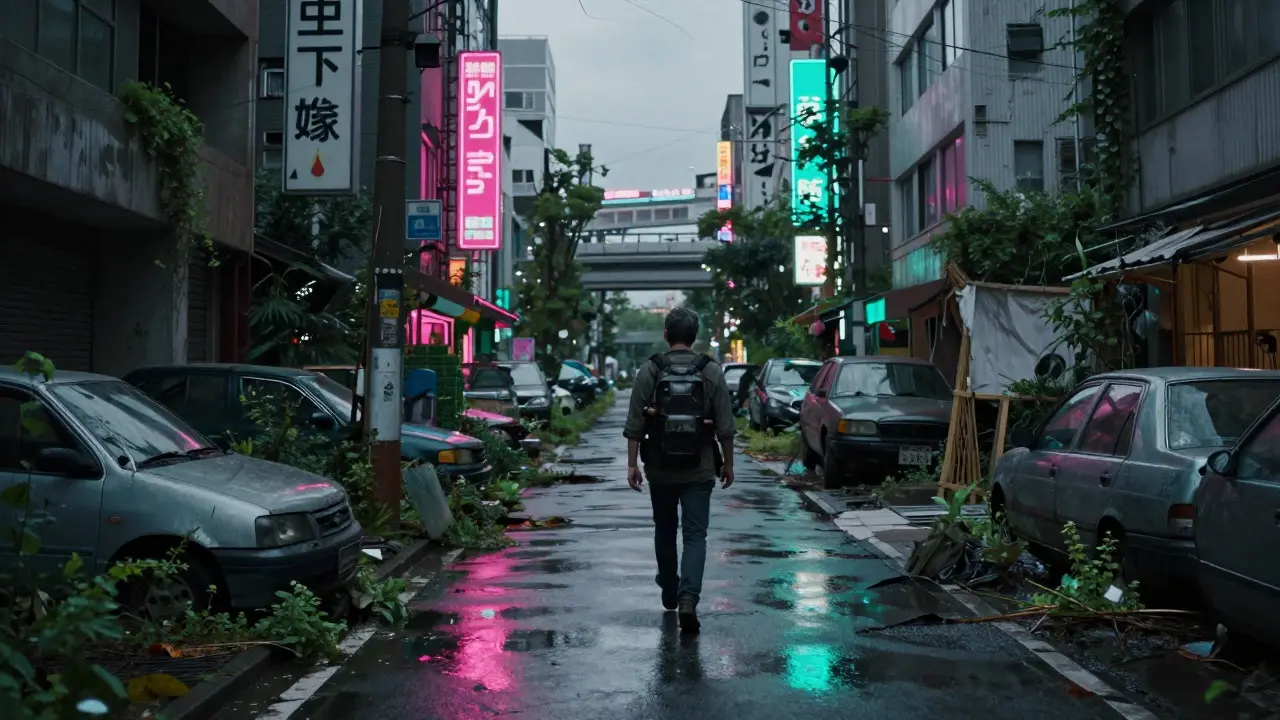
- Neon Dust: A sci-fi drama set in a post-climate-change Tokyo. It won Best Cinematography at Cannes. The film uses practical effects and natural lighting to create a gritty, realistic atmosphere, avoiding the polished look of typical science fiction.
- Letters to Nowhere: An ensemble comedy-drama about a group of strangers trapped in a hotel during a snowstorm. It took home the Audience Award at Sundance. Its success highlights the enduring power of character-driven humor and connection.
- Iron Harvest: A historical epic about the labor strikes of the early 20th century. Despite its scale, it was funded primarily through crowdfunding. It won the Grand Prix at Locarno, showing that audiences still crave historical narratives told with modern pacing.
These films share a common thread: they prioritize emotional truth over visual flash. Whether it's the claustrophobia of a single room or the vastness of a snowy landscape, the focus remains on how people react to their circumstances.
Why Festivals Matter More Than Ever
In the age of algorithms, festivals serve as a human filter. Algorithms recommend what you might like based on past behavior, but festivals introduce you to what you *should* see. For independent filmmakers, getting into a prestigious festival like Venice, Cannes, or Sundance is the equivalent of a gold star on a report card. It validates the work and opens doors that marketing budgets alone cannot crack.
The economic impact is significant. Data from the Motion Picture Association suggests that films winning top prizes at major festivals see a 300% increase in domestic box office revenue compared to non-winning peers. This isn't just luck; it's the result of critical acclaim generating word-of-mouth buzz. When a respected critic writes a glowing review, readers trust that judgment more than they trust a trailer. This trust translates directly into ticket sales and streaming subscriptions.
The Role of Streaming Platforms in Indie Success
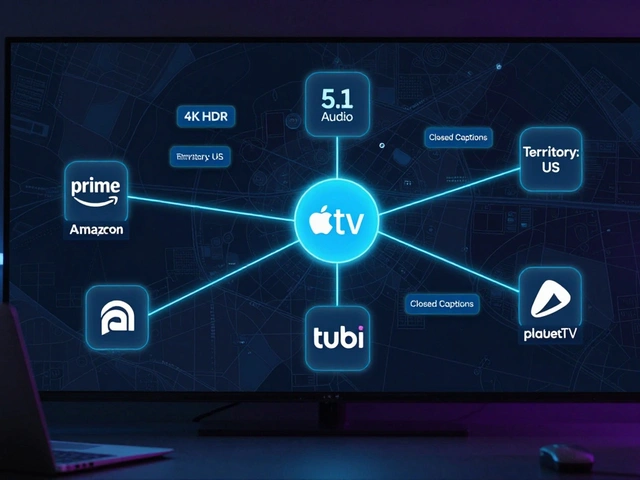
You can't talk about 2026 indie films without mentioning the giants of streaming. Netflix, Amazon Prime Video, and Apple TV+ have become the primary engines for distributing these festival winners. However, the dynamic has changed. In previous years, these platforms would buy a film and bury it in their library. Now, they treat festival winners as premium content, launching them with massive marketing campaigns.
For instance, Neon Dust was acquired by Amazon Prime Video shortly after its Cannes win. The platform released it alongside a documentary series about its making, creating a multi-layered viewing experience. This strategy keeps the film in the public eye long after the initial release. It also provides a steady income stream for the production team, ensuring that the profits from the film support future projects rather than disappearing into studio overheads.
This partnership between indie creators and tech giants creates a symbiotic relationship. Filmmakers get the reach they need, and platforms get exclusive, high-quality content that attracts subscribers looking for something different from standard television fare.
Comparing the Winners: Style and Substance
To understand the diversity of this year's winners, let's compare the core attributes of the top three films. Each represents a different facet of modern independent filmmaking.
| Film Title | Genre | Budget Estimate | Major Award Won | Distribution Model |
|---|---|---|---|---|
| The Silent Room | Psychological Thriller | $480,000 | Jury Prize (Berlin) | Theatrical + Streaming |
| Neon Dust | Sci-Fi Drama | $2.5 Million | Best Cinematography (Cannes) | Streaming Exclusive |
| Letters to Nowhere | Comedy-Drama | $1.2 Million | Audience Award (Sundance) | Theatrical Limited |
Notice the variation in budget and distribution. The Silent Room proves that low cost doesn't mean low quality. Neon Dust shows that even mid-budget indie films can achieve high production values if focused on specific departments like cinematography. Meanwhile, Letters to Nowhere demonstrates that a limited theatrical run can still build enough hype to sustain a successful streaming launch.

What This Means for Aspiring Filmmakers
If you are a filmmaker watching these results, the message is clear: tell your story. You don't need a famous director's name attached to your project to get noticed. You need a unique voice. The 2026 cycle rewarded authenticity. Audiences are hungry for stories that feel real, even if the subject matter is fantastical or historical.
Here are three actionable takeaways for those entering the industry:
- Focus on Script Quality: A great script can save a bad shoot, but a bad script rarely saves a great shoot. Spend time polishing your dialogue and structure before you pick up a camera.
- Embrace Constraints: Use your limited budget as a creative tool. If you can't afford a helicopter shot, find a way to make the ground-level perspective more compelling.
- Build a Community: Festivals are social events. Networking with other filmmakers, critics, and distributors is just as important as the film itself. Relationships built in the lobby often lead to opportunities later.
The barrier to entry for making a film has never been lower, but the barrier to getting seen has never been higher. Winning a festival award is the key that unlocks both doors. It signals to the industry that you have something worth hearing.
The Future of Independent Cinema
Looking ahead, the trend toward hybrid distribution models will likely continue. We may see more films that start in theaters for prestige and then move to streaming for accessibility. This model maximizes exposure while respecting the cultural significance of the cinematic experience. Additionally, we can expect to see more international co-productions. As borders open up again, filmmakers are collaborating across continents, bringing diverse perspectives to the screen.
Independent cinema is not a dying art form; it is evolving. It is becoming more sophisticated, more connected, and more resilient. The 2026 awards season proved that audiences are ready for risk. They want to see new faces, new voices, and new ways of telling stories. As long as filmmakers keep pushing boundaries, independent cinema will remain the heartbeat of the film industry.
What is the average budget for a breakout independent film in 2026?
The average budget for a notable indie film winning major awards in 2026 ranges between $500,000 and $3 million. However, extreme outliers exist, such as The Silent Room at under $500,000, which proves that budget is not the sole determinant of success.
Do festival awards guarantee box office success?
Not guaranteed, but highly probable. Industry data indicates a 300% revenue boost for award-winning indies compared to non-winners. The critical acclaim generates word-of-mouth buzz that drives attendance and streaming subscriptions.
Which streaming platforms are currently buying the most indie films?
Amazon Prime Video and Apple TV+ have been the most active buyers in 2026, treating festival winners as premium exclusive content. Netflix continues to purchase broadly but focuses heavily on horror and thriller genres for its library.
How can new filmmakers get their work into major festivals?
Filmmakers should submit their completed works through official festival submission portals, usually opening 6-9 months before the event. Building relationships with smaller regional festivals first can help build a track record that larger festivals notice.
Is it better to aim for a theatrical release or streaming first?
A limited theatrical release is generally recommended for building prestige and qualifying for awards. This is followed by a streaming release to maximize revenue. Starting with streaming only can sometimes limit eligibility for certain major accolades.