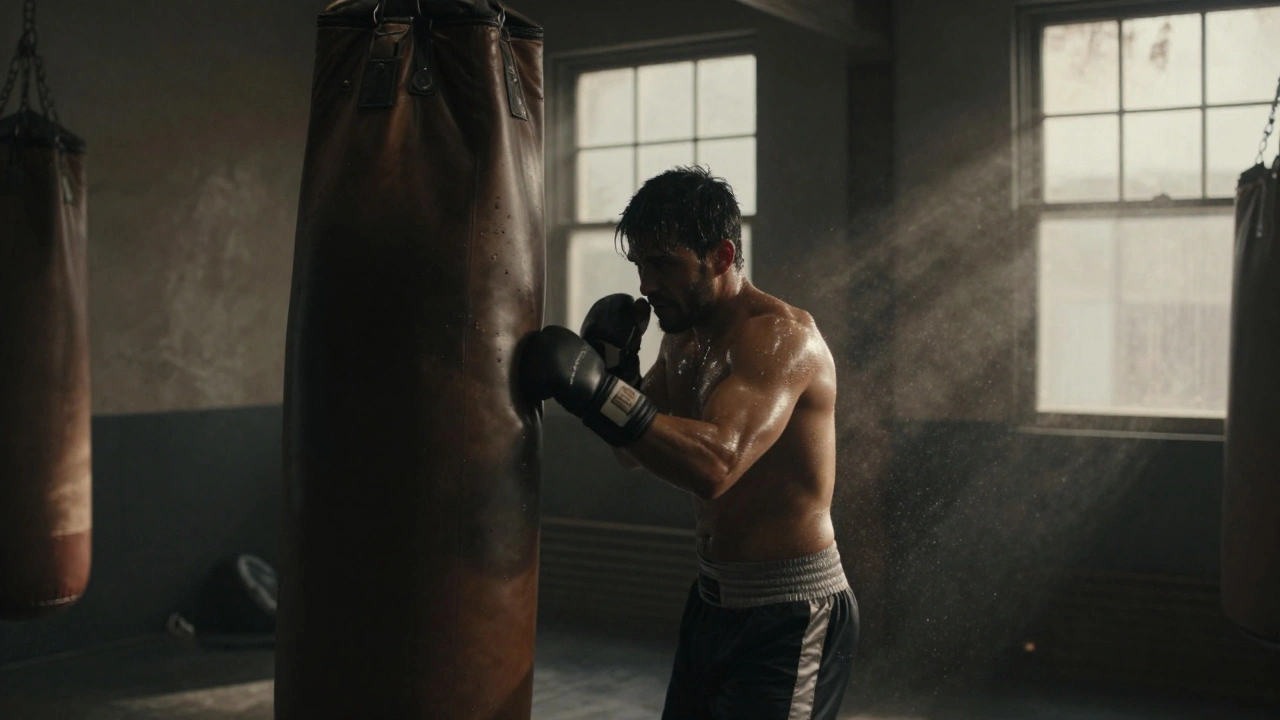
The Magic of the Underdog Story
There's a reason the "underdog" is the most reliable trope in the Sports Film is a cinematic genre focusing on athletic competition, training, and the personal growth of athletes. genre. We don't want to see the champion breeze through another season; we want to see the person who was told they weren't fast enough, strong enough, or skilled enough prove the world wrong. This emotional arc is what transforms a simple game into a story about human dignity.
Take a look at a classic like Rocky is a 1976 boxing drama following the journey of an underdog fighter from Philadelphia.. It isn't really a movie about winning a heavyweight title-it's about the internal victory of "going the distance." When Rocky Balboa stands his ground against Apollo Creed, the victory isn't the trophy; it's the fact that he didn't collapse. That's the core of the genre: the transformation of the self through physical and mental struggle.
This formula works because it mirrors our own lives. Most of us aren't Olympic gold medalists, but we've all felt like the smallest person in the room. When we see a character climb out of a hole, it gives us a blueprint for our own resilience.
When Reality Hits the Screen: Biopics and True Stories
While fictional stories are great, there's something about a true story that hits harder. Biopics in sports cinema often bridge the gap between entertainment and history, showing us that the legends we read about in textbooks were once terrified, uncertain humans.
Consider Moneyball is a biographical drama about the use of sabermetrics to assemble a competitive baseball team on a budget.. This film shifted the focus from the field to the front office. It introduced the world to Sabermetrics is the empirical and quantitative analysis of baseball., proving that intelligence and data could disrupt a century of "gut-feeling" tradition. It's an inspiring story not because of a home run, but because of a paradigm shift in how we value talent.
Then you have films like Ruda or Million Dollar Baby (though fictional, it mirrors real-life boxing struggles), which dive into the darker side of ambition. These movies remind us that the pursuit of greatness often comes with a heavy price tag, making the triumph feel earned rather than handed over.
| Style | Primary Goal | Typical Example | Emotional Trigger |
|---|---|---|---|
| The Underdog | Triumph over odds | Rocky | Hope / Perseverance |
| The Biopic | Historical Accuracy | Moneyball | Awe / Respect |
| The Satire | Social Commentary | Dodgeball | Humor / Absurdity |
| The Tragedy | Emotional Weight | Foxcatcher | Grief / Empathy |
The Psychology of the Training Montage
You can't talk about sports films without mentioning the training montage. It's the most efficient storytelling tool in cinema. Why spend three months of screen time showing a character eating broccoli and running laps? Instead, we get a three-minute blast of high-energy music and fast cuts. This isn't just about saving time; it's about visualizing progress.
The montage symbolizes the transition from weakness to strength. When we see the character finally lift the heavy weight or sprint past their rival, the brain releases a burst of dopamine. It’s a psychological trick that makes the audience feel like they are improving along with the character. Whether it's the raw egg drinking in Rocky or the intense drills in Remember the Titans, the montage is the heartbeat of the sports movie.
But the best montages are the ones that show the struggle, not just the success. The moments where the character falls, gets muddy, or cries are what make the eventual victory feel authentic. Without the pain, the win is just a plot point; with the pain, it's a catharsis.

Beyond the Game: Lessons in Leadership and Teamwork
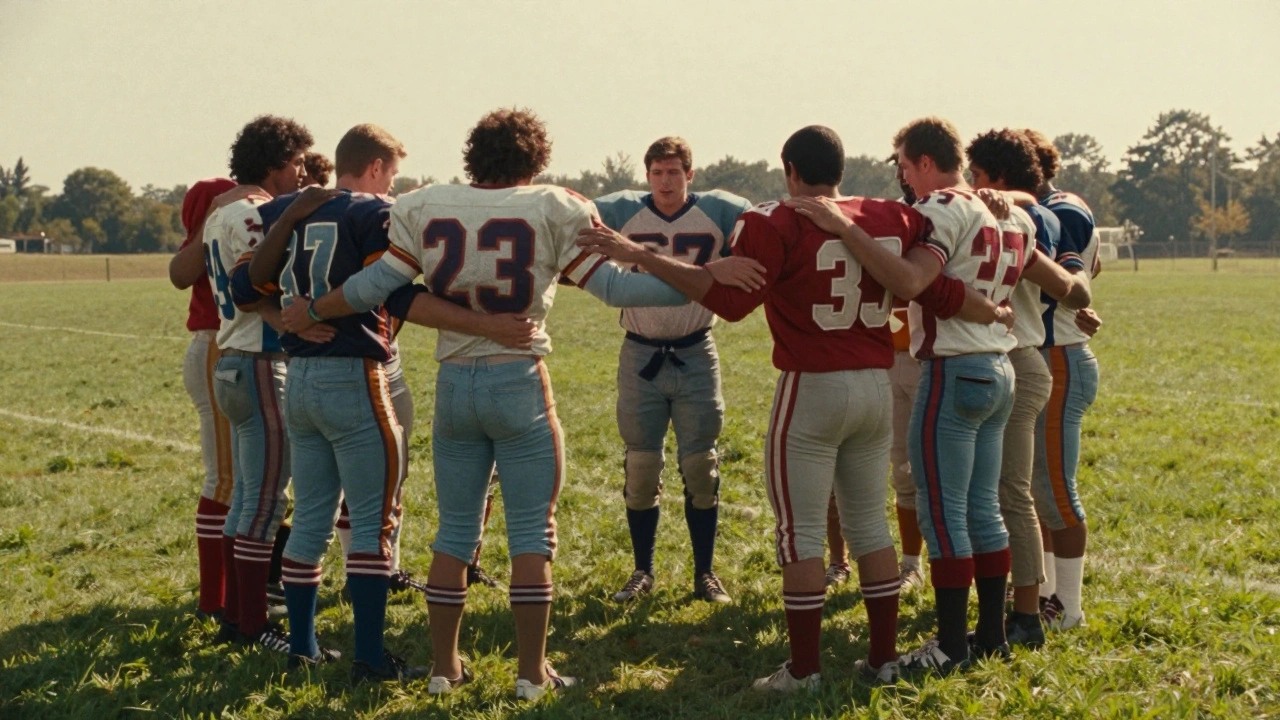
At their best, these films aren't about the sport at all. They're about sociology. They explore how a group of disparate, often clashing personalities can find common ground through a shared goal. This is where the "team movie" excels.
Think about how Remember the Titans deals with racial integration in 1970s Virginia. The football field becomes a laboratory for social change. The sport is simply the vehicle; the actual story is about empathy and breaking down prejudices. When the players start to respect each other, the wins on the field become a secondary reward.
Similarly, the dynamic between a coach and an athlete often serves as a surrogate for the parent-child relationship. The coach is the mentor who sees potential where the athlete only sees failure. This dynamic pushes the character to transcend their self-imposed limits, teaching the audience that a little bit of belief from someone else can change the trajectory of a life.
The Role of Failure and the 'Bitter' Ending
Not every sports movie ends with a trophy, and that's actually a good thing. Some of the most impactful films in the genre embrace the tragedy of losing. In the real world, the underdog doesn't always win, and acknowledging that adds a layer of maturity to the storytelling.
Films that focus on the "near miss" or the devastating loss often provide deeper insights into the human condition. They ask the question: Who are you when you lose everything you worked for? When a character finds peace despite the defeat, it defines a different kind of strength-emotional resilience. This subversion of expectations keeps the genre from becoming a collection of clichés.
The tension in these films comes from the stakes. In a courtroom drama, the stake is a verdict. In a sports movie, the stake is often the character's entire identity. If they are "just a boxer" and they lose, who are they? Watching them navigate that identity crisis is where the real drama lies.
How to Choose Your Next Sports Watch
If you're looking for a movie tonight, first decide what you need emotionally. Do you need a shot of adrenaline and pure optimism? Go for the classic underdog stories. Are you in the mood for something that makes you think about the system and the world? A data-driven biopic like Moneyball is your best bet. If you just want to laugh at the absurdity of athletic competition, look for sports satires.
Keep an eye out for films from international cinema as well. Sports are a global language, and seeing how different cultures handle the pressure of competition can provide a fresh perspective. Whether it's a soccer drama from England or a wrestling story from India, the themes of ambition and sacrifice remain the same.
Why are sports movies so popular even for people who don't like sports?
Because sports movies are rarely about the actual sport. They are about universal themes like perseverance, overcoming adversity, and the search for identity. The game is just a high-stakes environment that forces characters to show their true colors.
What is the most common trope in sports films?
The 'Underdog' trope is the most common. This involves a protagonist who is underestimated by everyone-their peers, their coach, and often themselves-who eventually succeeds through sheer will and hard work.
Do sports biopics always follow the real events exactly?
Rarely. Most biopics use "creative license" to condense timelines or heighten drama for the sake of a better narrative flow. While the core achievements are usually accurate, the interpersonal conflicts are often amplified for cinematic effect.
What makes a training montage effective?
An effective montage combines a rhythmic musical score with a progression of difficulty. It starts with the character failing and gradually shows them mastering the skill, giving the audience a sense of accelerated growth and satisfaction.
Which sports movie is best for learning about leadership?
'Remember the Titans' is an excellent example of leadership, as it shows how a leader can bridge deep cultural and social divides by focusing the group on a shared objective and enforcing mutual respect.
What to do next
If you've enjoyed these themes, try exploring documentaries on the same athletes. Often, the real-life footage of a victory is more shocking than any scripted movie scene. If you're a filmmaker or writer, try writing a scene where the protagonist loses the big game-see if you can make the audience root for them even in defeat. That's where the real storytelling magic happens.







Comments(10)