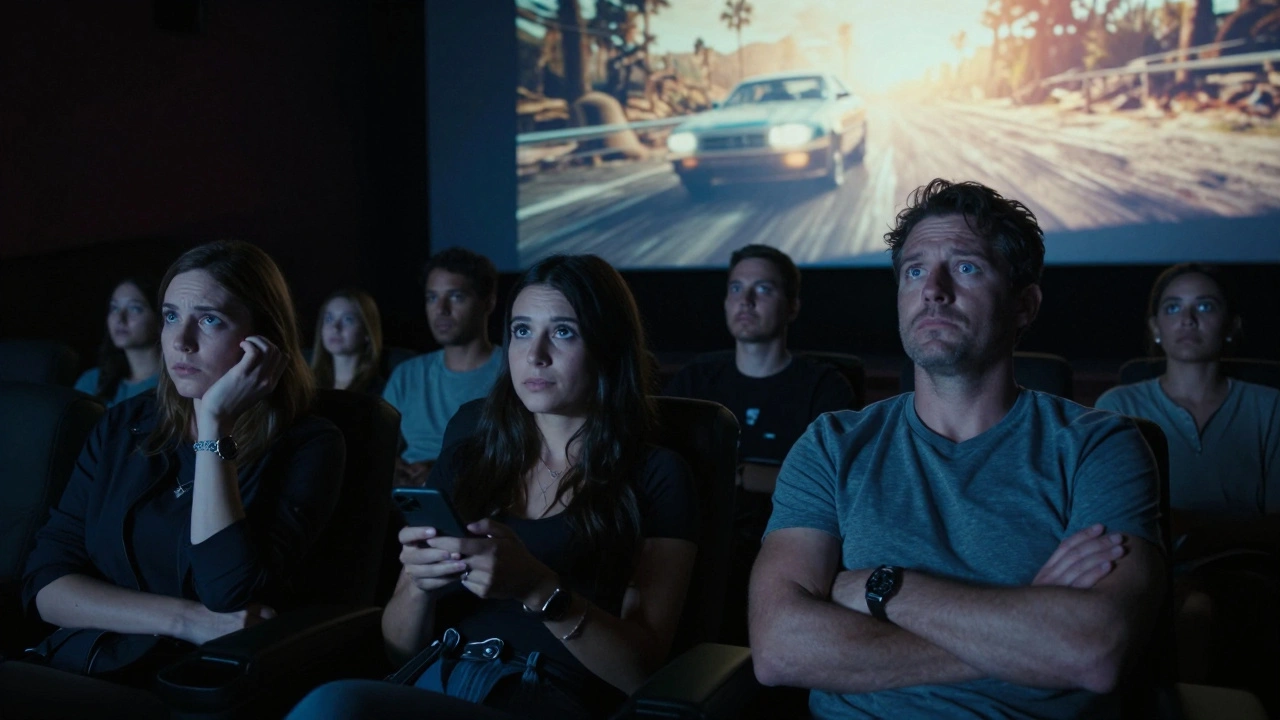
Ever watched a sequel and felt lost right from the first scene? You’re not alone. Movies like Audience Onboarding have become a silent crisis in big franchises. Studios assume you’ve seen the last three films, but millions of viewers jump in late-whether they binged the series on streaming, caught a rerun, or just missed the hype. The result? Confusion, frustration, and people walking out halfway through.
Franchises don’t need to re-explain everything. But they do need to welcome newcomers without treating them like outsiders. Good audience onboarding doesn’t dump backstory. It weaves it in so naturally, you don’t even realize you’re learning.
Why New Viewers Matter More Than Ever
In 2025, over 62% of moviegoers for major franchises had not seen the previous film, according to a survey by the Motion Picture Association. That’s up from 38% in 2019. Why? Streaming changed everything. People don’t watch in order anymore. They find a character they like-a rogue agent, a sarcastic robot, a brooding detective-and binge from there.
Franchises that ignore this trend lose money. Not just at the box office, but in merch sales, streaming subscriptions, and long-term loyalty. A confused viewer doesn’t come back for the next one. They leave a one-star review. And that hurts.
Look at Mad Max: Fury Road. It was the fifth film in a 40-year franchise. Most people had never seen the first three. But you didn’t need to. The opening 10 minutes showed you everything: the wasteland, the warlord, the fuel shortage, the rebel girl. No flashbacks. No monologues. Just action with clear stakes. That’s onboarding done right.
What Audience Onboarding Isn’t
It’s not a 10-minute recap at the start. No one watches that. People skip it. They scroll. They check their phones.
It’s not a character saying, “Remember when we fought the alien queen in 2018?” That’s lazy. It assumes you know. And if you don’t? You feel dumb.
It’s not throwing in a title card that says “Three years later…” and expecting you to guess what changed. You need context, not just time stamps.
Real onboarding doesn’t shout. It whispers. It shows. It lets you piece things together through behavior, environment, and dialogue that feels real.
How to Welcome New Viewers Without Breaking the Story
There are five proven techniques franchises use to bring new viewers in without annoying the old ones.
- Start with a character’s normal day - Show what life looks like before everything explodes. In Spider-Man: No Way Home, Peter Parker’s life is already messy before the spell goes wrong. You see him juggling school, a job, and a crush. You don’t need to know the last three movies to feel for him.
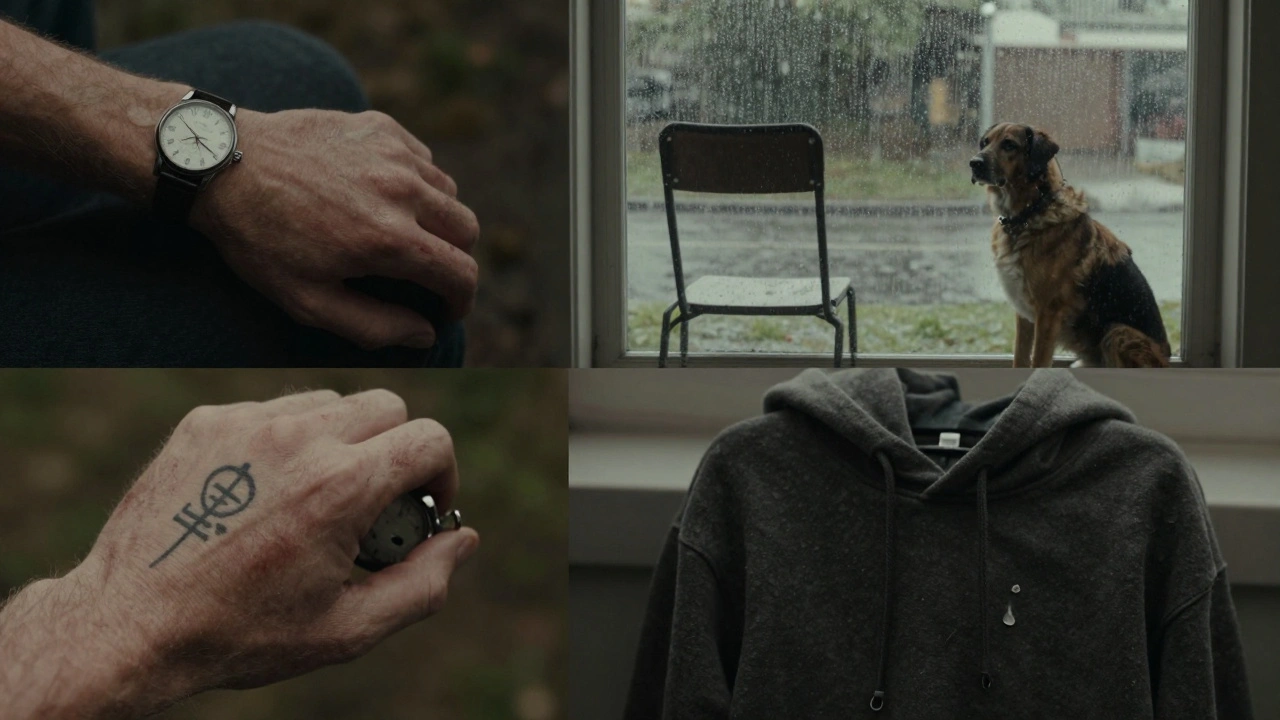
- Use visual shorthand - A scar, a broken watch, a faded tattoo, a dog that only responds to one name. These aren’t random details. They’re emotional breadcrumbs. In John Wick: Chapter 4, the dog isn’t just a pet. It’s a symbol of his grief. You don’t need to know he lost his wife-you just feel the weight.
- Let side characters explain naturally - Not in a lecture. In a fight. In a coffee shop. In Black Panther: Wakanda Forever, Shuri’s grief isn’t explained with flashbacks. It’s in how she snaps at people, how she avoids the throne, how she stares at her brother’s old hoodie. Her friend asks, “Why won’t you talk about him?” That’s all it takes.
- Anchor new info to action - Don’t tell us the villain’s plan. Show it. In Mission: Impossible - Dead Reckoning Part One, the AI threat isn’t explained with a PowerPoint. It’s shown when a satellite glitches, a bank transfer fails, and a pilot loses control mid-flight. You understand the danger because you see it break the world.
- Give new viewers a reason to care - The stakes must feel immediate. In The Batman, you don’t need to know about Batman’s past to feel the city rotting around you. The Joker isn’t in this one. You don’t need him. The fear is real, and it’s personal.
What Happens When It Goes Wrong
Bad onboarding doesn’t just confuse people. It makes them feel like intruders.
Take Star Wars: The Force Awakens. For new viewers, it was a love letter. For fans, it was a remix. But Star Wars: The Last Jedi? It assumed you knew who Luke was, why he disappeared, and what the Resistance even was. Millions of casual viewers tuned out. The opening crawl didn’t help. It was too long. Too dense. Too much jargon.
Compare that to Guardians of the Galaxy. You didn’t need to know who Peter Quill was. You saw him steal a rock, get chased by aliens, and then say, “I’m not a hero.” That’s all you needed. The rest? It came through humor, music, and chaos.
Another failure? Fast & Furious 7. The film opens with a car chase, but you have no idea why Dom’s family is in danger. No one explains why Letty’s back. No one says, “She was dead, but now she’s not.” You’re left guessing. That’s not mystery. That’s neglect.
Franchises That Got It Right
Some studios treat new viewers as guests, not afterthoughts.
Shang-Chi and the Legend of the Ten Rings - You don’t know who the Ten Rings are. You don’t know who Shang-Chi’s dad is. But you see him working as a valet, avoiding his past, and then being dragged into a fight he didn’t ask for. You learn his history through his fear, not a flashback.
Avatar: The Way of Water - You don’t need to remember the Na’vi language or the details of the first movie. You see Jake living as a father, struggling to protect his kids, and trying to fit into a world that’s changing. The ocean isn’t just a setting. It’s a character. And you feel its danger before you know its name.
Succession - Yes, it’s TV, but the same rules apply. New viewers don’t get a recap. They get Logan Roy yelling at his kids. They see a family that’s broken. They see power struggles. They see money. You don’t need to know who’s in charge-you just know something’s about to explode.
Why This Isn’t Just About Movies
Onboarding isn’t just a film problem. It’s a culture problem.
Video games do it well. Horizon Forbidden West lets you explore ruins and find logs that explain the past. You choose when to learn. Books do it too. Project Hail Mary by Andy Weir starts with a man waking up with no memory. You learn with him. That’s immersive storytelling.
Franchises that treat audience onboarding like a chore are falling behind. The audience isn’t lazy. They’re busy. They’re watching on phones, tablets, TVs. They’re multitasking. They need to be pulled in fast-and kept there.
What You Can Do as a Viewer
If you’re new to a franchise, don’t feel bad. You’re not behind. You’re exactly where you’re supposed to be.
Watch the first five minutes of the film. If it doesn’t make sense, pause it. Google the main character’s name. Watch a 90-second YouTube explainer. You’re not cheating. You’re leveling up.
And if you’re a fan? Don’t roll your eyes when someone asks, “Who’s this guy?” Be the person who says, “Here’s what you need to know,” not, “You should’ve watched the others.”
Franchises are built to last. But they only last if new people keep joining.
Final Thought: The Best Onboarding Feels Like Magic
The best onboarding doesn’t feel like onboarding at all. It feels like walking into a room where everyone’s laughing, and you instantly get why. You don’t need to be told the joke. You just feel it.
That’s the goal. Not to explain everything. Not to hold your hand. But to make you feel like you belong-even if you’ve never been here before.


Comments(9)