The Art of the Standalone Score
What makes a score work without the movie? It usually comes down to a strong melodic hook and a clear emotional progression. When you strip away the visuals, the music has to build its own world. For instance, a great soundtrack uses Leitmotif-a recurring musical phrase associated with a particular person or idea-to create a sense of familiarity and storytelling through sound alone. Think about the way a composer uses instrumentation. A heavy reliance on a Symphonic Orchestra creates a sense of scale, while a single, haunting cello can make you feel the isolation of a character. When these elements are balanced, the album stops being a "movie tie-in" and becomes a piece of art. You aren't just remembering a scene; you're feeling an atmosphere.Atmospheric Masterpieces for Deep Listening
If you want music that completely changes the mood of your room, look toward the sci-fi and psychological thriller genres. These scores often rely on Ambient Music and electronic synthesis to create tension. Take the work of Hans Zimmer. His approach to the original soundtracks of films like *Interstellar* isn't just about melody; it's about physical sound. The use of a massive pipe organ in that score represents the scale of the cosmos and the desperation of time. Listening to it on headphones without the movie allows you to notice the rhythmic ticking and the layers of synth that you might have missed while watching Matthew McConaughey cry in a spaceship. Then there's the minimal approach. Some of the best standalone albums are the ones that breathe. Scores that use silence as an instrument are often the most rewarding to listen to separately because they force you to engage with the music more actively. You start noticing the subtle shifts in harmony and the way a simple piano melody can evolve over ten minutes.| Style | Core Instrument | Emotional Goal | Best For... |
|---|---|---|---|
| Orchestral | String Section / Brass | Grandeur & Drama | Epic focus, Reading |
| Electronic | Synthesizers / Modular | Tension & Futurism | Working, Gaming |
| Minimalist | Piano / Solo Woodwinds | Intimacy & Melancholy | Reflection, Sleep |
The Power of the Period Piece Score
Music written for historical dramas often serves as a bridge between the modern listener and a bygone era. These soundtracks are particularly rewarding because they often incorporate Period Instruments-like the harpsichord or lutes-which add a texture you won't find in modern pop music. When a composer manages to blend these old-world sounds with modern recording techniques, you get a hybrid that feels timeless. For example, a score that mixes a full baroque ensemble with a subtle electronic bassline can feel both ancient and contemporary. This creates a sonic landscape that is interesting to explore as a listener, regardless of whether you've seen the film. These albums often function like a conceptual suite. Instead of random tracks, they follow a thematic logic. You can hear the "growth" of a theme from the first track to the last, mirroring a character's journey. If you're listening to a score for a Regency-era drama, you're not just hearing a collection of waltzes; you're hearing the social pressures and romantic tensions expressed through music.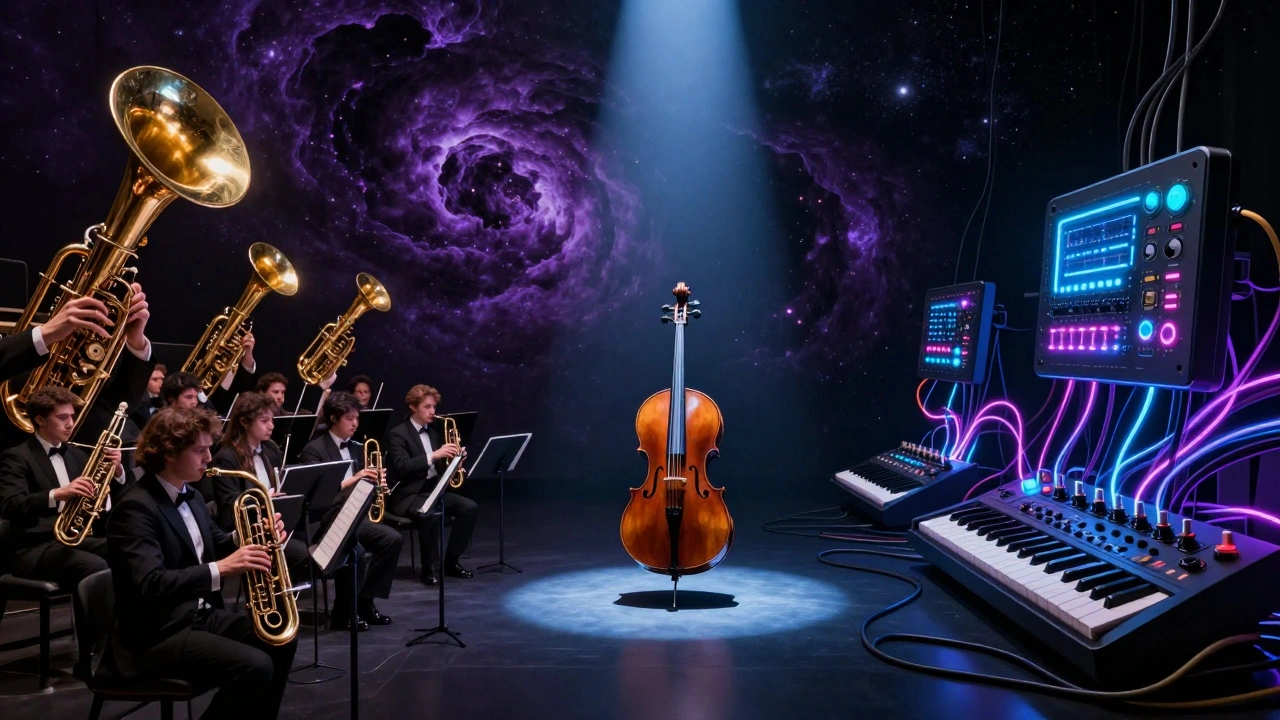
Genre-Bending and the Modern OST
In recent years, we've seen a shift toward soundtracks that embrace weirdness. Composers are no longer sticking to the "safe" orchestral sounds of the 90s. We're seeing the rise of Experimental Music in mainstream cinema, and these are the albums that truly shine when listened to separately. Imagine a score that mixes industrial noise, choral arrangements, and traditional folk instruments. On screen, it might just sound like "scary music," but on an album, it becomes an avant-garde exploration. These scores challenge the listener and push the boundaries of what we consider "melodic." One of the best examples is the trend of using Synthesizer music to evoke nostalgia. The "synthwave" sound, popularized by composers like Daft Punk in *Tron: Legacy*, turned a movie score into a dance album. It proved that a soundtrack could be a commercial hit in its own right, independent of the film's box office performance.How to Experience a Soundtrack Properly
If you're new to listening to scores as albums, don't just shuffle the playlist. Soundtracks are designed to be heard in order. The sequence of tracks is a deliberate choice by the composer to build tension, provide relief, and resolve the musical themes. Try a "deep listen" session. Put on some high-quality headphones, turn off the lights, and let the music dictate the imagery. Because you aren't seeing the movie, your brain will start to fill in the gaps. You'll imagine your own scenes and characters, making the experience more personal. Also, look for the "Complete Score" versions rather than the "Highlights" albums. Highlight albums are basically Greatest Hits; they give you the hooks but skip the connective tissue. The complete scores provide the full narrative arc, including the atmospheric transitions and the quieter moments that give the big crescendos their power.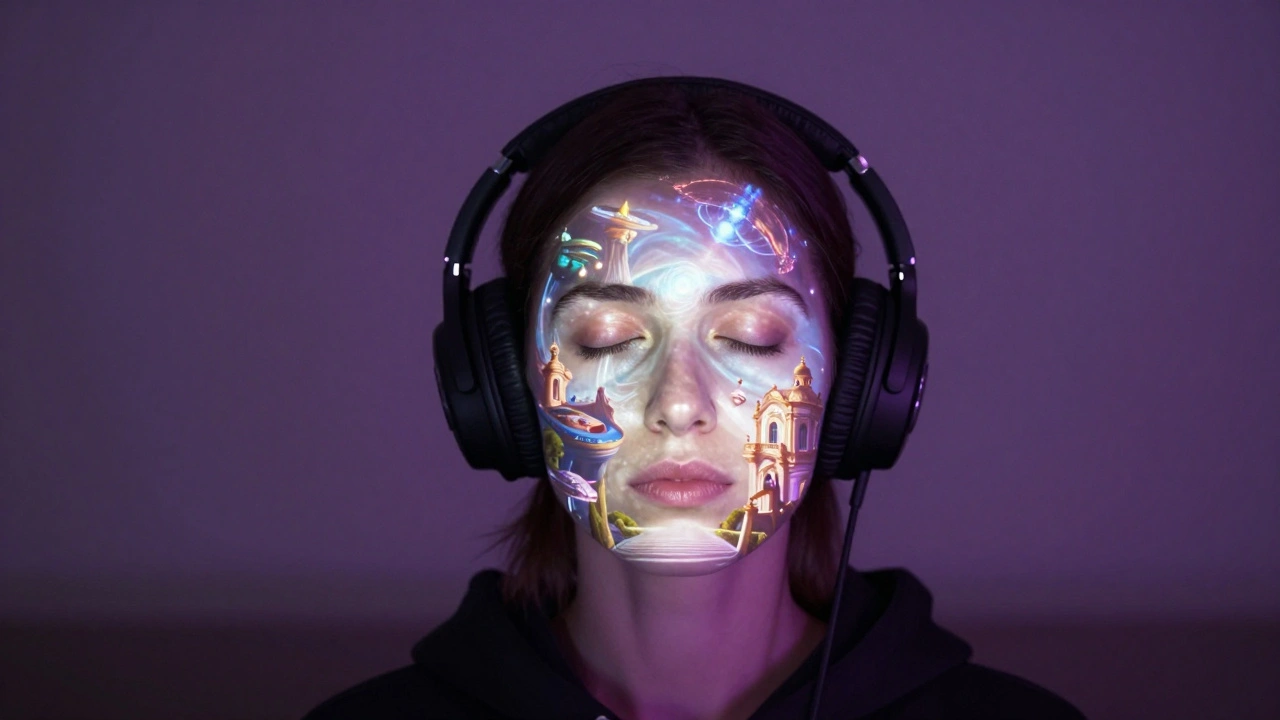
Common Pitfalls When Choosing a Score
Not every great movie has a great standalone soundtrack. Some of the best films use music purely as a tool for the image. If the music is too tied to the specific timing of a cut or a jump scare, it can sound disjointed or repetitive when played back as a song. Avoid soundtracks that are purely «incidental.» Incidental music is designed to fill silence or signal a change in scene without having a strong melody of its own. While it works perfectly in the movie, it often sounds like elevator music when you're listening to it in your car. Look for composers who write «themes» rather than just «textures.» Another trap is the "Song Compilation" album. There's a big difference between a score and a soundtrack album featuring licensed pop songs. While a curated list of songs from a movie can be a great playlist, it lacks the cohesion of a dedicated score. If you're looking for a musical journey, stick to the original compositions.What is the difference between a film score and a soundtrack?
A film score is the original music composed specifically for the movie, usually instrumental and designed to support the emotion of the scenes. A soundtrack is a broader term that includes the score but also any licensed songs, pop tracks, or existing music used throughout the film.
Why do some soundtracks sound weird when listened to separately?
Some scores are composed as "fragments" intended to hit specific visual cues. Without the images to bridge those gaps, the music can feel abrupt or lack a satisfying resolution. These are called functional scores, whereas standalone-worthy scores have stronger melodic independence.
Who are the best composers for standalone listening?
Depending on your taste, Hans Zimmer is great for epic scale, Joe Hisaishi for beautiful melodies and nostalgia, and Ennio Morricone for a masterclass in thematic storytelling and unique instrumentation.
Where can I find full scores instead of just the highlights?
Look for labels like La La Land Records or Varèse Sarabande, which specialize in releasing expanded and complete editions of film scores that go beyond the standard commercial release.
Do I need to watch the movie first to enjoy the music?
Not at all. In fact, listening first can be a better experience because you aren't biased by the images. You can experience the music as a pure piece of art and let your own imagination create the visuals.


Comments(9)