Getting your short or feature into a major festival feels like hitting a lottery jackpot. But for emerging filmmakers, the real value isn't just the trophy; it's the distribution deal, the press coverage, and the industry connections that happen in the hallways. If you are new to the circuit, the sheer number of options can be paralyzing. You don't need to submit to every single event on the calendar. You need a targeted list of high-impact venues where your work will actually get seen by decision-makers.
This guide breaks down the most effective independent film festivals for 2026. We are looking at places with proven track records for launching careers, offering fair selection processes, and providing tangible next steps for your project. Whether you have a polished narrative feature or a gritty documentary, there is a specific lane for you.
Key Takeaways
- Sundance Film Festival remains the gold standard for narrative features but has become extremely competitive; use it for prestige, not just exposure.
- SXSW offers the best balance of audience engagement and industry networking, making it ideal for genre films and mid-budget narratives.
- Regional hubs like Tribeca and Telluride provide curated selections that often signal critical acclaim before wider release.
- Short film circuits like Slamdance and Hot Docs are crucial entry points for building a portfolio without the massive budget required for features.
- Submission fees vary widely; always calculate the total cost of entry versus the potential return on investment (ROI) from a single screening.
The Big Three: Where Careers Are Made
When people talk about breaking into the industry, three names dominate the conversation. These are the "Big Three" US festivals, and each serves a different purpose for an emerging director.
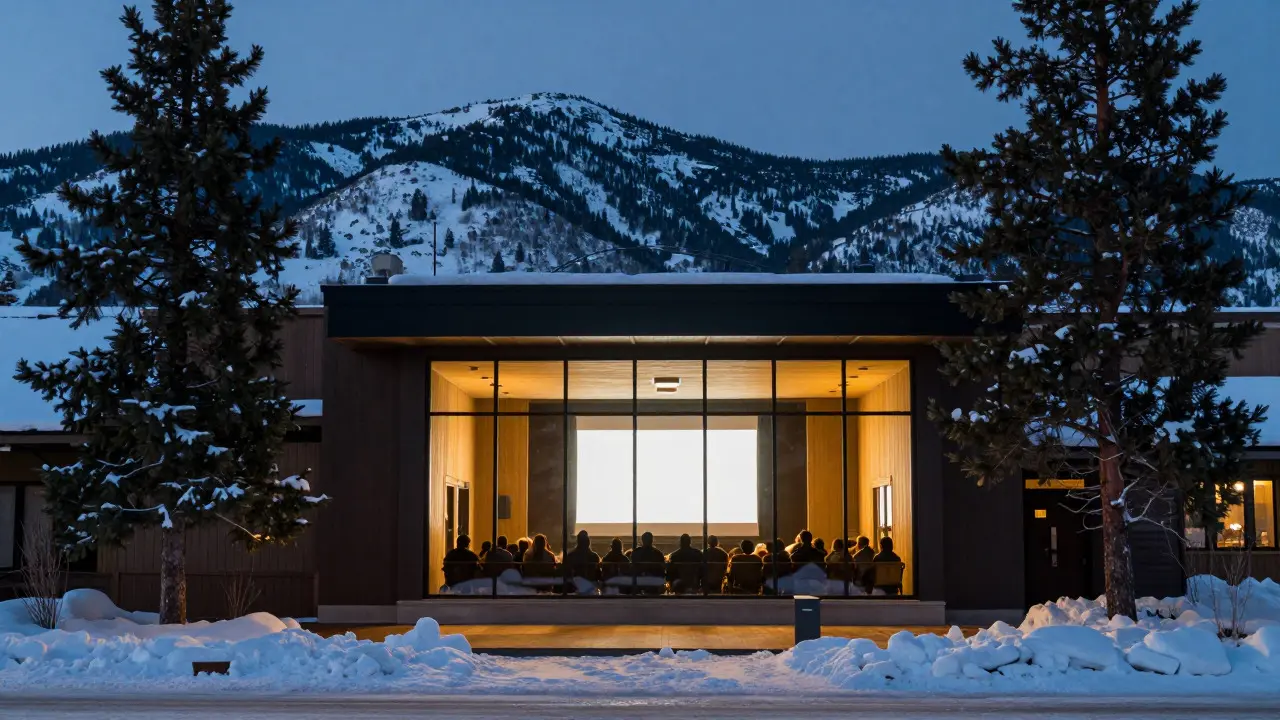
Sundance Film Festival is an annual film festival held in Park City, Utah, focused on American independent cinema. It is historically the place where directors like Quentin Tarantino and Wes Anderson first gained national attention. For 2026, Sundance continues to prioritize bold storytelling and unique voices. However, the barrier to entry is high. The competition ratio often exceeds 100:1. If you submit here, expect to pay premium screening fees and be prepared for a very selective committee. It is less about getting a deal immediately and more about establishing credibility with major distributors who watch the festival exclusively.
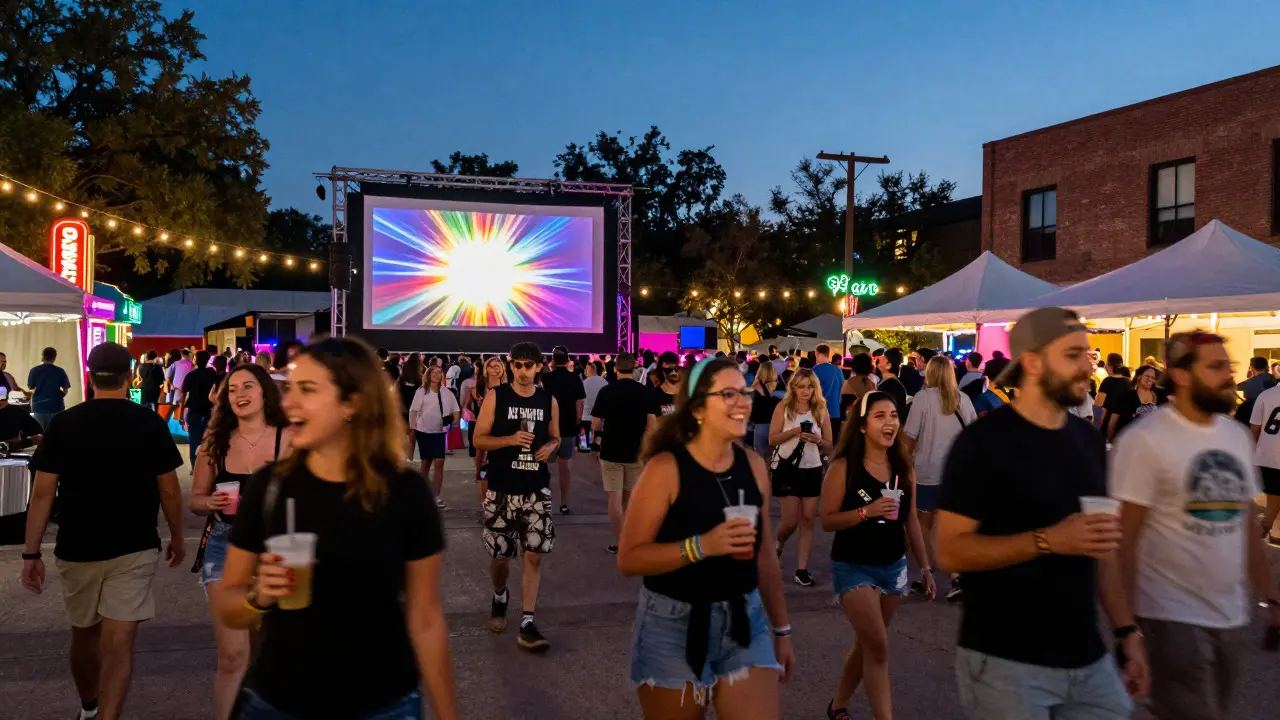
SXSW (South by Southwest) is a multidisciplinary festival held in Austin, Texas, combining film, music, and interactive media. Unlike Sundance’s quiet, snow-covered isolation, SXSW is loud, crowded, and energetic. This environment makes it perfect for genre films-horror, sci-fi, comedy-that thrive on audience reaction. Because the festival overlaps with the tech and creative industries, you have access to a wider pool of potential collaborators beyond traditional film executives. For emerging filmmakers, SXSW offers a lower cost of entry than Sundance while still providing significant media visibility.
Tribeca Film Festival is a New York-based festival known for its focus on documentaries and social impact films. Located in the heart of Manhattan, Tribeca puts your film directly in front of the industry’s power players. The proximity to production companies and agencies means that if your film resonates, the path to a meeting is shorter. It is particularly strong for non-fiction work and socially conscious narratives. If your film deals with current events or cultural commentary, Tribeca is often a better strategic fit than the more artistic-focused Sundance.
Strategic Mid-Tier Festivals
You don’t always need to aim for the top tier. Sometimes, a mid-tier festival provides a better ROI because the selection committee is smaller, the audience is more engaged, and the competition is slightly less saturated.
| Festival Name | Location | Primary Focus | Typical Submission Window | Ideal For |
|---|---|---|---|---|
| Sundance | Park City, UT | Narrative & Documentary Features | October - January | Prestige, High-Art Cinema |
| SXSW | Austin, TX | Genre, Comedy, Tech-Crossover | November - February | Audience Engagement, Networking |
| Tribeca | New York, NY | Documentary, Social Impact | January - March | Industry Access, NYC Market |
| Slamdance | Salt Lake City, UT | Emerging Voices, Shorts | October - December | Low Budget, Short Films |
| Hot Docs | Toronto, Canada | Documentary | September - November | International Doc Exposure |
Slamdance is an alternative film festival held in Salt Lake City, Utah, created as a counter-programming event to Sundance. It was founded by Robert Redford’s former assistant, David Hinojosa, and maintains a grassroots spirit. Slamdance is arguably the best place for short films and micro-budget features. The atmosphere is collaborative rather than competitive. Many filmmakers use Slamdance as their debut platform before moving up to larger festivals. The submission fees are significantly lower, making it a safer financial bet for first-time directors.
Hot Docs is the world’s largest documentary film festival, held annually in Toronto, Canada. While it attracts major international titles, it also has robust sections for emerging talent. If you are a documentary filmmaker, Hot Docs is non-negotiable. The festival’s market component connects producers with broadcasters and streaming platforms across North America and Europe. It is a hub for factual storytelling, and being selected here validates your work to a global audience.
Why Regional Festivals Matter More Than You Think
There is a misconception that only national or international festivals count. In reality, regional festivals often provide the strongest local support systems. When you screen in a city like Asheville, Atlanta, or Los Angeles, you can mobilize your personal network. Friends, family, and local critics attend these screenings. This creates immediate word-of-mouth buzz that travels back to the bigger markets.
Furthermore, regional festivals often have higher attendance rates per seat because the community feels a sense of ownership over the event. A sold-out theater in a mid-sized city looks impressive on a resume. It proves your film has local resonance, which is a key metric for distributors looking for grassroots marketing potential. Don’t overlook events like the Atlanta Film Festival or the Seattle International Film Festival. They are gateways to the broader industry without the astronomical costs of West Coast or East Coast premieres.
Crafting Your Submission Strategy
Submitting to festivals is not just about uploading a file. It is a calculated business move. Here is how to approach your 2026 submission cycle effectively.
- Define Your Target Audience: Is your film a horror movie? Go to genre-specific festivals like Fantastic Fest or Shriekfest. Is it a political drama? Aim for Tribeca or Telluride. Match the tone of your film to the festival’s historical programming.
- Budget for Fees Wisely: Screening fees can range from $50 to $300 per title. Multiply this by the number of festivals you target. Keep a spreadsheet tracking all payments. Remember, you are paying for the *chance* to be screened, not the guarantee.
- Polish Your Materials: Your synopsis, poster, and trailer must be professional. Festivals receive thousands of submissions. A blurry poster or a vague logline gets your film rejected before a human even watches it. Invest in high-quality marketing assets.
- Diversify Your List: Don’t put all your eggs in one basket. Mix high-prestige festivals (Sundance) with mid-tier (SXSW) and regional events. This spreads your risk and increases the likelihood of at least one acceptance.
- Prepare for Rejection: Most films are rejected multiple times before finding a home. Treat rejection as data. If you are rejected from a genre fest, maybe the tone wasn’t right. Adjust your pitch for the next submission.
Timing is everything. Most major festivals open submissions in late summer or early fall. For a January premiere, you should be submitting by October. Missing the deadline is the most common mistake new filmmakers make. Set calendar reminders for each festival’s opening date six months in advance.

What Happens After Acceptance?
Getting accepted is only step one. The real work begins when you start preparing for the actual event. You need to handle logistics: subtitling, digital delivery specs, and marketing campaigns. Many festivals require you to create a dedicated webpage or social media campaign to drive ticket sales. This is where your pre-festival marketing strategy pays off.
Also, prepare for the "festival hop." If your film is selected for two or three festivals, you need to decide which ones to physically attend. Travel costs add up quickly. Prioritize the festivals where you have the strongest industry contacts or where the audience profile matches your film’s commercial potential. Sometimes, sending a representative to a smaller festival yields better results than flying yourself to a larger one where you might get lost in the crowd.
Frequently Asked Questions
Which festival is the easiest to get into for a first-time filmmaker?
Slamdance and regional festivals generally have lower barriers to entry. Slamdance specifically caters to emerging voices and has a supportive atmosphere for debut directors. Regional festivals also tend to have fewer submissions compared to national giants like Sundance, giving you a higher statistical chance of selection.
How much does it cost to submit to major indie film festivals?
Screening fees typically range from $75 to $300 per title for major festivals. If you submit to 10 festivals, expect to spend between $750 and $3,000 just on fees. Add travel and accommodation costs, and the total investment can easily exceed $5,000 for a single festival run.
Is it worth submitting to multiple festivals at once?
Yes, it is highly recommended. Diversifying your submissions reduces risk. Some festivals have exclusive windows, so check their rules carefully. However, having multiple applications out ensures that if one rejects your film, another might accept it, keeping your momentum going.
Do short films have a better chance than features?
Often, yes. Short films have a lower production cost and are easier for festivals to program. Many directors use shorts as a calling card to attract attention to their upcoming features. Festivals like Slamdance and Hot Docs have dedicated short film sections that are highly competitive but offer great visibility for low-budget projects.
When should I start my festival submission process?
Start planning six months before your desired premiere date. Major festivals usually open submissions in the fall for winter premieres. You need time to finalize your cut, create marketing materials, and pay fees. Rushing the process often leads to mistakes in metadata or technical specs that result in automatic rejection.