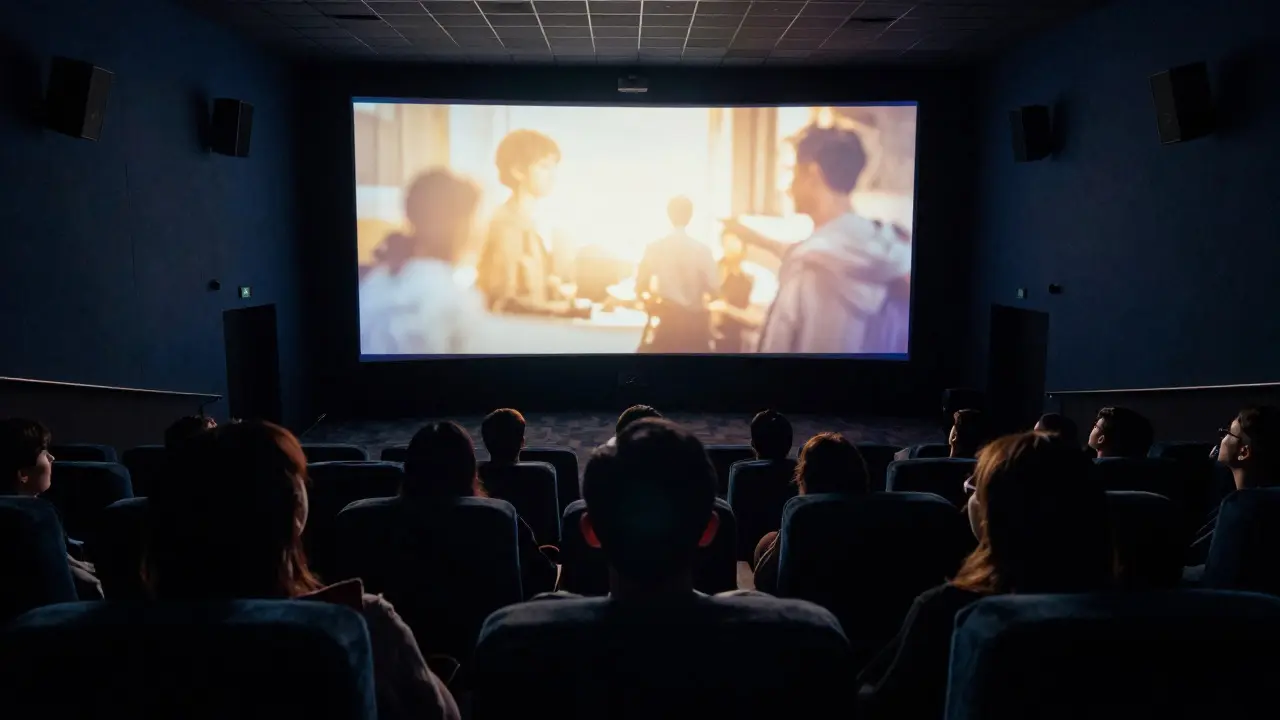
Standing in the back of a darkened theater while a stranger’s life unfolds on screen is a different experience than watching any other genre. Documentary filmmaking is a nonfiction cinematic form that uses real-world subjects, interviews, and observational footage to tell true stories. For filmmakers, finding the right festival isn't just about getting a screening; it's about securing distribution deals, grants, and critical acclaim that can sustain a career.
The landscape of documentary film festivals has shifted significantly in recent years. While major industry events still dominate headlines, specialized festivals have carved out niches that offer better ROI for niche subjects. Whether you are pitching a high-stakes political thriller or an intimate portrait of local artisans, knowing where your film fits is crucial for its success.
Key Takeaways
- Sundance and Tribeca remain the top-tier gateways for mainstream distribution and awards visibility.
- IDFA and CPH:DOX are essential for international co-productions and European market access.
- Niche festivals like Hot Docs and Sheffield Doc/Fest offer higher chances of jury wins for specific subject matters.
- Festival strategy should align with your target audience: industry professionals vs. general public.
- Budget constraints matter; some festivals charge entry fees, while others are free but highly competitive.
The Big Three: Industry Powerhouses
If you want your documentary seen by major studio executives and streaming platform heads, three festivals dominate the conversation. These are not just screenings; they are business hubs where deals worth millions are signed over coffee breaks.
Sundance Film Festival
Held annually in Park City, Utah, Sundance Film Festival is the premier independent film festival in North America, known for launching careers and discovering breakout hits. For documentaries, Sundance offers two distinct tracks: Narrative and Short. The competition is fierce, with acceptance rates often hovering below 5%.
Why it matters: A Sundance premiere can instantly elevate a film from "local project" to "national contender." Films like Minding the Gap and American Factory found their global audiences here. However, the cost of travel and accommodation during the week can be significant, so budget accordingly if you plan to attend physically.
Tribeca Film Festival
New York City hosts Tribeca Film Festival, which celebrates independent films, series, and immersive experiences with a strong focus on social impact. Tribeca is particularly strong for documentaries dealing with urban issues, climate change, and social justice. It also features a robust industry market called Tribeca Pro, which connects filmmakers with financiers and distributors.
Unlike Sundance, Tribeca often attracts a more diverse range of content, including hybrid formats that blend traditional documentary with interactive elements. If your film targets a New York-based media outlet or a streaming service with a strong US presence, this is your primary target.
San Francisco International Film Festival (SFIFF)
On the West Coast, SFIFF provides a vital alternative. It has a strong reputation for showcasing environmental and technology-focused documentaries. Given the proximity to Silicon Valley and Hollywood, it’s a strategic stop for films exploring tech ethics, AI, or sustainability.
| Festival | Location | Primary Focus | Industry Access | Entry Fee (Approx.) |
|---|---|---|---|---|
| Sundance | Park City, UT | Mainstream Independent | High (Major Studios) | $100-$150 |
| Tribeca | New York, NY | Social Impact/Urbane | High (Streamers/Media) | $75-$125 |
| SFIFF | San Francisco, CA | Tech/Environment | Medium-High | $80-$140 |
Global Hubs for International Reach
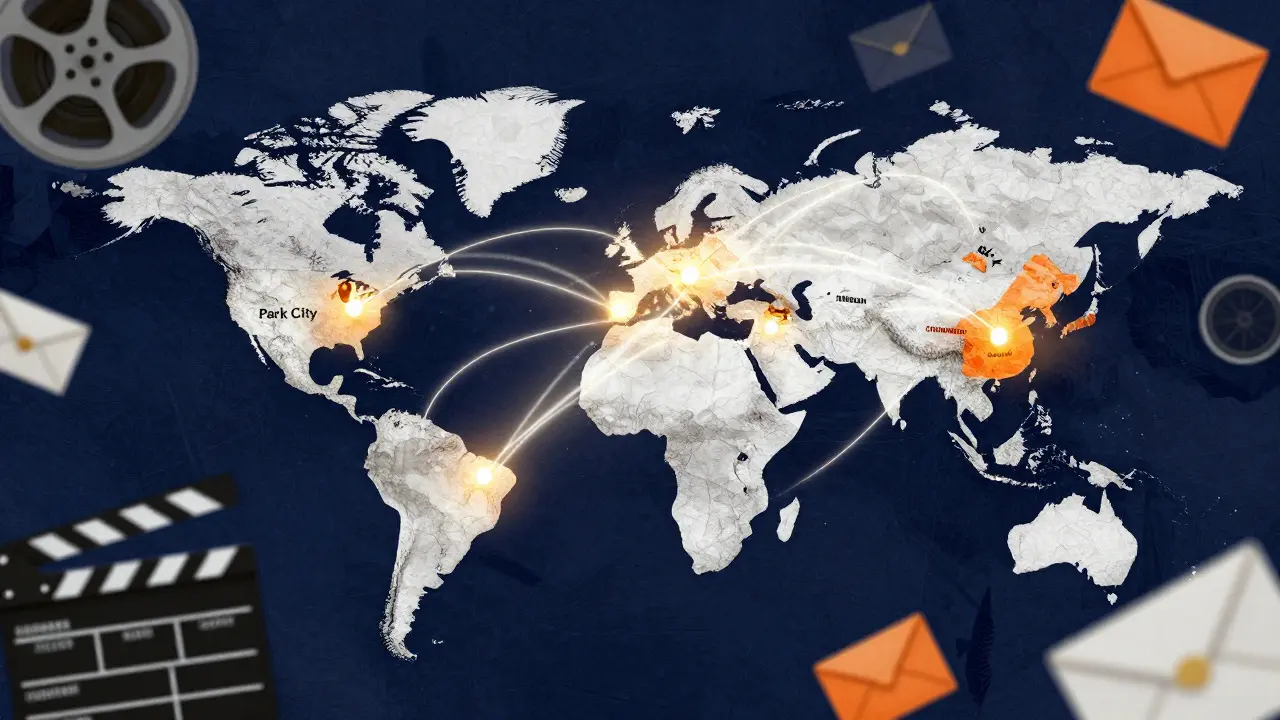
Don’t limit your scope to North America. The documentary world is inherently global, and several international festivals carry immense weight in terms of prestige and co-production opportunities.
IDFA (International Documentary Film Festival Amsterdam)
IDFA is the largest documentary festival in the world, held annually in Amsterdam, attracting over 100,000 visitors. It is the undisputed king of the European documentary scene. IDFA doesn't just show films; it runs IDFA World, a massive industry event where co-production agreements are finalized.
If your film has a European angle or you are seeking a co-production partner for a future project, IDFA is non-negotiable. The jury prizes here are prestigious, and a win can open doors across the continent.
CPH:DOX (Copenhagen International Documentary Festival)
While IDFA is the biggest, CPH:DOX is arguably the most influential for development. Held in Copenhagen, Denmark, it focuses heavily on works-in-progress and finished films. The festival’s market is renowned for its high-quality networking, allowing directors to pitch directly to broadcasters and funders from across Europe.
For early-career filmmakers, CPH:DOX might actually yield better results than Sundance because the ratio of industry attendees to audience members is higher. You’re less likely to get lost in the crowd and more likely to have substantive conversations with decision-makers.

Niche and Specialized Festivals
Not every documentary needs to compete against blockbusters. Sometimes, winning a smaller, specialized festival gives you more credibility within your specific community than a mid-list slot at a major festival.
Hot Docs (Toronto International Documentary Festival)
Canada’s Hot Docs is one of the largest documentary festivals in North America. It stands out for its strong educational component and its focus on Canadian and international voices. It’s particularly good for documentaries that deal with indigenous rights, nature, and human rights.
Sheffield Doc/Fest
In the UK, Sheffield Doc/Fest is the go-to event for innovation in nonfiction. It’s famous for its forward-thinking approach, often showcasing experimental forms, VR documentaries, and audio-visual hybrids. If your film pushes the boundaries of what a documentary can be, this is the place to send it.
True/False Film Festival
Held in Nashville, Tennessee, True/False is a boutique festival that emphasizes narrative structure in documentaries. It’s perfect for films that use dramatic storytelling techniques to explore factual subjects. The atmosphere is intimate, making it easier to build lasting relationships with peers and jurors.
Strategic Selection: How to Choose Your Festival
Submitting to every festival is a waste of money and time. Instead, use a tiered approach based on your film’s current stage and goals.
- Define Your Goal: Are you looking for distribution? Awards? Grants? Or just exposure? Distribution requires major markets (Sundance, IDFA). Awards require competitive juries (Tribeca, Hot Docs). Grants often come through development labs at CPH:DOX or Sheffield.
- Analyze Your Subject: Does your topic fit the historical programming of the festival? For example, sending a tech-critique documentary to a festival known for rural agricultural stories is a mismatch.
- Check the Fees: Entry fees vary. Some festivals charge per film, others have flat rates. Calculate the total cost of submission plus travel if you plan to attend. If you can’t afford to fly to Park City, consider submitting to a regional festival first to build momentum.
- Timing Matters: Most major festivals have deadlines between November and January for the following year’s program. Plan your editing schedule backward from these dates.
Common Pitfalls to Avoid
Even experienced filmmakers make mistakes when navigating the festival circuit. Here are the most common traps:
- Ignoring the Technical Specs: Each festival has strict technical requirements for file formats, aspect ratios, and audio levels. Rejections due to technical errors are common and avoidable.
- Overlooking the Jury: Read the bios of previous jurors. If they specialize in animation, a live-action interview-heavy documentary might not resonate. Tailor your synopsis to highlight aspects that appeal to that specific demographic.
- Missing the Q&A Opportunity: If you are attending, prepare for the Q&A. Audiences love hearing context behind the scenes. Having a few anecdotes ready can turn a good screening into a memorable one, influencing word-of-mouth promotion.
Next Steps for Filmmakers
Ready to start your submission process? Begin by creating a master list of 10-15 festivals that align with your film’s theme and budget. Set up a tracking spreadsheet to monitor deadlines, fees, and confirmation statuses. Don’t forget to update your press kit with high-resolution stills and a compelling director’s statement tailored to each application.
Finally, remember that rejection is part of the process. Even Oscar-winning documentaries were rejected by multiple festivals before finding their home. Persistence and strategic targeting are your best tools in the nonfiction cinema world.
What is the best documentary festival for first-time filmmakers?
For first-time filmmakers, regional or national festivals like Hot Docs or True/False are often better starting points than major international hubs like Sundance. They tend to have slightly lower barriers to entry, smaller competition pools, and a more supportive environment for new voices. Once you have a credit from a reputable regional festival, you can leverage that achievement when applying to larger events.
Do I need to attend the festival in person to submit my film?
No, attendance is not required for submission. Many festivals accept digital submissions via platforms like FilmFreeway. However, attending in person significantly increases your chances of securing distribution deals and building industry relationships. If budget is tight, consider attending only the days when your film is screened or focusing on the industry market sections.
Which festival is best for science and technology documentaries?
The San Francisco International Film Festival (SFIFF) and Sheffield Doc/Fest are excellent choices for science and tech documentaries. SFIFF benefits from its location near Silicon Valley, attracting tech executives and investors. Sheffield Doc/Fest is known for embracing innovative formats, including VR and data-driven storytelling, making it ideal for cutting-edge scientific visualizations.
How much does it cost to enter a major documentary festival?
Entry fees typically range from $75 to $150 per film for major festivals like Sundance, Tribeca, and IDFA. However, the total cost includes travel, accommodation, and marketing materials. For a week-long trip to Park City or Amsterdam, budget an additional $3,000 to $5,000 depending on your lodging standards and travel origin.
Can short documentaries compete in the same categories as feature-length films?
Generally, no. Most major festivals separate short documentaries (under 40 minutes) from feature-length documentaries (over 40 minutes) into distinct categories. This ensures fair competition based on format. Always check the specific rules of the festival, as some may have hybrid categories for experimental works that blur these lines.





Comments(9)