You know that feeling when you watch a film about a painter or musician and suddenly understand why their work matters? It’s not just about the famous name on the poster. It’s about seeing the sweat, the doubt, and the sheer stubbornness it takes to make something new. If you’ve ever wondered how legendary artists transformed raw talent into cultural icons across disciplines like painting, music, and literature actually did it, you’re in the right place. We aren’t talking about dry history lessons here. We’re talking about films that grab you by the collar and show you the messy reality behind the masterpiece.
Why Artist Documentaries Hit Different
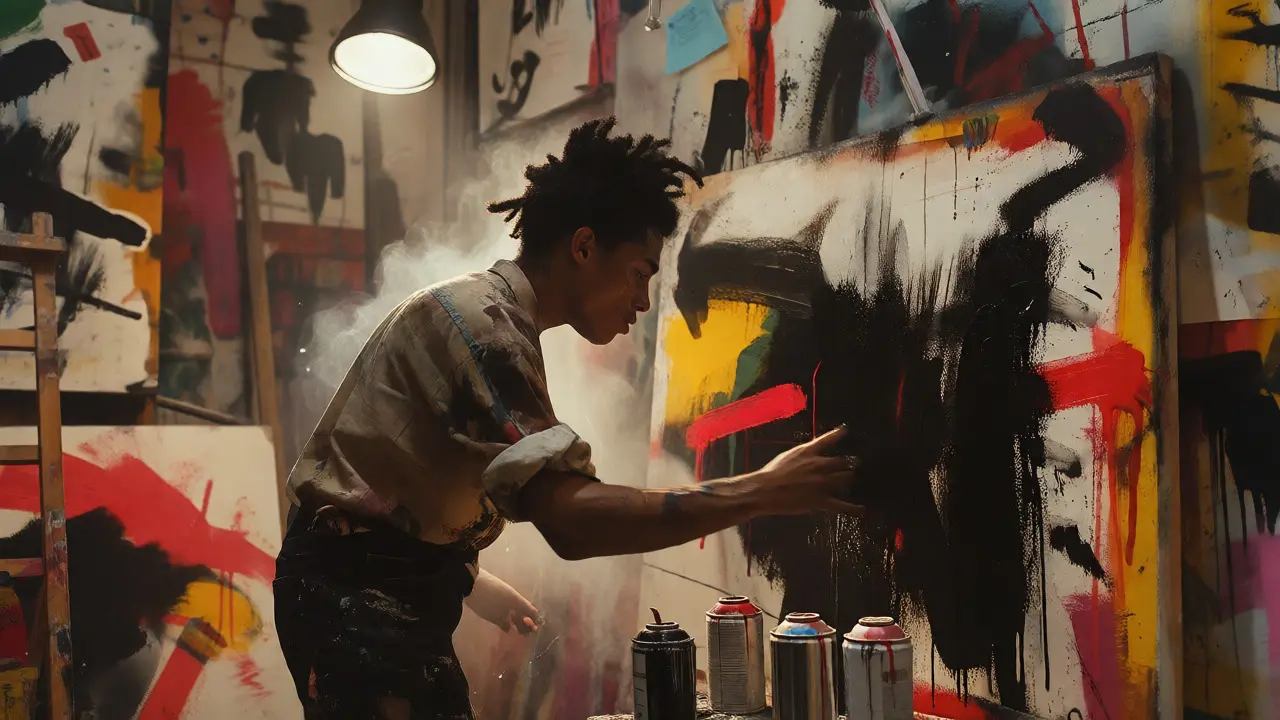
Most biopics feel polished and safe. They smooth out the rough edges to make the hero look palatable. But the best artist documentaries offer unfiltered access to the creative process and personal struggles of iconic figures skip the polish. They show the failures. Think about Tickled or The Last Dance. These aren’t just records of events; they are investigations into identity. When you watch a documentary about a figure like Jean-Michel Basquiat an American artist who rose to success during the 1980s as part of the neo-expressionism movement, you aren’t just learning dates. You’re seeing how a kid from Brooklyn navigated the white-dominated art world while battling addiction. That tension is what keeps viewers hooked long after the credits roll.
This genre works because it bridges the gap between the audience and the creator. You realize that genius isn’t magic. It’s labor. It’s waking up every day and trying to solve a problem no one else has solved yet. Whether it’s a sculptor wrestling with marble or a rapper crafting a hook, the struggle is universal. That’s why these films resonate so deeply. They humanize the untouchable.
Visual Arts: Seeing Through the Canvas
When we talk about visual arts, two names usually come up first: Pablo Picasso a Spanish painter and sculptor who co-founded Cubism and influenced modern art development and Frida Kahlo a Mexican painter known for her portraits and self-portraits exploring identity and pain. But let’s get specific about the films that capture them best. Living with Frida (2005) doesn’t just recount her life; it uses her letters to show how physical pain shaped her brushstrokes. You see the bandages. You see the bed she painted in. It’s visceral.
Then there’s Basquiat: The Radiant Child (2010). This film uses rare footage of Basquiat himself, speaking softly about his fears. It contrasts sharply with the loud, chaotic energy of his paintings. It shows the man behind the crown logo. Another gem is Exit Through the Gift Shop (2010), directed by Banksy. It’s less about a single legend and more about the phenomenon of street art becoming high-value commodity. It questions whether the art matters if the hype matters more. These films don’t just show you the art; they make you question your own role as a viewer.
Music Legends: Sound and Silence
Music documentaries have a unique advantage: audio. You can hear the evolution. Take Searching for Sugar Man (2012). It tells the story of Rodriguez an American singer-songwriter whose music gained cult status in South Africa despite unknown fame in the US, a Detroit folk singer who didn’t know he was a superstar halfway across the world. The mystery drives the narrative, but the payoff is emotional. You realize how fragile artistic legacy can be.
20 Feet from Stardom (2013) shifts the focus to backup singers. It highlights how legends like Tina Turner an American singer, songwriter, and actress known as the Queen of Rock 'n' Roll and Rolling Stones an English rock band formed in London in 1962 relied on unseen voices. It’s a reminder that no legend stands alone. More recently, Amy (2015) about Amy Winehouse an English singer and songwriter known for her contralto vocals and fusion of genres including soul and jazz devastated audiences. It wasn’t just about her death; it was about the media machine that consumed her talent. The archival footage of her laughing, joking, and singing raw demos breaks your heart because you know where it ends.
Literature and Writing: The Blank Page
Writing is solitary. How do you film silence? You film the pressure. Becoming Jane Austen might be a drama, but My Life in Art style docs about writers offer insight. Consider What Happened, Miss Simone? (2015). While Nina Simone was a musician, her diaries and letters reveal a writer’s mind. She wrote constantly. The film uses her words to frame her musical output. It shows that many "musical" legends were also literary giants in their private lives.
For pure writing focus, look at Hemingway & Gellhorn (though a TV movie, it functions as a docu-drama hybrid) or true docs like The Great Buster (2018) which touches on the written word’s role in silent comedy. But the standout here is often overlooked: Paris Can Wait isn’t a doc, but Midnight in Paris inspired real interest in the Lost Generation. For actual documentaries, Ernest Hemingway: A Portrait (PBS American Masters) provides the standard academic view, but Wild Bill: The True Story of J. Frank Dalton offers a wilder take on literary myth-making. The key takeaway? Writers’ lives are defined by what they chose not to say, and good docs capture those pauses.
Cross-Disciplinary Icons: Breaking Boundaries
Some artists refuse to stay in one lane. David Bowie an English singer, songwriter, and actor who reinvented his image and music throughout his career is the prime example. David Bowie: Five Years (2013) breaks down five albums that changed pop culture. It connects his music to fashion, theater, and visual art. It shows him collaborating with designers and painters. He wasn’t just a singer; he was a curator of his own persona.
Similarly, Yayoi Kusama: Infinity (2017) follows the Japanese artist who paints, sculpts, and writes poetry. Her mental health struggles are central to her multidisciplinary approach. The film shows her moving from Tokyo to New York, blending performance art with installation. These cross-disciplinary docs remind us that creativity doesn’t respect borders. An artist might start as a poet and end up as a filmmaker. The medium changes, but the vision remains consistent.
| Documentary Title | Primary Discipline | Key Insight | Emotional Tone |
|---|---|---|---|
| Basquiat: The Radiant Child | Visual Arts | Commercialization of street art | Tragic/Reflective |
| Searching for Sugar Man | Music | Global reach vs. local obscurity | Mystery/Triumph |
| Amy | Music/Lit | Media exploitation of talent | Devastating |
| Yayoi Kusama: Infinity | Cross-Discipline | Mental health as creative fuel | Inspiring/Odd |
| Exit Through the Gift Shop | Visual Arts | Authenticity in art markets | Satirical |
How to Choose Your Next Watch
With hundreds of options, picking one can be tough. Ask yourself what you want to feel. Do you want inspiration? Go for Hearts of Fire or docs about living legends like Billie Eilish: The World’s a Little Blurry. Do you want to understand the business side of art? Watch Exit Through the Gift Shop or Abstract: The Art of Design (specifically the episode on Christoph Niemann). If you want raw emotion, stick to the tragic figures like Amy Winehouse or Jean-Michel Basquiat.
Also, consider the director’s approach. Some directors, like Asif Kapadia (Amy, Senna), use only archival footage. No interviews. This creates a haunting, immediate feel. Others, like the Maysles brothers (Gimme Shelter), use direct cinema techniques to observe without interference. Knowing the style helps set expectations. If you hate talking heads, avoid traditional PBS-style bios. Look for experimental edits instead.
Common Pitfalls in Artist Docs
Not all artist documentaries are created equal. Many suffer from "hero worship." They ignore the flaws. If a doc never mentions the artist’s difficult behavior, drug abuse, or controversial views, it’s probably missing half the story. Real legends are complicated. Martha Graham was notoriously demanding. Bob Dylan was elusive. A good doc doesn’t shy away from this complexity.
Another trap is focusing too much on the end result rather than the process. Watching a finished painting is nice, but watching an artist scrape off three days of work in frustration is better. Look for films that spend time in the studio, the rehearsal room, or the writer’s desk. The mundane moments reveal the truth. If the film skips the boring parts, it’s selling you a fantasy, not a biography.
What is the most acclaimed documentary about a visual artist?
Exit Through the Gift Shop is widely considered one of the most impactful due to its meta-commentary on art and fame. However, Basquiat: The Radiant Child is often preferred for its intimate portrayal of a singular genius.
Are music documentaries better than visual art ones?
Not necessarily. Music docs benefit from audio immersion, making emotional connection easier. Visual art docs rely more on narrative structure and interview insights to convey meaning. Both can be equally powerful depending on the subject's charisma and the director's skill.
Which documentary shows the creative process best?
Abstract: The Art of Design is excellent for showing the iterative process across multiple disciplines. For a single artist, Yayoi Kusama: Infinity vividly depicts the daily routine and mental state required for creation.
Do I need to know the artist's work before watching?
No. Most well-made documentaries provide enough context through clips and explanations. In fact, approaching them with fresh eyes can sometimes lead to a deeper appreciation of the artist's impact without preconceived notions.
Where can I find lesser-known artist documentaries?
Streaming platforms like Criterion Channel and MUBI specialize in arthouse and independent films. Also, check festival circuits like Sundance or Tribeca archives, as many niche artist docs premiere there before wide release.




Comments(10)