Most independent filmmakers treat the theatrical run as the finish line. But for many, it’s actually the starting gun for a more sustainable business model. While box office returns are unpredictable and often modest, indie film merchandise offers a tangible, high-margin way to monetize your audience directly. You aren't just selling t-shirts; you’re selling a piece of the identity your fans have connected with.
The shift toward direct-to-consumer (DTC) sales has empowered small studios to bypass traditional retail hurdles. By leveraging digital platforms and community engagement, you can turn passive viewers into active brand ambassadors. This guide breaks down how to identify what sells, where to sell it, and how to manage the logistics without burning out your creative team.
Why Merchandise Matters More Than Ever
In the past, merch was an afterthought. Today, it is a core component of the distribution strategy. For a film with a budget under $5 million, merchandise can account for 10-20% of total lifetime revenue. That percentage might sound small, but when margins on physical goods hit 40-60%, it adds up quickly.
Consider the case of the breakout horror film *Barbarian*. The studio leveraged social media trends to create limited-edition posters and apparel that sold out within hours. It wasn’t about mass production; it was about scarcity and community validation. Your audience wants to feel part of something exclusive. If you give them a reason to wear or display their love for your work, they will pay a premium for it.
Furthermore, merchandise extends the shelf life of your content. A movie might trend for two weeks, but a well-designed hoodie or art print can keep the title visible in public spaces for years. It acts as free, ongoing advertising every time someone wears your item to a coffee shop or a conference.
Identifying High-Value Products
Not all products are created equal. Some generate buzz; others generate profit. You need to balance both. Here is a breakdown of common categories and their potential:
- Apparel: T-shirts, hoodies, and caps remain the top sellers. They have low barriers to entry and high perceived value if the design is strong. Focus on comfort and quality fabrics to justify higher price points.
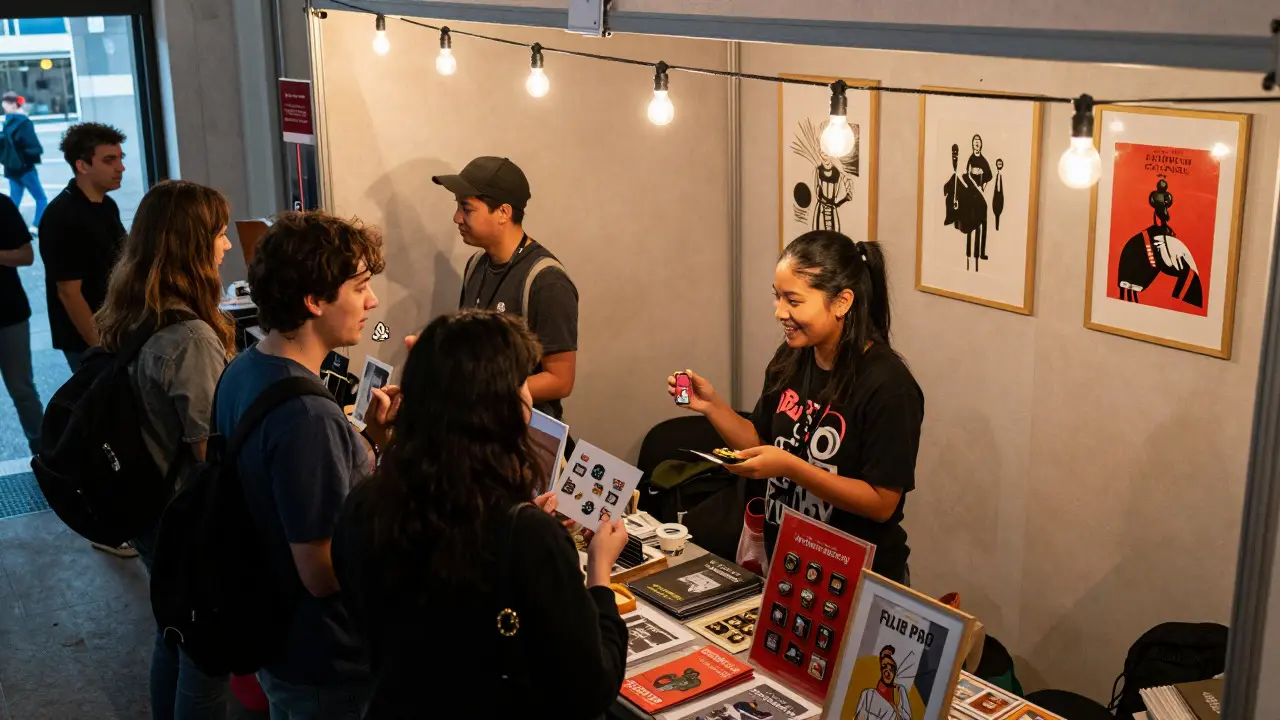
- Prints & Art: Limited edition posters, canvas prints, and lithographs appeal to collectors. These items often have higher margins because they don’t require inventory management like clothing sizes do.
- Digital Goods: Soundtracks, behind-the-scenes documentaries, and digital wallpaper packs. Zero shipping costs, instant delivery, and near-zero marginal cost per unit.
- Collectibles: Action figures, enamel pins, or replica props. These are niche but highly profitable for dedicated fanbases. They require careful market research to avoid overstocking.
A key heuristic: Start with three core items. One apparel item, one print, and one digital good. Test the waters. Once you see which category drives the most traffic, expand there. Don’t try to launch a full catalog on day one.
Building Your Direct-to-Consumer Channel
You have two main options for selling: third-party marketplaces or your own store. Each has distinct advantages.
| Channel Type | Pros | Cons | Best For |
|---|---|---|---|
| Third-Party Marketplaces | High visibility, built-in traffic, easy setup | Lower margins (fees), less brand control, data ownership issues | Testing product ideas, reaching new audiences |
| Own Website (Shopify/Etsy) | Higher margins, customer data access, brand consistency | Requires marketing effort, higher initial setup cost | Loyal fanbases, long-term brand building |
For most indie projects, a hybrid approach works best. Use a platform like Redbubble or Society6 for quick, no-inventory testing. Simultaneously, set up a simple Shopify store for your core, high-quality items. This allows you to capture impulse buys from marketplace traffic while nurturing relationships through your own channel.
Don’t forget the power of email. Every purchase should trigger a welcome sequence. Offer a discount code for their next order. This turns a one-time buyer into a repeat customer. In the indie space, retention is king because acquisition costs are high.
Logistics Without the Headache
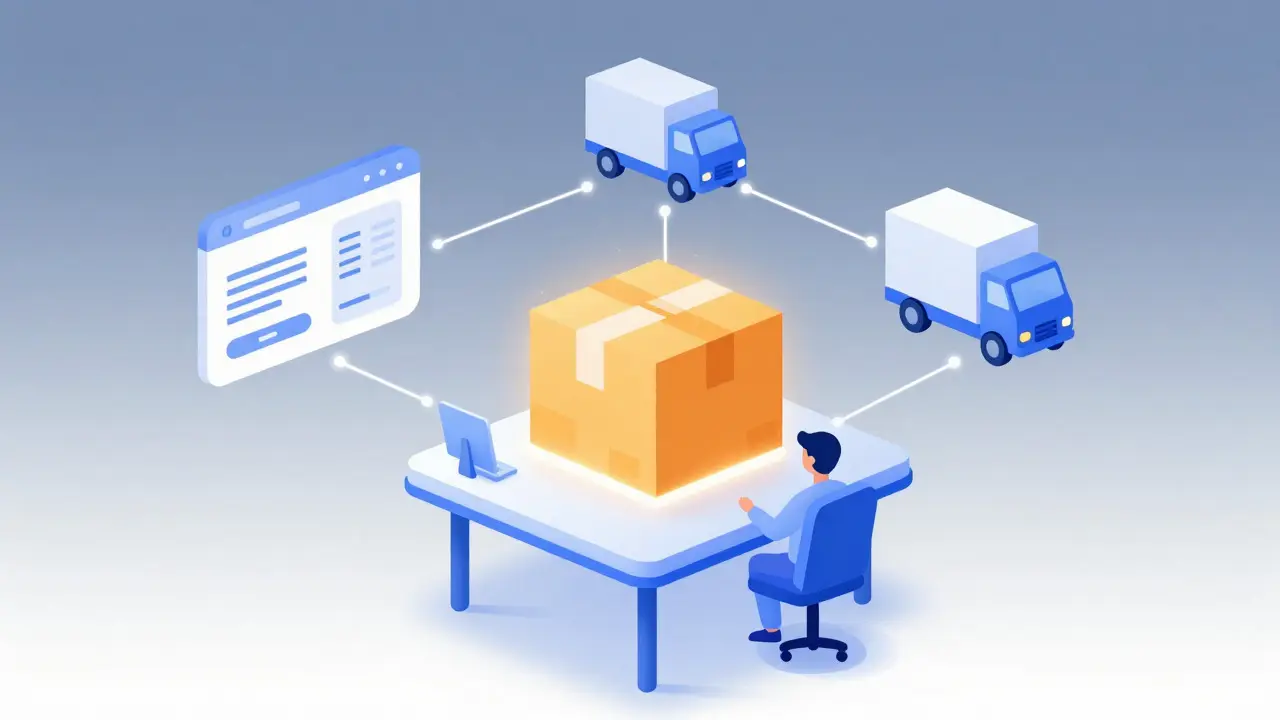
Fulfillment is where many indie projects stumble. Do not try to pack orders in your living room unless you have a very small volume. Instead, consider Print-on-Demand (POD) services for apparel and prints. Companies like Printful or Gooten integrate directly with your website. When a customer buys, the POD provider prints, packs, and ships the item. You never touch the product.
The trade-off? Lower margins than bulk manufacturing. However, you eliminate the risk of unsold inventory. If a t-shirt design flops, you lose nothing but the cost of the sample. If it hits, you scale up without buying 500 units upfront.
For digital goods, use platforms like Gumroad or Bandcamp. They handle file delivery, license tracking, and payment processing. Keep your files organized and clearly labeled. A bad user experience here can ruin a positive impression.
Marketing Strategies That Convert
Your audience is already interested in your film. Your job is to make the merchandise feel like a natural extension of that interest, not a hard sell.
- Behind-the-Scenes Content: Show the process of creating the merch. Post videos of the printing, the fabric selection, or the packaging. Transparency builds trust.
- Exclusive Drops: Release items in limited quantities. "Only 100 available" creates urgency. Use countdown timers on your site.
- Collaborations: Partner with local artists or influencers who align with your film’s tone. Co-branded items can reach new demographics.
- Bundling: Create packages. "The Director’s Cut Bundle" includes a poster, a soundtrack, and a t-shirt at a slight discount. This increases average order value.
Timing is critical. Launch your first merch drop during the film’s festival premiere or streaming release. This is when attention is highest. Follow up six months later with a seasonal collection or a holiday special.
Pricing for Profitability
Many filmmakers underprice their goods. They think, "My audience is young and broke." But if you price too low, you signal low quality. Aim for a price point that reflects the craftsmanship.
Use this simple formula for physical goods: (Cost of Goods + Shipping Cost + Packaging) x 2 = Minimum Selling Price. If your t-shirt costs $8 to produce and ship, sell it for at least $16. Ideally, aim for $25-$30 to cover marketing and operational overhead.
For digital goods, price based on perceived value. A soundtrack album might sell for $9.99, but a deluxe edition with bonus tracks and liner notes can command $19.99. Always offer a tiered option.
Common Pitfalls to Avoid
Even with a solid plan, mistakes happen. Here are the most common ones:
- Overcomplicating Designs: Simple, bold designs age better than complex illustrations. Think of iconic logos, not detailed scenes.
- Ignoring Size Charts: Apparel returns are the biggest killer of profit. Provide accurate size guides and allow exchanges, not just refunds.
- Neglecting Customer Service: Respond to emails within 24 hours. In the indie world, word-of-mouth spreads fast. A happy customer tells ten friends; an angry one tells twenty.
- Waiting Too Long: Launch within 30 days of your film’s release. Momentum fades quickly.
Measuring Success
Track these metrics to refine your strategy:
- Conversion Rate: Percentage of visitors who buy. Aim for 2-3% on your own site.
- Average Order Value (AOV): How much does each customer spend? Increase this through bundling.
- Customer Acquisition Cost (CAC): How much did you spend on ads or promotion to get one sale?
- Repeat Purchase Rate: What percentage of customers buy again? This is your healthiest metric.
If your CAC is higher than your margin, you’re losing money. Adjust your pricing or reduce ad spend. Focus on organic growth through social media and community engagement.
Frequently Asked Questions
How much should I budget for my first merchandise launch?
Start with $500-$1,000. Allocate funds for samples, photography, and initial ad testing. If using Print-on-Demand, your upfront cost is minimal, allowing you to reinvest profits into marketing.
Is it worth hiring a professional designer?
Yes, for core items. A good design increases perceived value and reduces returns due to poor print quality. However, you can start with freelance designers on platforms like Upwork to keep costs manageable.
What are the best platforms for selling digital soundtracks?
Bandcamp is ideal for indie films because it supports unlimited file sizes and allows you to keep 90% of revenue. Spotify and Apple Music are great for discovery but take a larger cut. Use both for maximum reach.
How do I handle international shipping?
Use a service like ShipStation or Intermatic to automate rates. Clearly state shipping times on your product pages. Consider offering free domestic shipping to boost conversion, but charge fair rates for international orders.
Can I sell merchandise before the film releases?
Yes, pre-orders are powerful. They validate demand and provide cash flow for production. Offer a discount for early buyers. Just ensure you can fulfill orders by the release date to maintain trust.