Key Takeaways
- Awards campaigns are expensive marketing blitzes designed to influence voter psychology.
- The "Best Animated Feature" category often battles a perception of being a "kids' genre."
- Narrative-driven campaigns (the "comeback story" or "technical innovation") often beat pure quality.
- Strategic timing of releases is crucial for staying fresh in voters' minds.
The Machinery of an Oscar Campaign
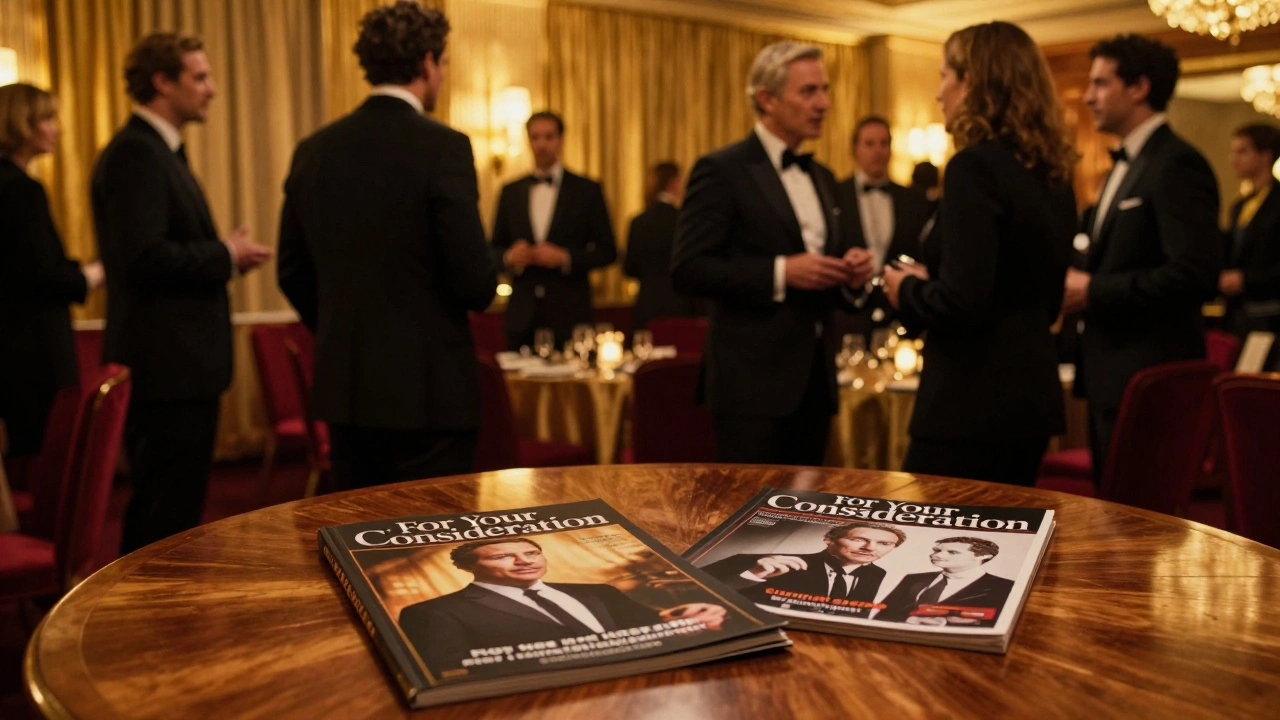
Ever wonder why you suddenly see ads for a movie that came out six months ago? That's the "For Your Consideration" (FYC) phase. Studios don't just hope the Academy Awards voters watch their film; they practically force it upon them. A typical campaign focuses on three main pillars: visibility, prestige, and accessibility.
First, there's the budget. Large studios like Disney or Pixar can spend upwards of $10 million just on the awards circuit. This money goes into trade ads in Variety or The Hollywood Reporter, where the industry insiders hang out. If a film isn't in those pages, it effectively doesn't exist to a voter in the suburbs of Los Angeles.
Then comes the screening strategy. Studios organize private events where the directors and producers mingle with the voters. This creates a personal connection. It's much harder to vote against a film if you've just spent an hour chatting with the visionary who spent five years drawing every frame by hand. They also use "screener" packages-digital or physical copies sent directly to voters-to ensure the movie is watched in the comfort of home, away from the distractions of a crowded theater.
Breaking the "Kids' Movie" Stigma
One of the biggest hurdles for any animated contender is the lingering belief that animation is a genre for children rather than a medium for storytelling. To fight this, campaigns often lean heavily into the "artistry" of the film. They don't market the movie as a fun family romp; they market it as a triumph of cinema.
Take a look at how Studio Ghibli films are positioned. They aren't sold as cartoons; they are presented as hand-drawn masterpieces from a legendary auteur. By shifting the conversation toward the Cinematography and the emotional depth of the script, studios trick the brain of the voter into treating the film like a prestige drama rather than a colorful distraction.
This is why you'll see campaigns emphasizing a film's "adult themes"-grief, political corruption, or existential dread. If a movie can prove it has "weight," it moves from being a contender for the Best Animated Feature trophy to potentially eyeing the Best Picture category, which is the ultimate goal for any serious studio.
The Battle of the Styles: 2D vs. 3D vs. Stop-Motion
In recent years, the voting patterns have shifted. For a long time, 3D CGI was the gold standard because it looked "modern." But recently, there's been a massive push toward stylized animation. When a movie breaks the mold-like using a mix of 2D and 3D-it creates a "visual event' that catches the eye of voters who are bored with the same plastic look of every big-budget movie.
| Style | Voter Appeal | Common Campaign Narrative | Risk Factor |
|---|---|---|---|
| 3D CGI | High (Mainstream) | "Technical Perfection" | Seen as "generic" or "safe" |
| Traditional 2D | Niche/Artistic | "Preserving a Dying Art" | Perceived as "dated" |
| Stop-Motion | High (Tactile) | "Handcrafted Dedication" | Long production time limits output |
Stop-motion is a particular favorite for campaigns because it's easy to market the "effort." Studios release "behind-the-scenes" featurettes showing thousands of tiny puppets and frame-by-frame movements. This appeals to the voter's sense of respect for labor. When a voter thinks, "Wow, they actually moved that puppet one millimeter at a time for three years," they are much more likely to cast a ballot for that film over a CGI movie that felt "automated."

Timing the Release for Maximum Impact
When a movie hits theaters determines its fate. A film released in May is often forgotten by the time January voting rolls around. This is why the "Year-End Push" is so critical. Most award contenders aim for a November or December release. This keeps the movie fresh in the mind, and the excitement of the holiday season blends with the prestige of the awards season.
However, some studios use the "Slow Burn" strategy. They release the movie at a small festival like Sundance or Annecy International Animation Film Festival. This builds a critical consensus among experts first. By the time the general public sees it, the movie already has the "Seal of Approval" from the elite, making it an easy choice for voters who rely on critical aggregates.
The "Contender" Archetypes
Not every movie campaigns the same way. Depending on who made the film, they usually fall into one of three archetypes:
- The Juggernaut: A movie from a giant like Walt Disney Animation Studios. They have the money and the brand. Their campaign is about dominance and reminding everyone that they are the gold standard.
- The Indie Darling: A smaller film with a unique art style. Their campaign focuses on the "underdog" story and the purity of the artistic vision. They win by making the voters feel like they are discovering a hidden gem.
- The Technical Disruptor: A film that uses a new piece of software or a weird hybrid technique. Their campaign is all about the "future of cinema." They don't just want an award; they want to be remembered as the movie that changed how animation is made.
The tension between these three usually decides the winner. If the Juggernaut is too corporate, the Indie Darling wins. If the Indie is too weird, the Technical Disruptor takes the trophy. It's less about who is the best filmmaker and more about which narrative resonates with the current mood of the voting body.
Pitfalls and Campaign Failures
Even with millions of dollars, campaigns can fail. The most common mistake is "Over-Campaigning." When a studio pushes too hard-buying every single ad space and emailing voters every day-it can create a backlash. Voters often pride themselves on being independent thinkers; if they feel like they're being bullied into a choice, they might vote for a competitor just to make a point.
Another failure is the "Narrative Gap." This happens when a studio markets a movie as a deep, adult drama, but the actual film is a goofy comedy. When the voter finally watches the screener and finds the content doesn't match the hype, the trust is broken. The movie doesn't just lose the award; it becomes a joke within the industry circles.
Why is the Best Animated Feature category so hard to predict?
Predicting these awards is tricky because you're balancing two different types of voters: those who love the technical craft of animation and those who just like a good story. Since the voter pool for animation is often smaller or more specialized than the general Best Picture pool, a few key influential voices can swing the entire result.
Does a movie need to be a box office hit to win an Oscar?
Not necessarily. While big hits have more visibility, many winners are smaller films that failed commercially but were loved by critics. In fact, a "box office bomb" that is critically acclaimed can sometimes create a more compelling "underrated masterpiece" narrative for a campaign.
What are "For Your Consideration" ads?
FYC ads are targeted advertisements placed in industry publications. They aren't meant for the general public but specifically for people who have the power to vote for awards. They usually feature the film's poster and a list of its most prestigious accolades to build momentum.
Can a movie win Best Picture and Best Animated Feature?
Yes, though it's incredibly rare. The biggest hurdle is the psychological bias that sees animation as a separate category. When it happens, it's usually because the film has completely transcended the "animation" label and is viewed as a cinematic event regardless of the medium.
How does the Golden Globes difference from the Oscars in animation?
The Golden Globes often have a different voting body, sometimes including more international journalists. This can lead to different results, as international voters might be more open to non-English language animation or experimental styles that the more conservative Academy might overlook.
Next Steps for Animation Enthusiasts
If you want to track the next awards cycle, start by following the festival circuit in September and October. Keep an eye on the Golden Globes nominations, as they often serve as a bellwether for the Oscars. Also, look for the release of "making-of" documentaries; if a studio is releasing a detailed look at their process, it's a sign that a high-budget campaign is underway.
For those interested in the business side, watch the trade publications. When you see a sudden surge of full-page ads for a film you've never heard of, you're witnessing a campaign in real-time. The real magic isn't just in the animation on the screen, but in the strategic orchestration happening behind the curtain.




Comments(4)