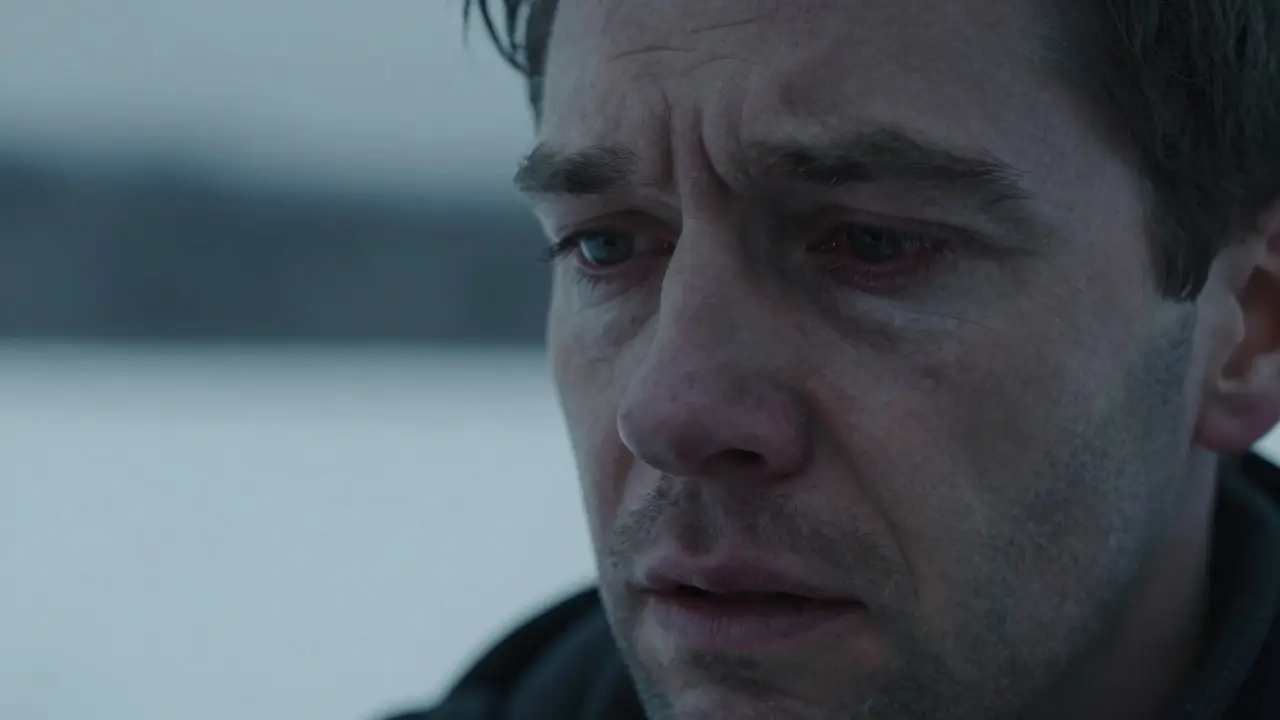
There is a distinct energy in the world of independent film. It’s not about the explosions or the billion-dollar budgets; it’s about raw emotion, nuanced performances, and stories that often feel more real than blockbuster spectacles. When you think of actors who have defined this space, names like Casey Affleck, Viola Davis, and Tilda Swinton immediately come to mind. These are not just faces on posters; they are artists who have built careers on taking risks in low-budget projects that frequently end up winning major accolades.
For fans of cinema, understanding who these actors are and why they matter is key to appreciating the modern landscape of filmmaking. Independent films serve as the incubator for new talent and fresh storytelling voices. The actors involved in these productions often bring a level of commitment and depth that sets them apart from their studio-system counterparts. This guide breaks down the top performers who have made their mark in the indie world, highlighting their career trajectories, signature roles, and the specific awards that cemented their status.
Why Independent Films Matter for Actor Careers
Independent cinema operates differently from the major studio system. Budgets are tighter, schedules can be unpredictable, and the marketing reach is limited. However, this environment often allows actors to take on complex, challenging roles that might not get greenlit in a big-budget production. For an actor, an indie film can be a career-defining moment because the performance is the sole focus without the distraction of massive visual effects or star power.
The relationship between an actor and an independent director is often collaborative. Directors in this space, such as Denis Villeneuve or Greta Gerwig, tend to work closely with their cast to explore character psychology. This dynamic has produced some of the most memorable performances of the last two decades. When an actor wins an award for an independent role, it signals to the industry that they possess range and reliability beyond genre constraints.
Top Award-Winning Indie Actors to Know
Several actors have become synonymous with independent success. Their work demonstrates how a single powerful performance can shift an entire career trajectory. Here are some of the most notable figures in this space.
- Casey Affleck is an American actor who won the Academy Award for Best Supporting Actor for his role in Manchester by the Sea. His performance as Lee Chandler was understated yet devastating, showcasing his ability to convey deep grief through silence rather than dialogue. Before this win, he had already established a reputation for gritty, realistic roles in films like I’m Still Here and Hell or High Water.
- Viola Davis is a versatile actress who received critical acclaim for her lead role in Fences, which originated as a play but gained significant traction in independent circles before its stage and screen adaptations. Her work in Doubt and The Help further solidified her status as a powerhouse performer who commands attention regardless of the project's budget.
- Tilda Swinton is a Scottish actress known for her distinctive presence and willingness to inhabit unconventional characters in films like We Need to Talk About Kevin and The Grand Budapest Hotel. She frequently collaborates with auteurs like David Lynch and Wes Anderson, proving that indie audiences value unique artistic visions over traditional glamour.
- Joaquin Phoenix is an actor who won the Oscar for Best Actor for his transformative role in Joker, a film that started as a standalone comic book adaptation but carried the aesthetic and tonal weight of an independent thriller. His earlier work in Walk the Line and Glengarry Glen Ross also highlights his dedication to method acting in non-mainstream settings.
- Frances McDormand is an American actress who won the Academy Award for Best Actress for Three Billboards Outside Ebbing, Missouri. Her collaboration with Coen Brothers films like Fargo and No Country for Old Men defines her career, blending dark humor with intense dramatic moments.
Comparing Career Trajectories: Studio vs. Indie
It is helpful to look at how these actors navigate the line between independent prestige and mainstream commercial appeal. Many start in indie spaces to build credibility before moving into larger projects, or they maintain a dual presence in both worlds. The table below compares key attributes of three prominent actors to illustrate different approaches to building a career in cinema.
| Actor | Primary Indie Breakout | Major Award Recognition | Subsequent Mainstream Pivot |
|---|---|---|---|
| Casey Affleck | I’m Still Here (2010) | Oscar for Manchester by the Sea (2017) | Limited; remains primarily indie-focused |
| Viola Davis | Doubt (2008) | Emmy, Tony, and Oscar for Fences (2016) | High; starred in A Quiet Place and Ma |
| Joaquin Phoenix | Glengarry Glen Ross (1992) | Oscar for Joker (2020) | Moderate; balanced with Marvel and dramas |
This comparison shows that while some actors use indie wins as a springboard to blockbuster fame, others choose to stay within the indie ecosystem. Both paths are viable, but the indie route often grants greater creative control. For example, Casey Affleck has continued to work with directors like Kelly Reichardt and Alexander Payne, prioritizing script quality over box office potential.
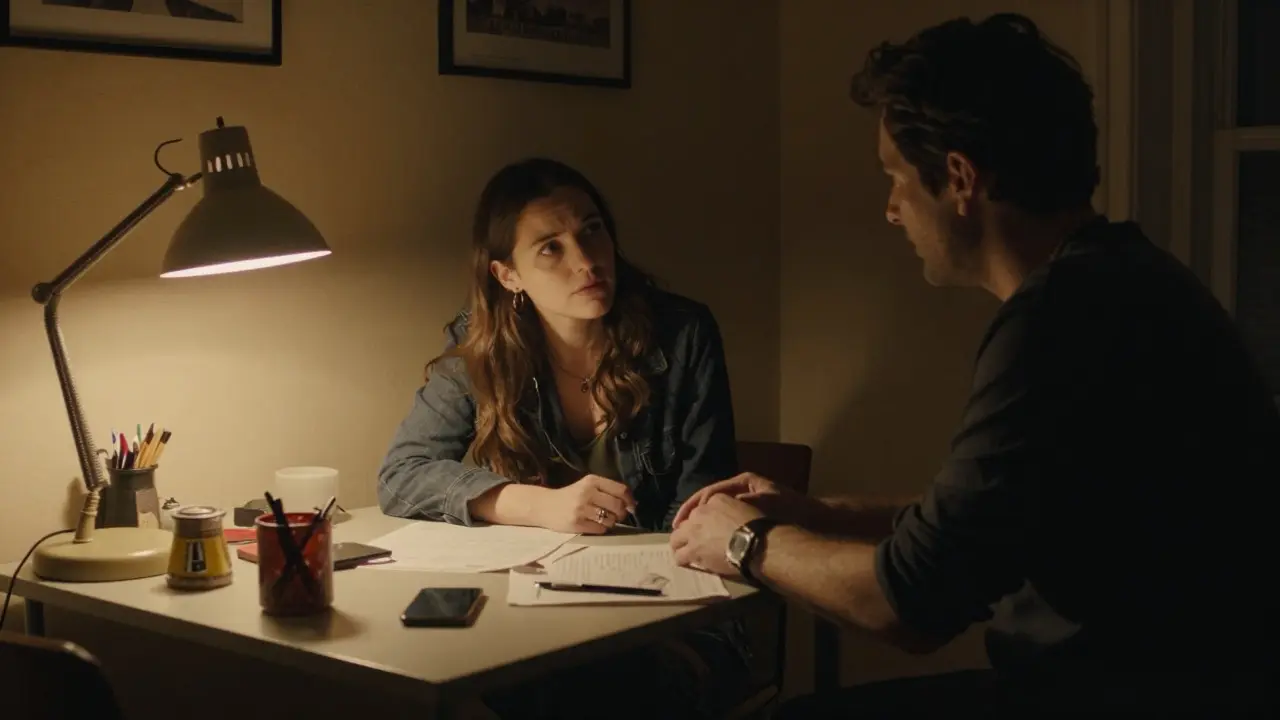
The Role of Festivals in Launching Indie Careers
Film festivals play a crucial role in the independent circuit. Events like Sundance, Cannes, and Toronto International Film Festival (TIFF) are where many indie films debut. For actors, appearing at these festivals can lead to immediate recognition from critics and casting agents. A strong showing at Sundance, for instance, can result in a distribution deal that puts the film in theaters nationwide, giving the actors wider exposure.
Actors who understand the festival circuit often tailor their choices accordingly. They look for scripts that resonate with festival audiences-typically stories with social relevance, unique perspectives, or high emotional stakes. This strategy has worked for actors like Michael B. Jordan, whose early roles in Fruitvale Station and Creed helped establish him as a serious dramatic talent before his move into larger action franchises.
Challenges Facing Indie Actors Today
Despite the prestige associated with independent work, the path is not without hurdles. One major challenge is financial stability. Unlike studio actors who may receive guaranteed salaries and residuals, indie actors often work for lower pay in exchange for equity or future opportunities. This risk requires a certain level of financial security or support systems to sustain a long-term career.
Additionally, the rise of streaming services has changed the landscape. While streaming platforms now produce high-quality content, the definition of "independent" has blurred. Some argue that when a streamer funds a film, it loses its pure indie status, even if the creative freedom remains. Actors must navigate this ambiguity, deciding whether a project offers the artistic integrity they seek or if it compromises the independence they value.
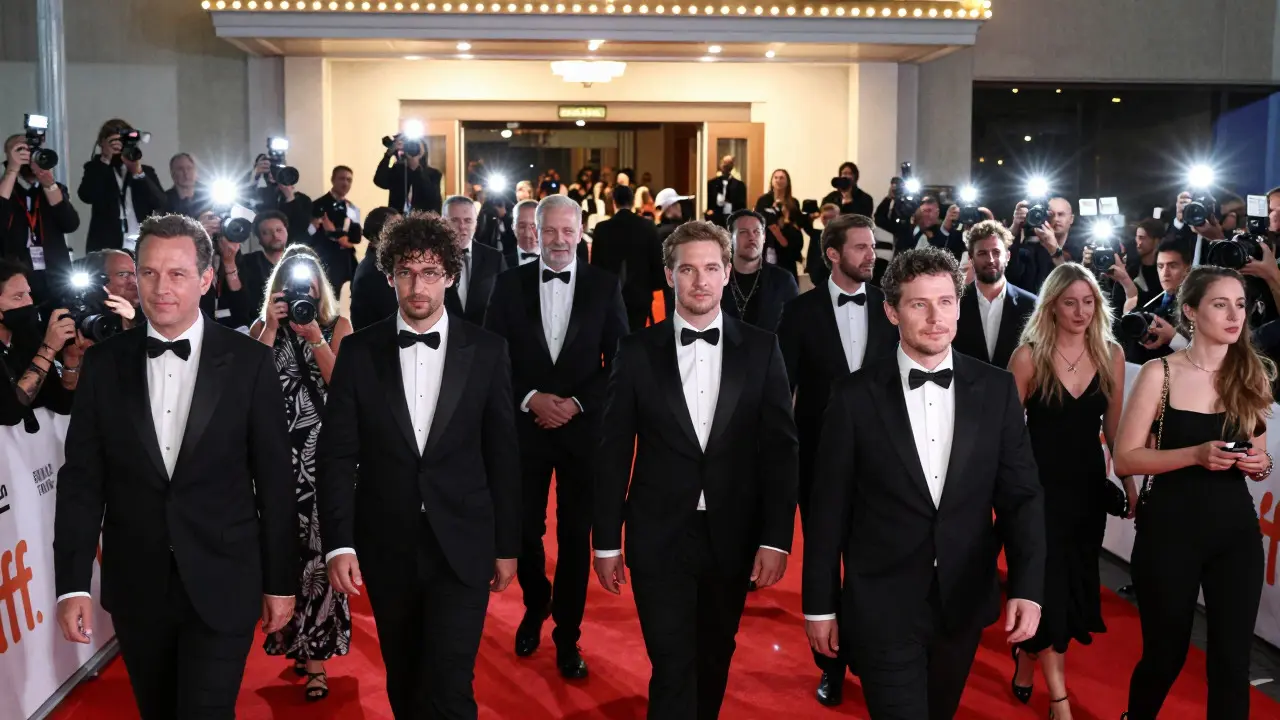
How to Support Independent Cinema
If you appreciate the work of these talented actors, supporting independent cinema is one of the best ways to ensure its survival. Here are practical steps you can take:
- Watch indie releases in theaters: Going to the local cinema supports the distributor and helps generate word-of-mouth buzz.
- Follow festival schedules: Keep an eye on announcements from Sundance and TIFF to see what new films are premiering.
- Subscribe to niche streaming platforms: Services dedicated to art-house or independent content provide direct revenue streams for smaller films.
- Engage on social media: Sharing reviews and discussions about indie films helps algorithms recommend them to a broader audience.
By actively engaging with this sector of the film industry, you help create an environment where actors can continue to take risks. The next breakout star might be performing in a small theater right now, waiting for the right audience to discover them.
Frequently Asked Questions
What makes an actor considered "indie"?
An actor is typically considered "indie" if they frequently work in films produced outside the major Hollywood studio system. These films usually have lower budgets, greater creative freedom, and often target niche or arthouse audiences rather than mass-market demographics.
Do independent films make money for actors?
While upfront salaries for indie films are generally lower than for blockbusters, successful indie films can generate significant residuals if they find wide distribution. Additionally, the career boost from award nominations and critical acclaim often leads to higher-paying roles in the future.
Which festival is best for discovering new indie actors?
Sundance Film Festival is widely regarded as the premier venue for discovering new American independent talent. Other key festivals include the Toronto International Film Festival (TIFF) and the Berlin International Film Festival, which often feature diverse international indie productions.
Can an actor switch between indie and mainstream work?
Yes, many actors successfully transition between the two. For example, Viola Davis moved from acclaimed indie dramas to high-grossing studio films like A Quiet Place. The key is maintaining performance quality in both environments to preserve critical respect.
Why do awards favor independent films?
Awards bodies often prioritize artistic merit and originality, qualities that are frequently emphasized in independent cinema. Since indie films rely heavily on script and performance due to limited special effects, they tend to highlight the craft of acting, making them strong contenders for acting categories.





Comments(8)