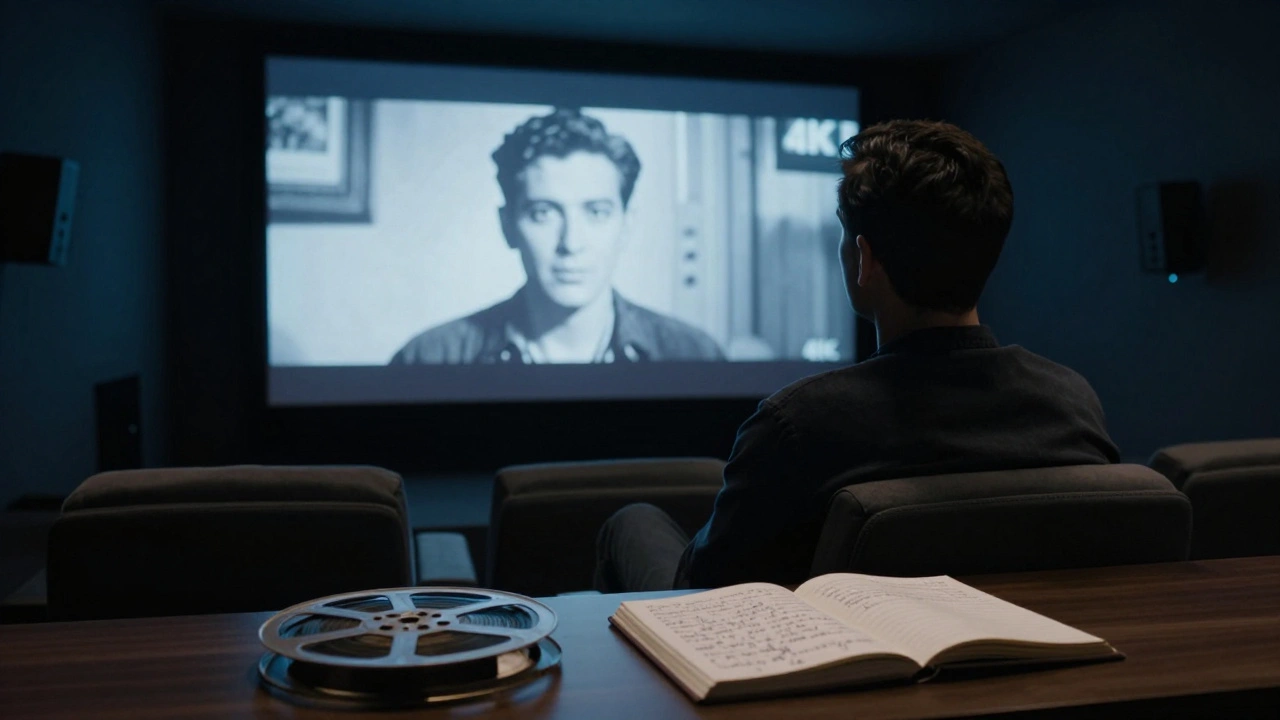
There is a trap waiting for anyone who decides to write about canonical films is a collection of movies that have achieved historical significance and critical consensus as essential viewing in cinema history. The trap is assuming the job is done. You might think that because everyone knows The Godfather is a 1972 American crime drama directed by Francis Ford Coppola, you don't need to explain why it matters. But that assumption kills your review before you start. Writing about classics today isn't about repeating what Roger Ebert or Pauline Kael said forty years ago. It's about asking why these films still breathe, or why they might be suffocating us.
We live in an era where streaming algorithms feed us endless new content, yet we keep returning to the same handful of masterpieces. Why? Is it comfort? Or is it something deeper? When you revisit a classic, you aren't just watching a movie; you're participating in a cultural conversation that has been going on for decades. Your job as a reviewer is to add a new voice to that chorus, not to mimic the old ones.
Why Context Changes Everything
A film does not exist in a vacuum. It exists in time. When Casablanca is a 1942 American romantic drama set during World War II premiered, audiences saw a love story against the backdrop of immediate global conflict. Today, we watch it with the benefit of seventy-five years of hindsight. We know how the war ended. We understand the complexities of colonialism in ways that were suppressed in 1942 Hollywood. If you write a review that ignores this shift in perspective, you are writing a history paper, not a film critique.
Consider the lens of social values. Many canonical films from the mid-20th century contain stereotypes or narrative structures that feel jarring now. A modern review must address this without falling into two extremes: dismissing the film entirely as "problematic" or ignoring the issues to protect the art. The sweet spot is analyzing how the film reflects its era while acknowledging where it fails by today's standards. This creates a nuanced argument that respects the viewer's intelligence.
- Historical Distance: Use the gap between release date and today to highlight shifts in cultural norms.
- Technological Evolution: Compare original presentation (aspect ratio, sound quality) with modern restoration versions.
- Genre Expectations: Note how genre conventions have evolved since the film was made.
Finding Fresh Angles in Familiar Stories
You cannot pretend to see Psycho is a 1960 psychological horror film directed by Alfred Hitchcock for the first time if you've seen it five times. The shock value is gone. So, what do you talk about? You talk about craft. You talk about subtext. You talk about the details that casual viewers miss.
Take cinematography. In Vertigo is a 1958 mystery thriller directed by Alfred Hitchcock known for its innovative use of color and camera movement, the way Hitchcock uses green light to represent obsession is a technical choice that carries emotional weight. A fresh review might focus solely on the color palette and how it manipulates the audience's subconscious. Or you could analyze the score by Bernard Herrmann and how it dictates the pacing of scenes long before modern action movies adopted similar techniques.
Another angle is character psychology through a modern therapeutic lens. Look at Taxi Driver is a 1976 American neo-noir drama directed by Martin Scorsese. In the 1970s, Travis Bickle was often seen as a misunderstood hero or a product of urban decay. Today, we might analyze his isolation through the lens of digital alienation and mental health awareness. Does the film hold up when we apply contemporary understanding of trauma? This approach makes the old feel urgent again.
The Problem with Nostalgia
Nostalgia is the enemy of honest criticism. It clouds judgment. You might remember watching The Wizard of Oz is a 1939 American fantasy musical film as a child and feeling pure wonder. But as an adult, you notice the racial caricatures in the Munchkinland sequence or the problematic gender dynamics. If your review is driven by childhood memory, you will defend the film irrationally. You must separate the personal experience from the objective analysis.
This doesn't mean you have to be cold. You can acknowledge the emotional power of a film while critiquing its flaws. In fact, admitting vulnerability strengthens your credibility. Say, "I loved this film as a kid, but I struggle with it now because..." This honesty invites readers to reflect on their own relationships with cinema. It turns a review into a shared exploration rather than a lecture.
| Pitfall | Why It Fails | Better Approach |
|---|---|---|
| Plot Summary | Readers already know the story. | Focus on thematic resonance and structural choices. |
| Uncritical Praise | Assumes greatness without evidence. | Analyze specific scenes that justify the acclaim. |
| Modern Moralizing | Judges past work by current standards exclusively. | Contextualize flaws within historical framework while noting impact. |
| Ignoring Technical Aspects | Treats film as literature only. | Discuss cinematography, editing, sound design, and production. |
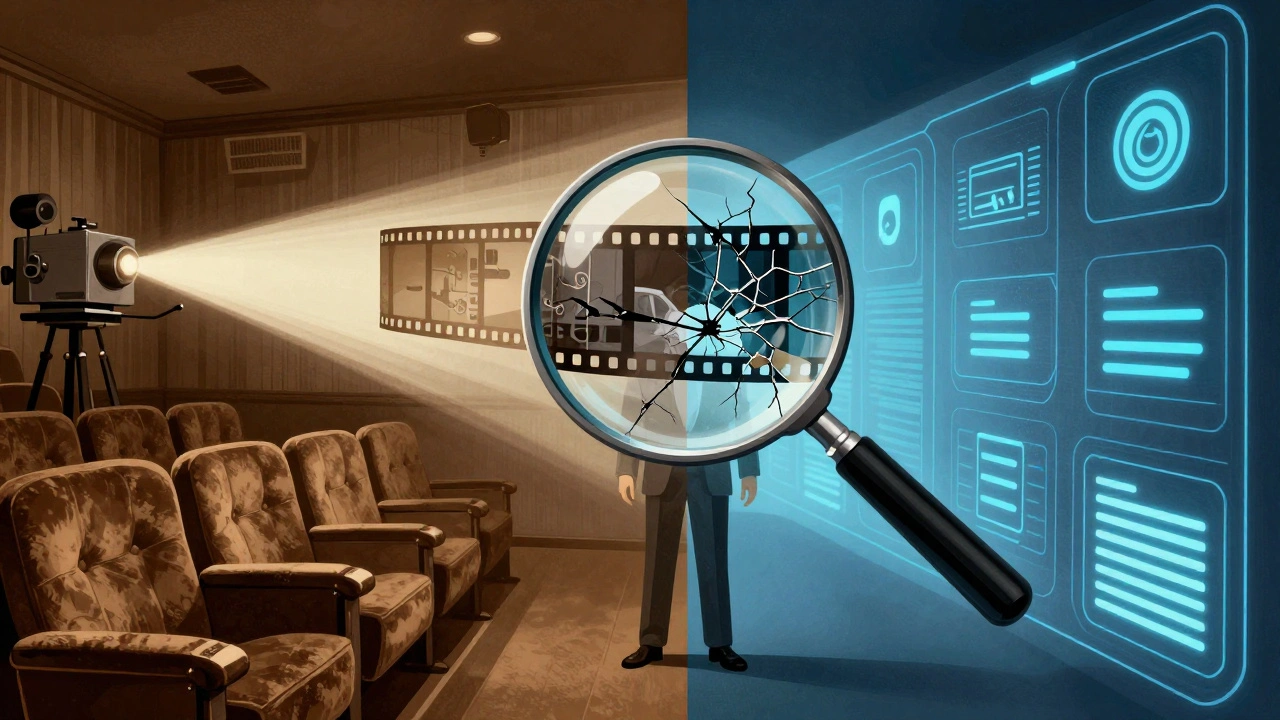
Technical Craft vs. Emotional Impact
Many reviewers get stuck in the plot. They summarize what happens. But for canonical films, the plot is public knowledge. The real value lies in how the film achieves its effects. Did 2001: A Space Odyssey is a 1968 epic science fiction film directed by Stanley Kubrick succeed because of its story, or because of its silence? Kubrick used minimal dialogue to create a sense of vast, terrifying space. A review that focuses on the sound design-the absence of it-offers more insight than one that retells the journey of Dave Bowman.
Editing is another under-discussed area. In Bonnie and Clyde is a 1967 American biographical crime film directed by Arthur Penn, the rapid-fire montage during the final shootout changed how violence was depicted in cinema. Before this, gunfights were stylized and distant. Afterward, they were visceral and chaotic. Pointing out this shift shows how the film influenced the medium itself, not just the story it told.
Don't neglect the actors' performances either, but go beyond "great acting." Analyze specific choices. Why did Marlon Brando is an American actor widely regarded as one of the greatest and most influential in cinema history slouch in The Godfather? Was it laziness, or was it a deliberate physicalization of Don Corleone's age and weariness? These micro-details reveal the director's vision and the actor's craft.
Connecting Classics to Contemporary Cinema
One of the most effective ways to make a classic relevant is to draw lines to modern films. Show how Blade Runner is a 1982 neo-noir science fiction film directed by Ridley Scott directly influences Her is a 2013 science fiction romance film directed by Spike Jonze. Both explore loneliness and artificial intelligence, but they do so with different tones and technological contexts. By making these connections, you position the classic not as a relic, but as a living ancestor of current storytelling.
This also helps educate newer audiences. Younger viewers may not have seen the originals, but they recognize the tropes in modern blockbusters. Explaining that Inception owes debts to La Jetée or Total Recall adds depth to their appreciation. Your review becomes a bridge between generations of film fans.
The Role of Restoration and Format
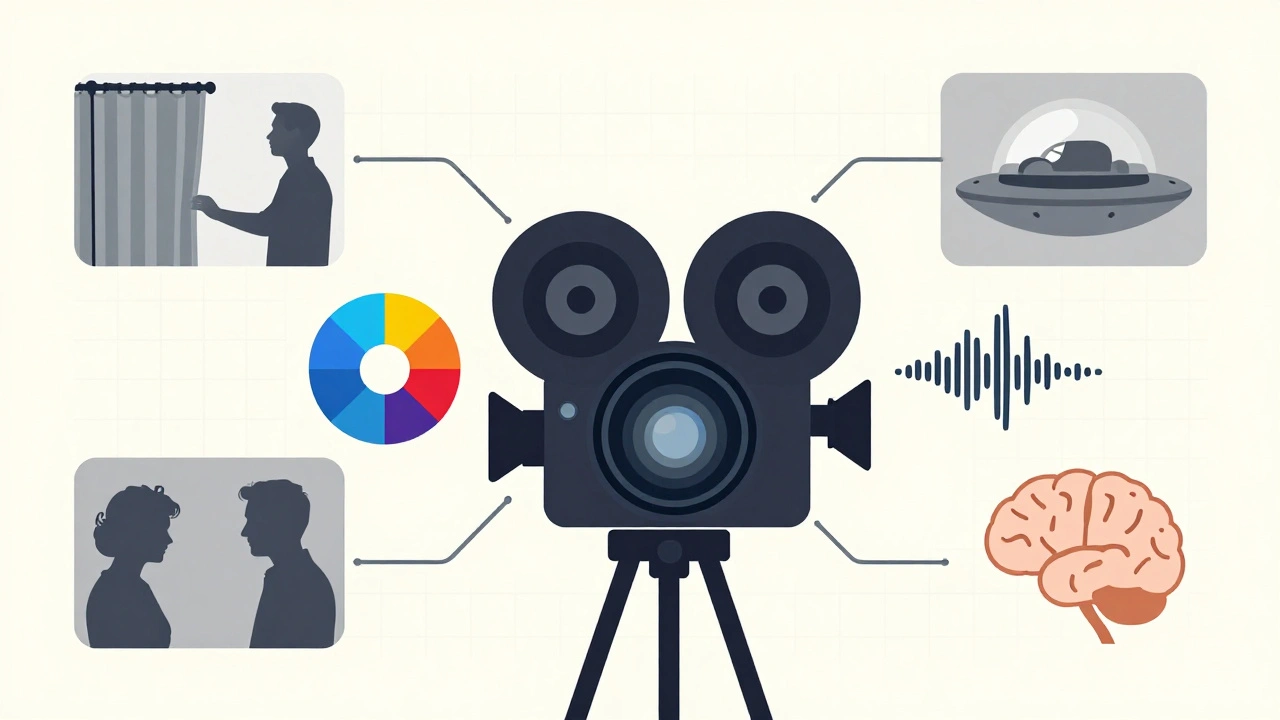
How you watch a classic matters. A grainy DVD copy of Citizen Kane is a 1941 American drama film directed by Orson Welles is a different experience than a 4K restoration projected on IMAX. The clarity reveals details previously hidden in shadow. The sound mix brings dialogue to the forefront. When reviewing, mention the version you watched. If you saw a restored print, discuss how the technology enhances or alters the original intent. This practical detail helps readers decide how to engage with the film themselves.
Some restorations are controversial. Directors sometimes remaster their own films, changing aspect ratios or adding color grading that purists dislike. Addressing these debates shows expertise. It demonstrates that you care about the integrity of the artwork, not just the surface-level entertainment.
Writing with Authority and Humility
You don't need to be a film scholar to write a great review. You need to be curious and precise. Avoid vague adjectives like "good," "bad," or "amazing." Instead, use descriptive language. Say the pacing is "sluggish" or the lighting is "high-contrast noir." Specificity builds trust.
Also, admit when you don't know something. If a reference escapes you, look it up. If a theme feels opaque, say so. This humility makes your writing accessible. Readers appreciate honesty over pretension. The goal is not to prove you are smarter than the reader, but to share a discovery.
Finally, remember that canon is not static. New films challenge old hierarchies. Films once ignored are being rediscovered. Your review contributes to this ongoing re-evaluation. By engaging deeply with canonical films, you help define what cinema means today.
How do I avoid sounding repetitive when reviewing well-known films?
Focus on specific elements rather than general impressions. Choose one aspect, such as sound design, color theory, or a single character arc, and dive deep into it. Connect the film to contemporary issues or modern movies to provide fresh context. Avoid summarizing the plot, as your audience likely already knows it.
Should I criticize classic films for outdated social views?
Yes, but contextualize your criticism. Acknowledge the historical period in which the film was made and explain why certain views were prevalent then. Then, analyze how those views affect the film's message today. Balance respect for the art with honest assessment of its limitations.
What is the best way to structure a review of a canonical film?
Start with a hook that addresses a common misconception or a fresh angle. Briefly introduce the film and its historical significance. Dedicate the body paragraphs to specific analyses (technical, thematic, or contextual). Conclude with a reflection on the film's enduring relevance or lack thereof. Keep the tone conversational but authoritative.
Does the format of the film (DVD, streaming, theater) matter in my review?
Absolutely. Mention the format you viewed, especially if it involves restoration or high-definition upgrades. Different formats can alter the visual and auditory experience, impacting your interpretation. This information helps readers understand the basis of your critique and guides their own viewing choices.
How can I connect a classic film to modern audiences?
Draw parallels to contemporary films, social issues, or technological changes. Explain how themes explored in the classic resonate today. For example, discuss isolation in Taxi Driver in the context of modern digital loneliness. These connections make the film feel immediate and relevant rather than distant and historical.



Comments(6)