Key Takeaways for Short Scripts
- Focus on one core idea or a single emotional beat.
- Enter the scene as late as possible and leave as early as possible.
- Prioritize visual storytelling over heavy dialogue.
- Keep your character count low to maximize development.
- The twist or resolution should feel inevitable yet surprising.
The Art of the Singular Idea
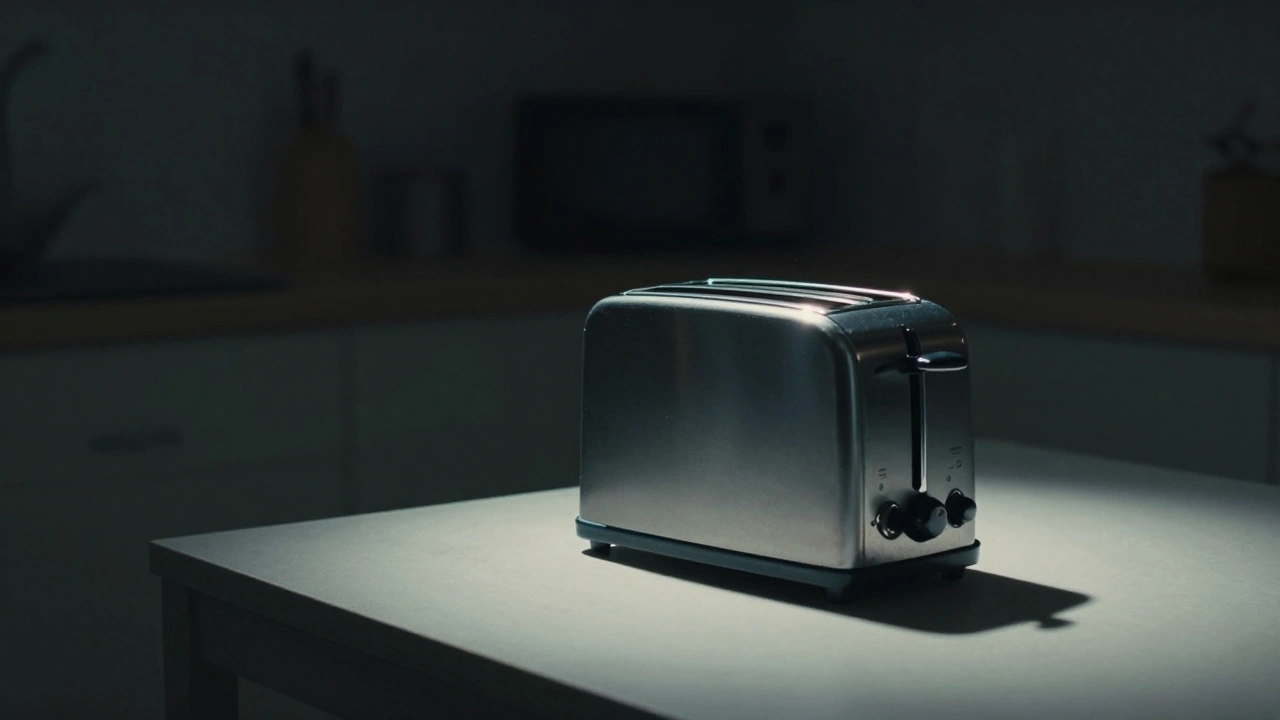
In a feature, you have time for subplots, sprawling casts, and complex world-building. In a short, you don't. The most successful short films usually orbit around a single short film screenwriting concept or a specific "what if" scenario. Think of it like a short story in literature. You aren't writing a biography; you're capturing a snapshot. If your script tries to cover ten years of a character's life, you'll likely lose the audience. Instead, focus on one pivotal afternoon, one difficult conversation, or one strange encounter. For example, instead of writing a story about a divorce over a decade, write a scene where a couple decides who gets to keep the toaster. The toaster becomes a symbol for everything they've lost. By narrowing the scope, you actually deepen the emotional impact. You want a story that is a "slice of life," not the whole cake.Structuring for Speed and Impact
Even if your film is only five minutes long, it still needs a structure. You can't just have a series of random events. Most shorts follow a compressed version of the Three-Act Structure, but the transitions happen much faster.| Element | Feature Film (90-120 min) | Short Film (< 15 min) |
|---|---|---|
| Inciting Incident | Happens around minute 10-15 | Happens in the first 60-90 seconds |
| B-Stories/Subplots | Essential for depth and pacing | Usually absent or very minimal |
| Climax | Extended sequence with high stakes | A sharp, decisive moment of change |
| Character Arc | Gradual evolution over time | A sudden realization or a fixed trait |
Visual Storytelling and the "Show, Don't Tell" Rule
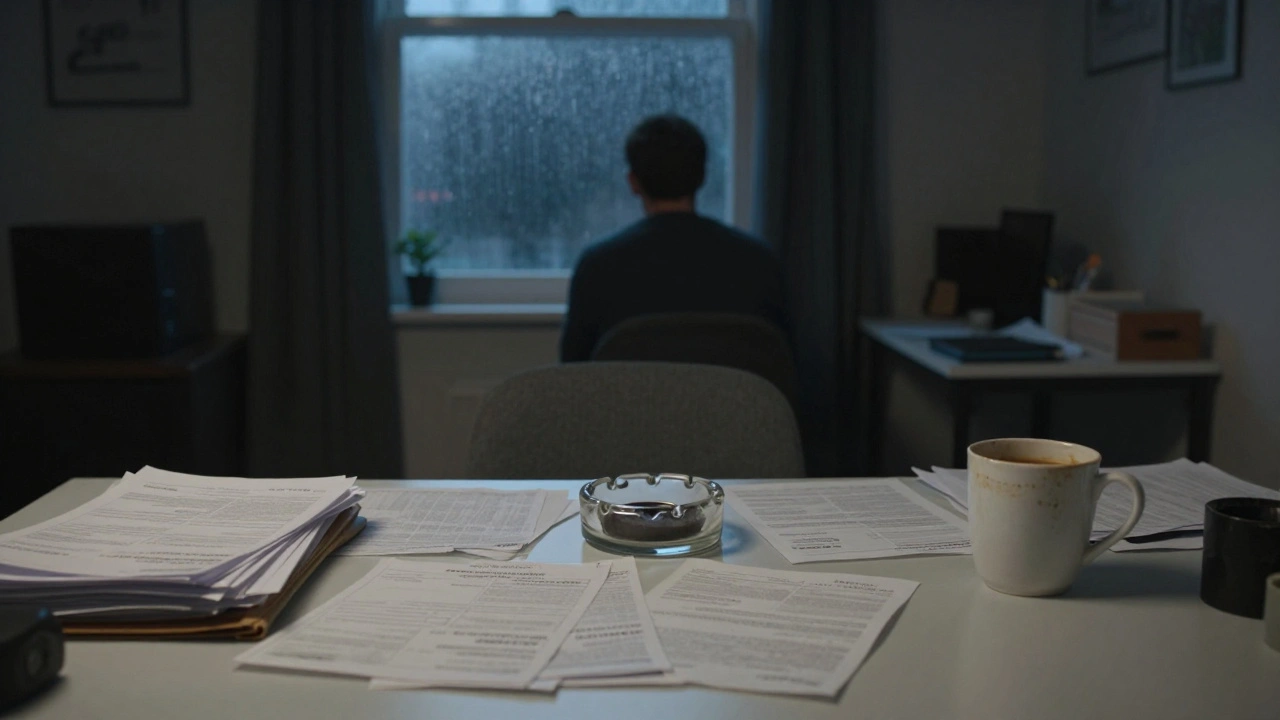
Cinema is a visual medium. The biggest mistake beginners make is using dialogue to explain things that the audience could see. If a character is sad, don't have them say, "I'm feeling very depressed today." Show them staring at a cold cup of coffee while the room remains dark at 2 PM. Utilize Visual Storytelling to convey information quickly. A character's environment tells us who they are before they even speak. A messy desk with unpaid bills and an overflowing ashtray tells us more about their mental state than three pages of monologue ever could. Ask yourself: "If I muted this scene, would the audience still know what's happening?" If the answer is no, you're relying too much on dialogue. In short films, silence is often more powerful than words. A lingering look or a shaky hand can communicate a world of pain or joy in three seconds, whereas a line of dialogue might take ten.Character Economy: Less is More
When you're working with a 15-page limit, every character is a luxury. If you have five characters, you have to divide your limited screen time among them, which means none of them will be fully developed. Stick to one or two primary characters. Your characters shouldn't have complex backstories that require exposition. Instead, give them a clear, immediate goal. What do they want *right now*? Consider the Protagonist. In a short, their arc is often about a shift in perspective rather than a total personality change. They start the film believing one thing and end it realizing another. This "epiphany" is the heart of the short film. Avoid the "talking head" syndrome, where two people just stand and talk in a room. Give your characters something to do. If they are arguing, have them fold laundry or fix a car. Action creates tension and makes the scene feel lived-in. It also provides a rhythmic break from the dialogue, keeping the viewer engaged.The Payoff: Nailing the Ending
The ending of a short film is its most critical part. Because the setup is so brief, the payoff needs to be punchy. Many writers fall into the trap of the "it was all a dream" twist or the "suddenly everyone dies" ending. These are usually lazy because they don't stem from the characters' choices. Instead, aim for an ending that is surprising but inevitable. This means that once the audience sees the resolution, they should think, "Of course that happened," even if they didn't see it coming. The ending should resolve the central conflict or leave the audience with a haunting question. Avoid over-explaining the ending. Trust your audience to put the pieces together. If you show a character finally throwing away a wedding ring in the last shot, you don't need a voiceover saying, "And so, I finally moved on from my ex." The image does all the work.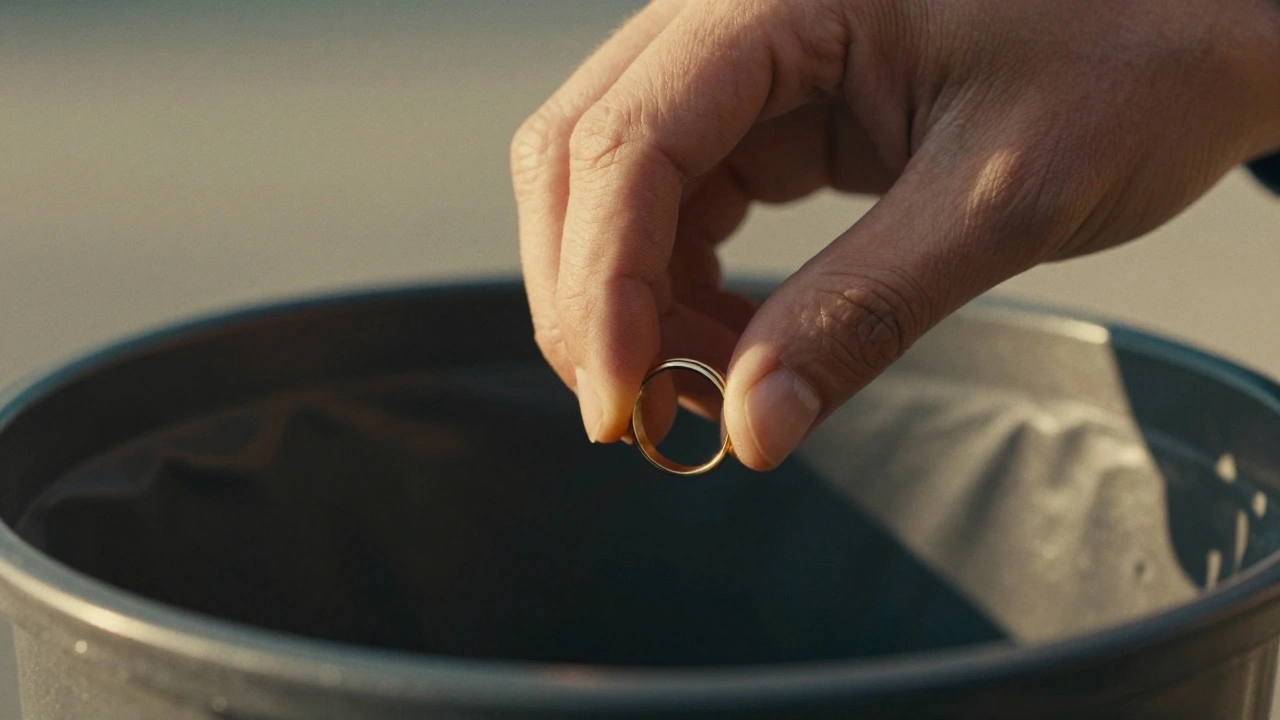
Practical Tips for the Drafting Process
Writing a short is an exercise in editing. Your first draft will likely be too long. That's okay. The real magic happens in the second and third passes where you aggressively cut everything that doesn't serve the core idea.- The Page-to-Minute Ratio: Generally, one page of a properly formatted script equals one minute of screen time. If your script is 20 pages, you're pushing the limits of most festival categories. Aim for 10-12 pages to keep the energy high.
- The Dialogue Trim: Go through your script and delete every "Hello," "How are you?" and "Goodbye." These social niceties waste space. Start the conversation at the point of tension.
- The Prop Pivot: Find a physical object that can represent the internal struggle. A ticking clock, a leaking faucet, or a torn photograph. Using a prop to drive the plot is faster than using a conversation.
- Read it Out Loud: Dialogue that looks good on the page often sounds robotic when spoken. Read your scenes aloud to find the natural rhythm of human speech.
Common Pitfalls to Avoid
One major trap is the "Featurette"-a script that feels like the first act of a movie. If your short ends with a cliffhanger that says "to be continued," you haven't written a short film; you've written a teaser. A short must be a complete emotional experience. Another issue is over-ambition. Writing a sci-fi epic with ten locations and a space battle on a zero-dollar budget is a recipe for failure. Write for the resources you have. If you have access to a diner and two actors, write a story that takes place in a diner with two actors. Some of the best shorts ever made happened in a single room because the writer focused on the tension between people rather than the spectacle of the setting. Finally, don't forget the Pacing. Because the timeline is so short, you can't have "slow" sections. Every scene must either move the plot forward or reveal something critical about the character. If a scene does neither, delete it, regardless of how much you love the dialogue.How long should a short film script actually be?
While "short" can technically mean anything under 40 minutes, the sweet spot for festivals and audiences is usually between 5 and 15 minutes. In terms of pages, this translates to roughly 5 to 15 pages of script. If you can tell your story in 8 pages, don't stretch it to 12. Brevity is your best friend in this format.
Can I have more than one protagonist in a short?
You can, but it's risky. Having multiple protagonists splits the audience's emotional investment. If you do use a dual-protagonist structure, ensure their goals are intertwined or conflicting. Otherwise, it's better to have one clear lead and supporting characters who challenge them.
Do short films need a traditional climax?
Yes, but it doesn't have to be a huge explosion or a big fight. A climax in a short is simply the moment of maximum tension where the character must make a choice or face a truth. It can be as simple as a character deciding to finally pick up the phone or choosing to walk away from a relationship.
How do I handle exposition without long dialogue scenes?
Use visual clues. Instead of a character explaining that they are bankrupt, show a "Final Notice" stamp on a pile of envelopes. Use the environment, costumes, and props to tell the history of the character so the dialogue can focus on the present conflict.
Is it okay to use a narrator in a short film?
Voiceover (VO) can be a helpful tool for quickly establishing a mood or providing a bit of context, but use it sparingly. If the VO is telling us exactly what we see on screen, it's redundant. Use it to provide a counterpoint to the image-where the voice says one thing, but the action shows another.


Comments(7)