Most actors spend months waiting for an agent to send them a casting notice. But here’s the truth: the best indie film roles don’t always come through agencies. They land in the inbox of someone who dared to send their own audition tape. If you’re serious about breaking into independent film, learning how to self-submit isn’t optional-it’s your most powerful tool.
Why Self-Submission Works for Indie Films
Independent films operate on tight budgets and lean teams. Casting directors often don’t have the time or resources to sift through hundreds of submissions from big agencies. They’re looking for raw talent, unique presence, and someone who takes initiative. That’s where you come in.
When you self-submit, you cut through the noise. You’re not just another name on a list. You’re the actor who took the extra step. In 2024, a study by the Independent Filmmaker Project found that 68% of indie films cast at least one lead or supporting actor through direct submissions. These weren’t breakout stars with reps-they were people who sent a well-made tape, a clear headshot, and a short, respectful note.
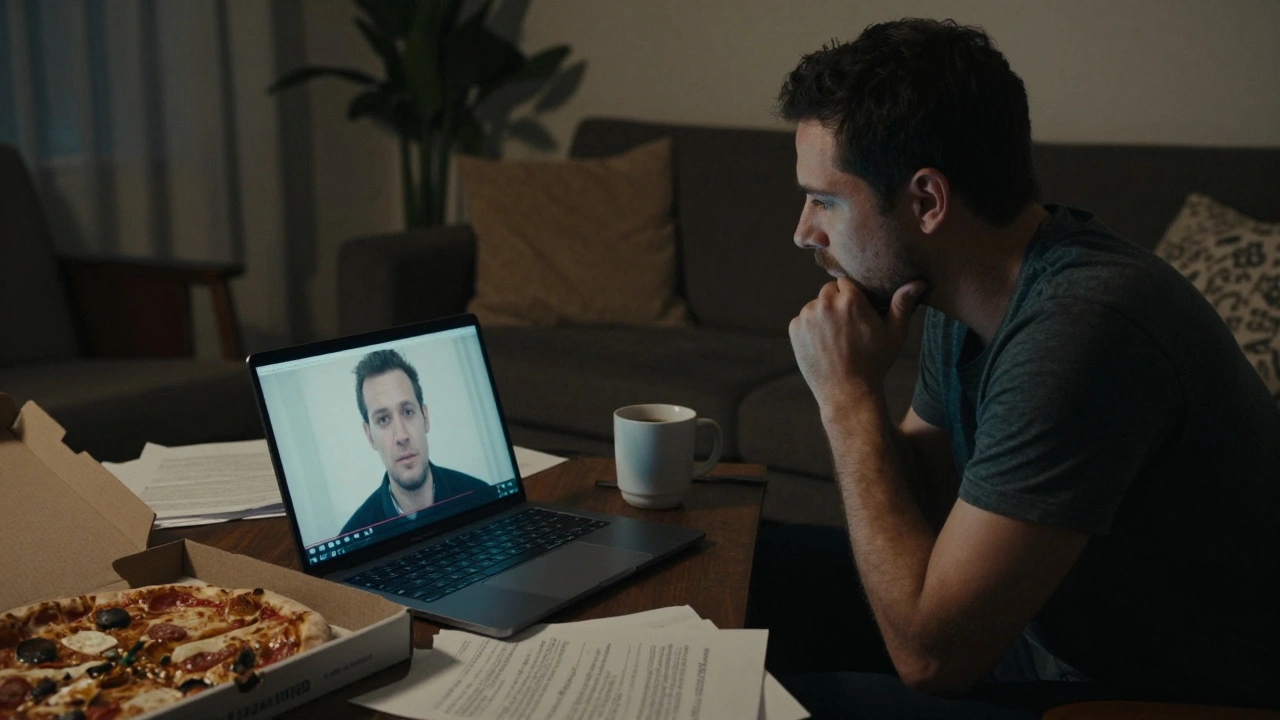
Think of it this way: if a director is casting a quiet, emotionally complex character for a micro-budget drama, they’re not going to call a big-name agency. They’re going to scroll through Vimeo links from actors who actually understand the tone of the project. Your tape might be the one they watch on a Sunday night while eating pizza in their living room. Make it count.
What You Need Before You Hit Send
You can’t just record yourself reading lines and call it a day. Self-submission requires preparation. Here’s what you absolutely need before you send anything:
- A professional headshot - not a selfie, not a filter, not a photo from three years ago. Use a photographer who specializes in acting headshots. Your headshot should look like the kind of person who could walk into a scene and feel real.
- A clean, updated resume - list your training, relevant roles, and any film credits. If you don’t have much, include theater, student films, or even improv workshops. Honesty matters more than padding.
- A showreel (under 90 seconds) - edit together your strongest 3-5 clips. No music, no effects, no voiceover. Just you in character. If you don’t have footage, shoot a new monologue specifically for this submission.
- A tailored audition tape - never use the same tape for every role. Read the script. Understand the character’s emotional arc. Record yourself in the same lighting and background you’d use on set. Keep it under two minutes.
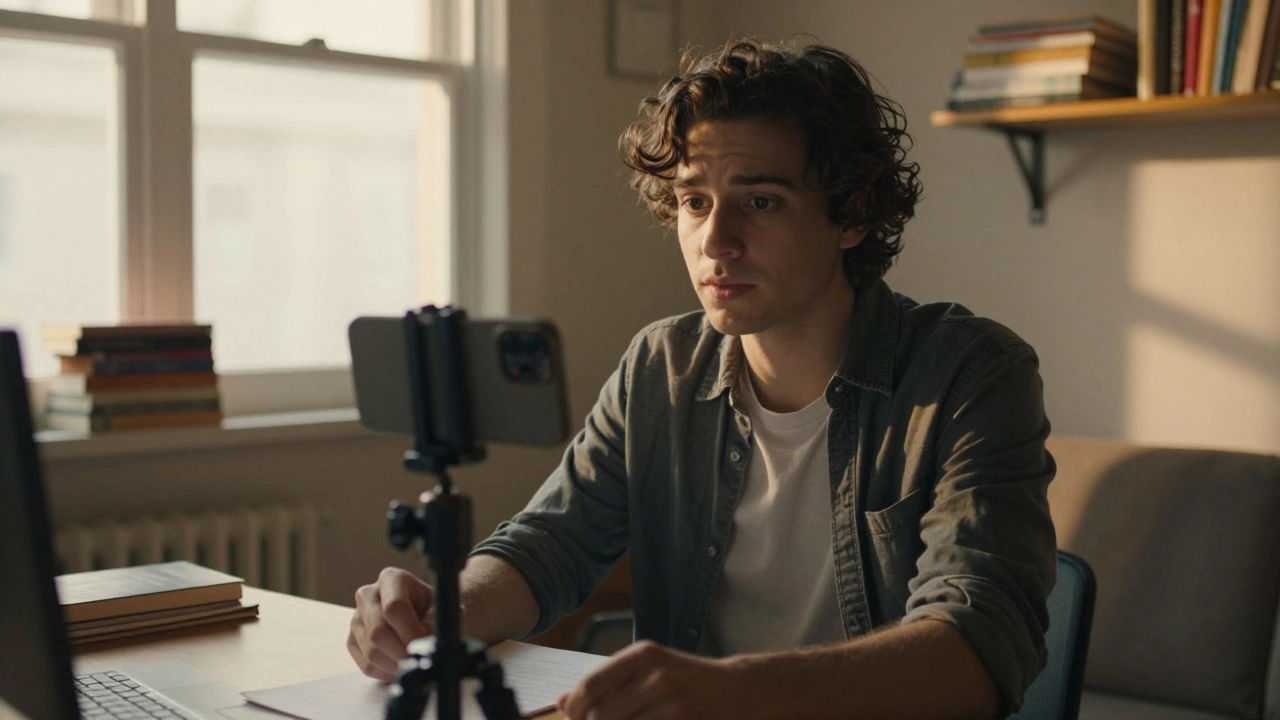
One actor I know submitted for a low-budget horror film. He didn’t have a reel, so he filmed a 75-second monologue in his apartment using a phone tripod and a lamp for light. He sent it with a one-sentence email: “I played this role in my head while walking home last night. Here’s how it sounded.” He got the part.
Where to Find Independent Film Casting Calls
You can’t submit to jobs you don’t know exist. Here are the real sources indie filmmakers use-not the flashy platforms that charge you $50 a month.
- Backstage (free listings) - Filter by “Indie Film” and “No Fee.” Check daily. Many roles are posted 72 hours before casting closes.
- Stage 32 - A network for filmmakers and actors. Join the “Indie Film Casting” group. Directors post open calls here regularly.
- Local film commissions - Every state has one. North Carolina’s film office posts indie projects shooting in Asheville, Wilmington, and Charlotte. Search “[Your State] film commission casting.”
- Film festival websites - Look at the credits of films that played at Sundance, Tribeca, or SXSW. Find the producer’s name. Visit their company website. Many list open casting calls.
- Instagram and TikTok - Follow indie directors, producers, and casting directors. Many post casting calls in their stories or pinned posts. Use hashtags like #IndieFilmCasting, #NoBudgetFilm, #ActorNeeded.
Don’t waste time on Casting Networks or Actors Access unless you’re already represented. These are for union projects and big-budget films. Indie filmmakers rarely use them.
How to Write a Submission Email That Gets Read
Your email subject line is your first audition. If it says “Actor Submission,” it goes straight to spam. Here’s what works:
Bad subject: “Actor Submission for Role”
Good subject: “Audition for ‘The Last Train’ - Alex Rivera (Saw your film ‘Echoes’ - loved the tone)”
That’s specific. It shows you’ve done your homework. Now the body:
- Start with a line about why you connected to the project. “I’ve been working on a character like yours for years. The scene where you sit alone in the kitchen? That’s the moment I knew I had to be part of this.”
- Link to your tape. Don’t attach files. Use Vimeo or YouTube (unlisted). Attachments get blocked.
- Keep it under 100 words. No life story. No “I’ve been acting since I was five.”
- End with: “Thank you for your time. I’d be honored to contribute to your vision.”
One director told me he received 217 submissions for a lead role. Only three emails mentioned a specific line from the script. Two of those three got callbacks.
What to Avoid at All Costs
Even the most talented actors sabotage themselves with these mistakes:
- Submitting generic tapes - Using the same monologue for every role is lazy. Directors notice.
- Asking for feedback - Don’t say “Let me know what you think.” You’re asking for a free acting lesson. That’s not your role.
- Following up too soon - Wait at least 10 days. If you haven’t heard back, send one polite reminder. After that, move on.
- Using bad lighting or audio - If your tape is dark or muffled, they won’t watch past five seconds. Use natural light. Record in a quiet room.
- Overacting - Indie films thrive on subtlety. A raised eyebrow can be more powerful than a monologue.
One actor sent a tape where he cried for 45 seconds straight. The director wrote back: “I believe you’re hurting. But I don’t believe your character would do that. Try again.” He did. He got the part.

Track Your Submissions Like a Pro
You’re not just sending tapes-you’re building a pipeline. Use a simple spreadsheet:
| Project Title | Director | Role | Date Sent | Link to Tape | Status |
|---|---|---|---|---|---|
| The Last Train | Maya Lin | Ben Carter | 2025-03-12 | vimeo.com/xxx | Callback |
| Whisper Ridge | Jamal Reyes | Ellie | 2025-04-05 | vimeo.com/yyy | Rejected |
| Static | Sarah Kim | Mark | 2025-05-18 | vimeo.com/zzz | Waiting |
Update it every week. Celebrate callbacks. Learn from rejections. After 20 submissions, you’ll start seeing patterns: what kind of roles you get called back for, what directors respond to, and what kind of tape works best for your type.
What Happens After You Get a Callback
Getting a callback doesn’t mean you’ve got the part. It means you’ve passed the first filter. Now you need to show up differently.
- Watch the director’s previous work. Know their style.
- Prepare two versions of the scene-one subtle, one more emotional. Ask which they prefer.
- Bring a notebook. Write down notes. Directors notice when you’re listening.
- Don’t ask about pay or schedule until they bring it up.
- Send a thank-you email within 24 hours. Keep it short. “Thanks for the time. I’m still thinking about the line about the porch light. That’s the moment I connected with.”
One actor I know got a callback for a film shot in the mountains. He showed up wearing the same jacket his character wore in the script. The director didn’t say anything. But he got the role.
Keep Going. Even When It Feels Like No One’s Watching
Self-submission isn’t glamorous. Most of your tapes will go unanswered. That’s normal. The first time I submitted for a role, I got a reply that said, “We’re looking for someone taller.” I laughed. Then I sent another. And another.
There’s no magic formula. But there is a pattern: actors who keep submitting, keep improving, and keep showing up eventually get seen. Not because they’re the most talented. But because they didn’t wait for permission.
Independent film doesn’t need more actors who wait. It needs more who send.
Do I need an agent to self-submit for indie films?
No. In fact, most indie films prefer actors who self-submit because it cuts out agency fees and delays. Casting directors often look for actors who are proactive and understand the indie process. You don’t need representation to start submitting.
How long should my audition tape be?
Keep it under two minutes. Most directors watch hundreds of tapes. If you go over 90 seconds, they’ll skip ahead. Focus on one strong moment that shows your range and connection to the character. Quality over quantity.
Should I send my tape as a file or a link?
Always use a link. Vimeo or YouTube (set to unlisted) are best. Files get blocked by email filters, take too long to download, and can be corrupted. A link is instant, reliable, and professional.
What if I have no acting experience?
Many indie films cast non-professionals. If you have no credits, focus on authenticity. Film a monologue that feels real to you. Show emotion, not technique. Directors often choose people who feel true over those who sound polished.
Is it worth paying for casting websites?
No. Most paid casting sites target union or commercial actors. For indie films, free platforms like Backstage, Stage 32, and local film commissions are far more effective. You’re better off spending money on a good headshot or a short film you can use in your reel.
How many roles should I submit to at once?
Start with 3-5 per month. Focus on quality. Tailor each tape to the role. Submitting to 20 roles with the same tape will hurt your chances. It’s better to send 5 strong submissions than 20 weak ones.