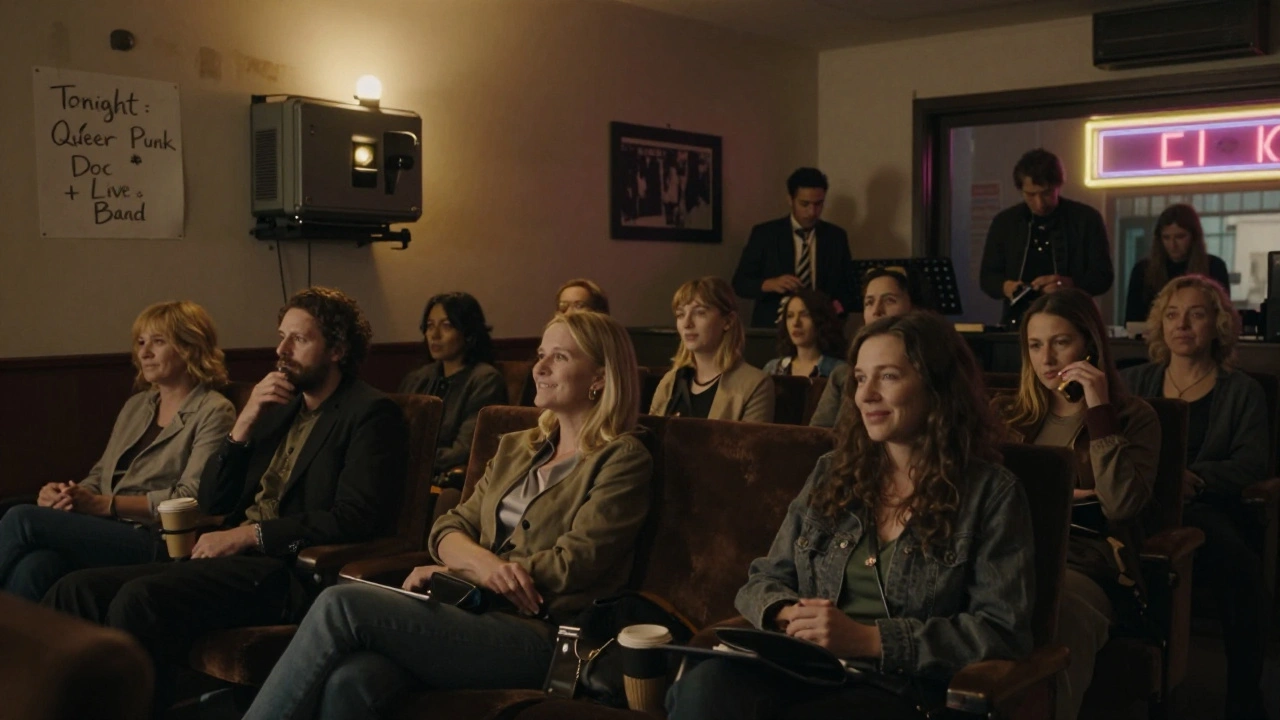
Before the pandemic, art-house cinemas in the U.S. were already struggling. Rising streaming costs, declining ticket sales, and the slow death of physical media had pushed many to the edge. Then came 2020. When theaters shut down, some never reopened. In Asheville, the Laurel Theatre closed after 82 years. In Portland, the Bagdad Theatre survived only because a local nonprofit bought it. But not all art-houses disappeared. Some didn’t just survive-they rebuilt. And they did it with something old-school but powerful: audience development roadmaps.
What an audience development roadmap really means
An audience development roadmap isn’t a fancy marketing plan. It’s not about Instagram ads or TikTok trailers. It’s a living document that answers one question: Who are we making this space for, and how do we keep them coming back? The best art-houses in 2025 didn’t wait for audiences to return. They went out and found them-where they were, what they cared about, and how they wanted to experience film.Take the Tryon Film Society in North Carolina. After reopening in late 2021, they didn’t just show indie films. They started hosting monthly Q&As with local filmmakers, free post-screening coffee chats, and even film-themed potlucks. Attendance didn’t jump overnight. But over 18 months, their core group grew from 120 regulars to over 450. Why? Because people didn’t just come to watch a movie. They came to belong.
Four pillars of post-pandemic audience rebuilding
Based on interviews with 23 surviving art-houses across 17 states, four strategies kept coming up. These aren’t theories. They’re what worked.
- Know your neighborhood, not just your genre - Art-houses in Chicago’s Logan Square didn’t focus on French New Wave. They programmed films by local Latinx directors, hosted bilingual screenings, and partnered with community centers. Attendance from underrepresented groups rose by 68% in two years.
- Turn viewers into co-creators - The Geneva Film Club in Ohio lets members vote on 30% of the monthly lineup. They also invite audience members to introduce films. One retired teacher started hosting "Film & Memory" nights, where seniors share personal stories tied to the movie. Those nights now sell out.
- Make it affordable, not just cheap - Many theaters slashed prices and lost money. The Alamo Drafthouse (yes, even their indie branch) kept ticket prices steady but introduced a $10 monthly membership that included a free drink, early access to tickets, and a printed program. Membership sales jumped 200% in six months.
- Build relationships, not just events - The Lightbox Cinema in Portland doesn’t just screen films. They send handwritten thank-you notes to first-time attendees. They track who comes to what. And they call people back if they haven’t been in 90 days. One woman told them she came back because someone remembered her name.
Who’s coming back-and who’s not
It’s easy to assume film lovers are returning en masse. They’re not. The audience that came back is different.
People under 30? Still mostly streaming. But those who do come to art-houses? They’re looking for something unrepeatable. A live score performance of Metropolis. A director’s cut shown only once. A screening followed by a discussion with the cinematographer. They don’t want convenience. They want connection.
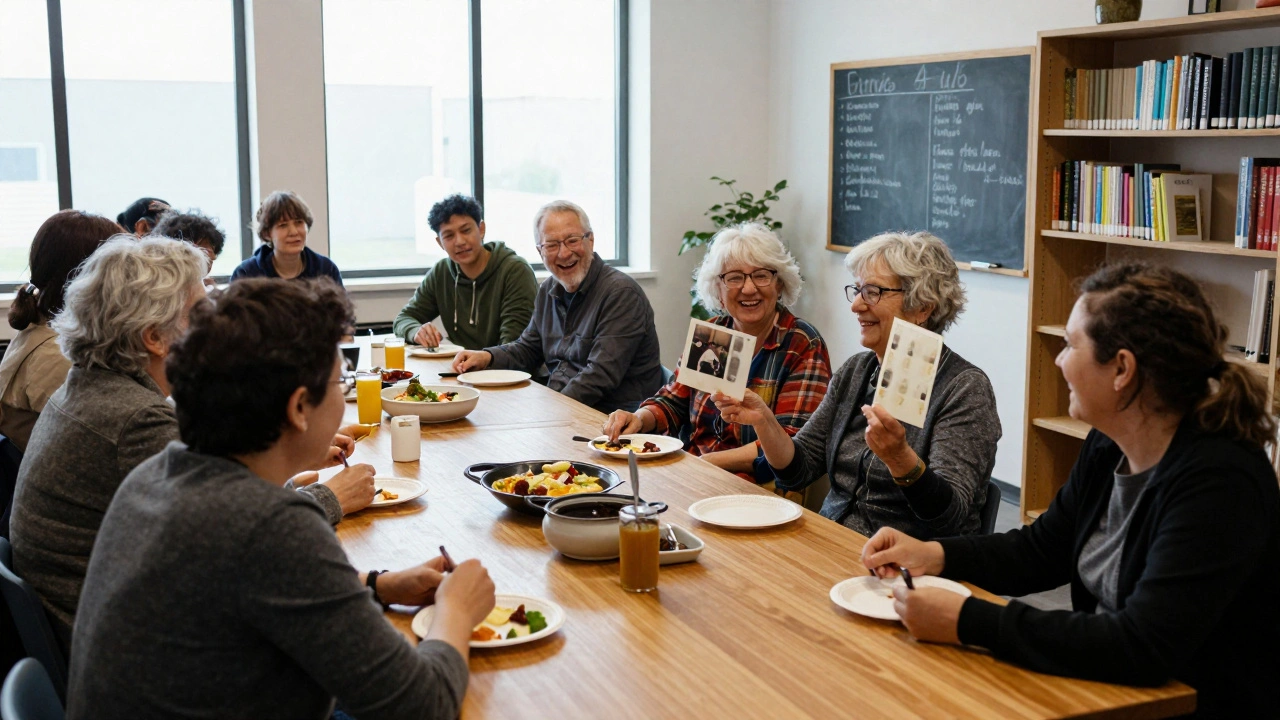
People over 55? They’re the biggest growth segment. Many lost spouses or friends during the pandemic. The theater became their social anchor. One 72-year-old in Minneapolis said, "I don’t come for the movie. I come for the people who know I’m not just a number."
Gen Z? They’re not showing up for classic foreign films. But they’ll pack a theater for a 16mm screening of a 1990s queer punk documentary, especially if it’s followed by a local band playing the soundtrack live.
What doesn’t work anymore
Here’s what a lot of theaters tried-and failed at:
- Running the same lineup as 2019. People didn’t miss the same films. They missed the ritual.
- Chasing viral trends. A TikTok campaign for a 1970s Japanese horror film? Got 12 views. A handwritten letter to 500 local book club members? Got 87 RSVPs.
- Waiting for grants. Most art-houses that survived didn’t rely on state funding. They built small, loyal communities that gave $10 a month-not because they had to, but because they wanted to.
- Ignoring accessibility. One theater in Denver added open captioning and audio description to every screening. Attendance from the disability community tripled in a year.
How to start your own roadmap
You don’t need a big budget. You need curiosity.
- Interview 10 regulars - Ask: "What made you come here? What stopped you? What would make you come more?" Write down their exact words.
- Map your community - Who lives nearby? What groups meet in your area? Churches? Libraries? ESL classes? Reach out to them. Offer a free screening. No strings.
- Test one small thing - Pick one idea from above. A monthly potluck. A post-screening zine. A local musician playing before the film. Run it for 3 months. Don’t measure sales. Measure smiles.
- Track who comes - Use a simple sign-in sheet. Note age, how often they come, what they said. You don’t need software. A notebook works.
- Be consistent - People don’t come for big events. They come because they know you’ll be there, every week, same time, same vibe.

The quiet revolution
Art-house cinema isn’t dying. It’s changing. The ones that survived didn’t fight the streaming world. They created something it can’t replicate: a space where film is shared, not just watched. Where a stranger becomes a friend because you both cried during the same scene. Where the projectionist knows your name and remembers you liked the documentary about bees.
There are no magic formulas. No viral hacks. Just people showing up-for each other, for the films, for the quiet, flickering light in a dark room.
If your theater is still open, you’re not behind. You’re ahead. Because the future of cinema isn’t in algorithms. It’s in the person sitting next to you, holding a cup of coffee, waiting for the lights to go down.
Do art-house cinemas still make money after the pandemic?
Yes-but not the way they used to. Most surviving art-houses now rely on a mix of ticket sales, small monthly memberships ($10-$25), community donations, and local business sponsorships. Theaters that kept ticket prices high and didn’t build community lost money. Those that offered affordable access and personal connection saw steady growth. One theater in Portland increased revenue by 42% in two years by replacing expensive film licensing with local filmmaker partnerships.
Is streaming killing art-house cinema?
Not if you understand what people are looking for. Streaming gives you convenience. Art-houses give you presence. People don’t go to see a movie they can watch at home. They go because they want to hear the audience laugh, feel the silence after a powerful scene, or talk to someone about the film over coffee afterward. Theaters that lean into that experience-not just the film-are thriving.
How do I get younger audiences to come to my art-house?
Don’t try to make them watch 1960s European films. Instead, show films that speak to their world: queer narratives, climate documentaries, local stories, or cult classics with live music. Partner with college film clubs, offer student discounts, and host post-screening mixers with local artists. One theater in Austin started a "Film & Zine" night-attendees made zines after the movie. Attendance from people under 25 jumped 200% in six months.
Do I need a big budget to rebuild my audience?
No. The most successful rebuilds cost less than $5,000. The Lightbox Cinema spent $800 on printed postcards and hand-written notes. The Tryon Film Society used a community kitchen for potlucks. What matters isn’t money-it’s consistency, personal touch, and listening. One small theater in Iowa started calling people back after they missed a screening. Attendance rose 35% in three months.
What’s the biggest mistake art-houses make when trying to recover?
Trying to be everything to everyone. If you show a little bit of everything-blockbusters, foreign films, documentaries, kids’ movies-you become invisible. The best art-houses are known for one thing: a clear identity. Are you the place for silent films with live piano? For local filmmakers? For queer cinema? Own it. People don’t come to theaters that are confused. They come to places that know who they are.
What comes next
Art-house cinema isn’t about nostalgia. It’s about survival through intimacy. Theaters that survive the next decade won’t be the ones with the biggest screens or the most expensive projectors. They’ll be the ones that remember: people don’t go to the movies to escape their lives. They go to feel less alone in them.
If you run a theater, start small. Talk to one person. Listen. Then do it again. The roadmap isn’t written in a boardroom. It’s written in conversations, in coffee cups left on the floor, in the quiet hum of a projector restarting after a pause.
The lights will go down. But the people? They’re still there. Waiting.




Comments(8)