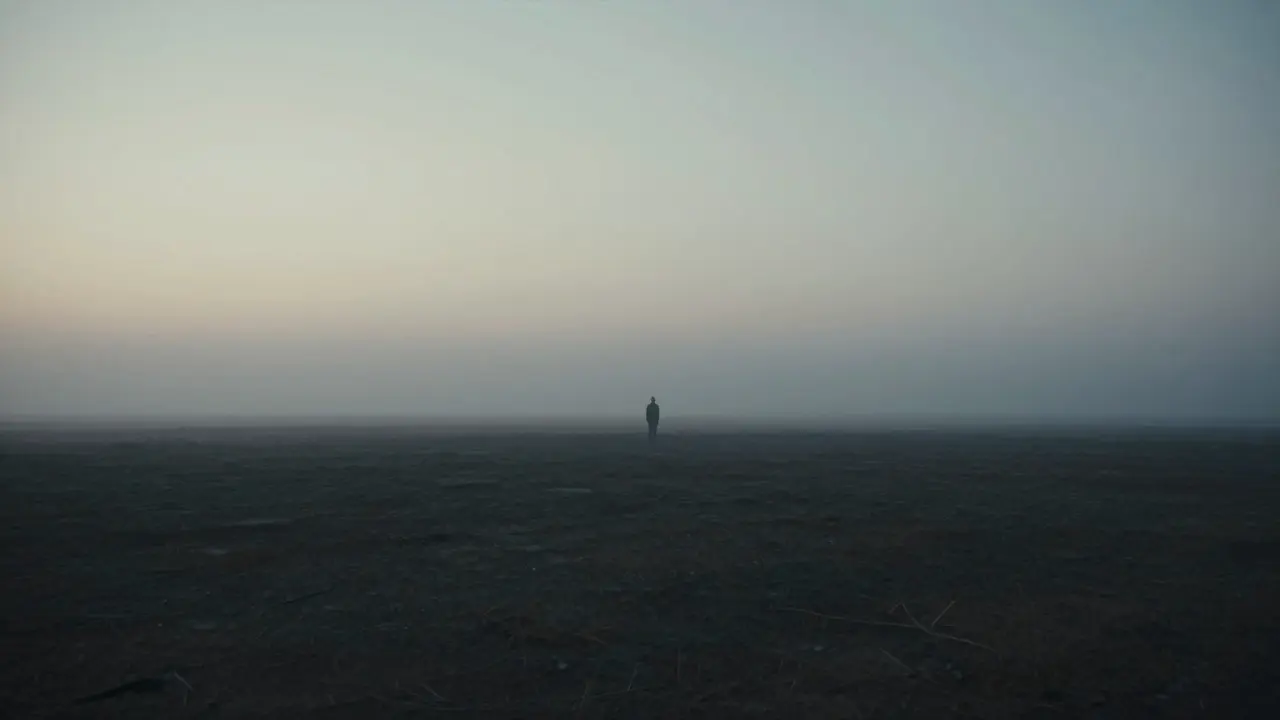
Most moviegoers expect a clear plot, distinct characters, and a satisfying ending. But what happens when you strip all that away? Experimental cinema is a form of filmmaking that prioritizes visual style, abstract concepts, and emotional resonance over traditional narrative structures. It challenges how we watch and interpret movies, forcing us to engage with the medium on a deeper level. If you have ever walked out of a film feeling confused but strangely moved, you likely encountered elements of this movement.
This guide breaks down the core principles of art films and experimental cinema. We will look at why filmmakers choose these styles, how they differ from mainstream blockbusters, and where you can find them today. By understanding the language of avant-garde film, you can appreciate the craft behind the chaos.
Key Takeaways
- Art films often focus on mood, character psychology, and visual composition rather than fast-paced plots.
- Experimental cinema pushes technical boundaries, using non-linear editing, abstract imagery, or unconventional sound design.
- The goal is not always entertainment in the traditional sense; it is about provoking thought and emotion.
- Festivals like Cannes and Venice are primary hubs for discovering new works in this genre.
- Accessibility has improved with streaming platforms dedicating sections to curated arthouse content.
Defining the Boundaries: Art Film vs. Experimental Cinema
While often used interchangeably, these terms have distinct roots. An Art film is typically a feature-length production that adheres to some narrative conventions but elevates the artistic expression above commercial appeal. Think of the slow-burn drama where the dialogue is sparse, and the camera lingers on a landscape for thirty seconds. The story exists, but it serves the aesthetic.
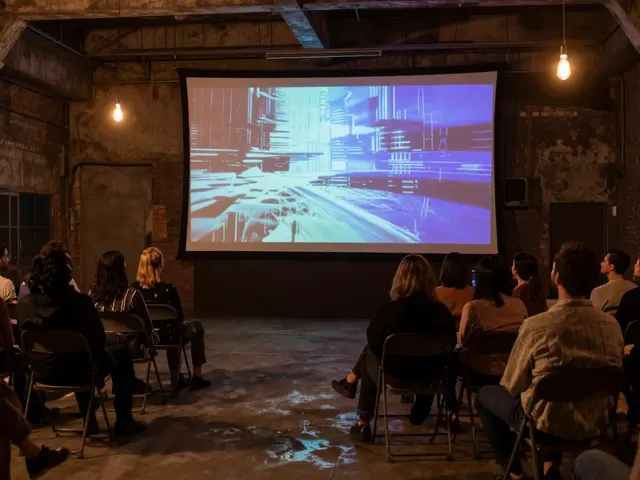
In contrast, Experimental cinema often discards narrative entirely. It treats the film as a canvas for visual and auditory experimentation. This might include looping footage, split-screen compositions, or films that last only four minutes. The distinction matters because an art film usually asks you to understand a character, while experimental cinema asks you to experience a sensation.
| Feature | Mainstream Commercial | Art Film | Experimental Cinema |
|---|---|---|---|
| Primary Goal | Entertainment & Box Office | Aesthetic Expression & Emotion | Technical Innovation & Abstraction |
| Narrative Structure | Linear, Clear Cause-and-Effect | Subtle, Ambiguous, Character-driven | Non-linear, Fragmented, or Absent |
| Pacing | Fast, Constant Action | Slow, Contemplative | Variable, Often Static or Repetitive |
| Sound Design | Supports Dialogue & Action | Atmospheric, Minimalist | Abstract, Dissonant, or Silent |
The Core Aesthetics: What Makes a Film "Art"?
Several specific techniques define the look and feel of these films. Understanding them helps you decode the intent behind the screen.
Visual Composition and Lighting
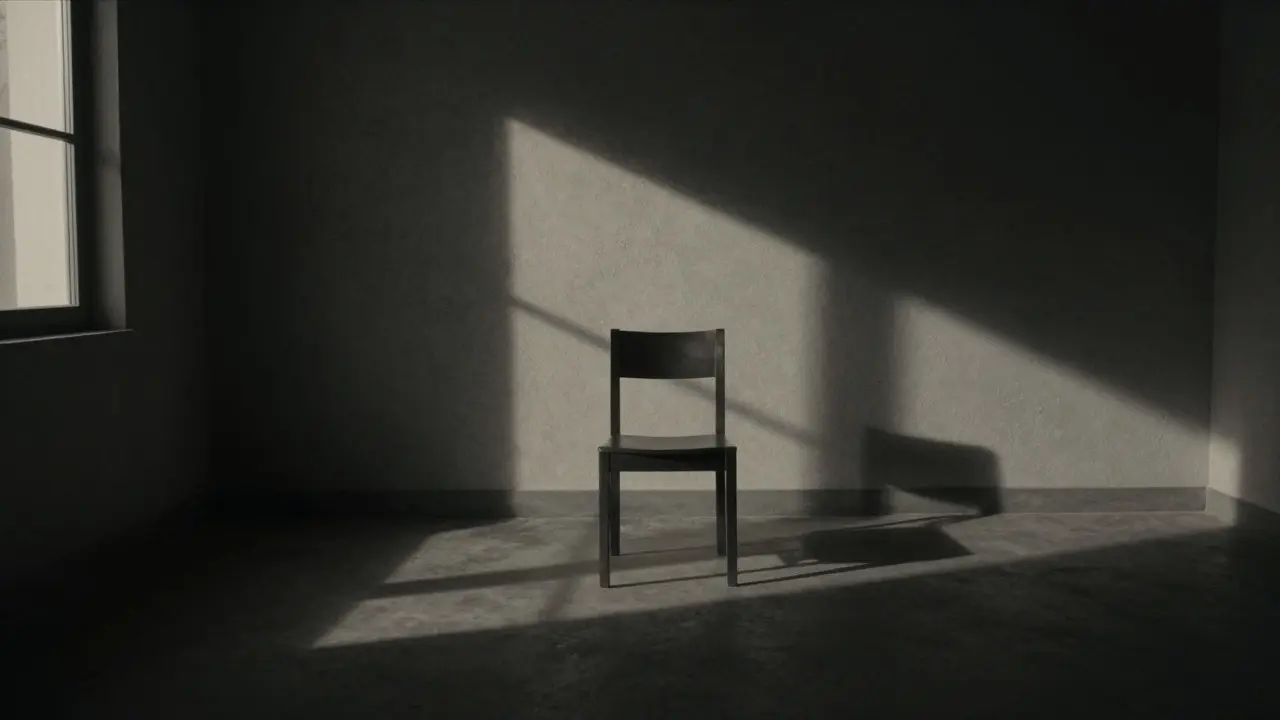
In standard cinema, lighting reveals action. In art films, lighting creates mood. Directors use high-contrast shadows, natural light sources, or deliberate underexposure to evoke feelings of isolation, mystery, or beauty. The frame is treated like a painting. Every element, from the placement of a prop to the color palette, is intentional. You aren't just watching a scene; you are viewing a constructed reality.
Non-Linear Narratives
Time is a fluid concept in this genre. Instead of a straight line from A to B, stories may loop, flash forward, or exist simultaneously. This technique mirrors human memory and consciousness. It forces the audience to piece together the timeline, making the viewing process active rather than passive. The confusion you feel is part of the design; it mimics the fragmented nature of real-life experiences.
Minimalist Dialogue
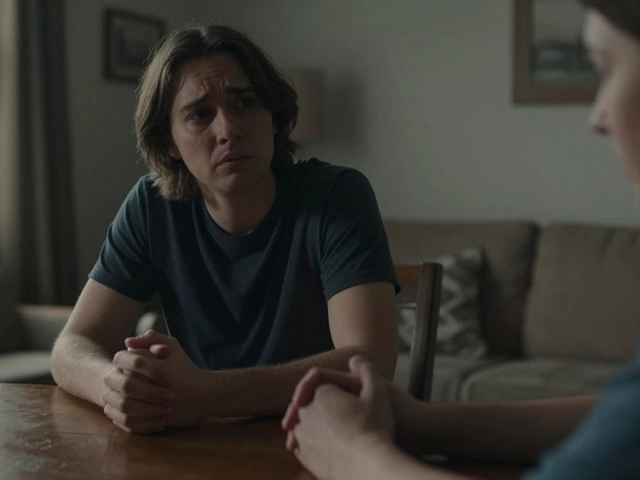
Words can be limiting. Many art films rely on silence, ambient noise, or monologues that reveal little concrete information. This shifts the focus to performance and body language. Actors must convey complex emotions through subtle gestures and facial expressions. When dialogue does appear, it is often poetic or cryptic, leaving room for interpretation.
Historical Context: From Avant-Garde to Modern Day
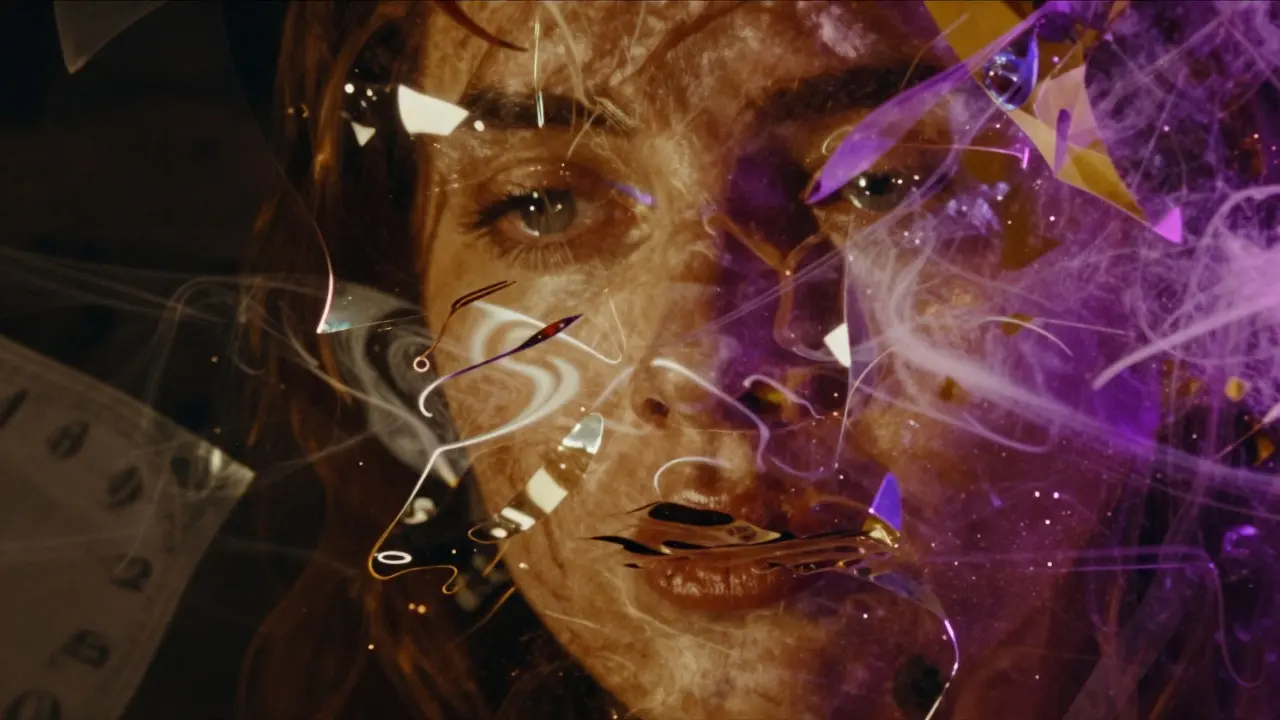
These movements did not start yesterday. The roots lie in the early 20th-century Avant-garde movement, which sought to break free from industrialized storytelling. Filmmakers like Dziga Vertov and Maya Deren experimented with montage and surrealism, challenging the dominance of Hollywood studio systems.
The mid-20th century saw the rise of European movements like French New Wave and German New Wave. Directors such as Jean-Luc Godard and Rainer Werner Fassbinder broke the fourth wall, used jump cuts, and addressed social issues through stylized visuals. Today, the legacy continues with global filmmakers who blend digital technology with analog sensibilities. The tools have changed, but the desire to question the medium remains constant.
Why Watch? The Value of Challenging Content
You might wonder why bother if the plot isn't easy to follow. The value lies in cognitive engagement. Watching a complex film trains your brain to look for patterns, symbolism, and emotional cues that you might miss in faster-paced content. It expands your empathy by exposing you to perspectives and realities vastly different from your own.
Furthermore, these films often push technological boundaries. Many innovations in cinematography, sound mixing, and editing began in experimental circles before being adopted by mainstream productions. By supporting this genre, you are witnessing the future of filmmaking in its rawest form.
Where to Find These Films Today
Accessing these titles has never been easier, though curation is key. Here are the most reliable avenues:
- Film Festivals: Events like the Cannes Film Festival, Venice International Film Festival, and Berlin International Film Festival showcase the year's most ambitious works. Even if you cannot attend, their selections often signal upcoming releases.
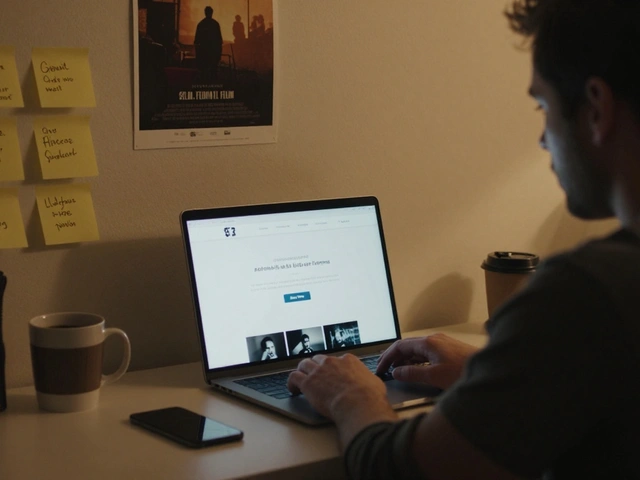
- Streaming Platforms: Services like MUBI, Criterion Channel, and Kanopy specialize in curated arthouse and classic cinema. They offer contextual essays and director commentaries that enhance understanding.
- Local Cinemas: Many cities have independent theaters that program retrospective series and new releases. Check local listings for double features or themed nights dedicated to specific directors or movements.
- Digital Archives: Organizations like the Internet Archive host public domain experimental shorts and historical avant-garde works, providing a free entry point into the history of the form.
Common Pitfalls for New Viewers
Jumping into this genre without preparation can lead to frustration. Avoid these common mistakes:
- Expecting a Plot Summary: Stop trying to force a linear story onto a non-linear film. Let the images speak first.
- Skipping the Context: Read a brief synopsis or interview with the director beforehand. Knowing the cultural or personal context can unlock layers of meaning.
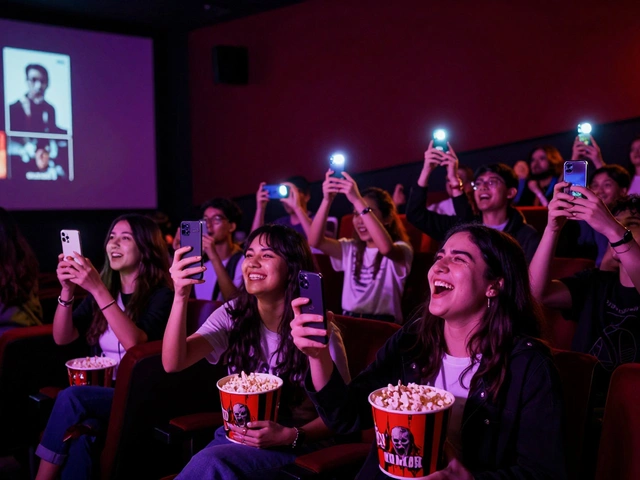
- Watching in Distractions: These films require full attention. Background noise or multitasking will obscure the subtle visual and auditory details that carry the weight of the piece.
- Judging by Mainstream Standards: Do not measure success by box office numbers or audience ratings. Judge them by how much they provoke thought or emotion.
FAQ
What is the difference between an art film and a documentary?
A documentary aims to present factual information about real subjects, often using interviews and archival footage. An art film may use real locations or actors but prioritizes subjective expression, mood, and aesthetic choices over factual accuracy. While there is overlap (docu-fiction), the primary intent distinguishes them.
Are experimental films only for academics?
No. While they are studied in film schools, many experimental works are accessible to general audiences. Shorter pieces or those with strong visual hooks can be enjoyed without prior knowledge. The key is approaching them with an open mind rather than expecting conventional storytelling.
How long should I give a film before deciding if I like it?
Give it at least twenty minutes. Many art films build slowly, establishing atmosphere before introducing conflict or resolution. If the pacing feels intentional and the visuals are engaging, stay committed. If it feels stagnant after half the runtime, it may not resonate with your personal taste.
Do subtitles help with understanding foreign-language art films?
Yes, but do not rely on them exclusively. Subtitles can distract from the visual composition and actor performances. Try watching without them first if possible, or use them sparingly. The visual language is often more universal than the spoken word in these genres.
Is digital cinema better for experimental work than film?
Neither is inherently better. Digital offers precision, easy manipulation, and lower costs, allowing for rapid iteration. Film grain provides texture, organic imperfection, and a tactile quality that digital struggles to replicate. Many contemporary experimental filmmakers mix both mediums to leverage their unique strengths.


Comments(9)