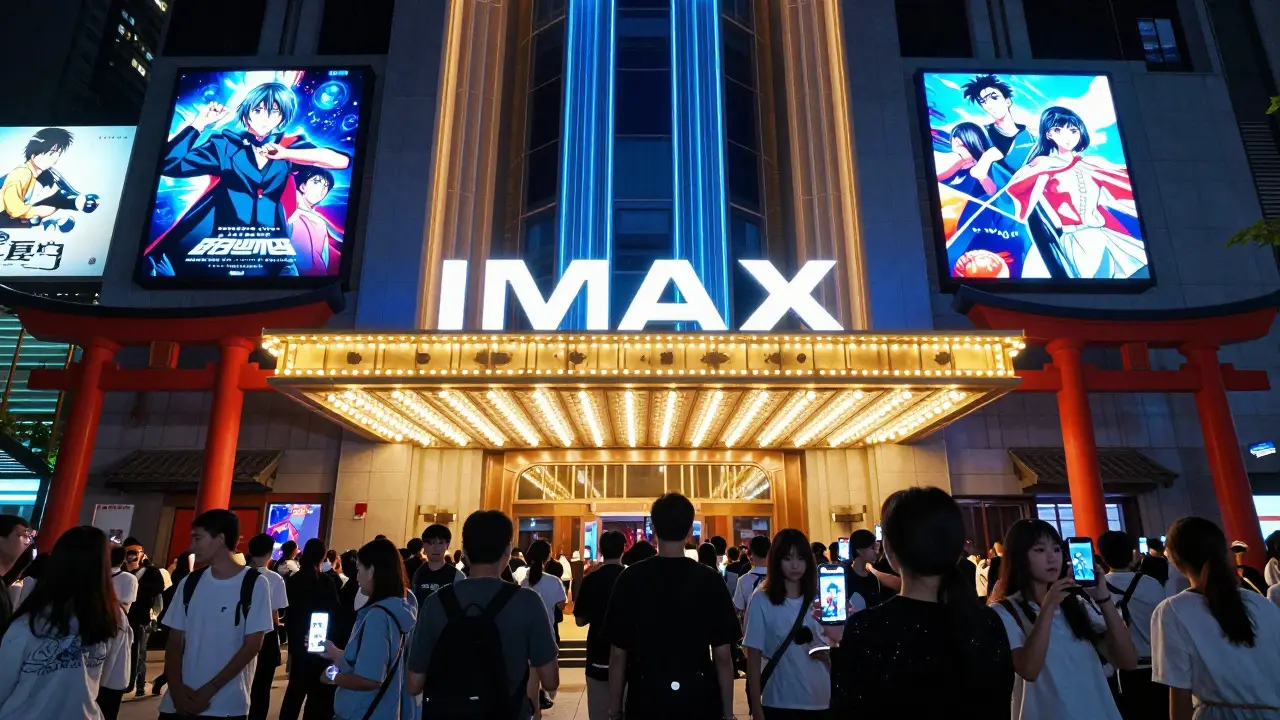
For decades, Anime was a niche interest confined to specific demographics in the West. But that era is officially over. In 2026, Japanese animation isn't just gaining recognition; it is dominating global conversation and driving significant revenue at the box office. The shift from "cult classic" to "blockbuster staple" has happened faster than most industry analysts predicted.
This isn't just about one hit movie. It's a structural change in how audiences consume film. When you see a teenager discussing plot twists from a hand-drawn feature film with their friends who only watch Marvel movies, the mainstreaming is complete. This article breaks down why this is happening now, which titles are leading the charge, and what it means for the future of cinema.
The Numbers Behind the Boom
You don't need to take my word for it; look at the receipts. Demon Slayer: Kimetsu no Yaiba - To the Hashira Training shattered records in early 2025, becoming the highest-grossing animated film in history globally. It crossed the $1 billion mark within weeks of its wide release, a feat previously thought impossible for non-English speaking films outside of major Hollywood franchises.
But Demon Slayer didn't happen in a vacuum. It built on the massive success of Spirited Away, which remains a cultural touchstone, and the resurgence of Studio Ghibli releases in high-quality digital formats. The cumulative effect is undeniable. In 2024 alone, anime films accounted for over 15% of the total international box office revenue for top 100 films, up from less than 3% in 2015.
| Rank | Film Title | Release Year | Global Gross (USD) | Key Factor |
|---|---|---|---|---|
| 1 | Demon Slayer: To the Hashira Training | 2025 | $1.2 Billion | Massive IP loyalty + High-budget theatrical push |
| 2 | Your Name | 2017 | $390 Million | Viral marketing + Emotional resonance |
| 3 | Spirited Away | 2001 | $380 Million | Cult following + Festival acclaim |
| 4 | Jujutsu Kaisen 0 | 2021 | $350 Million | Simulcast audience conversion |
| 5 | One Piece Film: Red | 2022 | $250 Million | Musical genre crossover |
Why Now? The Perfect Storm of Factors
So, what changed? It wasn't just better animation quality, though that certainly helped. The primary driver is the "Simulcast Generation." Fans who grew up watching Naruto or Dragon Ball Z on streaming platforms in the late 2010s are now adults with disposable income. They didn't wait years for home video releases; they watched episodes as they aired in Japan. This created a deep, immediate connection to the source material.
When these fans see a movie adaptation, they don't just watch it; they evangelize it. Social media algorithms amplified this. A viral clip from a Studio Ghibli film on TikTok can reach millions of non-anime fans overnight. The barrier to entry has lowered significantly. You don't need to understand Japanese culture deeply to appreciate the visual storytelling and emotional beats. The themes are universal: loss, friendship, heroism, and redemption.
Additionally, distribution strategies have evolved. Studios like Toho and Kadokawa now partner directly with major Western distributors like Warner Bros. and Universal Pictures. This ensures wider release windows, better marketing budgets, and premium IMAX screenings, treating anime features with the same respect as Hollywood blockbusters.
Beyond the Hits: Diverse Voices and Genres
A common misconception is that all successful anime films are action-heavy shonen adaptations. While Demon Slayer and Jujutsu Kaisen lead the charts, the breadth of the medium is widening its appeal.
Consider Perfect Blue, a psychological thriller by Satoshi Kon. Re-released in 4K in 2024, it found a new audience among fans of prestige drama and horror. Similarly, Wolf Children resonated with parents and families looking for nuanced stories about growing up, proving that anime can handle delicate, slice-of-life narratives without relying on fantasy elements.
This diversity is crucial for long-term mainstream adoption. If the genre is seen only as "action cartoons," it will plateau. By showcasing romance, sci-fi, historical drama, and experimental art forms, studios ensure there is something for every viewer. The recent critical acclaim for Millennium Actress re-releases highlights how critics are finally catching up to what audiences already knew: Japanese animation is a legitimate art form comparable to any other cinematic tradition.
The Impact on Hollywood and Global Cinema
Hollywood is taking notice, and not just with envy. We are seeing a hybrid approach emerge. Films like Spider-Man: Across the Spider-Verse have adopted anime-inspired aesthetics and pacing, blending live-action sensibilities with 2D animation techniques. This cross-pollination validates the style. If a superhero film uses anime visual language to win awards, it signals to general audiences that the aesthetic is cool, modern, and award-worthy.
Furthermore, the success of anime films is forcing a re-evaluation of what constitutes a "global hit." For years, the default assumption was that English-language films would dominate worldwide. Now, localization is key. Subtitles are no longer a barrier; they are a badge of honor for cinephiles. Dubbing quality has also improved drastically, with voice actors chosen for vocal texture rather than just name recognition, making the experience accessible even to those who prefer audio in their native language.
Challenges and Pitfalls to Watch
It’s not all smooth sailing. One major risk is oversaturation. With so many projects greenlit, quality control can slip. Not every manga adaptation is ready for a big-screen debut. Audiences are savvy; if too many mediocre films flood the market, trust could erode. Studios must be selective, prioritizing strong directorial visions over mere IP cash-ins.
Another challenge is cultural context. While themes are universal, some humor or references remain heavily rooted in Japanese pop culture. Marketing teams must strike a balance between explaining enough context for newcomers without condescending to existing fans. Missteps in localization can alienate both groups, creating a confusing viewing experience.
Finally, the sustainability of the boom depends on new talent. As older icons like Hayao Miyazaki step back from full-time directing, the next generation of filmmakers needs to step up. Directors like Makoto Shinkai and Hiroyuki Imaishi are doing exactly that, but the pipeline needs to stay robust to maintain momentum through 2026 and beyond.
What This Means for You as a Viewer
If you haven’t ventured into anime films yet, now is the perfect time. The library is vast, and the entry points are easier than ever. Start with visually stunning titles like Your Name for a romantic sci-fi blend, or Spirited Away for a timeless fantasy adventure. If you prefer action, Demon Slayer offers high-octane energy with emotional depth.
Don’t worry about needing to watch the TV series first. Most major films are designed to stand alone or provide sufficient context within the first 20 minutes. Treat them like any other blockbuster: pick one that looks interesting, hit play, and let the story pull you in. The barrier to entry is gone; all that’s left is curiosity.
Frequently Asked Questions
Do I need to know Japanese to enjoy anime films?
No. Most mainstream anime films released in the West come with high-quality English subtitles and increasingly, professional English dubs. The visual storytelling is strong enough that language barriers are minimal for most viewers.
Which anime film is the best starting point for beginners?
Spirited Away is widely considered the best introduction due to its universal themes and Academy Award-winning status. Your Name is another excellent choice for its modern pacing and emotional impact.
Is anime only popular in Asia?
While it originated in Japan, anime is now a global phenomenon. North America, Europe, and Latin America represent huge markets, with box office revenues often exceeding domestic Japanese earnings for major titles.
How does anime differ from Western animation?
The differences are stylistic and narrative. Anime often features more diverse character designs, complex moral ambiguity, and a wider range of genres including serious drama and horror, whereas Western animation has historically leaned more toward comedy and family-friendly content, though this is changing.
Will anime continue to grow in 2026?
Yes. With major sequels and new original productions scheduled for release, plus increased investment from global streaming platforms, the trajectory suggests continued growth in both box office performance and cultural relevance.