Ever wonder why a single minute of animation takes months to produce? It’s not just about drawing pictures. It’s a massive, coordinated effort involving hundreds of artists, technicians, and managers working in parallel. The animation pipeline is the backbone of this process, turning a raw idea into a polished film. Without it, studios would drown in chaos, missed deadlines, and inconsistent visuals.
This guide breaks down every stage of the modern animation workflow. We’ll look at how concepts become storyboards, how characters move, and how computers turn static images into fluid motion. Whether you’re an aspiring animator or just curious about the magic behind the screen, understanding these steps reveals just much sweat goes into every frame.
Pre-Production: Laying the Foundation
Before a single character moves, the team needs a solid plan. This phase is all about defining the world, the characters, and the narrative structure. It’s where creative vision meets practical execution.
- Script Development: Writers craft the dialogue and plot. Producers review pacing and character arcs.
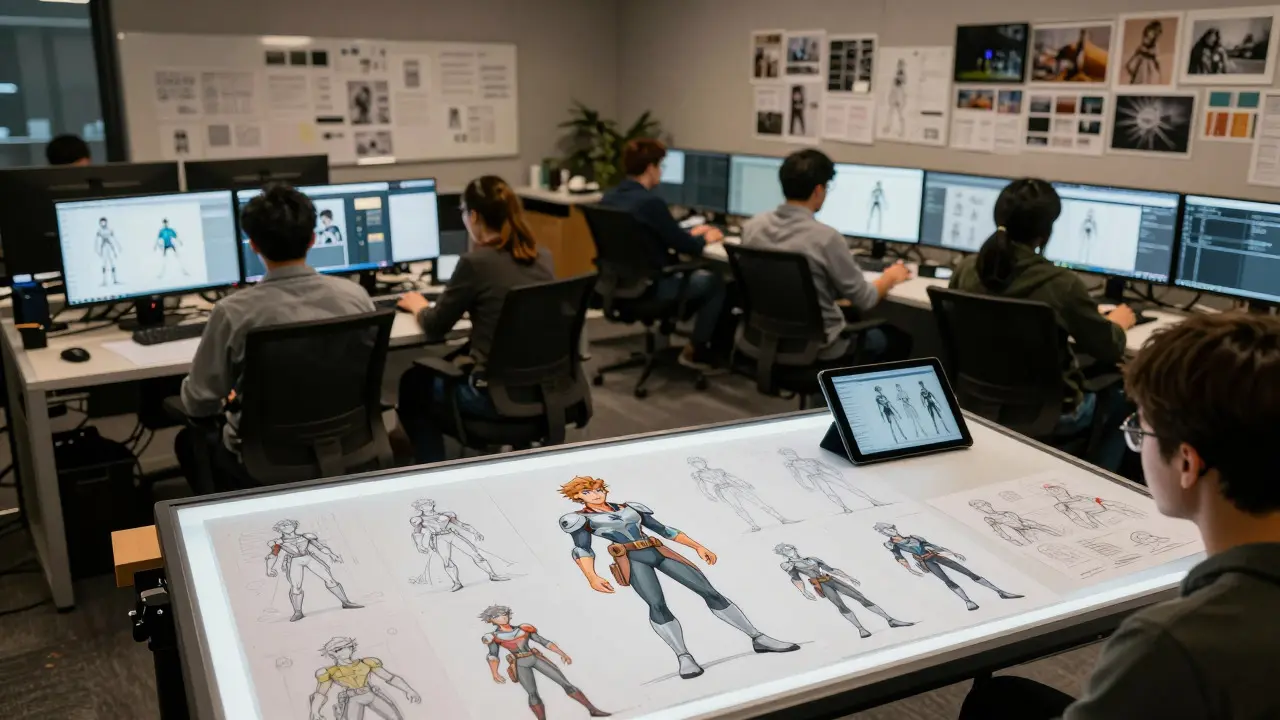
- Concept Art: Artists create visual references for environments, props, and character designs. These aren’t final assets; they’re mood boards that set the tone.
- Model Sheets: For character consistency, artists draw turnaround sheets showing the character from all angles. This ensures that an artist in one department doesn’t make a character look different than an artist in another.
The output of this stage is a production bible. It’s the rulebook everyone follows. If a color palette changes later, it usually traces back to a decision made here.
Storyboarding and Story Reels
Once the script is locked, the team moves to storyboarding. This is where the camera moves and the timing are established. Storyboard artists sketch key moments like comic strips. But sketches alone don’t tell you if the scene works emotionally or rhythmically.
That’s where Story Reels come in. A story reel is a low-fidelity video assembly of the storyboard panels, often with temporary music and voice-over tracks. Think of it as a rough cut of the movie using drawings instead of final renders. Directors use these reels to check pacing. If a scene drags, they cut frames. If a joke lands too late, they adjust the timing. This iterative process happens multiple times until the narrative flow feels right.
It’s crucial to note that story reels are disposable. They exist solely to test the story. Once approved, they are archived, and the data flows into the next phase.
Layout and Backgrounds
With the story locked, the layout department takes over. Layout artists take the storyboards and translate them into precise camera shots. They define the exact position of the camera, the depth of field, and the placement of characters within the environment.
In 3D animation, this involves creating “layout rigs” or simple placeholder models. In 2D, it might mean painting detailed backgrounds. The goal is to provide animators with a clear spatial reference. Animators need to know exactly where the floor is, where the light comes from, and how far away objects are. Without accurate layouts, animations will feel floaty or disconnected from the world.
Rigging: Giving Life to Models
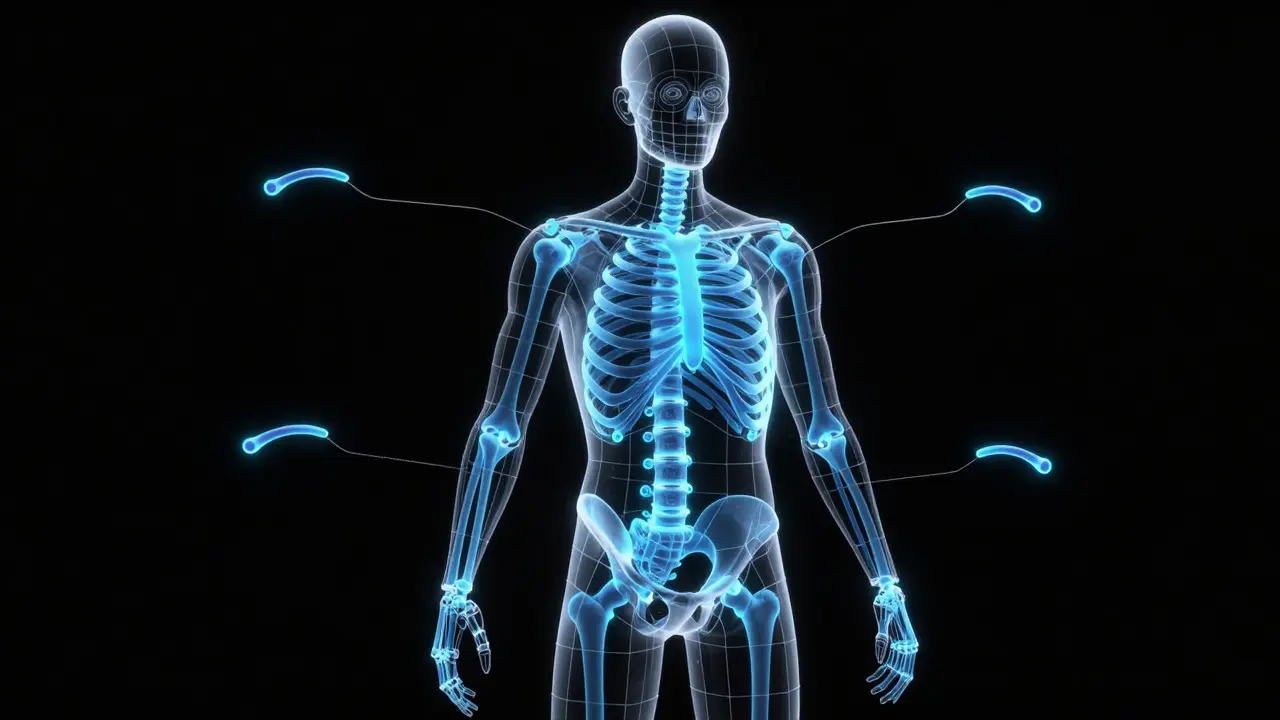
For 3D animation, characters start as static digital sculptures. To make them move, technical artists build a Rig. A rig is a system of bones, joints, and controls that mimics human anatomy or mechanical movement. It’s like putting a skeleton inside a puppet.
A good rig allows animators to pose a character easily. Bad rigging can restrict movement or cause weird deformations when a limb bends. Riggers work closely with modelers to ensure the mesh stretches naturally. They also add facial controls for expressions, which are critical for emotional storytelling. In complex productions, a single character might have hundreds of control handles just for the face.
Animation: The Heart of the Process
This is where the magic happens. Animators use the rigs to create movement frame by frame. They follow the twelve principles of animation, such as squash and stretch, anticipation, and follow-through. The goal isn’t just to move limbs; it’s to convey weight, emotion, and personality.
Animators work in cycles. They block out the main poses first, then add secondary motion, and finally polish the details. Supervisors review their work constantly. Feedback loops are tight here because fixing a bad performance early saves weeks of rework later. A character’s walk cycle might be animated once, but its reaction to a specific plot point requires unique, custom animation.
Lighting and Shading
Once the animation is approved, the lighting department steps in. Lighting artists place virtual lights in the scene to mimic real-world sources like sun, lamps, or fire. They also adjust material properties, known as shading, to determine how surfaces reflect light. Is the skin matte or shiny? Is the metal brushed or polished?
This stage sets the mood. Warm, soft lighting creates intimacy. Harsh, high-contrast lighting builds tension. Lighting artists work with cinematographers to ensure the visual style matches the director’s intent. It’s a delicate balance between artistic expression and technical accuracy.
Rendering and Compositing
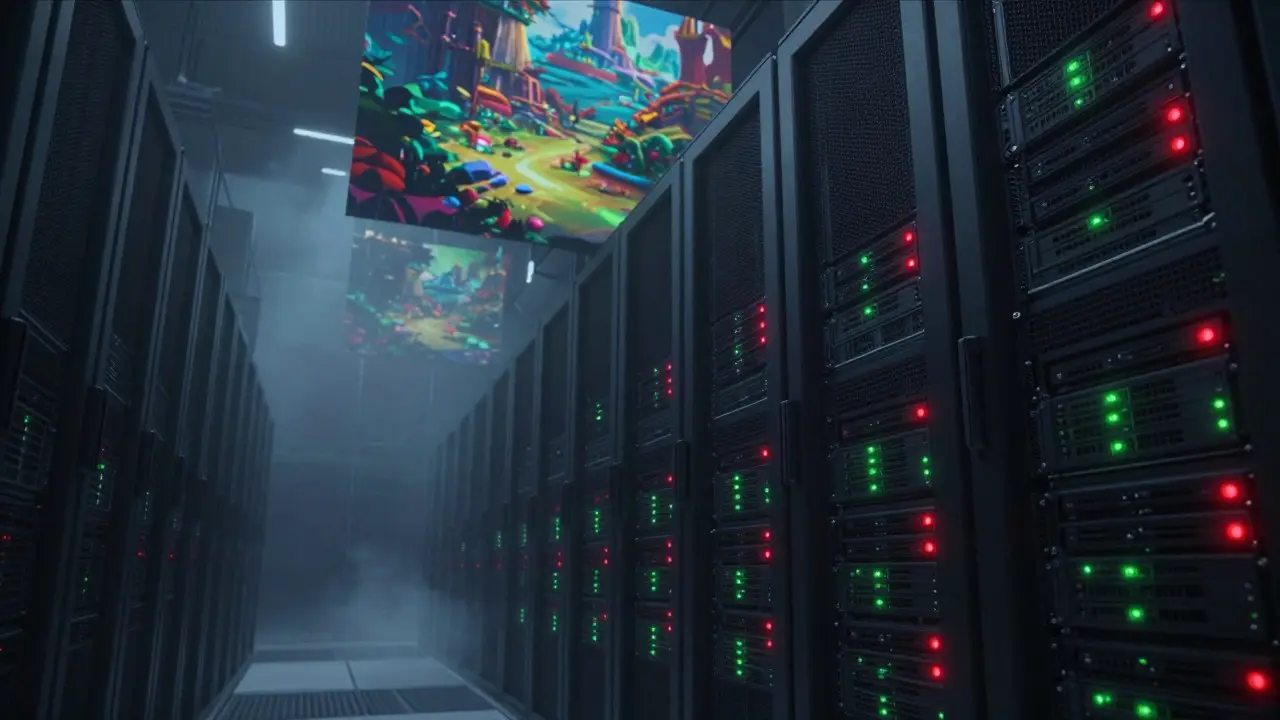
Now we get to the heavy lifting. Rendering is the process of calculating how every pixel in the image looks based on the geometry, lighting, and materials. For high-quality films, this can take hours per frame. Studios use massive clusters of servers called render farms to handle this workload. Each frame is sent to a server, processed, and saved as a high-resolution image file.
After rendering, the compositing department combines all the layers. This includes background plates, character passes, effects like smoke or rain, and color corrections. Compositors clean up any artifacts, adjust the color grading, and ensure everything blends seamlessly. They also add final touches like lens flares or depth-of-field blur to give the footage a cinematic look.
Post-Production: Sound and Final Assembly
Visuals are only half the experience. Post-production focuses on sound design, mixing, and final editing. Sound designers create foley effects-footsteps, cloth rustling, object impacts-to match the animation perfectly. Dialogue editors clean up voice recordings, removing breaths or mistakes. Music composers score the film, syncing musical cues to emotional beats.
Finally, the picture editor assembles all the rendered shots, adds the final sound mix, and exports the master file. Quality control teams watch the entire film multiple times to catch any glitches, missing frames, or audio sync issues. Only after passing QC does the film go to distribution.
Frequently Asked Questions
How long does the animation pipeline take for a feature film?
Typically, a major studio feature takes 3 to 5 years from greenlight to release. Pre-production can last 1-2 years, while production (animation and rendering) takes 2-3 years. Post-production usually overlaps with the end of production.
What is the difference between a storyboard and a story reel?
A storyboard is a sequence of static drawings. A story reel is those drawings assembled into a video with temporary audio. The reel allows directors to evaluate pacing and timing, which static images cannot show.
Why is rendering so expensive in animation?
Rendering requires immense computational power. High-quality ray tracing calculates light bounces for every pixel. A single frame can take hours to compute. With thousands of frames in a film, the electricity and hardware costs add up significantly.
Do animators work on every frame of a movie?
No. Most scenes involve multiple animators. One might handle a hero character, while another handles background extras. However, each animator is responsible for the continuity of their character’s performance across their assigned shots.
What software is commonly used in the animation pipeline?
Common tools include Maya or Houdini for modeling and rigging, Nuke for compositing, and DaVinci Resolve or Premiere Pro for editing. Many studios also use proprietary internal tools to streamline data management between departments.